
A powerful ash plume rises above Lake Taal.
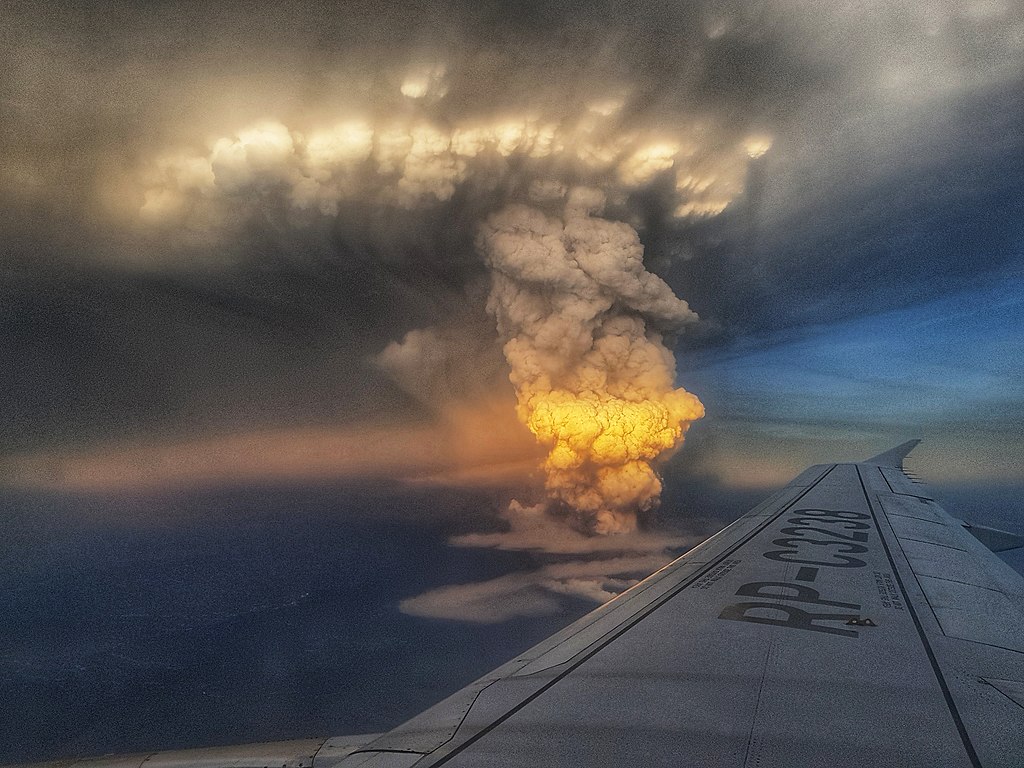
Late last night, Taal Volcano, one of the most active in the Philippines, erupted, sending a dense column of ash and steam more than a mile high above Batangas province. The eruption was short but intense, marked by multiple phreatomagmatic bursts and low-frequency tremors. The Philippine Institute of Volcanology and Seismology (PHIVOLCS) confirmed that the activity was centered within the Main Crater and warned residents to stay cautious as sulfuric gases and fine ash spread to nearby towns. While the alert level remains low, scientists say the event highlights how quickly Taal can shift from calm to dangerous.
1. Ash plume soared over a mile into the atmosphere.
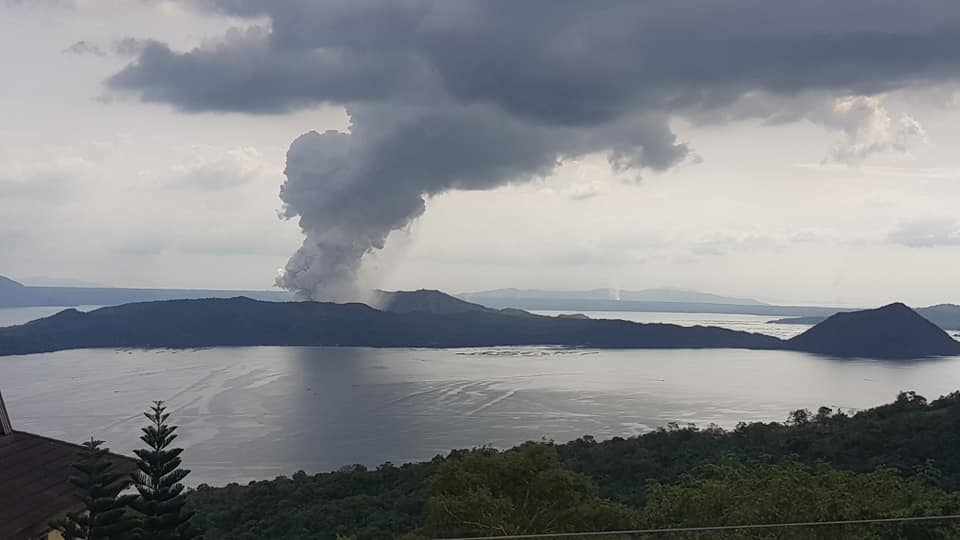
At the height of the eruption, the ash plume reached approximately two kilometers, or 1.24 miles, above Taal’s Main Crater, enough to blanket nearby towns in light ash, according to PHIVOLCS’ latest bulletin. Satellite images confirmed that the plume drifted westward across parts of Batangas and Cavite provinces before dissipating over the lake. The eruption was classified as phreatomagmatic, caused by magma reacting violently with groundwater.
That combination of heat and water vapor created a steam-driven explosion powerful enough to shake nearby windows. Residents described the sound as a deep, echoing rumble followed by sulfur-scented rain that coated cars and rooftops in gray powder.
2. A rapid series of explosions shook the crater overnight.
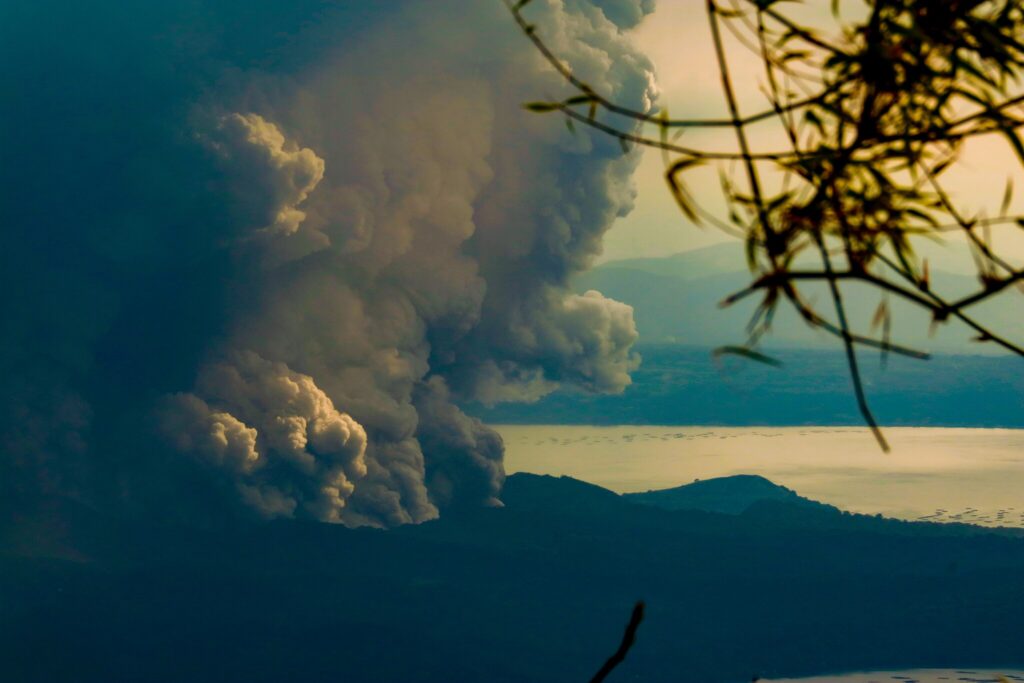
Within a 24-hour period, monitoring stations detected four separate eruptions, each lasting less than a minute but producing plumes between 1,200 and 2,100 meters high. These events occurred in quick succession and were accompanied by minor volcanic tremors and gas bursts. The sequence showed a sudden surge of subsurface activity, reported by Reuters.
The speed of these eruptions has scientists watching for potential escalation. Each explosive pulse released not just ash but volcanic gases, an early signal that magma may be rising closer to the surface. Experts say even short-lived activity at Taal can reset the system, priming it for future unrest.
3. Sulfur gas and ash reached nearby towns before dawn.
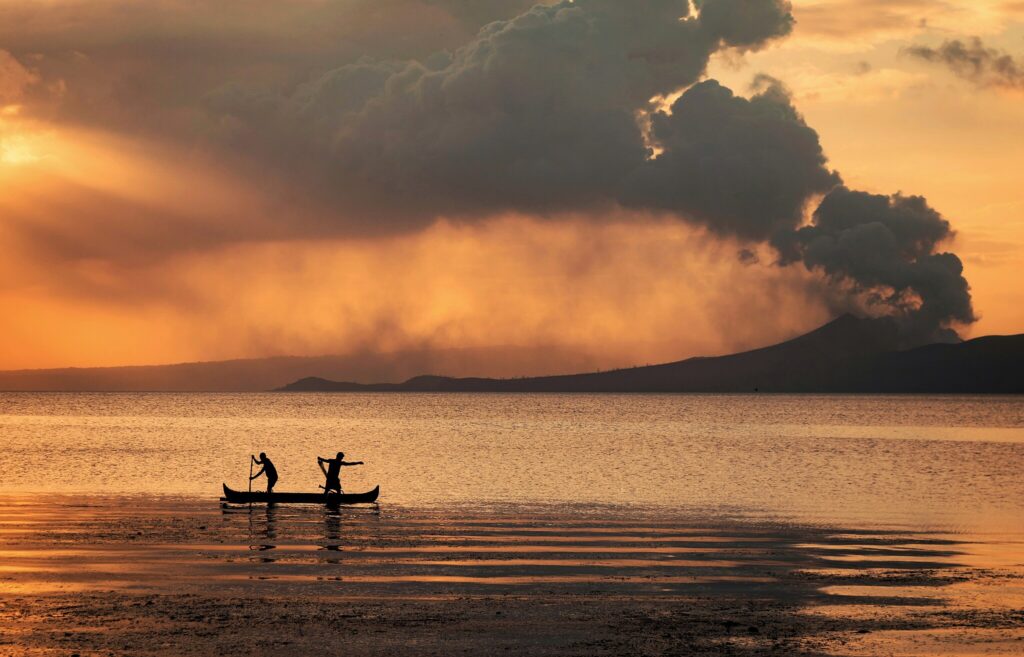
Barangays surrounding Taal Lake, including Laurel, Agoncillo, and parts of Balete, experienced light ash fall and reported a strong sulfur odor in the air. Residents were urged to wear masks, keep windows closed, and limit outdoor activity. As stated by CNN Philippines, the drifting plume caused reduced visibility along some roadways but no immediate injuries or evacuations.
Authorities distributed advisories early this morning, warning that wind direction could shift, spreading ash toward western Batangas and southern Cavite. By sunrise, skies had partially cleared, but the faint smell of gas lingered—a reminder that volcanic activity doesn’t end when the ash stops falling.
4. Evacuation readiness remains high despite low alert status.
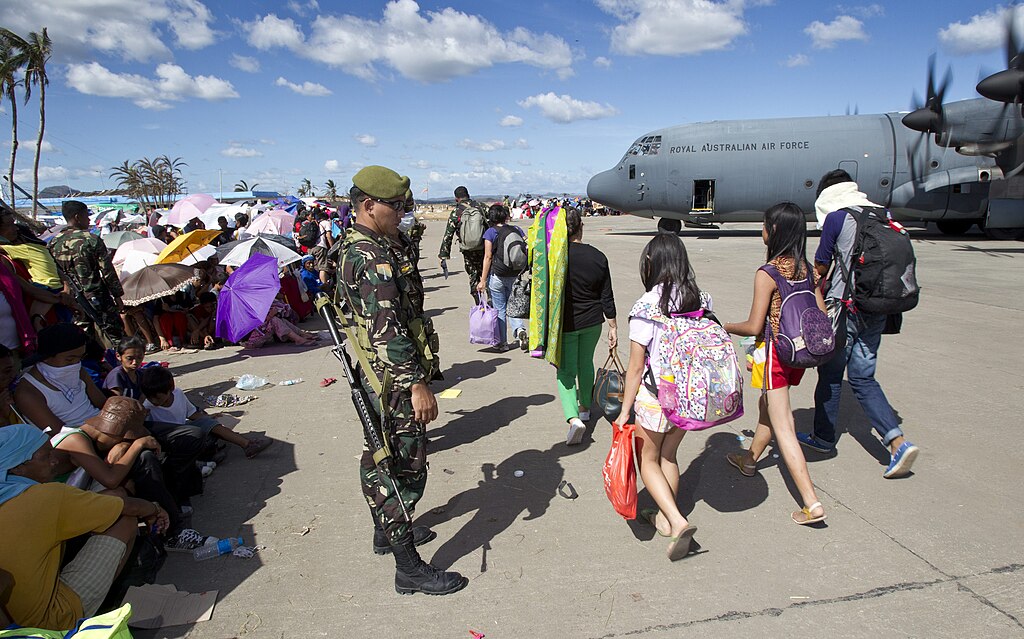
Although PHIVOLCS kept the alert level at 1, local governments near the volcano have activated standby evacuation protocols. Barangay officials are checking shelters, verifying supply inventories, and reviewing transport routes in case conditions worsen. Residents within the 14-kilometer danger zone are being told to remain prepared, even as tourism continues in areas farther from the crater.
This readiness reflects the hard lessons learned from Taal’s 2020 eruption, which displaced over 300,000 people. Authorities now err on the side of caution, knowing that activity can intensify with little warning.
5. Air travel and ferries adjust to drifting volcanic ash.
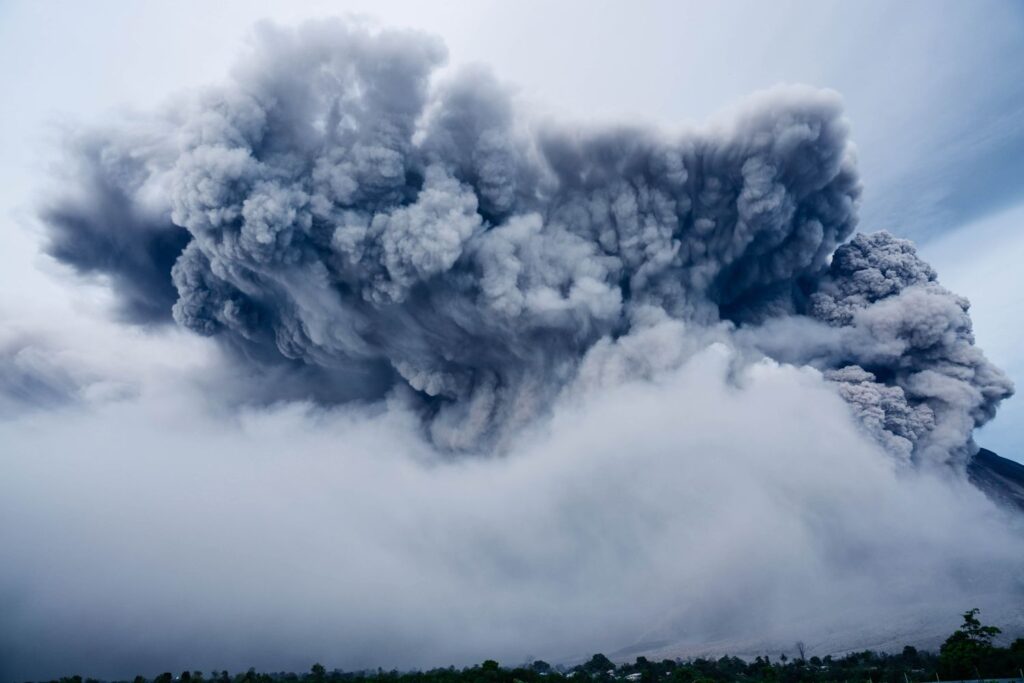
The Civil Aviation Authority issued advisories urging pilots to avoid flying near the volcano due to the potential for engine damage from ash particles. Ferry services around Taal Lake have also paused temporarily as a precaution against reduced visibility and floating debris. Air-quality monitors near Tagaytay and Nasugbu showed mild particulate spikes, though not at hazardous levels.
Transport officials said operations will resume once satellite data confirms the ash plume has fully dispersed. In the meantime, travelers are being told to expect reroutes and short-term delays.
6. Volcanic gas readings rose sharply during the eruption.
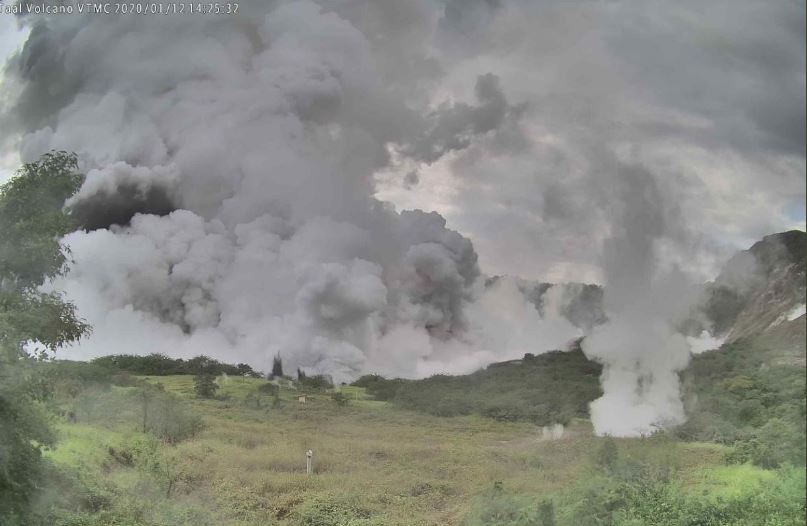
Sensors positioned around Taal recorded sulfur dioxide emissions spiking to more than 4,000 tons per day, roughly double the usual background levels. This rise suggests increased magma degassing beneath the crater. Scientists interpret this as a potential sign of continued internal pressure, even after visible eruptions subside.
PHIVOLCS researchers are keeping close watch on gas concentrations and thermal imagery, noting that lingering high emissions often precede secondary events. For now, the volcano’s behavior remains volatile but not yet escalating toward a higher alert phase.
7. Scientists warn that Taal’s activity can change quickly.
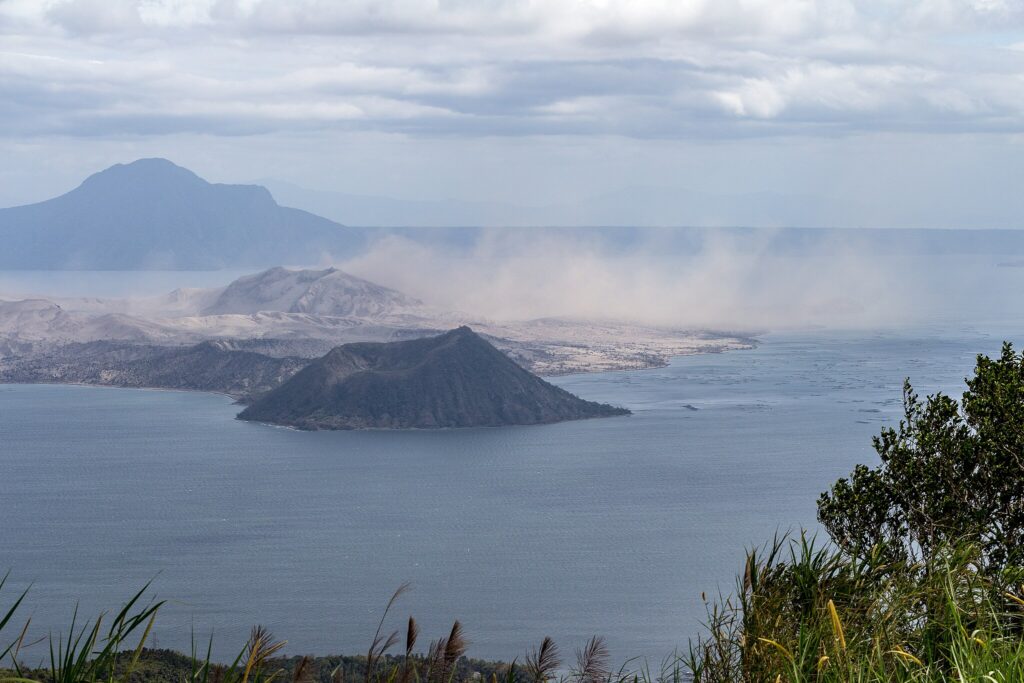
Experts stress that Taal is a complex volcanic system, with its crater sitting inside a lake that acts as both a buffer and a trigger. When magma rises, it can heat the lake water and cause violent steam explosions with little warning. Even a few minutes of tremor buildup can turn into a full eruption.
Because of this, PHIVOLCS maintains round-the-clock monitoring using seismographs, cameras, and gas sensors stationed around the caldera. Every flicker of seismic energy is logged, allowing scientists to forecast risk patterns in near real-time.
8. Ash fall lightly affected crops and animal farms nearby.
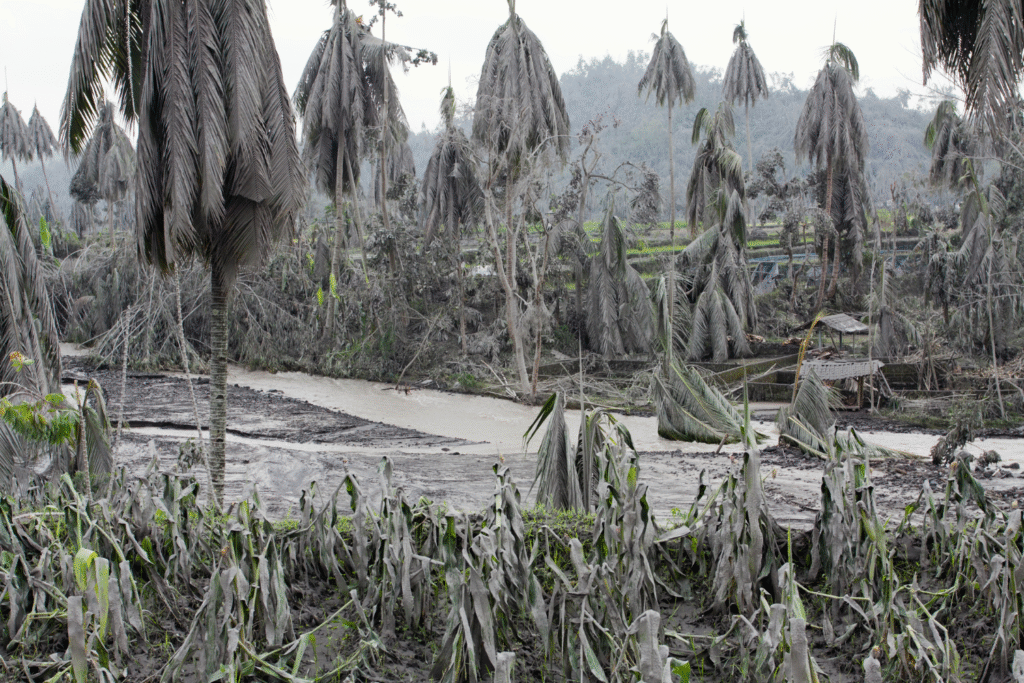
In agricultural zones around Batangas, farmers woke to see thin layers of ash on banana and coffee leaves. Livestock pens were also dusted, prompting local agriculture offices to distribute guidelines on cleaning feed and water sources. While no major damage has been reported, repeated exposure to ash can reduce crop yields or contaminate pasturelands.
Rural residents say they’ve learned to act fast—covering plants with tarps and bringing animals indoors the moment alerts rise. These quick responses have limited the eruption’s agricultural toll so far.
9. Residents recall the 2020 eruption as a warning.
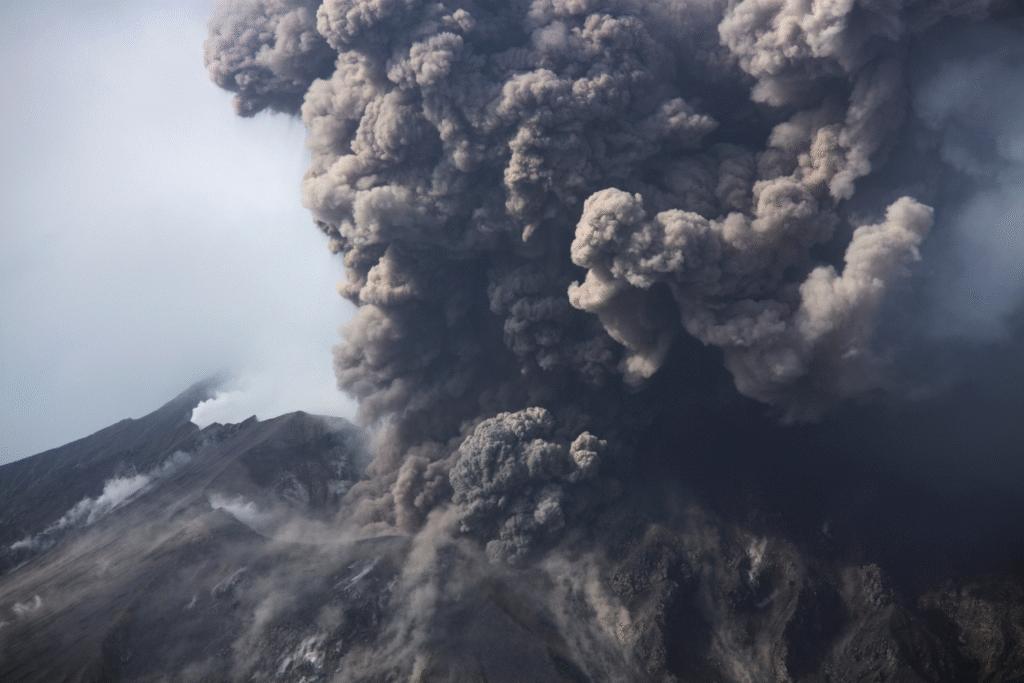
Many locals who lived through Taal’s massive 2020 eruption say the recent activity, though smaller, stirred memories of evacuation sirens and blackened skies. Back then, the volcano expelled ash more than nine miles high, grounding flights across Luzon and blanketing Metro Manila in gray. The contrast is sobering—today’s eruption was brief, but the potential remains.
That shared memory shapes how communities react now: cautiously, efficiently, and with less panic. For residents here, preparedness has become routine, not reactionary.
10. Scientists continue to study Taal’s unpredictable patterns.
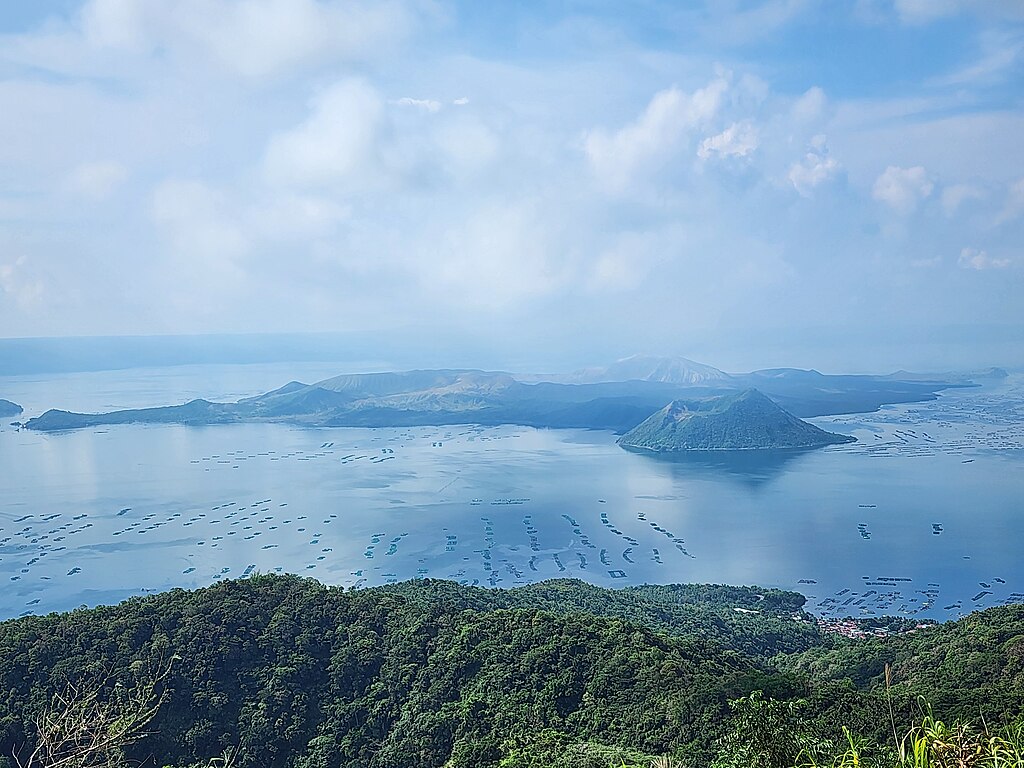
Volcanologists see Taal as one of Earth’s most intriguing laboratories—a small volcano capable of massive energy output. Every eruption offers new data about how magma interacts with water and gas under pressure. Those lessons, in turn, help improve hazard forecasting for other similar volcanoes worldwide.
For now, the focus remains on patience and observation. The steam has thinned, the skies are clearing, but beneath the tranquil lake lies a system that never truly rests. And for the millions living around it, vigilance has become a way of life.