Hidden risks often appear long after adoption.
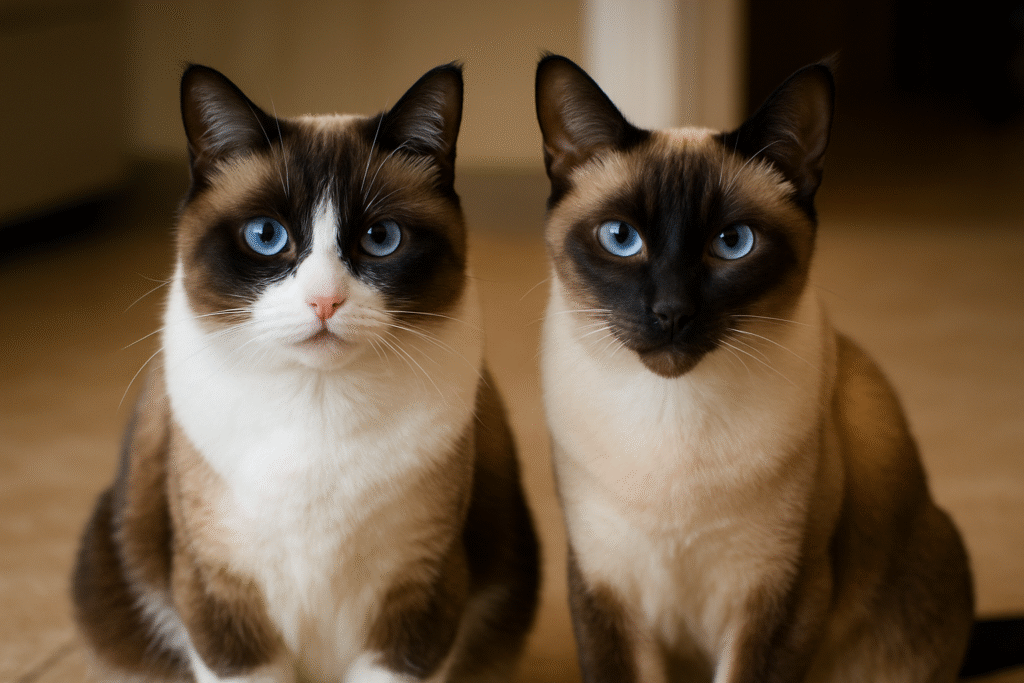
Purebred cats attract people with their striking features, gentle personalities and predictable traits. Yet behind those appealing qualities lies a layer of genetic vulnerability that many owners only learn about after health problems appear. Breeding for specific looks narrows the gene pool, increasing the odds of inherited conditions that remain invisible during kittenhood. These issues can surface slowly or suddenly, leaving families confused about what went wrong.
Veterinarians have become increasingly vocal about these concerns as new research reveals how many conditions are tied to intense selection. Some breeds carry risks linked to bone structure while others struggle with heart, kidney or immune complications. Understanding these challenges helps owners prepare, allowing them to spot early signs and support their cats before problems worsen. It also brings clarity to why responsible breeding matters more than ever.