
The future they imagine no longer includes children.

Teenagers today are coming of age inside overlapping crises that shape how they imagine adulthood. Climate instability, rising costs, and uncertain job prospects collide with expectations that once framed parenthood as inevitable. Surveys now show a growing share of teens quietly rejecting that path, not out of rebellion, but calculation. The shift is global, uneven, and deeply generational. Adults often dismiss it as temporary. Teens insist it feels permanent, shaped by forces that make the future itself feel fragile.
1. Climate anxiety reshapes how teens imagine long term futures.

For many teenagers, the idea of raising children collides with fears about environmental collapse. Wildfires, floods, and record heat feel personal rather than abstract. The future no longer looks stable enough to promise safety.
Climate stress increasingly influences how teens assess responsibility. The prospect of protecting a child from worsening conditions feels overwhelming. Parenthood becomes framed as risk rather than hope. Fear alters how long term decisions are evaluated before adulthood even begins.
2. Economic insecurity makes parenthood feel financially unreachable.

Teenagers watch adults struggle with rent, debt, and healthcare costs. The math of raising a child appears impossible long before they enter the workforce. Financial fear replaces anticipation.
Rising living expenses outpace wage expectations across many regions. Teens internalize the idea that stability may never arrive. Parenthood becomes associated with permanent financial exposure rather than security. Avoidance feels like self protection.
3. Housing instability undermines confidence in family planning.

Secure housing once anchored family life. For many teens, ownership feels distant or unattainable. Renting indefinitely reshapes expectations.
Without confidence in stable shelter, children feel unrealistic. Crowded cities and volatile housing markets make permanence seem risky. Parenthood requires space and predictability. Housing uncertainty erodes both.
4. Education pathways delay adulthood milestones indefinitely.

School increasingly stretches into early adulthood and beyond. Teens expect prolonged education before financial independence. Life feels paused.
Extended timelines push traditional milestones further away. Parenthood shifts into a distant future, then quietly disappears. When adulthood feels perpetually delayed, children no longer fit imagined life plans.
5. Career volatility replaces predictable life trajectories.

Teens observe industries change rapidly, watching once stable careers dissolve without warning. Job security feels temporary rather than earned, something granted by algorithms, contracts, or quarterly decisions instead of loyalty or skill. Long term planning becomes fragile when the future keeps shifting its terms.
Gig work, automation, and mass layoffs shape expectations early. Without predictable income, healthcare, or benefits, raising children feels reckless rather than aspirational. Flexibility becomes survival. Permanence feels like liability. Stability, once a goal, now looks like an illusion that collapses the moment conditions change.
6. Mental health pressures drain emotional capacity for caregiving.
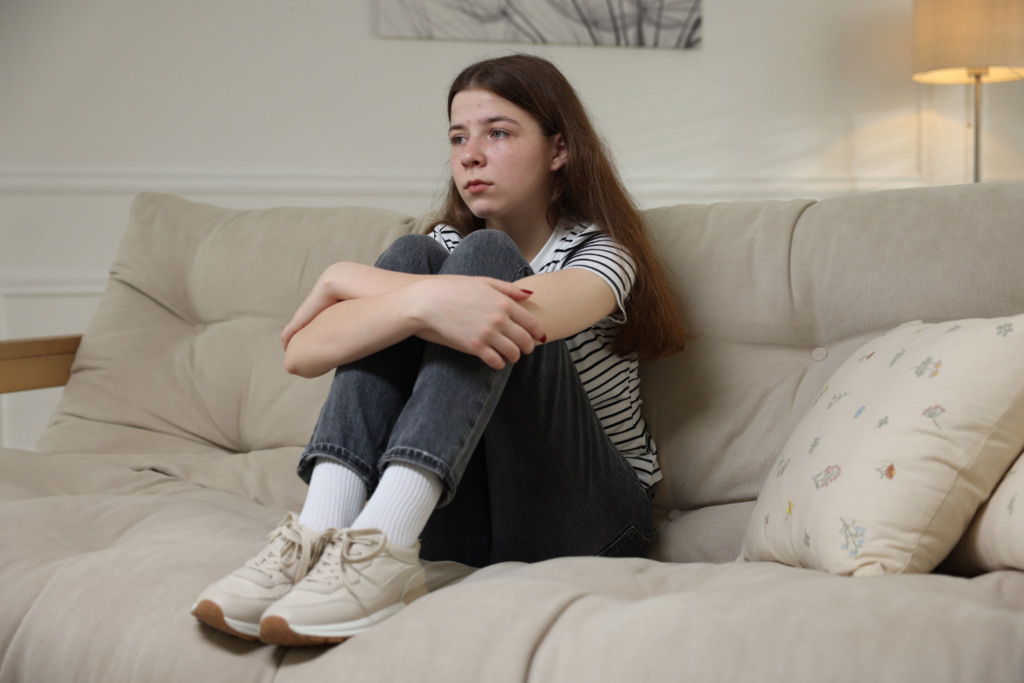
Anxiety and depression rates among teens remain high, shaping how they imagine adulthood. Emotional bandwidth already feels limited, stretched thin by constant pressure, comparison, and uncertainty.
Managing personal wellbeing now consumes energy once assumed abundant. Therapy, coping strategies, and recovery are treated as ongoing work rather than temporary phases. Adding responsibility for another life feels overwhelming. Parenthood becomes associated with burnout rather than fulfillment. Emotional self preservation takes priority, not out of selfishness, but survival.
7. Social expectations around family have weakened dramatically.

Marriage and children no longer define adulthood in a universal way. Other paths feel visible, attainable, and socially accepted rather than fringe or temporary.
Teens see fulfilled adults building meaning through careers, friendships, travel, creativity, or community without families. Cultural permission to opt out has expanded quietly but powerfully. Without stigma or social penalty, parenthood loses urgency. Choice replaces obligation. Adulthood becomes something shaped deliberately, not checked off through milestones inherited from earlier generations.
8. Global instability makes long term planning feel naive.

Pandemics, wars, and political upheaval dominate formative years, reshaping how stability is understood. What once felt like a baseline now feels provisional, granted briefly before the next disruption arrives.
Teens grow up expecting interruption rather than continuity. Planning decades ahead feels unrealistic when recent history keeps resetting the timeline. Parenthood requires faith in long term stability, systems that hold, futures that extend forward. That faith becomes harder to sustain when uncertainty is not an exception, but the defining feature of the world they inherited.
9. Environmental responsibility reframes reproduction as ethical choice.
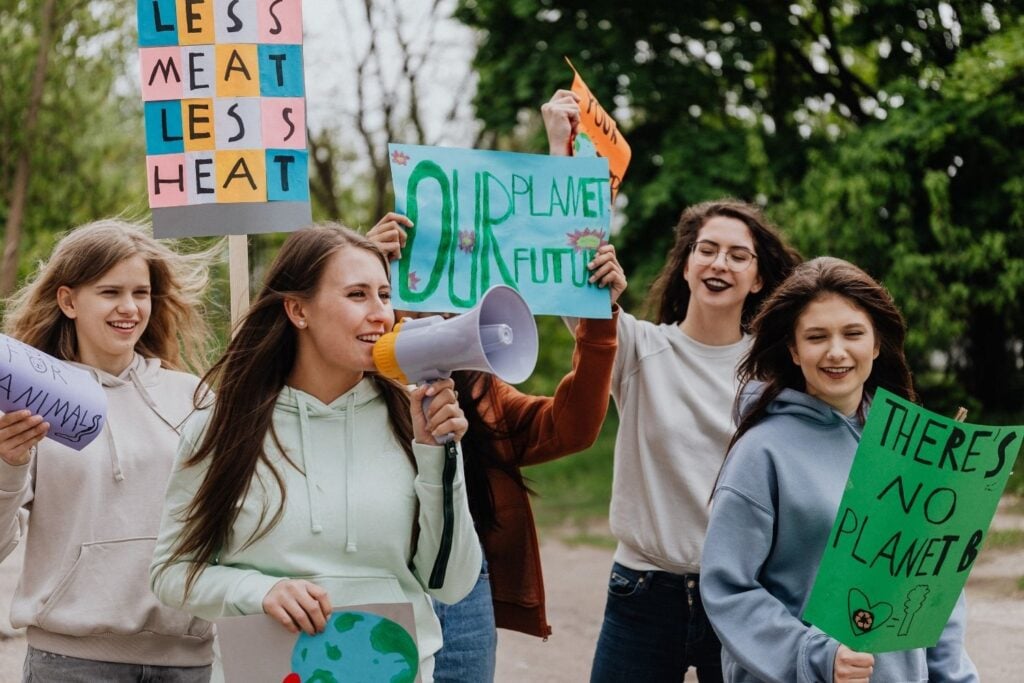
Some teens frame having fewer children as a form of climate action, a personal contribution to limiting future strain. Sacrifice is not abstract, it feels immediate and necessary.
Narratives around population, consumption, and resource limits shape how responsibility is defined. Parenthood becomes a moral dilemma rather than a default aspiration. Desire itself is filtered through ethics, guilt, and long term consequence. Choosing not to have children is no longer seen as absence, but as intention shaped by concern for a planet already under pressure.
10. Adulthood no longer promises a better quality of life.

Older generations expected progress as a given, a steady climb toward better lives. Teens often see stagnation or decline instead, watching systems strain without clear repair. The reward structure feels broken.
When adulthood appears harder than adolescence, motivation recalibrates. Effort no longer guarantees advancement or security. Parenthood depends on optimism, a belief that tomorrow improves on today. Without confidence in that arc, teens redefine success around autonomy, wellbeing, and stability rather than traditional family models passed down without the same assurances.