
Scientists warn NEP24A could trigger ecosystem collapses like those that devastated marine life a decade ago.
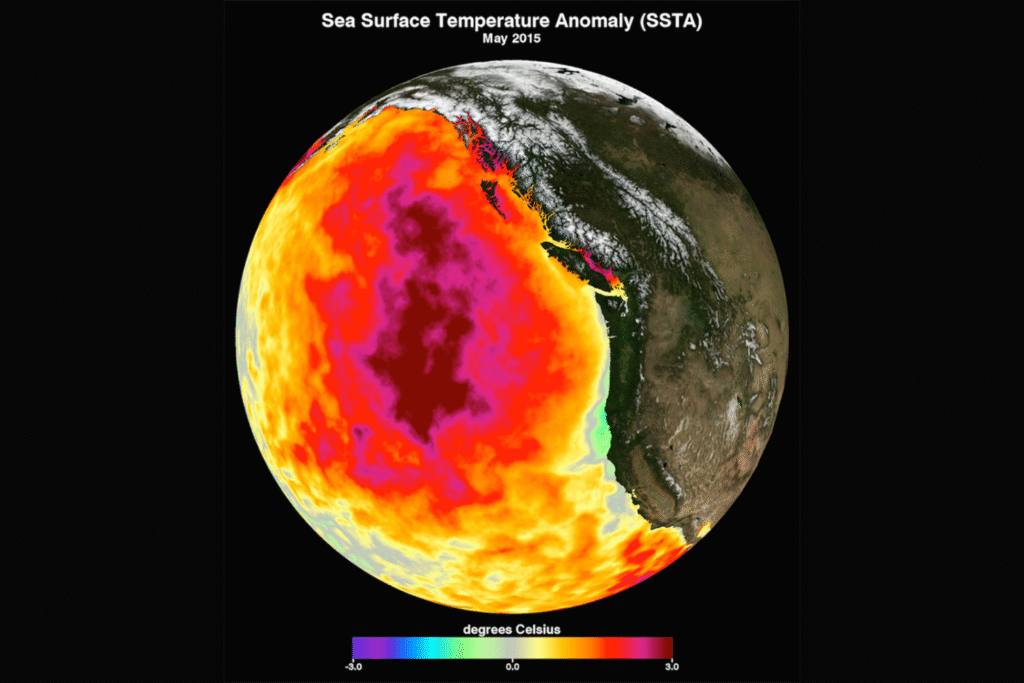
Ocean temperatures off the West Coast are climbing to dangerous levels again, creating a massive warm water patch that scientists are tracking with growing concern. This new marine heat wave, designated NEP24A, reached its peak size of 5.5 million square kilometers in October 2024 and bears an unsettling resemblance to the early stages of “the Blob” that wreaked havoc from 2014 to 2016.
The timing couldn’t be worse for marine ecosystems still recovering from previous heat waves. NOAA researchers report that large marine heat waves have occurred each of the last six years, with five ranking among the largest on record since satellite monitoring began in 1982. What makes this latest event particularly troubling is its persistence and the vulnerable state of West Coast marine life heading into what could become another devastating warming period.
1. Water temperatures soar up to seven degrees above normal across massive Pacific regions.
NEP24A began forming in April 2024 and quickly expanded into the second-largest marine heat wave by area in the northern Pacific Ocean over the past four decades. According to NOAA Fisheries, the warm expanse now stretches roughly from Alaska south to California, with temperatures reaching levels that mirror the early stages of the infamous Blob. Research scientist Andrew Leising warns that this new heat wave appears to be “on a trajectory to be as strong as the prior event.”
The physics driving this warming event follow a familiar and troubling pattern. High pressure systems have created a ridge stretching north to the Bering Sea, dampening the winds that normally mix and cool the ocean’s surface waters. These same atmospheric conditions fueled the original Blob, which peaked with temperatures close to seven degrees Fahrenheit above average and fundamentally altered marine food webs across thousands of miles of coastline.
2. Salmon face starvation as warm waters devastate their primary food sources.

The original Blob created a marine food web catastrophe that scientists are desperately hoping to avoid repeating. During the 2014-2016 event, warmer ocean conditions left significantly less nutritious food available to young salmon entering the ocean from rivers. The heat disrupted the normal upwelling patterns that bring nutrient-rich cold water to the surface, starving the tiny organisms that form the base of the marine food chain. Poor feeding conditions led to massive salmon die-offs and severely depressed returns that affected both commercial fisheries and tribal communities, as reported by NOAA’s Southwest Fisheries Science Center.
Biologists monitoring the current heat wave say its large size means it has probably already begun affecting marine ecosystems. Young salmon entering the ocean during warm water periods face a double threat—less food available and what food exists lacks the rich fatty lipids these fish need to survive their ocean phase. The cascading effects ripple through entire coastal communities that depend on healthy salmon runs for both economic and cultural survival.
3. Toxic algae blooms explode in warm waters, poisoning marine mammals and shutting down fisheries.

Marine heat waves create perfect conditions for massive harmful algal blooms that produce deadly neurotoxins. The original Blob triggered the largest toxic algae outbreak ever recorded on the West Coast, with the marine diatom Pseudo-nitzschia multiplying rapidly in warm temperatures and producing dangerous levels of domoic acid. This potent neurotoxin accumulates in shellfish and fish, then moves up the food chain to poison sea lions, dolphins, and other marine mammals.
Current monitoring already shows concerning signs of algal activity along the California coast. According to the Center for Climate Change Impacts and Adaptation, the 2014-2016 marine heat wave caused an unprecedented harmful algal bloom that closed the entire Dungeness crab fishery for an entire season, costing coastal communities tens of millions of dollars. The same warm, nutrient-poor conditions that starve larger marine animals provide ideal growing conditions for these toxic algae species.
4. Kelp forests face complete collapse as warming waters stress foundation species.
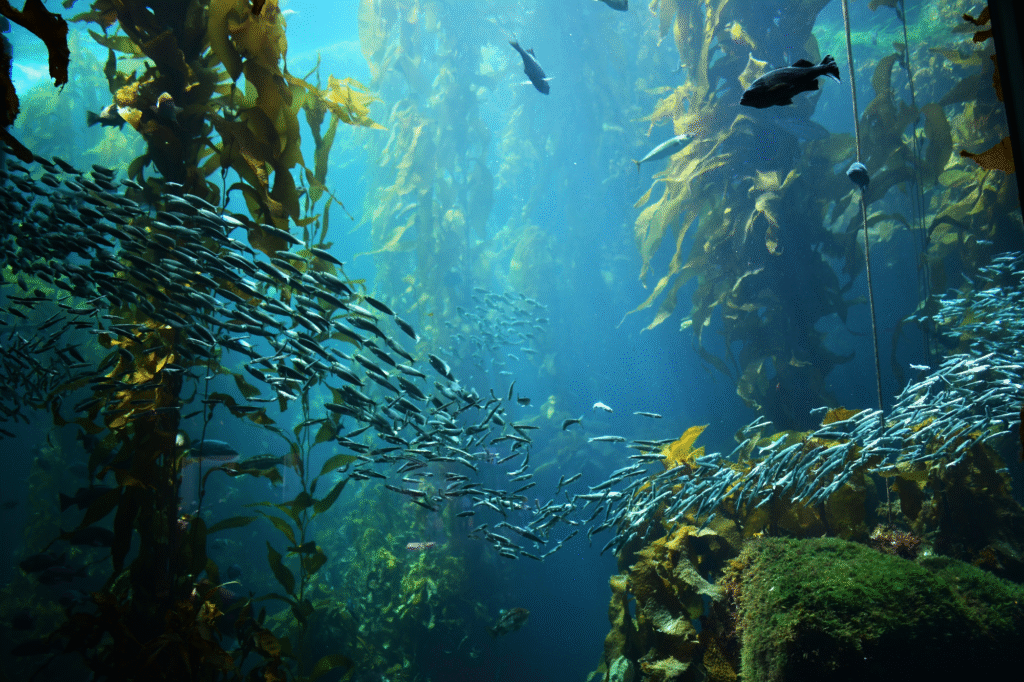
The underwater forests that support countless marine species are among the most vulnerable ecosystems during marine heat waves. California’s iconic kelp forests suffered catastrophic losses during the original Blob, with bull kelp canopy reduced by more than 90% along 350 kilometers of northern California coastline. These towering seaweed forests serve as nursery habitat for fish, feeding grounds for sea otters, and crucial carbon storage systems.
When kelp forests die, they create a domino effect throughout the ecosystem. Sea urchin populations explode without their natural predators, creating barren underwater landscapes where almost nothing can survive. The kelp forest collapse during the last marine heat wave triggered mass abalone mortality, forcing closure of the recreational abalone fishery worth an estimated $44 million and collapsing the north coast commercial red sea urchin fishery worth $3 million.
5. Marine mammals starve as mothers abandon pups to search for scarce food.
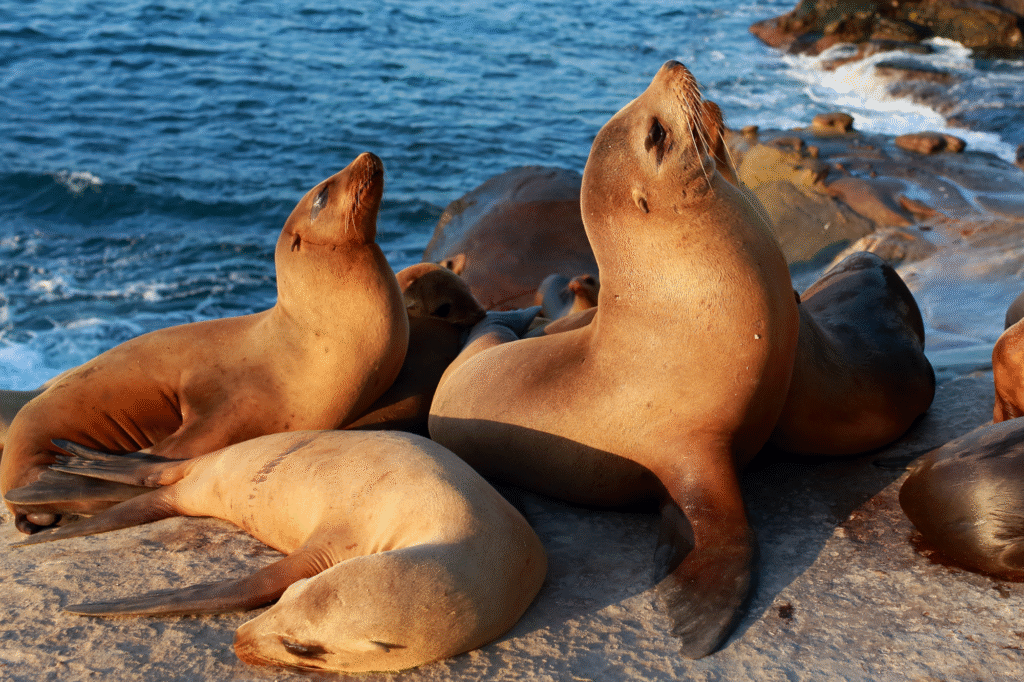
The breakdown of ocean food webs forces marine mammals into desperate survival mode that often ends tragically. During the original Blob, thousands of young California sea lions stranded on beaches as their mothers left them for longer periods while hunting increasingly scarce food. Emaciated sea lion pups became a heartbreaking symbol of ecosystem collapse as rescue centers were overwhelmed with starving animals.
Adult marine mammals also suffered severe impacts during the 2014-2016 heat wave. In the Gulf of Alaska, researchers documented the mortality of 30 large whales during an unusual mortality event, with the marine heat wave suspected of playing a role in these deaths. Seabirds faced similar challenges, with massive die-offs of common murres that recent research estimates killed 4 million birds—possibly the largest wildlife mortality event recorded in modern times.
6. Commercial fisheries struggle as fish populations crash.

The economic devastation from marine heat waves extends far beyond individual species to entire fishing industries. Pacific cod catches nosedived during the Blob as fishermen pulled up unusually skinny adult fish and few younger fish at all. The disruption of normal ocean circulation patterns moved fish populations to unexpected areas, leaving traditional fishing grounds nearly barren while concentrating species in regions where they couldn’t be legally or practically harvested.
Fishing communities face cascading economic losses when multiple species are affected simultaneously. Crab fishermen lost entire seasons due to toxic algae contamination, while salmon fishermen watched their target species disappear from traditional fishing areas. The combination of fishery closures, disaster declarations, and long-term stock collapses creates economic hardship that can take decades to recover from, particularly in small coastal communities where fishing provides the primary source of income.
7. Coastal communities brace for another round of beach closures.
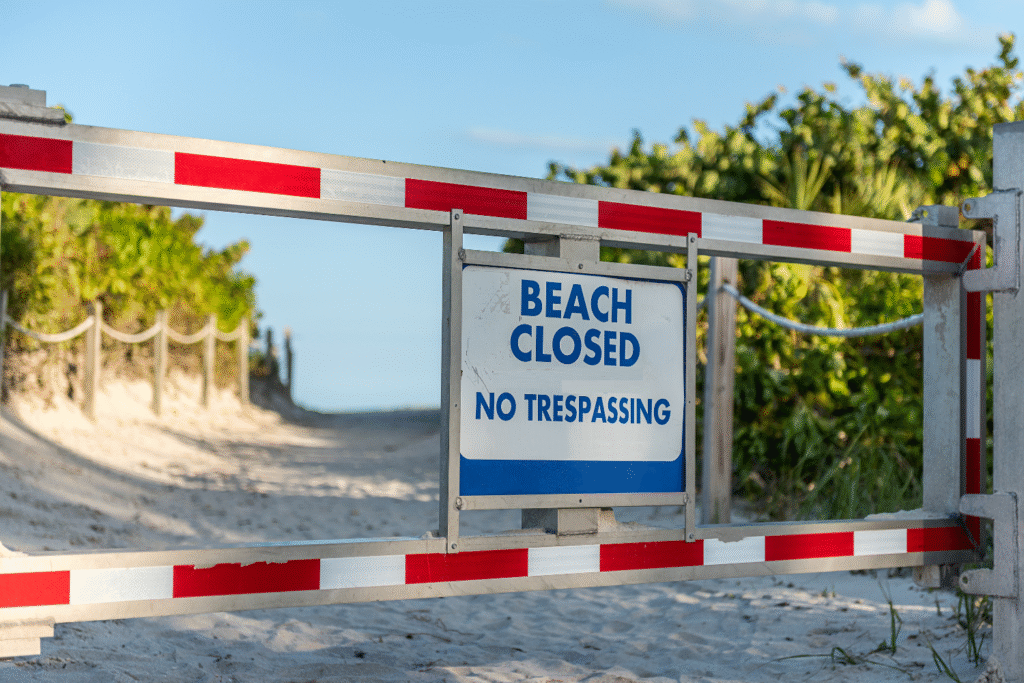
The public health implications of marine heat waves extend beyond contaminated seafood to direct risks for beachgoers and their pets. Toxic algae blooms produce airborne toxins that can trigger asthma attacks and other respiratory problems when waves crash and release contaminated spray. Health officials routinely issue warnings during major bloom events, advising people to avoid contact with discolored water and to keep pets away from affected beaches.
Marine mammals affected by domoic acid poisoning can exhibit unpredictable and aggressive behavior, creating additional safety concerns for coastal residents and visitors. Recent incidents in Southern California have involved sea lions approaching humans in ways that suggest neurological impacts from toxin exposure. Beach communities must prepare for potential closures of popular recreation areas and the economic losses that accompany reduced tourism during peak seasons.
8. Millions of common murres starved to death as the food web collapsed.

The most shocking visible impact of the original Blob was the unprecedented seabird die-off that left beaches littered with carcasses from California to Alaska. Scientists initially counted 62,000 dead common murres washed ashore during 2015-2016, but recent research reveals the true death toll reached a staggering 4 million birds—half of Alaska’s entire pre-heat wave population. This represents the largest documented wildlife mortality event in modern history, dwarfing all previous recorded animal die-offs.
Common murres, penguin-like seabirds that must consume half their body weight daily, found themselves trapped in what scientists called an “ecothermic vise.” The warm waters starved the plankton that feed small fish, eliminating the murres’ primary food source just when they needed it most. On a single day in January 2016, over 6,500 murre carcasses washed onto one Alaska beach—about 8,000 bodies per mile of shoreline. Eight years later, these seabird populations still haven’t recovered, suggesting the marine ecosystem may have permanently changed.
9. Economic losses cascade through coastal communities dependent on healthy ocean ecosystems.

The Blob’s economic devastation extended far beyond individual fisheries to devastate entire coastal economies built around marine resources. The closure of the Dungeness crab fishery alone cost tens of millions of dollars, while the collapse of salmon runs affected not just commercial fishermen but also the restaurants, processing plants, and tourism operations that depend on healthy fish populations. Coastal communities from Alaska to California watched their economic foundations crumble as multiple fisheries failed simultaneously.
Tourism industries also suffered as toxic algae blooms forced beach closures and created health warnings that kept visitors away during peak seasons. Marine wildlife viewing operations, sport fishing charters, and coastal recreational businesses saw dramatic revenue drops as the marine ecosystem’s collapse became visible to the public. The ripple effects touched everyone from boat manufacturers to seafood distributors, creating economic hardship that persisted long after ocean temperatures returned to normal.
10. Climate change makes future marine heat waves more likely and more severe.
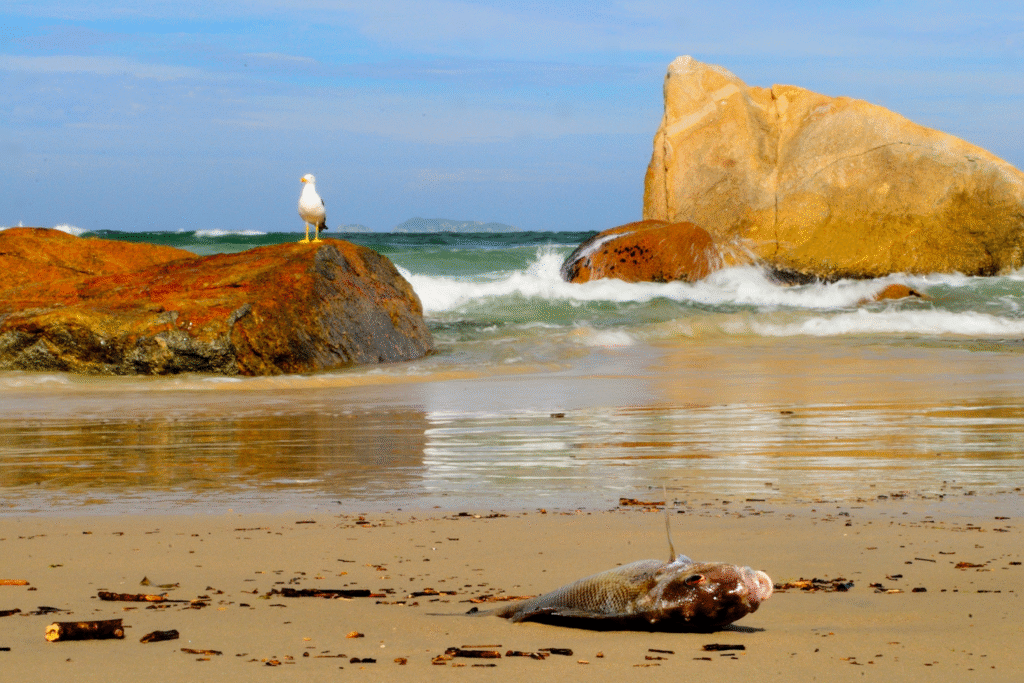
The troubling reality is that marine heat waves like NEP24A represent the new normal as global ocean temperatures continue rising. The oceans absorb much of the excess heat from climate change, creating baseline conditions that make extreme warming events more frequent and more intense. Scientists report that the world’s oceans are as warm as they have ever been since modern records began, setting the stage for increasingly severe marine heat waves.
Research shows that large marine heat waves have become an annual occurrence rather than rare events, with catastrophic implications for marine ecosystems and coastal communities. Each successive heat wave strikes ecosystems that are still recovering from previous impacts, preventing full recovery and pushing vulnerable species closer to local extinctions. The pattern suggests that without dramatic reductions in greenhouse gas emissions, the Pacific Ocean’s marine ecosystems face a future of repeated catastrophic warming events that could fundamentally alter the character of West Coast waters.