
This traveling stunt show of rescued animals is changing how thousands see shelter pets.
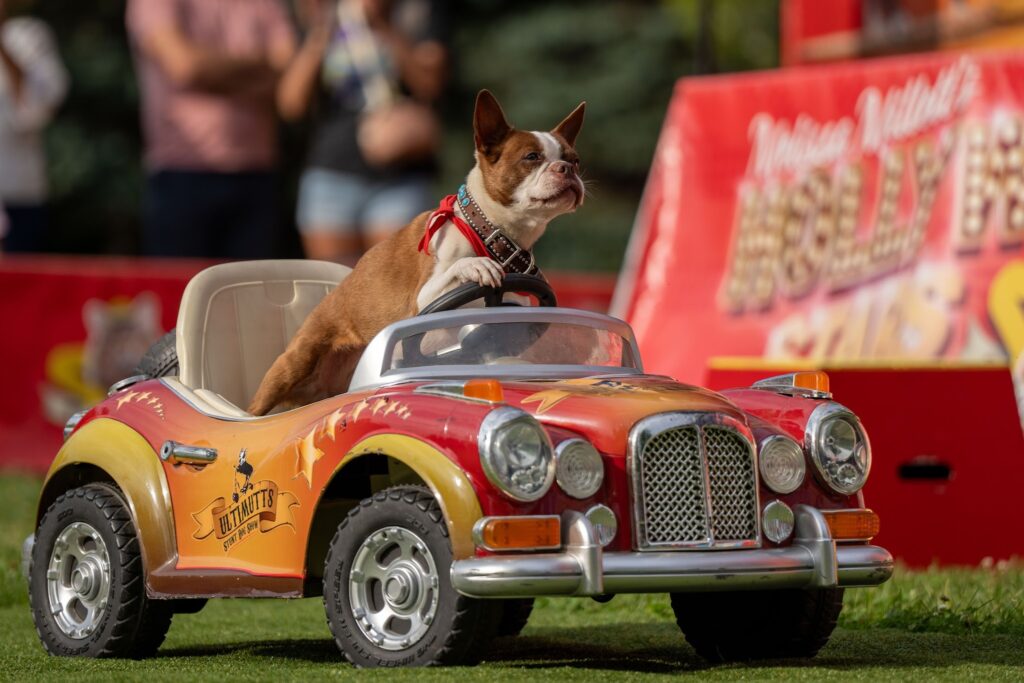
Picture a deaf dog riding a scooter alongside a cat who once walked down streets as a stray. These are the Ultimutts, and they’re rewriting the story of what shelter animals can become. With their incredible performances across North America, these four-legged stars prove that rescued pets aren’t broken goods waiting for homes—they’re untapped potential waiting for the right opportunity. Their journey from unwanted to unstoppable offers compelling evidence that we’ve been thinking about shelter animals all wrong.
1. Most shelter performers started life as nobody’s first choice.
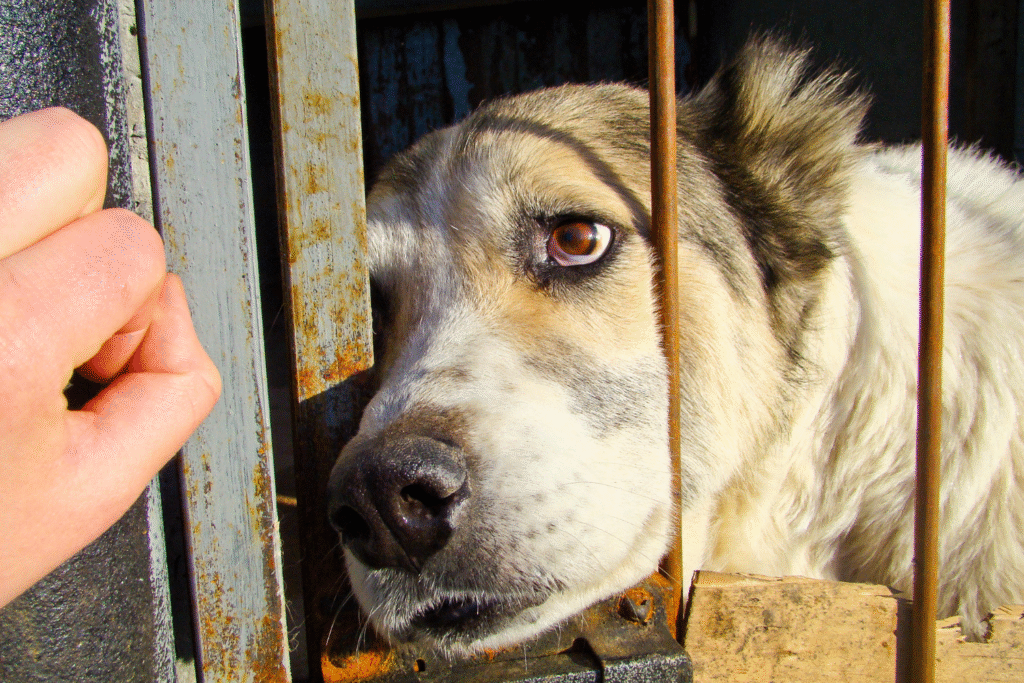
The Ultimutts roster reads like a casting call for the overlooked. According to their official website, “Most of our 4-legged stars were rescued as unwanted pets, five of the stars are disabled superstars” who now live pampered lives in their trainers’ homes. Jellybean, dubbed the “Brad Pitt of dogs” by People magazine, came from Deaf Dog Rescue of America after being born deaf. Tonic was found wandering streets before landing his starring role in the Pet Sematary remake that grossed over $113 million worldwide.
These animals weren’t special breeds from prestigious bloodlines. They were the dogs and cats that people passed by, returned, or gave up on. Yet their transformation into world-record holders and celebrity performers demonstrates something remarkable about potential hiding in plain sight. Their success stories challenge every assumption about what makes an animal “adoptable” in the first place.
2. Research confirms that basic training dramatically improves adoption chances.

Studies consistently show that even simple training interventions can make shelter animals irresistible to potential families. Trained dogs were 1.4 times more often adopted than untrained animals, as reported by BMC Veterinary Research in a comprehensive shelter study. The researchers found that teaching basic behaviors like sitting on command, walking on a leash, and not jumping on people significantly increased adoption rates.
What makes this finding particularly striking is the minimal investment required. Dogs received just one training session daily focusing on fundamental manners, yet this small intervention created measurable differences in their appeal to adopters. According to a study published in ScienceDirect, “some studies have even shown that a dog’s obedience is a more important feature in the evaluation by potential owners than the dog’s physical appearance”. This suggests that behavior, not breeding, determines desirability.
3. Mental stimulation transforms anxious shelter animals into confident performers.

Working with rescued animals reveals something profound about the therapeutic power of having a job. The Ultimutts are “trained exclusively with positive reinforcement and love the mental stimulation of having a job” according to their trainers. This approach mirrors findings in shelter research where mental engagement proves more valuable than physical care alone.
Shelter environments often create stress responses that mask an animal’s true personality and potential. When these same animals receive consistent training and mental challenges, their authentic selves emerge. The transformation isn’t just behavioral—it’s psychological. Animals who once cowered in kennels discover confidence through mastering new skills. This phenomenon explains why the Ultimutts can perform complex routines requiring trust, focus, and partnership with their human trainers.
4. Disability becomes superpower with proper support and training.

Five of the Ultimutts stars live with disabilities, yet they’ve achieved more recognition than most able-bodied performing animals. Jellybean’s deafness hasn’t prevented him from earning two Guinness World Records and reaching the semifinals of the World’s Most Amazing Dog contest judged by Lisa Vanderpump and George Lucas. His success in major productions for Netflix, Paramount+, and national commercials proves that perceived limitations often disappear with creative adaptation.
Skittles arrived at the veterinarian for euthanasia at nine weeks old due to suspected Spina Bifida. Instead of accepting this verdict, her trainers fostered her and discovered that with patience and specialized care, she began walking and eventually running. Her story exemplifies how disabilities that seem insurmountable often respond to dedicated rehabilitation and love. These animals become inspirational ambassadors, showing audiences that different doesn’t mean defective.
5. Star power changes public perception faster than statistics ever could.
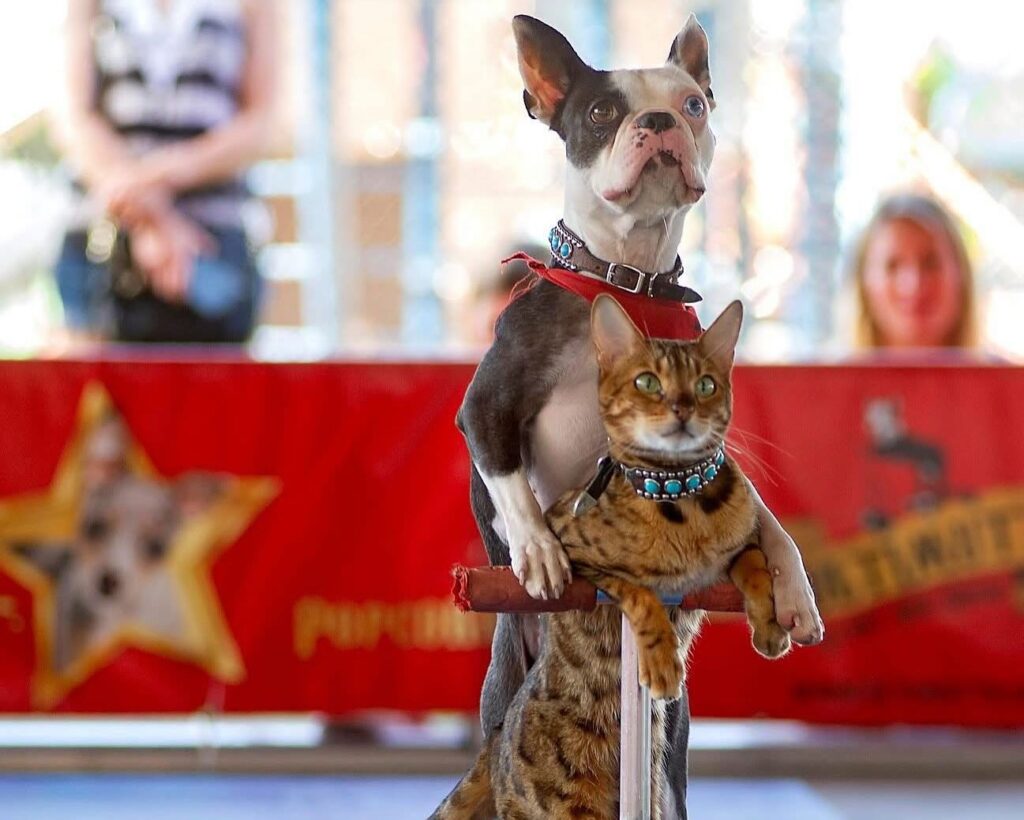
When Lollipop the dog and Sashimi the cat received four “yes” votes from America’s Got Talent judges, they accomplished something that years of adoption campaigns couldn’t match. Their television appearances, Guinness World Records, and celebrity status create emotional connections that transform how viewers see shelter animals. Audiences witness former strays displaying intelligence, athleticism, and charisma that rivals any purpose-bred performer.
This celebrity effect creates a halo impact extending far beyond the individual animals. Families watching these performances begin questioning their assumptions about shelter pets. The emotional impact of seeing a once-abandoned cat perform complex tricks on international television resonates more powerfully than adoption statistics or heartbreaking commercials. Success stories become aspirational rather than charitable, shifting the narrative from “rescue a poor animal” to “discover an amazing companion.”
6. Training programs prove that shelter animals aren’t damaged goods requiring fixing.
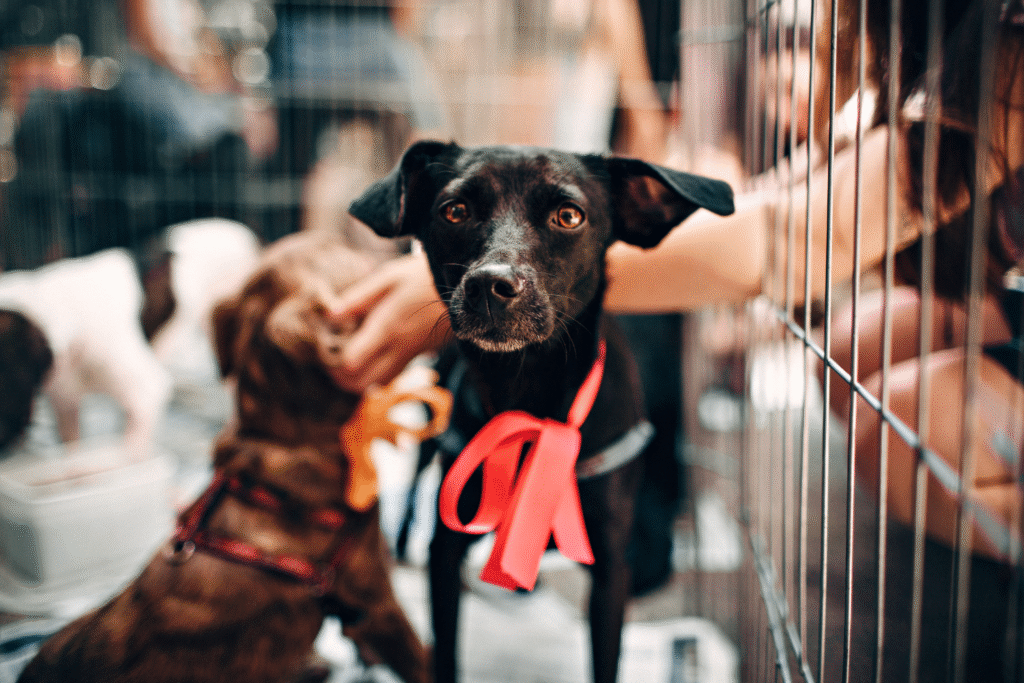
The Ultimutts challenge the fundamental misconception that shelter animals arrive broken. These performers weren’t “rehabilitated” from trauma—they were given opportunities to showcase abilities that already existed. Their trainers discovered talents hiding beneath surface behaviors that might have led to euthanasia in different circumstances. This perspective shift has profound implications for how shelters approach animal care and presentation.
Many shelter animals display behaviors that humans interpret as problems when they’re actually signs of intelligence, energy, or sensitivity. A dog who escapes kennels might be demonstrating problem-solving skills. An animal who seems aloof could be processing overwhelming sensory input. The Ultimutts prove that with proper understanding and training approaches, these same traits become performance assets. This reframing helps potential adopters see challenging behaviors as features rather than bugs.
7. Success stories inspire confidence in hesitant adopters.
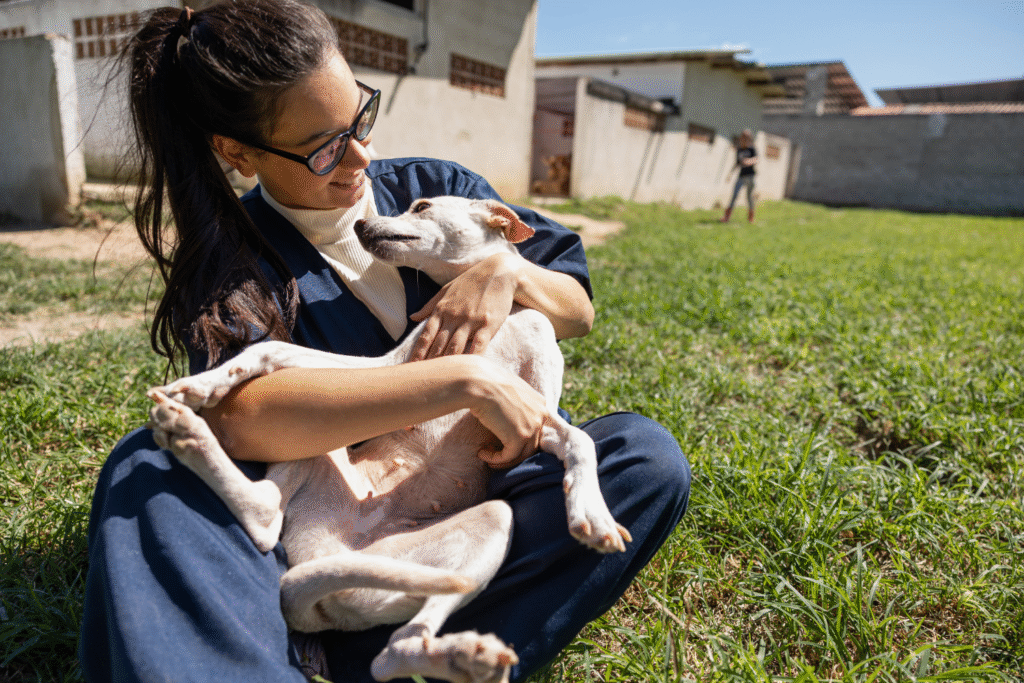
Potential pet owners often hesitate to adopt because they’re uncertain about an animal’s background, temperament, or hidden issues. The Ultimutts provide compelling counter-evidence to these fears by demonstrating the remarkable potential within shelter animals. Their achievements in film, television, and live performance prove that rescued animals can excel in demanding, high-pressure situations requiring reliability and skill.
These visible success stories address adopter concerns more effectively than shelter assurances or behavioral assessments. When families see former shelter animals performing stunts, earning world records, and thriving in celebrity careers, it becomes harder to maintain stereotypes about damaged or unpredictable rescue pets. The performers serve as living testimonials that shelter animals can integrate seamlessly into families and exceed expectations. Their fame creates a positive feedback loop, encouraging more people to consider adoption while inspiring shelters to invest in training programs that reveal each animal’s unique potential.