
Biology may not end where we thought.

For centuries, life and death were treated as a clean boundary. A heartbeat stopped, cells failed, and biology ended. Recent research is unsettling that certainty. Across medical labs, trauma units, and cellular studies, scientists are observing organized biological activity continuing well after death should have occurred. Cells communicate, repair, and reorganize in ways that do not fit traditional definitions. The evidence suggests a liminal biological condition, not alive in the classic sense, yet not fully gone either.
1. Cells remain active long after organismal death.
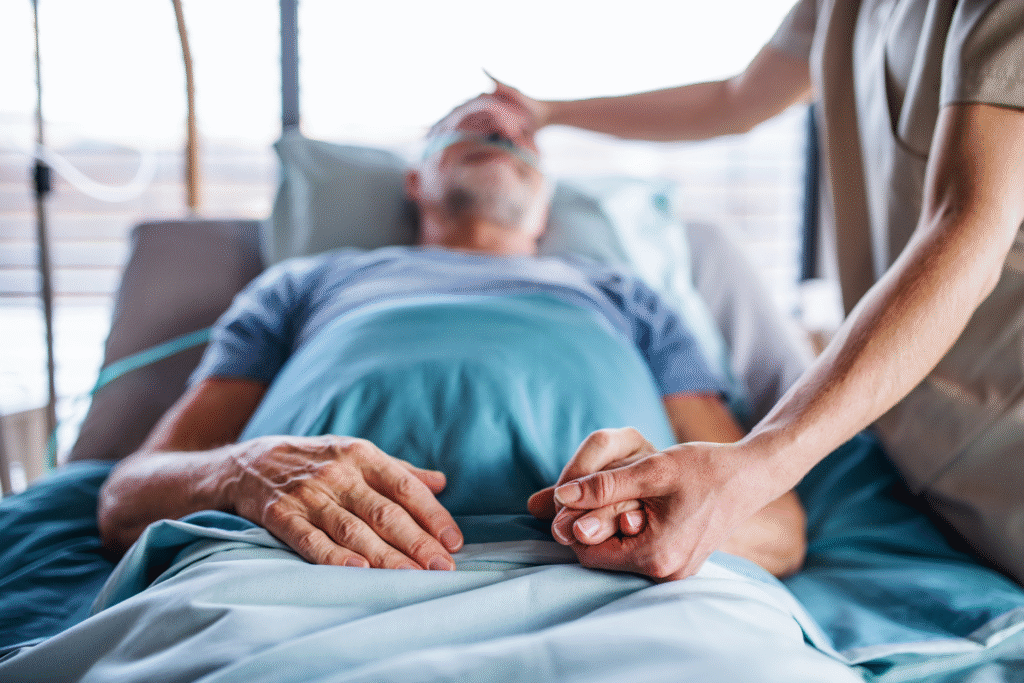
In controlled laboratory settings, researchers have observed human and animal cells continuing organized activity hours and even days after death. Gene expression does not halt immediately when circulation stops. Instead, certain genes associated with stress response, inflammation, and repair switch on, as if cells recognize crisis rather than finality. This activity is structured, following recognizable biological pathways rather than chaotic breakdown.
What makes this striking is the coordination. According to Nature, postmortem gene activation follows consistent patterns across tissues, suggesting regulation rather than random decay. Cells behave as though they have entered an emergency mode, conserving resources and responding to damage. This challenges the long held assumption that cellular life is inseparable from the living organism, pointing instead to a transitional biological state with its own rules.
2. Certain cells reorganize into new functional forms.
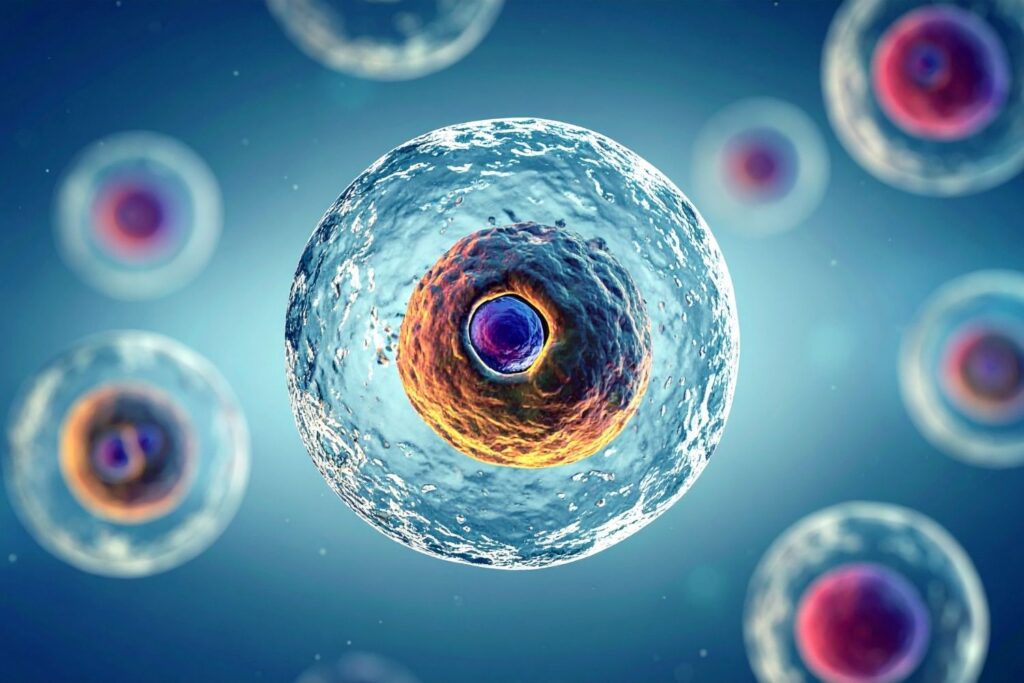
After organismal death, some cells demonstrate behaviors that look less like dying and more like adaptation. Skin cells, for example, have been shown to migrate, cluster, and form new multicellular structures when removed from postmortem tissue. These assemblies do not resemble normal organs, yet they perform basic functions such as movement and environmental response.
As reported by Science, researchers observed these cells acting without direction from a nervous system or bloodstream. Freed from their usual constraints, they reorganized in ways not seen during life. This suggests that cells retain latent capacities suppressed under normal biological hierarchy. Death, rather than ending function outright, may remove controlling signals that allow alternative forms of organization to briefly emerge.
3. Metabolism does not shut down all at once.
The chemistry of life fades unevenly. After clinical death, some metabolic pathways collapse quickly, while others persist far longer than expected. Cells can continue producing energy through oxygen independent processes, sustaining basic functions even as overall systems fail. This staggered decline undermines the idea of a single moment when metabolism ends.
As stated by the National Institutes of Health, studies of ischemic tissue reveal prolonged metabolic activity following loss of circulation. Enzymes continue to operate, waste products accumulate gradually, and cellular machinery winds down in stages. This supports the idea of an intermediate biological condition, where energy use continues in altered form rather than stopping abruptly at the moment death is declared.
4. Brain cells survive longer than expected.
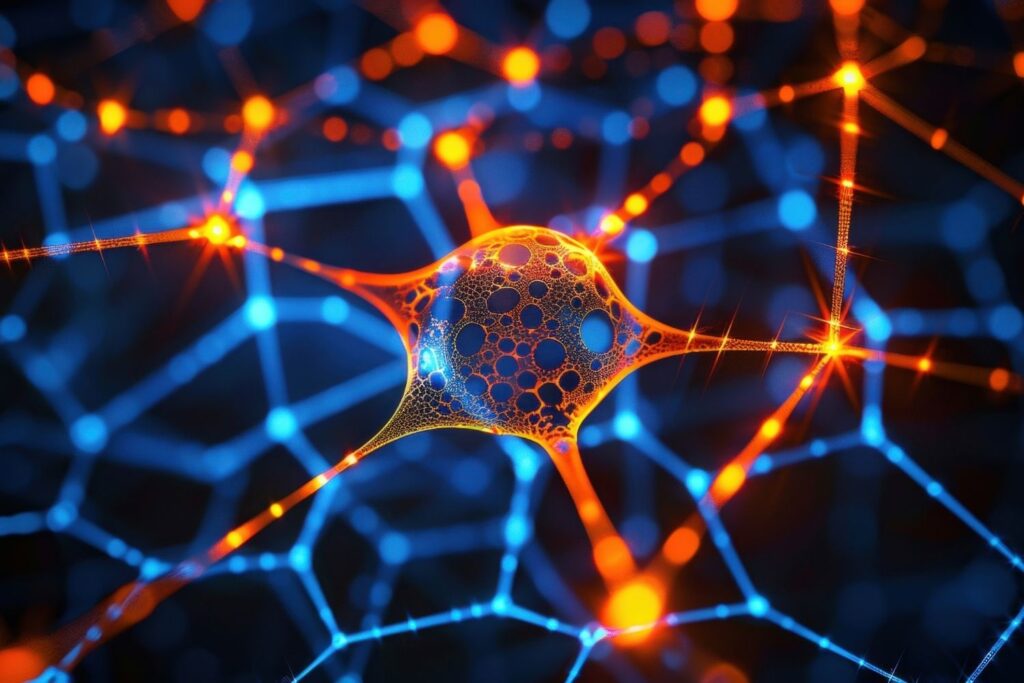
For decades, neuroscience taught that brain cells die within minutes of oxygen deprivation. New research complicates that picture. In carefully controlled conditions, neurons removed from mammalian brains hours after death have shown structural integrity and limited responsiveness to stimulation.
This does not indicate consciousness or awareness. Instead, it reveals cellular survival beyond accepted neurological timelines. The brain, often considered the most fragile organ, appears capable of lingering viability at the cellular level. These findings force a reassessment of what brain death truly means, separating loss of function from immediate cellular collapse and blurring boundaries between living tissue and dead organisms.
5. Immune responses persist in the absence of circulation.

The immune system does not disengage cleanly at death. Even without blood flow, immune cells embedded within tissues continue signaling, releasing inflammatory molecules and responding to stress. In some cases, immune activity intensifies briefly as cells react to widespread damage.
This persistence suggests immune systems are locally autonomous rather than centrally controlled. Instead of shutting down, they shift focus from infection defense to damage response. The immune network fades gradually, behaving like a distributed system losing connectivity rather than a switch being flipped. This lingering activity further supports the idea that death unfolds as a process rather than an instant.
6. Genetic repair mechanisms activate after death.
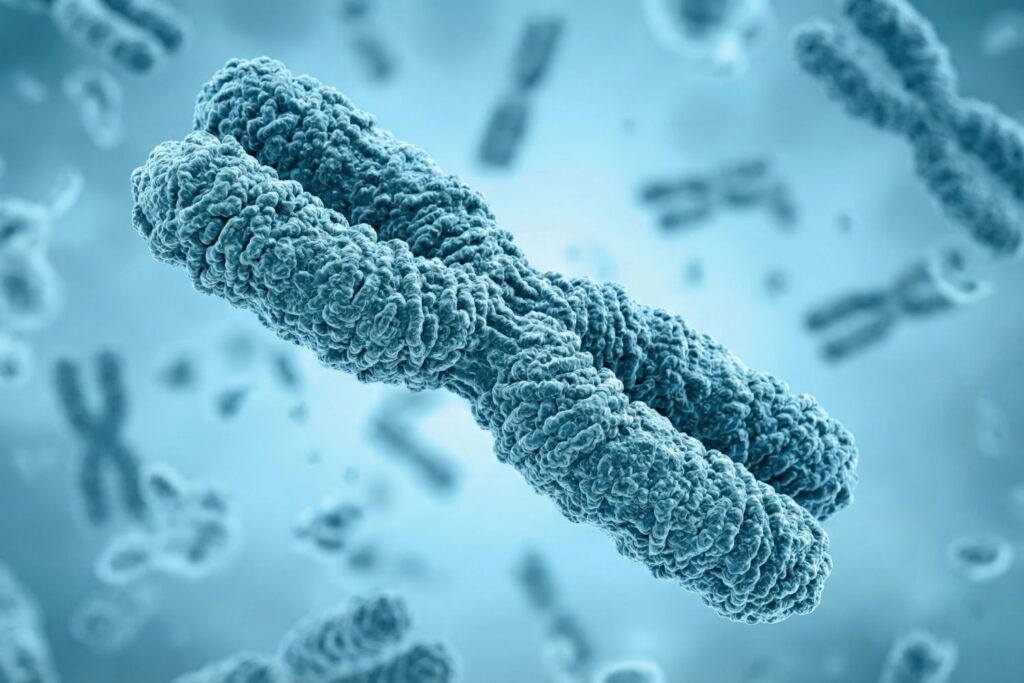
One of the most surprising discoveries involves DNA repair. In several tissues, enzymes responsible for fixing genetic damage become active after circulation stops. Oxygen deprivation causes molecular injury, and cells respond by attempting repair rather than surrendering immediately.
These efforts are often unsuccessful in the long term, but their activation matters. Cells appear to interpret death as extreme trauma rather than an endpoint. Repair attempts indicate a final effort to preserve integrity. This behavior aligns with a transitional state focused on damage control, reinforcing the idea that biological systems resist collapse even when the organism can no longer survive.
7. Cellular communication continues without a nervous system.

Even after centralized control disappears, cells continue exchanging chemical signals. This communication coordinates local behavior within tissues, allowing groups of cells to respond collectively to stress. Without hormones or neural input, signaling becomes decentralized but does not vanish.
This persistence hints at an underlying biological intelligence distributed across cells rather than confined to brains. Coordination continues briefly through molecular conversation. Such signaling challenges assumptions about hierarchy in living systems and suggests that organization can emerge from the bottom up, even after the organismal level has failed.
8. Medical death definitions lag behind biological reality.
Medicine relies on clear criteria to define death, often based on heart function or brain activity. Biology, however, does not follow those legal boundaries. Cellular survival persists beyond clinical death declarations, creating a gap between diagnosis and biological reality.
This gap carries ethical implications. Organ donation timing, resuscitation limits, and end of life decisions all rely on assumptions about when life truly ends. As science uncovers prolonged cellular activity, those assumptions grow less certain. Death becomes less a moment and more a zone, challenging institutions built on precise thresholds.
9. Trauma research reveals delayed cellular collapse.
Severe injury studies show that tissues can remain partially viable long after catastrophic damage. Cells respond dynamically, activating repair pathways and stress responses instead of failing immediately. Even when survival is impossible, biological systems attempt stabilization.
This delayed collapse reframes death as a sequence rather than a point. Understanding this sequence has practical implications. Trauma medicine increasingly explores extended intervention windows, recognizing that cells may remain salvageable longer than previously believed. These findings reinforce the idea of a biological middle ground between life and irreversible decay.
10. Life and death may exist on a spectrum.
Taken together, these findings point toward a spectrum rather than a binary. Life and death appear as endpoints, with a transient biological state in between defined by altered purpose, communication, and organization. Cells neither function normally nor disintegrate immediately.
This third state is not survival in any meaningful sense, yet it is not simple decay. It represents biology under extreme constraint, reorganizing without hope of recovery. Recognizing this state reshapes how science understands mortality, resilience, and the final boundaries of living systems, replacing certainty with a more nuanced and unsettling reality.