
A hidden world emerges under the ancient chamber.
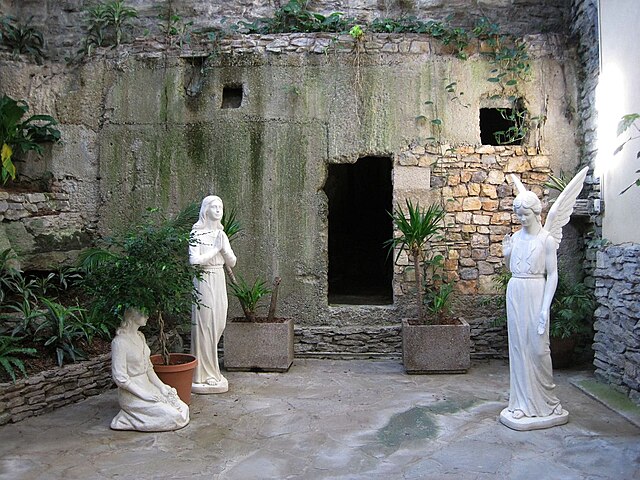
For decades the Church of the Holy Sepulchre felt like a place where every secret had already been unearthed. Then conservation crews peeled back its layers and discovered that the tomb beneath Jerusalem’s restless streets still held stories no one expected. What appeared at first to be routine stabilization work quickly turned into a race to document evidence untouched since antiquity. The deeper teams went, the stranger the silence became.
1. A long sealed marble layer revealed untouched material below.
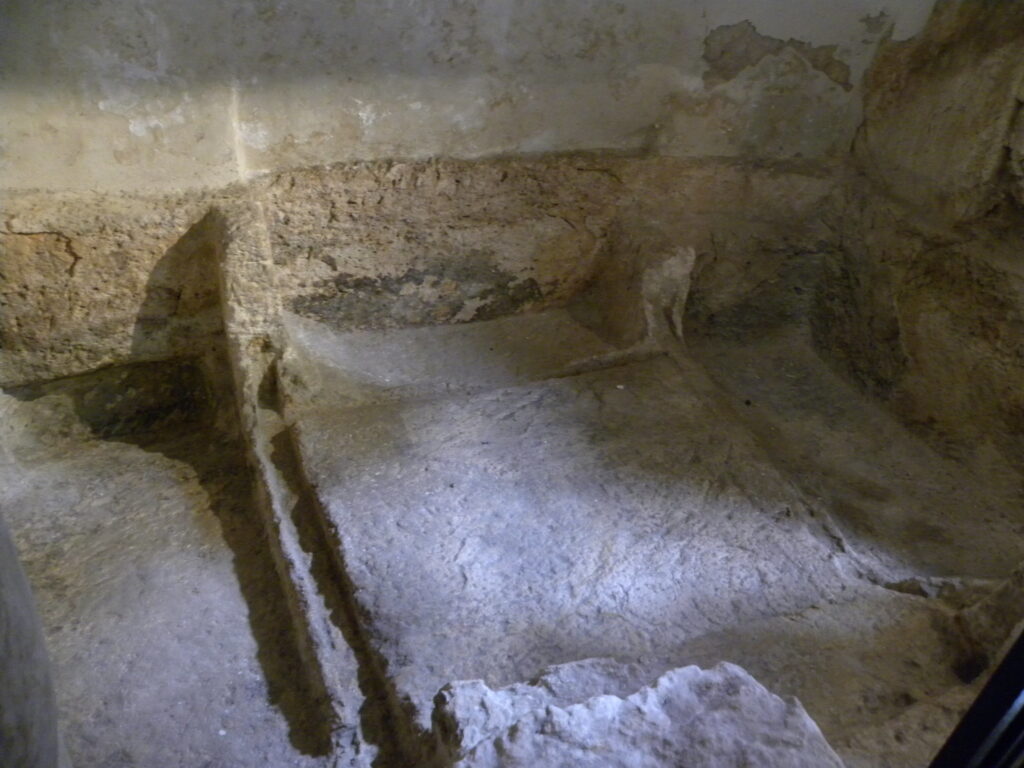
When conservators lifted the marble slab above the burial bench in 2016, they found an older layer of debris and stone fragments that had not been disturbed in centuries. The material suggested a preservation effort far earlier than scholars assumed, as reported by National Geographic. The discovery forced researchers to reconsider how the site evolved under waves of reconstruction.
The moment cracked open a window into deeper historical phases. It signaled that earlier builders protected the space far more deliberately than expected.
2. Dating tests pointed to a much earlier construction timeline.

Scientists used optical stimulated luminescence testing on the mortar surrounding the original limestone surface. The results aligned with a fourth century timeframe that matched the era of Emperor Constantine’s church, as stated by BBC News. These findings strengthened long debated narratives about when the earliest shrine was built.
Researchers realized the timeline now carried stronger scientific footing. The testing created a clearer boundary between legend and verifiable history, sharpening the archaeological context.
3. Structural voids hinted at chambers lost in later rebuilding.
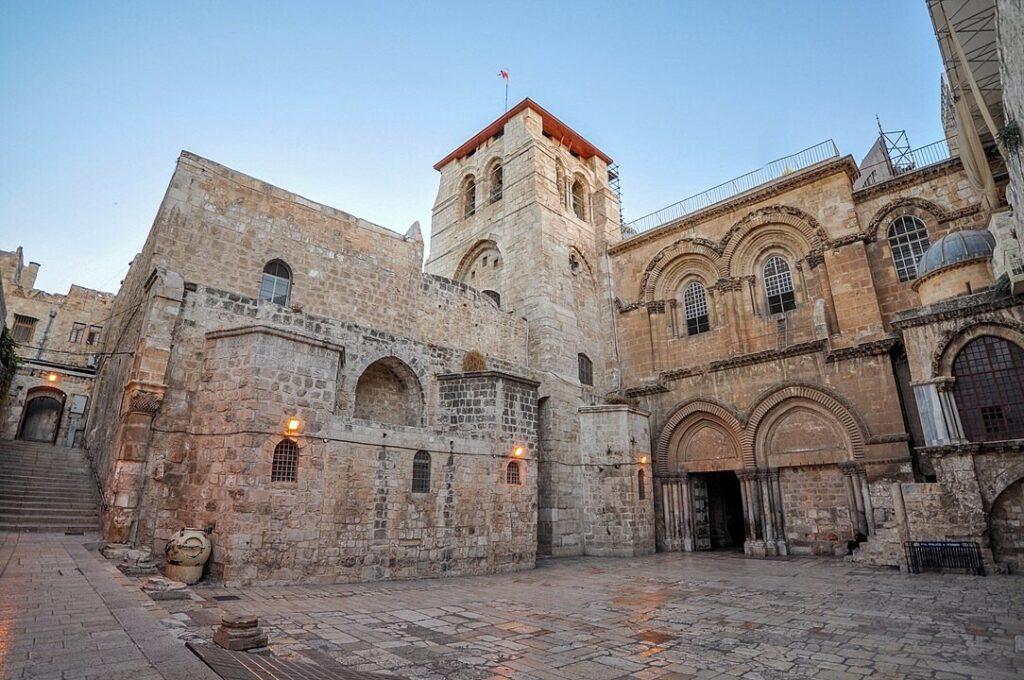
Ground penetrating scans revealed pockets of empty space under sections of the rotunda floor. Some of these voids corresponded to features described in older surveys but never physically verified, as discovered by The Guardian. Their positioning suggested earlier architectural plans obscured by medieval reconstruction.
These voids added tension to the excavation effort. Each cavity hinted at rooms or pathways sealed away by past generations who rebuilt the complex after fires and earthquakes.
4. Ancient tool marks matched early Roman stoneworkers.
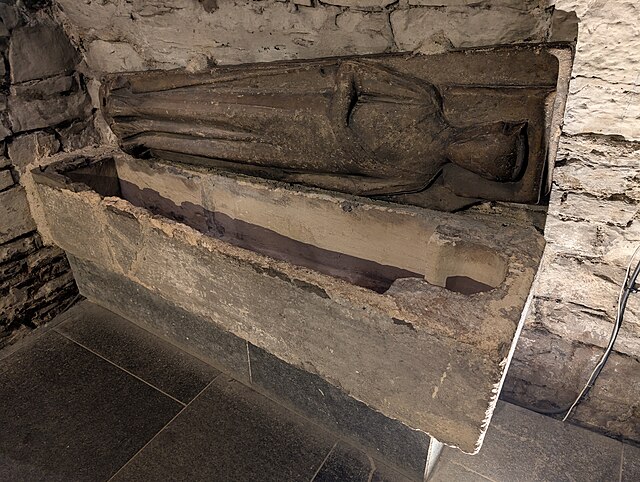
As crews cleaned the burial bench, subtle grooves and cut lines emerged in the limestone. The marks aligned with styles used by Roman era quarry teams who worked extensively around Jerusalem during the first century. Their precision offered clues about the original environment surrounding the tomb.
Specialists compared the cuts to samples from nearby quarries. The continuity across sites added weight to the idea that the tomb’s earliest features remained substantially intact beneath later additions.
5. Organic deposits suggested repeated ritual visits long ago.

Samples taken near the bench contained traces of oils consistent with ancient burial rites. While not conclusive, the residues pointed toward ritual activity after the initial construction phase. The distribution of the deposits helped map how early visitors may have moved within the chamber.
Researchers noted that the pattern of residues suggested layered use rather than a single event. Those traces became subtle whispers of the rituals families might have carried out in the earliest years.
6. Burn layers confirmed centuries of destruction and rebuilding.
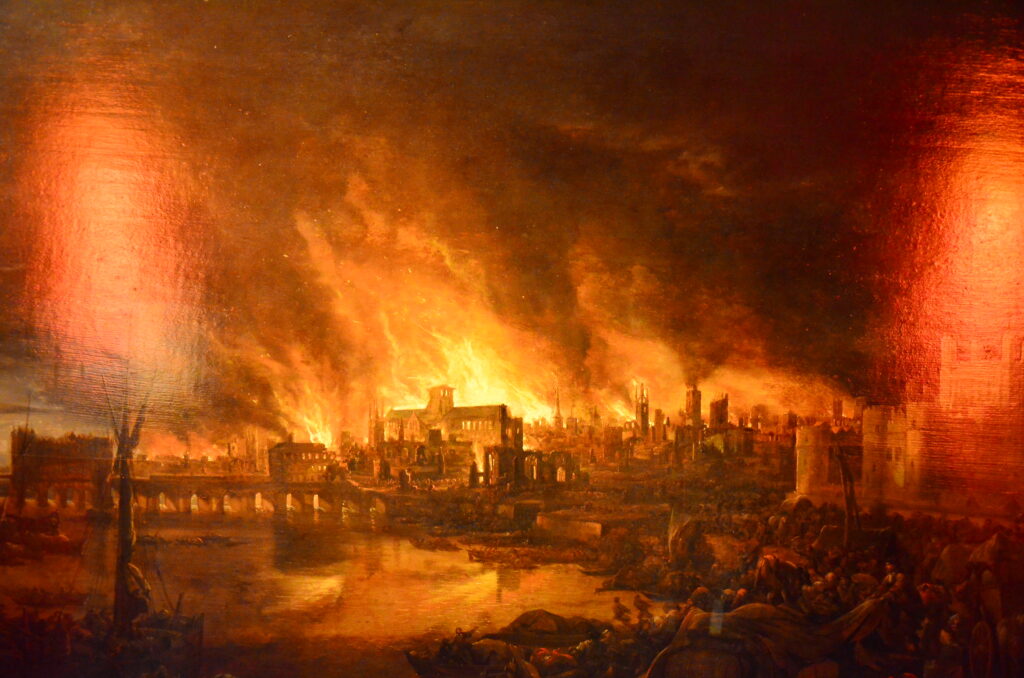
Beneath the current floor, teams found scorched sediment that matched documented fires in the Crusader and Byzantine eras. The burn evidence aligned with historical accounts that the complex had suffered repeated attacks and collapses. Each reconstructed layer formed a timeline in ash and stone.
These layers created a stacked archive of upheaval. They showed how communities refused to abandon the site even after catastrophic damage reshaped its interior.
7. Subterranean channels revealed older water management systems.
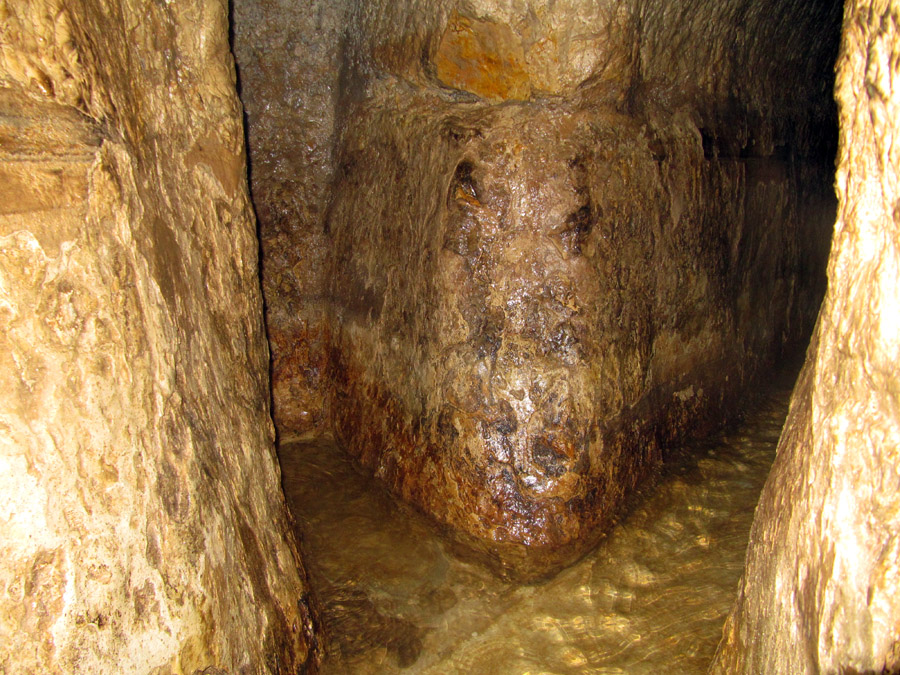
Engineers traced narrow channels running beneath the rotunda and into the surrounding bedrock. The routing indicated attempts by early builders to control groundwater seepage that could erode the tomb’s foundations. It became clear that engineering concerns shaped the space as much as religious devotion.
Mapping these channels helped identify how ancient caretakers protected the chamber. Their solutions mirrored techniques used elsewhere in Roman era Jerusalem.
8. Foundations aligned with structures predating Constantine’s church.

Excavators found support stones that did not match the fourth century construction style. Their orientation hinted at earlier architectural elements repurposed by later builders. These remnants filled gaps in the evolving layout.
When measured, the stones suggested that several phases of sacred marking and reshaping occurred before Constantine’s project. The layering offered a rare glance at the city’s religious landscape before formal Christian structures appeared.
9. Micro fractures exposed stress from centuries of pilgrimage.
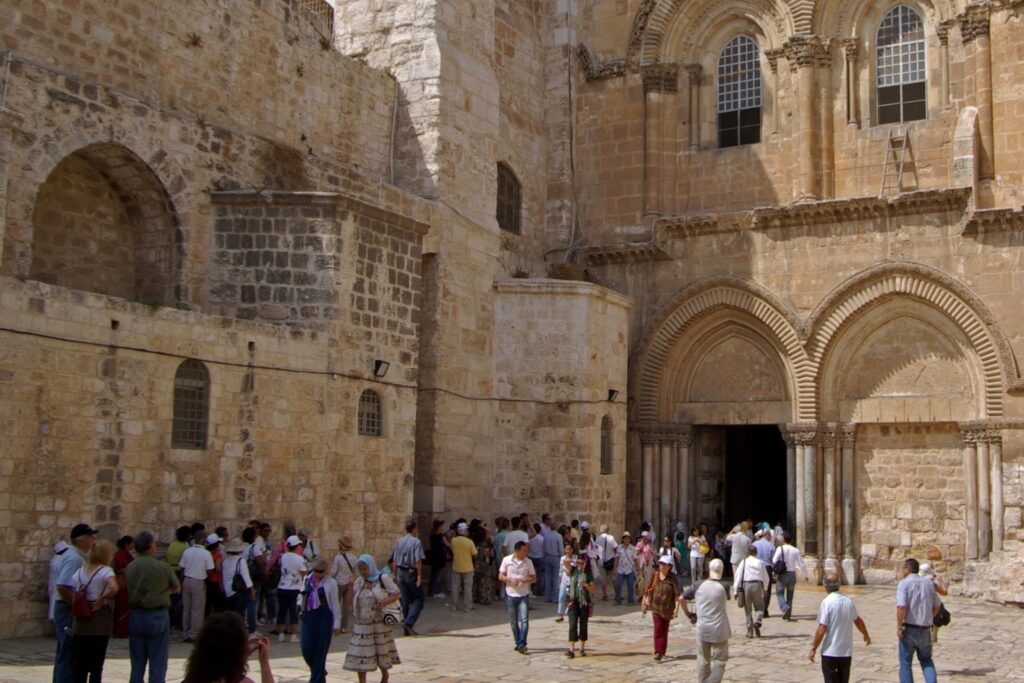
Close inspection revealed hairline cracks not caused by earthquakes but by continuous foot traffic and candle heat. The wear patterns mapped how millions of visitors had pressed into the same narrow areas over generations. These fractures helped conservators predict where future repairs might fail.
Understanding these patterns added urgency to the stabilization work. It showed that living devotion had quietly reshaped the geology of the tomb.
10. The combined findings reframed the tomb’s historical complexity.

Taken together, the new evidence painted a richer timeline than scholars expected. The tomb existed as an evolving structure layered with protective efforts, ritual visits, destruction events, and architectural resets. Each discovery pushed the story further away from myth and deeper into documented history.
Archaeologists left with more questions than answers, but they also gained a rare sense of awe. The tomb proved capable of surprising even the experts who knew its walls best.