
Fossils from this year forced scientists to rethink limits.

For decades, dinosaur research advanced in careful steps, bounded by what stone could preserve and time could erase. In 2025, several discoveries broke that rhythm. Fieldwork, lab analysis, and reexamined collections collided in ways few predicted. Some finds reopened debates thought settled. Others crossed lines scientists were trained not to expect fossils to cross at all. The tension this year came from evidence that refused to stay neatly in theory. What emerged was not one revelation, but a cascade that reshaped how dinosaurs are studied.
1. Preserved soft tissue evidence pushed fossil boundaries.

When researchers announced biological structures preserved beyond mineral impressions, skepticism followed immediately across paleontology. The specimen came from Tyrannosaurus rex, a species assumed too ancient for molecular remnants. The idea that tissue related signals survived challenged assumptions about decay, fossil chemistry, and preservation limits long treated as immovable barriers everywhere.
Detailed laboratory analysis identified microscopic structures consistent with original soft tissue proteins within the bone. The Tyrannosaurus material did not contain intact flesh, but chemical signatures endured. That endurance reopened debate about what fossils can retain, forcing scientists to reconsider preservation pathways previously dismissed as impossible in deep time science.
2. A famous predator returned with unexpected new data.

Some dinosaurs never leave public consciousness, yet even the most studied specimens still surprise researchers. In 2025, renewed analysis of Velociraptor mongoliensis overturned interpretations shaping museum displays for decades. The revision mattered because familiarity had bred confidence around anatomy, movement, and behavior once taught universally accepted as settled fact worldwide.
Advanced imaging and biomechanical modeling revealed forelimb and shoulder mechanics previously misunderstood. For Velociraptor, this altered assumptions about prey handling and agility. The finding demonstrated that iconic dinosaurs still contain unresolved questions, especially when modern tools revisit fossils studied for generations under older analytical limits and outdated frameworks long trusted.
3. Dinosaur skin impressions revealed climate adaptation clues.
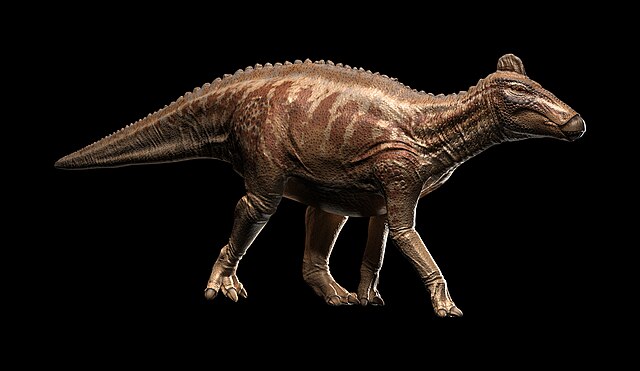
Skin impressions are rare and fragile, often dismissed as anomalies. In 2025, new finds from Edmontosaurus annectens forced reevaluation. Their preservation revealed scale patterns and textures suggesting environmental interaction beyond appearance, hinting at physiological responses to heat and moisture rather than simple ornamentation or random surface variation alone, historically assumed.
Analysis linked the Edmontosaurus skin structure to climate adaptation pressures. Scale arrangement and thickness correlated with thermal regulation demands. These impressions complicated assumptions about dinosaur appearance, showing integument served functional roles that influenced survival strategies across shifting ancient environments shaped by temperature stress, humidity, and seasonal variability rather than chance.
4. Unexpected nesting sites challenged reproductive assumptions.

Dinosaur reproduction has long relied on limited evidence. Paleontologists found nesting sites attributed to Maiasaura peeblesorum appeared in locations previously considered unsuitable. Their placement raised questions about breeding flexibility, migration boundaries, and environmental risk tolerance during reproduction under fluctuating climate conditions and unstable resource availability across ancient landscapes once avoided.
The egg arrangement and sediment context suggested adaptable nesting strategies. For Maiasaura, reproduction was not fixed to ideal environments. These sites indicate behavioral plasticity, reshaping models of population survival under changing conditions where environmental pressures demanded flexibility rather than strict site fidelity or inherited nesting rules alone historically assumed necessary.
5. Juvenile fossils altered growth rate models.

Juvenile dinosaurs are rarely preserved, leaving growth inferred indirectly. In 2025, juvenile Tyrannosaurus rex fossils provided direct evidence contradicting established growth curves. The remains challenged assumptions about how rapidly large theropods matured during early development, metabolic acceleration, and life history stages previously modeled from limited adult specimens alone worldwide accepted.
Bone microstructure revealed growth spurts interrupted by pauses. For Tyrannosaurus rex, development responded to environmental stress rather than fixed genetic pacing. This complexity reshaped understanding of dinosaur life histories influenced by resource availability, climate variability, and ecological pressure across formative growth years once oversimplified by linear models and static assumptions.
6. Footprint discoveries rewrote dinosaur movement patterns.

Tracks are often treated as supporting evidence, but this year they became the story. Newly documented trackways showed movement speeds and group behavior that clashed with skeletal predictions. The spacing, depth, and directionality suggested animals behaving with urgency rather than routine travel. That implication raised questions about what external pressures might have shaped these moments.
The footprints indicate coordinated movement across uneven terrain, hinting at responses to environmental stress or predation. Because tracks capture behavior frozen in time, they complicate tidy reconstructions built only from bones. These discoveries force scientists to reconcile anatomy with action, reminding researchers that living animals rarely behaved as predictably as models suggest.
7. Bone chemistry revealed hidden dietary complexity.

Bones do more than hold shape, they record chemical histories. In 2025, refined isotope analysis uncovered dietary signals that contradicted long standing classifications of certain dinosaurs as strict carnivores or herbivores. The data suggested flexibility where none was expected.
Chemical signatures embedded in fossilized bone point to seasonal or opportunistic feeding strategies. This challenges simplified food web diagrams and implies dinosaurs adjusted diets in response to availability. Such flexibility would have offered resilience in unstable environments, complicating assumptions about ecological roles fixed by tooth shape alone.
8. Reexamined fossils changed timelines of extinction events.
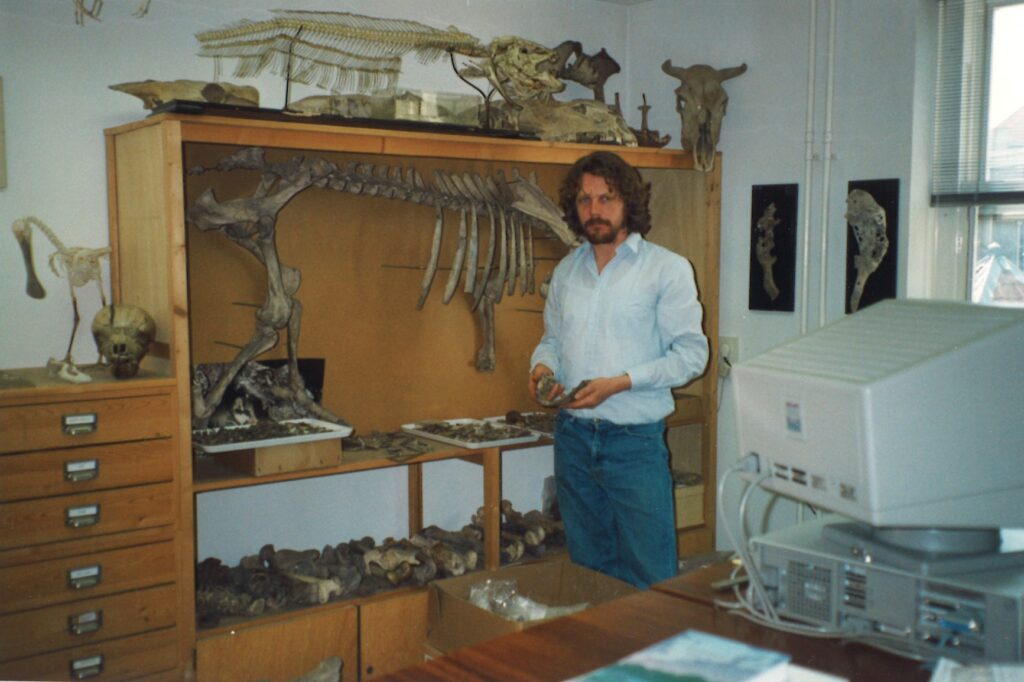
Some of the most consequential discoveries came not from new digs, but from museum drawers. Reanalysis of existing fossils shifted dates associated with regional dinosaur disappearances. That adjustment unsettled clean extinction narratives tied to singular events.
Updated dating techniques revealed staggered declines rather than abrupt endings in some regions. This suggests local conditions shaped survival windows differently across continents. Extinction may have been a prolonged, uneven process, forcing scientists to reconsider how global events intersected with regional ecosystems during the final chapters of dinosaur history.
9. Advanced imaging exposed internal structures unseen before.
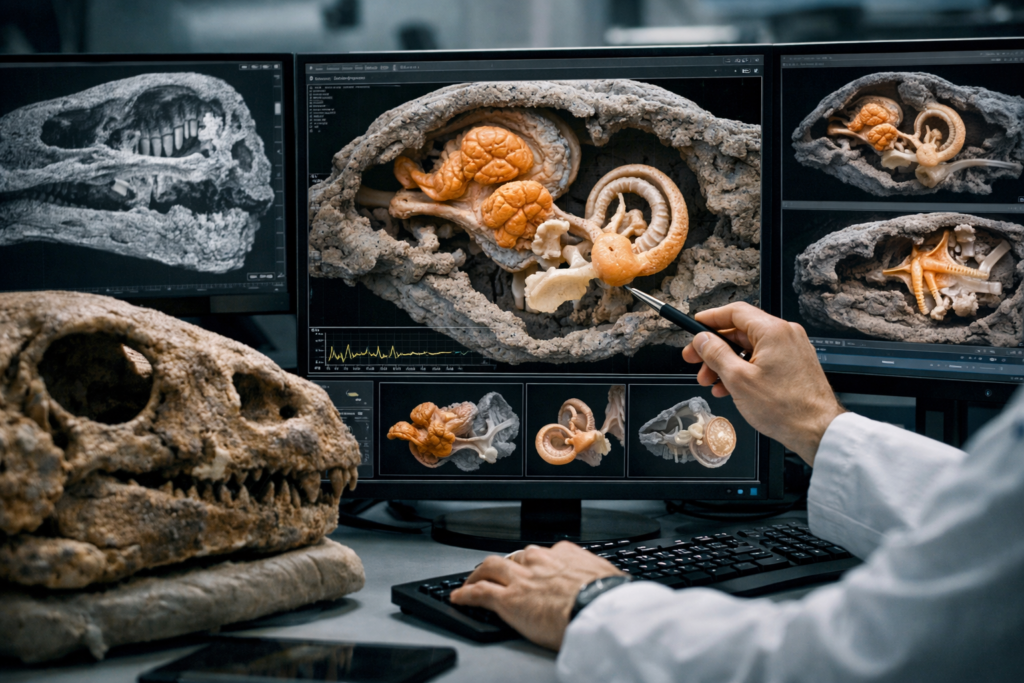
Technology drove several breakthroughs this year, particularly high resolution imaging that penetrated fossil interiors without damage. Structures once assumed lost were revealed in unexpected detail. These internal features raised fresh questions about physiology and sensory capability.
Imaging exposed vascular channels and growth patterns that suggest more complex metabolic regulation than previously assumed. Such findings blur distinctions between dinosaurs and modern animals, expanding debates about activity levels and internal regulation without offering simple conclusions about warm or cold blooded classifications.
10. Public discoveries reshaped how science revisits certainty.
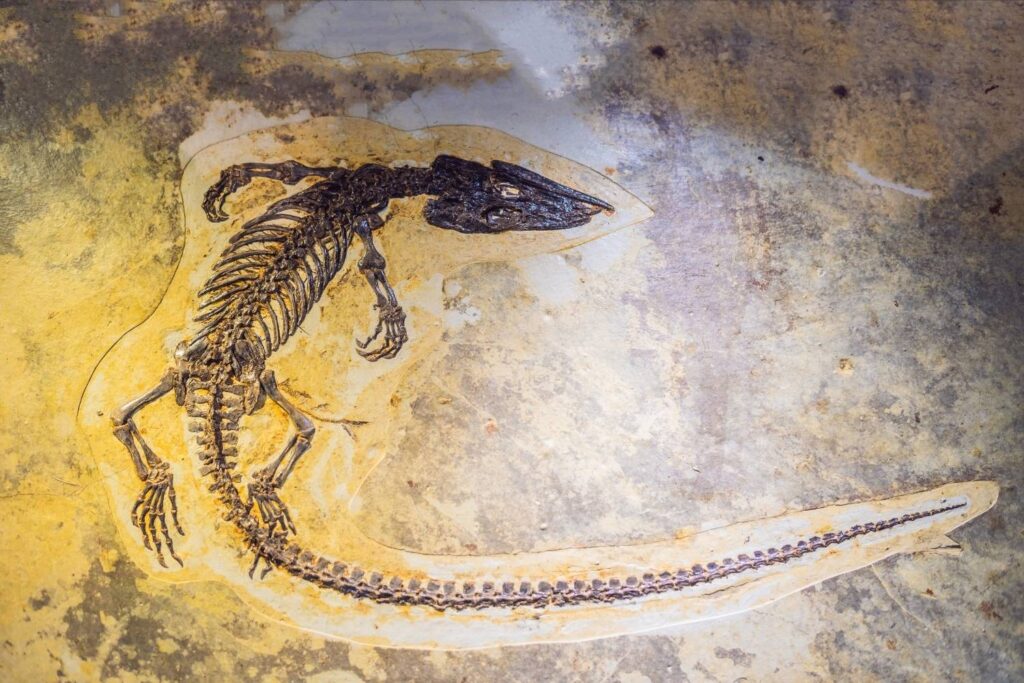
Several 2025 discoveries gained attention not because they were flashy, but because they overturned confidence. Each forced scientists to revisit conclusions once considered settled. That pattern matters as much as any individual fossil.
The year underscored how progress often comes from challenging assumptions rather than confirming them. As methods improve and old specimens gain new scrutiny, certainty becomes provisional. Dinosaur science in 2025 showed that even well trodden ground can yield surprises when questions are asked differently.