
The map is starting to shift.

For decades, linguists drew clean lines between certain tribal language families. Entire regions were treated as isolated linguistic islands, separated by mountains, oceans, and time. But new comparative research is challenging those boundaries. Phonetic patterns, shared root words, and deep grammatical structures are beginning to overlap in ways few expected. If these connections hold, they may redraw migration timelines across continents and force a reconsideration of how ancient communities actually moved.
1. Dene and Yeniseian links reshape Arctic history.

For generations, the Na Dene languages of North America, including Navajo, Tlingit, and Apache, were classified separately from the Yeniseian language family of Siberia, now represented only by Ket along the Yenisei River. The communities speaking these languages live thousands of miles apart today. For most of the twentieth century, scholars assumed any similarity was coincidence. Geographic separation appeared too vast to bridge. The Arctic and subarctic landscapes seemed to reinforce that divide.
In the early 2000s, linguist Edward Vajda presented detailed evidence of shared verb morphology and consistent sound correspondences linking the two families. The Dene Yeniseian hypothesis suggests a prehistoric connection across Beringia. If accurate, it implies migration routes far more complex than once believed.
2. Algonquian roots echo across eastern forests.

Algonquian languages such as Ojibwe, Cree, and Mi kmaq stretch across eastern and central North America, covering territory from the Great Lakes to the Atlantic coast. For centuries these languages shaped trade networks and intertribal alliances. Linguists recognized them as a coherent family early on. Yet the broader origins of Algonquian remained uncertain. Western outliers complicated the picture.
Comparative reconstruction revealed deep structural consistencies linking Algonquian to Wiyot and Yurok in California under the Algic umbrella. These distant coastal languages share ancient lexical roots. The connection implies a far older dispersal pattern than surface geography suggests.
3. Quechua and Aymara show shared structures.
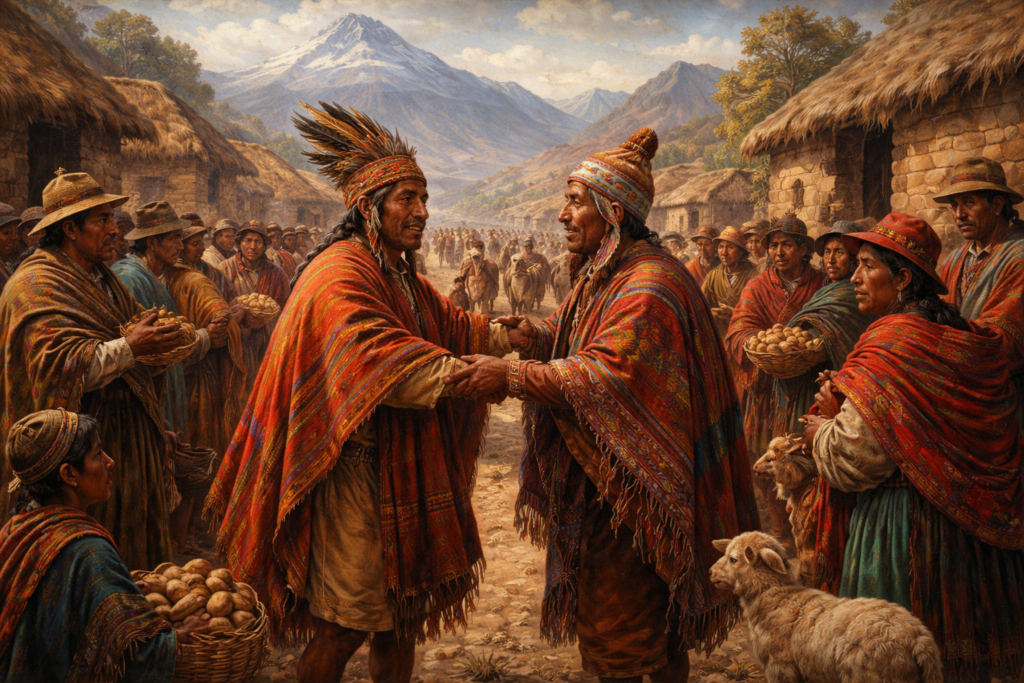
In the Andean highlands of Peru and Bolivia, Quechua and Aymara have coexisted for centuries, often in the same villages and marketplaces. Both languages feature agglutinative grammar and complex suffix systems. Scholars debated whether their similarities arose from long contact or deeper ancestry. Colonial records document overlapping populations. Political shifts during Inca expansion intensified linguistic interaction.
Recent syntactic and phonological analysis indicates sustained structural convergence. Shared word order patterns and morphological parallels suggest profound mutual influence. Whether from contact or common roots, the overlap challenges earlier assumptions of strict separation.
4. Australian Pama Nyungan patterns unify continent.

Australia once contained over 250 Indigenous languages, many documented before colonization disrupted communities. The Pama Nyungan family covers nearly ninety percent of the continent. Its reach extends from coastal regions to arid interior zones. For decades, northern languages were treated as separate from this vast network. The scale of spread puzzled researchers.
Comparative work demonstrated shared pronoun systems and consistent sound shifts across enormous distances. These structural markers indicate a large scale prehistoric expansion. The pattern reshaped models of ancient Australian mobility.
5. Bantu expansion left linguistic fingerprints.

The Bantu language family now spans central, eastern, and southern Africa, including Swahili, Zulu, and Shona. Archaeological evidence links Bantu speaking communities to ironworking and agriculture. Linguists tracked recurring noun class systems across regions. These grammatical features served as reliable markers of relatedness. The spread unfolded over millennia.
Historical reconstruction traces common roots to a probable origin near present day Cameroon and Nigeria. Sound correspondences across vocabulary confirm shared ancestry. The linguistic evidence aligns with migration models beginning roughly 3000 to 4000 years ago.
6. Indo Pacific ties challenge isolation theories.
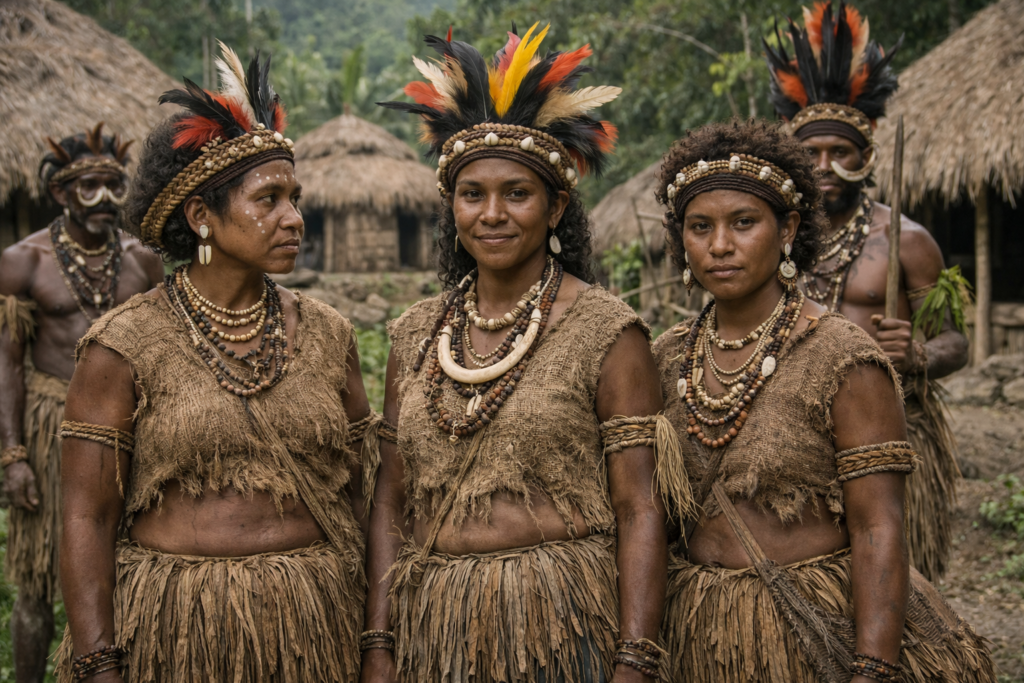
Papua New Guinea contains more than 800 languages, making it one of the most linguistically diverse regions on Earth. Many were long labeled isolates due to limited documentation. Mountainous terrain and dense forests reinforced assumptions of separation. Communities often remained geographically fragmented. Linguistic comparison seemed nearly impossible.
Recent computational analyses have identified structural parallels among subsets of so called Papuan languages. Shared morphological features appear in clusters once considered unrelated. These findings suggest deeper contact networks across the island.
7. Nilo Saharan debates gain renewed attention.
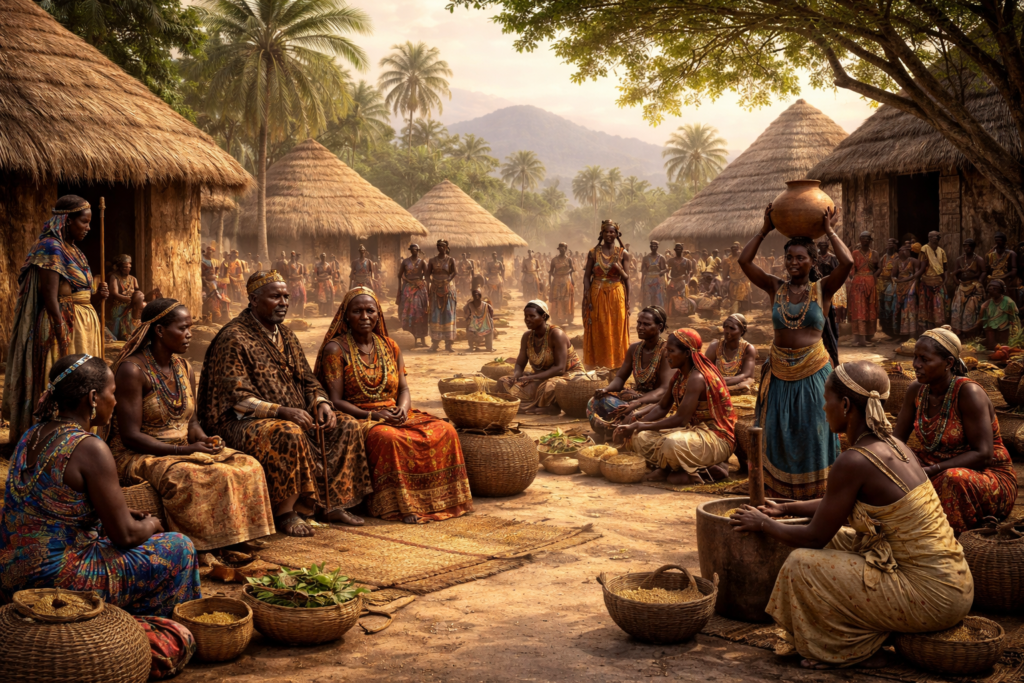
Languages spoken across parts of Sudan, Chad, Uganda, and Ethiopia were grouped under the Nilo Saharan classification in the mid twentieth century. The proposal sparked debate from the start. Geographic spread and lexical variation complicated the case. Some scholars questioned whether similarities reflected borrowing. Documentation remained uneven.
Modern lexical databases and statistical modeling are revisiting these groupings with larger datasets. Emerging grammatical correspondences provide new evidence for distant kinship. The debate remains active but increasingly data driven.
8. Athabaskan branches reveal migration clues.

Athabaskan languages extend from Alaska through western Canada to the American Southwest, where Navajo and Apache are spoken today. Oral histories describe migration journeys across generations. Linguists identified systematic sound shifts between northern and southern branches. These shifts help estimate relative timing of movement. The geographic arc is immense.
Comparative phonology aligns with archaeological findings suggesting southward migration within the last thousand years. Consistent verb morphology reinforces shared ancestry. The linguistic trail mirrors human movement across continents.
9. Dravidian origins spark wider connections.

Dravidian languages such as Tamil, Telugu, Kannada, and Malayalam dominate southern India and parts of Sri Lanka. Their grammar features agglutination and distinctive retroflex consonants. Scholars long examined potential relationships with Indo Aryan languages. Political history influenced early interpretations. Linguistic autonomy became central to identity.
Comparative analysis confirms Dravidian as a coherent independent family with deep internal structure. Some researchers cautiously explore prehistoric links beyond South Asia. Evidence remains tentative but continues to evolve.
10. Shared pronoun systems reveal ancient kinship.

Pronouns rarely change or transfer easily between languages, making them valuable tools in historical linguistics. Across distant families, recurring first and second person forms draw attention. Linguists compare consonant patterns and vowel correspondences carefully. Even minor parallels can carry weight. These elements often survive millennia.
When systematic pronoun similarities appear alongside grammatical alignment, scholars consider potential deep connections. Such patterns may preserve traces of ancient migrations. Small words sometimes carry the longest history.