
The math changed faster than habits could.

Even as inflation headlines soften, daily spending still feels shaky for many households. That tension comes from a mismatch between how prices actually move and how people earn and plan. Essentials change quickly, fixed bills lock in slowly, and surprise costs arrive without warning. The result is not just higher expenses but constant recalibration. Budgets that once felt reliable now feel temporary, forcing people to stay alert even during normal weeks.
1. Grocery prices reset expectations every single week.

Food is the expense most people encounter often enough to feel instability immediately. When prices shift even slightly, the effect compounds because groceries are purchased weekly, not yearly. A few dollars more per trip turns into a noticeable monthly change, especially when the increases hit core items like meat, eggs, dairy, or produce. Even if overall inflation cools, food categories can remain volatile, creating the feeling that relief never quite arrives.
What makes this worse is that grocery inflation is uneven. Some items stabilize while others spike, forcing shoppers to constantly substitute or adjust routines. That effort itself creates fatigue. Your brain tracks dozens of micro prices and compares them to last week, not last year. Recent consumer price data shows food at home prices continue to fluctuate month to month, according to the Bureau of Labor Statistics.
2. Interest charges quietly inflate ordinary purchases.

When prices rise faster than paychecks, many households lean on credit to smooth the gap. The problem is that credit card interest rates are high enough that even short term balances can reshape a budget. A grocery run or car repair placed on a card can quietly generate ongoing costs, turning a one time expense into a recurring one.
This changes how people experience spending. Instead of evaluating purchases based on price alone, they also carry the anxiety of future interest. That stress can lead to delayed maintenance or skipped necessities, which often creates bigger bills later. The instability is not just the higher rate, it is the uncertainty of how long a balance might linger. Average revolving credit rates remain elevated compared to past decades, according to the Federal Reserve.
3. Food inflation moves by category, not evenly.

One reason spending feels chaotic is that food prices do not rise together. Weather events, disease outbreaks, fuel costs, and global supply disruptions affect different products at different times. Poultry prices may spike while grains stabilize. Produce may jump while packaged foods hold steady. That fragmentation makes it hard to plan because no single strategy keeps working.
Consumers respond by switching brands, buying in bulk, or changing recipes, but those tactics lose effectiveness when volatility shifts aisles. This unevenness makes careful planners feel unlucky rather than prepared. Item level tracking shows persistent price swings tied to supply conditions rather than demand alone, according to the United States Department of Agriculture.
4. Housing costs anchor the entire budget downward.
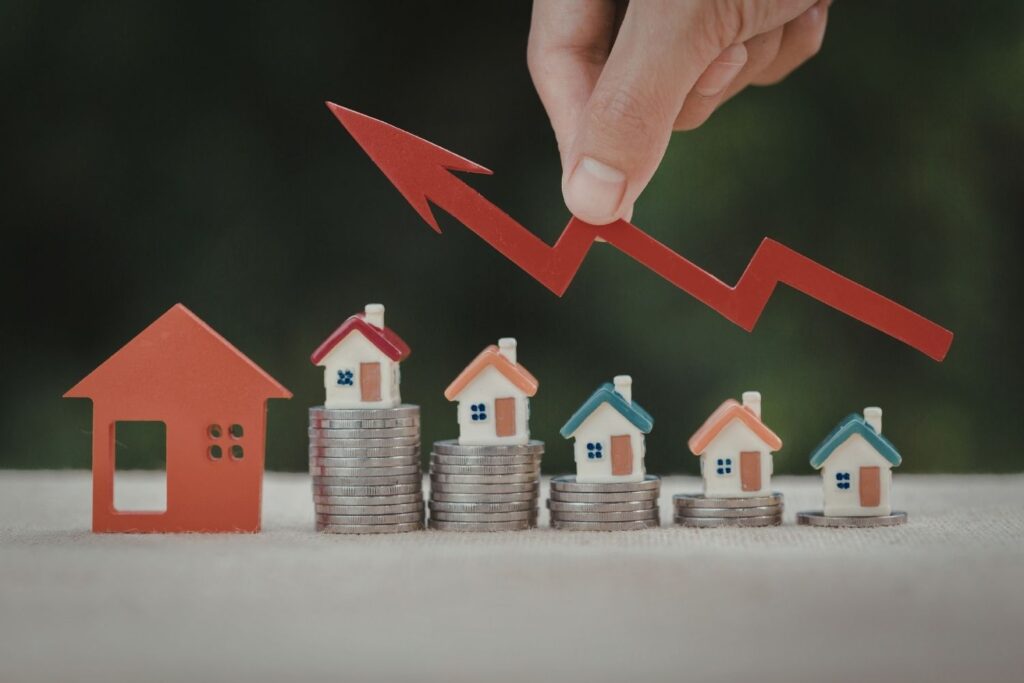
Rent and housing related expenses rarely fluctuate week to week, but when they rise, they dominate everything else. A higher rent renewal or insurance increase reduces flexibility across the board. Suddenly groceries, transportation, and healthcare all feel tighter because there is less room to absorb surprises.
This creates a background instability that does not show up as daily price changes but still shapes behavior. People delay purchases, avoid risks, and feel financially fragile even if other prices stabilize. Housing costs also influence decisions indirectly, like commuting distance or job flexibility, which can add hidden expenses over time. When the largest bill feels immovable, every smaller bill feels more threatening.
5. Package sizes change the rhythm of spending.

Even when sticker prices hold steady, quantities often shrink. Smaller packages mean more frequent purchases, which quietly raises monthly spending without a dramatic price jump. This breaks the mental model people rely on for routine items. You expect detergent to last a month, then suddenly it lasts three weeks.
The instability here is about timing, not just cost. Faster replacement cycles mean more trips, more chances for price changes, and more mental effort tracking what used to be automatic. Because these changes are subtle, people often feel confused rather than informed. They sense the budget slipping but cannot point to a single culprit, which increases frustration and uncertainty.
6. Fees multiply at the edges of daily life.

Modern spending includes layers of fees that did not exist or were bundled years ago. Delivery charges, service fees, processing costs, convenience add ons, and default tips appear late in the checkout process. Individually they seem small, but together they distort expectations and make final totals hard to predict.
This unpredictability erodes trust in prices. People hesitate longer, abandon purchases, or feel regret after checkout. The instability comes from not knowing the real cost until the end. When pricing feels like a moving target, even routine spending feels risky. The mental load of anticipating fees becomes part of the cost itself.
7. Income changes arrive slower than expenses do.

Most people experience income growth in steps, raises, promotions, or job changes that happen infrequently. Expenses, however, adjust constantly. That timing mismatch creates a feeling of always being behind. Even when wages rise, they often lag the categories that matter most in daily life.
This is amplified for anyone with variable income. Overtime shifts, gig work, commissions, or seasonal hours can make take home pay unpredictable. Even salaried workers see changes through benefits deductions or tax adjustments. When income feels less responsive than expenses, people lose confidence in their planning, even if the numbers technically balance over a year.
8. Energy costs ripple through everything else.

Energy prices affect far more than utility bills. Fuel costs influence food transport, delivery fees, airfare, and heating or cooling expenses at home. When energy prices rise, they push multiple categories upward at once, making spending feel unstable even if individual purchases stay the same.
Energy costs are also seasonal and weather sensitive. A heat wave or cold snap can blow up a monthly bill with little warning. Regional pricing models and time based rates add another layer of unpredictability. Because energy touches so many parts of daily life, volatility here amplifies the sense that no budget is safe from surprise.
9. Subscriptions behave like a hidden fixed expense.

Subscriptions often start small and grow quietly. A few dollars here, a tier change there, and suddenly monthly obligations rival a utility bill. Because these charges are spread across platforms and renewal dates, they are easy to overlook until the total becomes uncomfortable.
The instability comes when prices rise or services change terms. Companies adjust tiers, add ads, or repackage features, forcing consumers to constantly reassess value. This creates churn and uncertainty. What once felt like a predictable bundle becomes a moving set of negotiations, making monthly spending feel less stable than it appears on paper.
10. Health costs arrive in sudden clusters.

Medical expenses rarely spread evenly. Instead, they land in bursts, a test, a prescription change, a dental visit, an insurance adjustment. Even insured households face deductibles and coinsurance that make costs unpredictable. One health event can undo months of careful budgeting.
Insurance itself adds to the instability. Premiums rise at renewal, coverage rules shift, and networks change. People respond by delaying care, which often leads to higher costs later. This cycle makes planning difficult because health expenses resist smoothing. The uncertainty alone can shape spending decisions long before any bill arrives.
11. Memory favors shocks over averages.
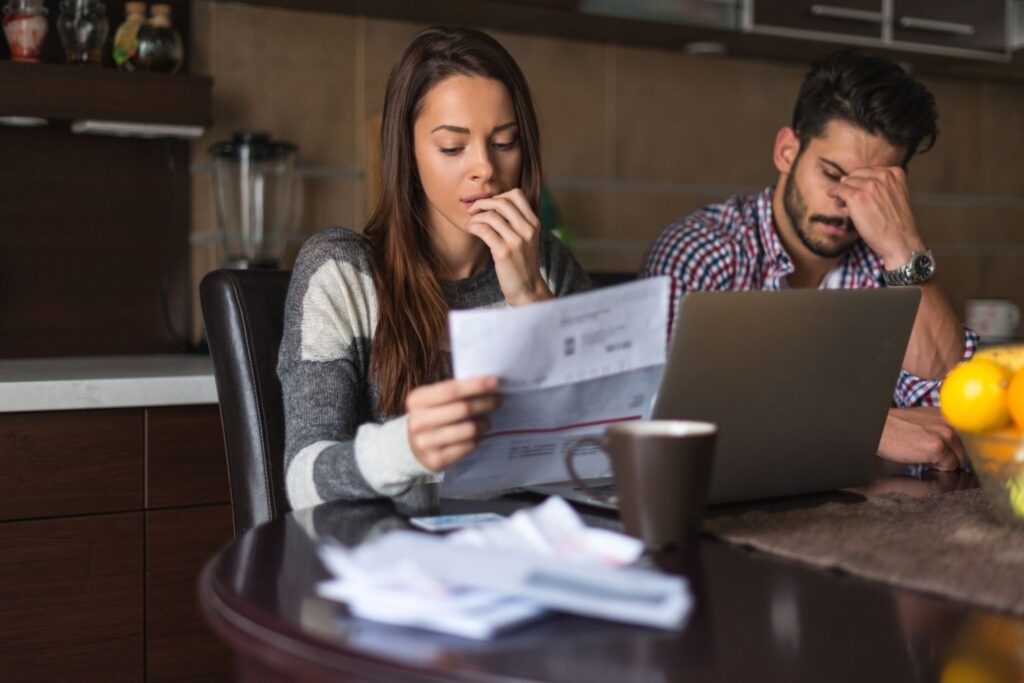
Psychologically, people remember the spikes, not the smooth periods. A sudden rent hike, a grocery surge, or an insurance jump leaves a stronger impression than months of stability. That memory trains the brain to expect disruption, making everyday spending feel risky even when nothing unusual happens.
People also compare prices to older anchors, not recent ones. When costs stay elevated after inflation slows, it feels like loss without recovery. The result is a persistent sense of instability rooted as much in experience as in math. Spending feels unsafe because recent history taught people that surprises are normal, not exceptional.