
These dogs heard your commands and chose not to care.
You’re not imagining it. Some dogs genuinely do not care how many training treats you have or how cheerful your voice sounds. They don’t dislike you—they just don’t think they should do anything you ask. These breeds have brains, but they also have serious independence streaks. Training becomes a psychological chess match where they’re constantly trying to flip the board.
1. Afghan Hounds are too glamorous to listen to your rules.

They aren’t dumb—they’re disinterested. According to breed rankings tracked by the American Kennel Club, Afghan Hounds routinely show up near the bottom in working intelligence. That’s because obedience tests don’t measure what they value. These dogs were bred for solo hunting in rugged terrain. They’re built to think for themselves and look stunning while doing it. You can give them a command, but don’t expect much eye contact. Their expression will tell you they’ve moved on emotionally, even if they’re still in the room.
2. Basenjis hear you just fine—they’re just opting out.

This breed doesn’t bark, but that doesn’t mean they’re passive. Historically used to track and flush prey in dense African forests, the Basenji developed into an autonomous worker with very little need for human approval. That independence has stuck around. Sources from the Basenji Club of America suggest most owners find better success treating them like coworkers rather than pets. You can try the classic training routine, but you’ll probably end up talking to yourself while your dog stares into the middle distance contemplating dust particles.
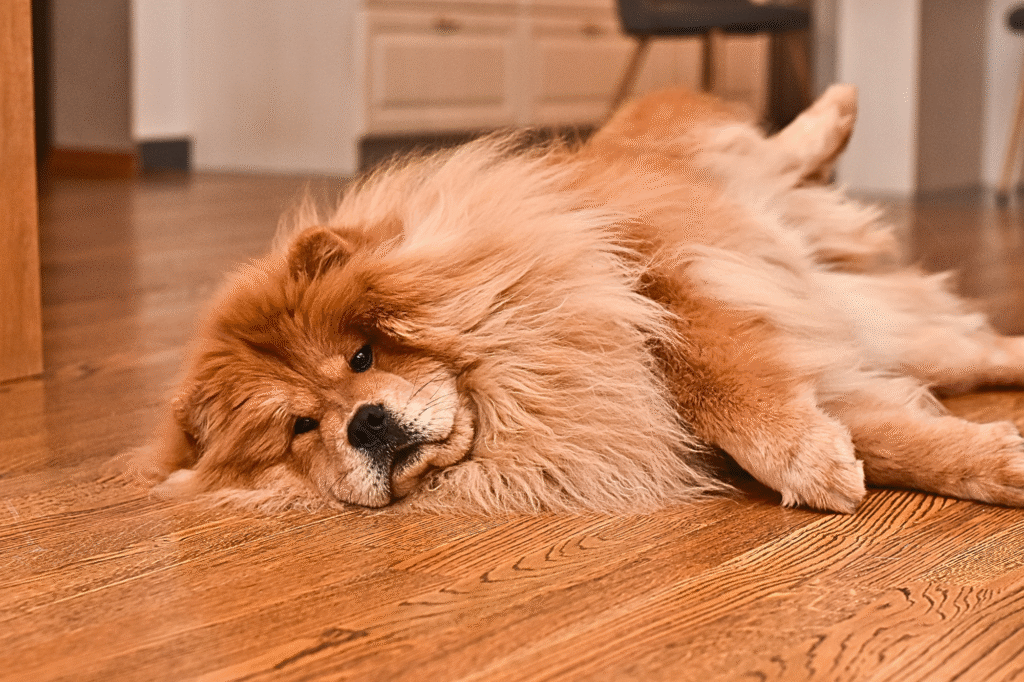
3. Chow Chows treat training like a negotiation you already lost.

Obedience isn’t in their nature. In behavior assessments referenced by veterinary neurologist Dr. Karen Overall, Chow Chows rank low in trainability but high in quiet resistance. They’re not loud about their stubbornness—they simply won’t do what you’re asking unless they feel like it. And even then, they move like they’re doing you a favor. Praise doesn’t impress them. Repetition annoys them. If you raise your voice, they’ll walk away like you just embarrassed yourself. Their vibe is less “student” and more “landlord.”
4. Beagles follow scent, not your voice.

You can wave a steak in one hand and scream “come” with the other, but if your Beagle’s nose has locked onto a smell, you’re officially background noise. They were bred to follow trails with obsessive focus, and that drive overrides everything else. Beagles don’t ignore commands to spite you—they’re just operating on a completely different sensory priority list. You’ll get a response when they decide the scent isn’t more important than you. And not a second sooner.
5. Bulldogs treat basic commands like ancient riddles.

Sit. Stay. Come. All seem like pretty low-effort asks. But Bulldogs act like they’re being asked to recite Shakespeare backwards. They’ll think about it. Maybe turn their head a little. Maybe blink. Then they’ll lie down and nap instead. Their stubbornness doesn’t come from defiance—it’s baked into their slow, heavy, deliberate way of existing. They don’t rush, they don’t care, and they absolutely do not respond to yelling. Motivation with them takes time, creativity, and a complete lack of urgency.
6. Borzois have better things to do than listen.

These elegant sighthounds move like dancers and listen like ghosts. They’re not aggressive, they’re just somewhere else mentally. Borzois were bred to run across open land chasing prey, not to sit and wait for approval. You can practice recall all you want, but once they decide a squirrel looks interesting, they’re gone. They don’t care about treats. They barely care about toys. Training them is more about compromise and less about control.
7. Pekingese don’t perform for anyone but themselves.

This dog absolutely knows what you’re asking. They just don’t think you’ve earned the privilege of compliance. Pekingese were once palace dogs in China, bred for royal companionship and absolute pampering. That entitlement runs deep. They will not fetch. They will not heel. They will not come unless there’s something in it for them. You’re not their boss. At best, you’re a very patient butler with snacks. And they expect those snacks on time.
8. Bloodhounds are ruled by their noses and nothing else.

Once a Bloodhound picks up a scent, the rest of the world becomes background noise. These dogs were designed for tracking over long distances, and their brains are hardwired for it. Training them to focus is possible, but it’s a constant uphill battle. They don’t ignore you on purpose—they literally can’t filter out the sensory overload they’re built to chase. Even with structure, it’s like trying to control a guided missile mid-flight.
9. Fox Terriers are too busy planning the next escape.
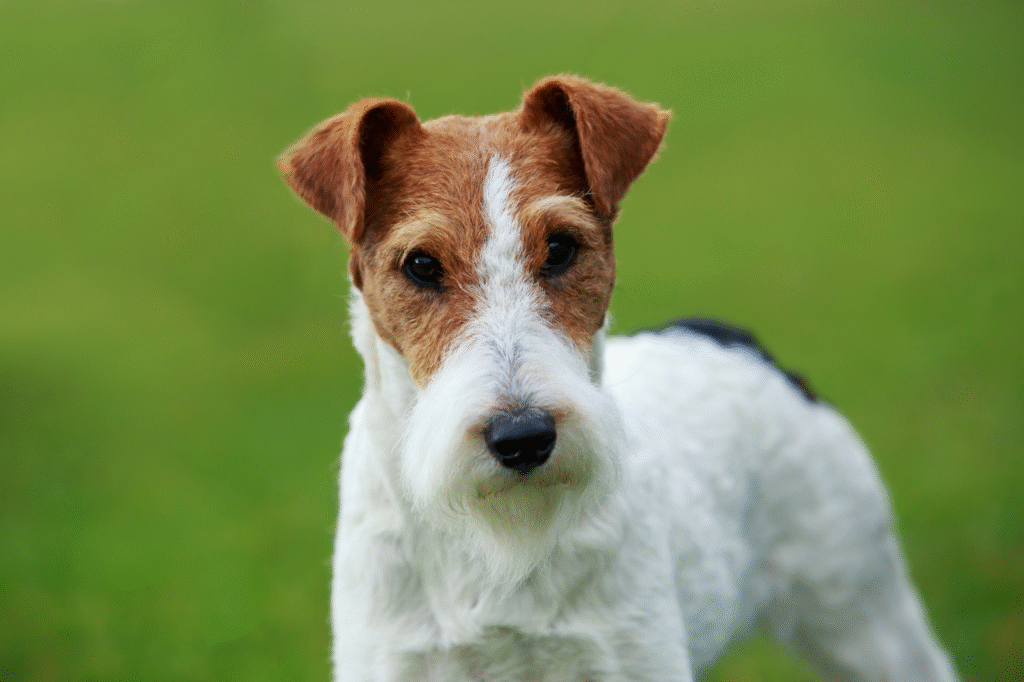
Terriers in general are known for their energy, but Fox Terriers take it to another level. They’re clever, fast, and a little unhinged when it comes to patience. Commands are viewed as suggestions, especially when something more interesting is happening across the yard. They don’t want to be micromanaged. They want freedom. And if you’re not offering it, they’ll start plotting. These dogs need constant engagement or they’ll invent a hobby—and that hobby might be digging through your drywall.
10. Lhasa Apsos think training is beneath them.

These dogs are ancient house sentries. They were bred to guard temples and alert monks, not perform tricks for applause. Their reaction to most commands is a mix of confusion and judgment. They’re not trying to be difficult. They just honestly don’t see why sitting on cue benefits them in any way. You can try treats, clickers, praise—it won’t matter unless the Lhasa decides it’s worth their time. They’re not trainable. They’re selectively cooperative.