
A stubborn ridge is forming where it matters most.
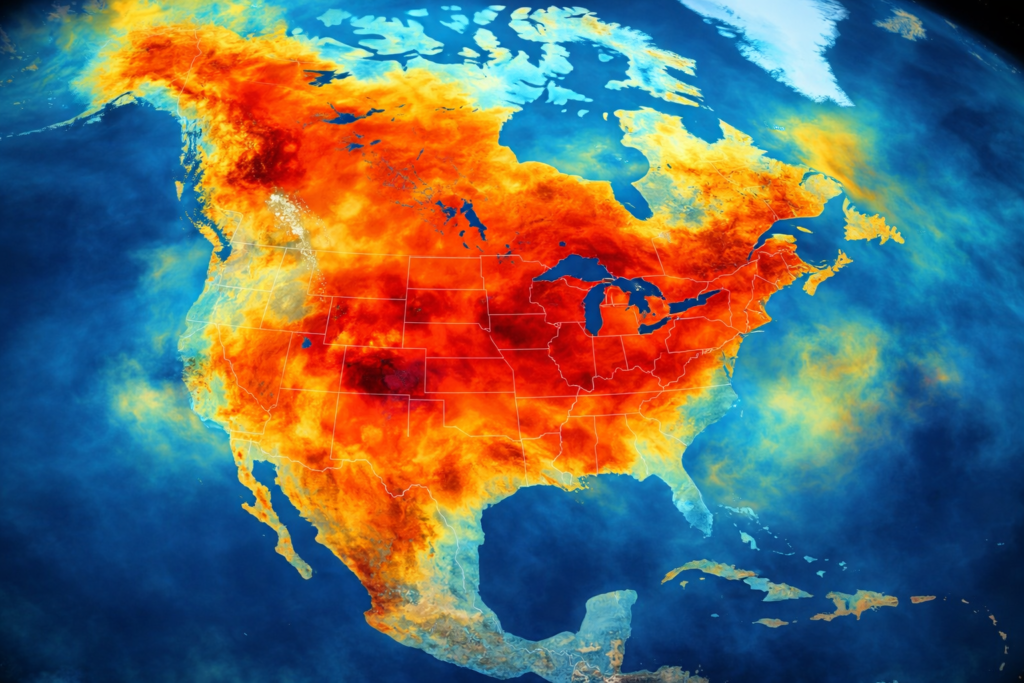
A shift is beginning to take shape high above North America, and it is not moving the way forecasters typically expect. Early indicators show pressure building in a configuration that tends to linger, not pass through. That distinction matters more than it sounds. Subtle changes in the jet stream are already being flagged, and they are starting to influence how heat behaves near the surface. The pattern is still organizing, but the pieces are aligning in ways that have raised concern before.
1. A high pressure ridge is locking into place.
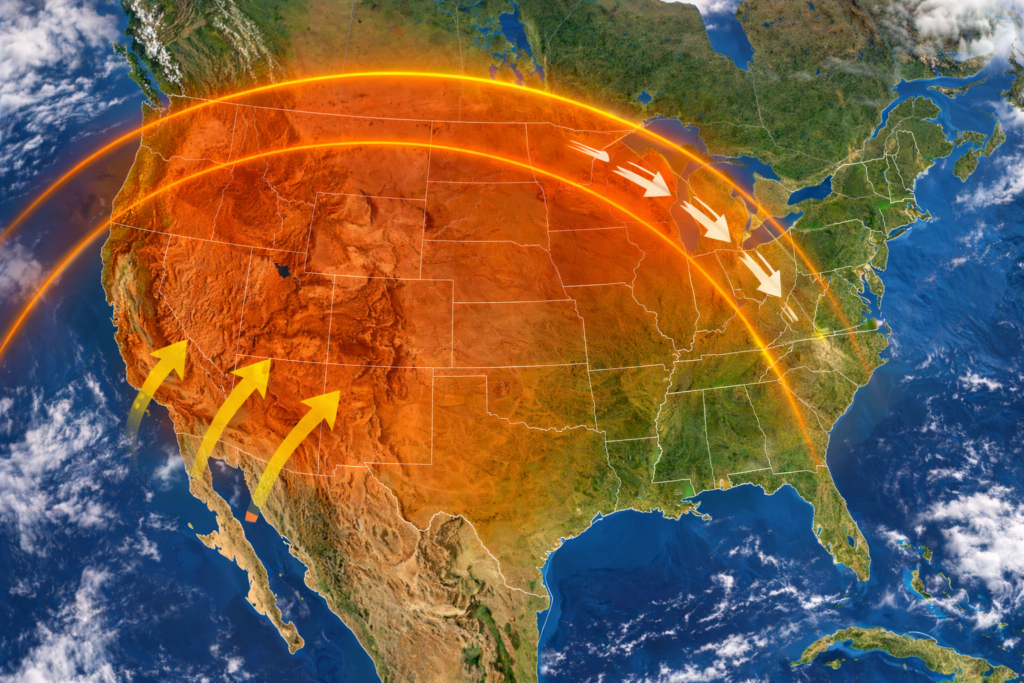
Meteorologists are tracking a strengthening dome of high pressure stretching across the western and central United States. This type of system does not simply pass through, it settles and compresses the air beneath it. As that air sinks, it warms, creating a self reinforcing heat structure that can persist longer than expected.
This ridge has already begun forming in upper level data, according to NOAA Climate Prediction Center. When these systems stabilize, they suppress cloud formation and trap heat near the surface. The longer they hold, the harder it becomes for cooler air to break through and reset conditions.
2. Jet stream patterns are becoming unusually stagnant lately.
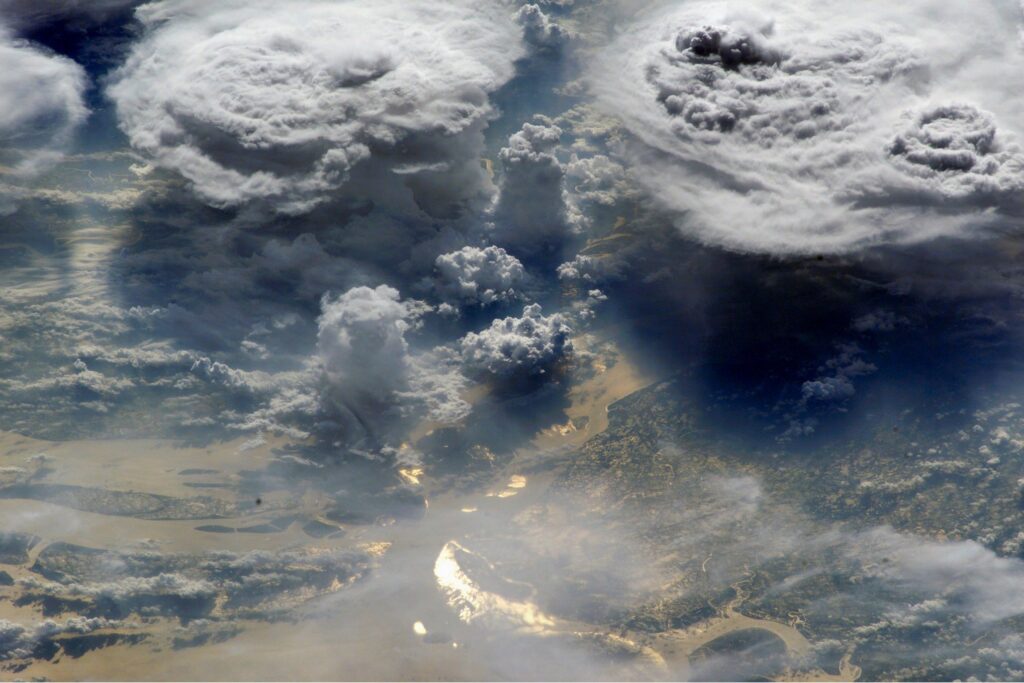
The jet stream, which normally guides weather systems across the country, is beginning to slow and bend in ways that reduce movement. Instead of pushing heat away, it can allow it to linger over the same regions for extended periods. That stagnation often marks the beginning of more persistent extremes.
Recent observations show this waviness increasing across North America, as reported by the National Weather Service. When the jet stream weakens, blocking patterns can form, effectively trapping heat domes in place. These setups are not uncommon, but their duration and placement can make them far more disruptive.
3. Soil moisture deficits are amplifying surface temperatures.

Dry ground does not cool the same way moist soil does. Without adequate moisture, more of the sun’s energy goes directly into heating the air rather than evaporating water. This shift can significantly raise surface temperatures, especially during prolonged high pressure events.
Large portions of the central United States are already showing below average soil moisture levels, according to the US Drought Monitor. When combined with a developing heat pattern, these conditions can intensify heat waves beyond what atmospheric factors alone would produce, creating a compounding effect that builds over time.
4. Overnight temperatures may stay dangerously elevated for days.

Heat is not only about daytime highs. When temperatures fail to drop at night, the body does not get a chance to recover. This creates a cumulative strain that can become hazardous, particularly for vulnerable populations in urban areas.
Under a persistent ridge, warm air remains trapped even after sunset. Urban heat retention adds to the problem, keeping cities warmer than surrounding areas. Over multiple nights, this pattern can increase health risks in ways that are not immediately visible but steadily intensify.
5. Power grids could face unexpected peak demand stress.
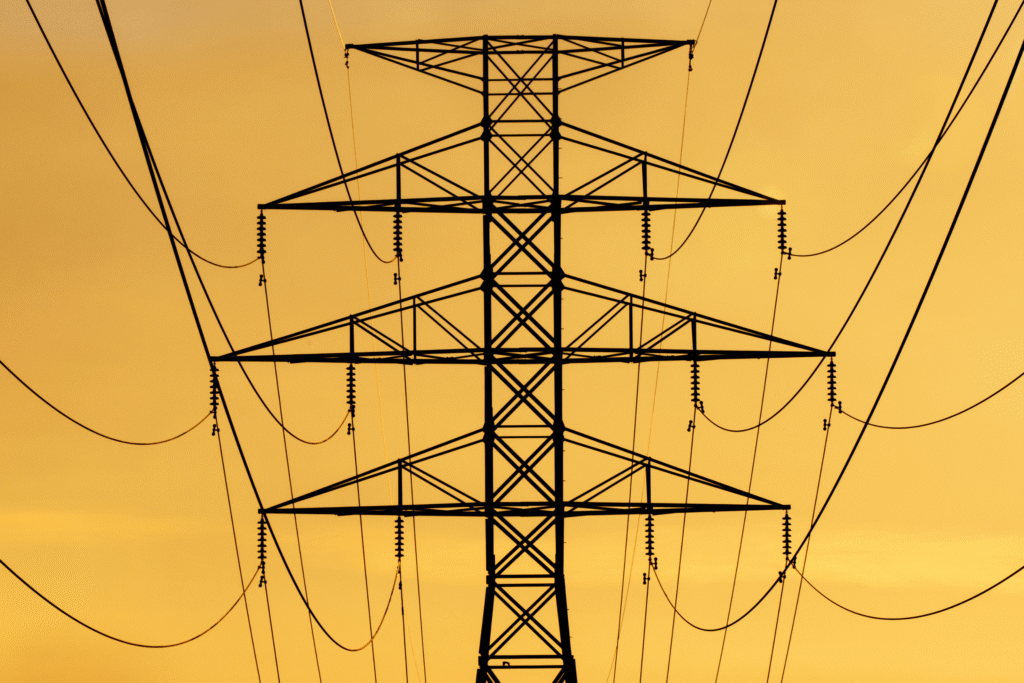
Sustained heat pushes electricity usage higher as air conditioning systems run continuously. The longer the heat persists, the more strain is placed on energy infrastructure that was not designed for prolonged peak demand.
Utilities can handle short spikes, but extended periods create compounding pressure. Equipment heats up, efficiency drops, and small issues can escalate. In some regions, this combination has led to rolling outages when demand exceeds supply, particularly during multi day heat events.
6. Wildfire conditions are aligning across multiple regions.

Heat alone does not start fires, but it sets the stage. Dry vegetation, low humidity, and sustained warmth create an environment where ignition becomes easier and spread becomes faster. These conditions are beginning to align in parts of the western United States.
As the heat pattern strengthens, fuels continue to dry out. Even minor sparks can escalate quickly under these conditions. Fire behavior becomes harder to predict, especially when combined with shifting winds at the edges of the high pressure system.
7. Agricultural stress is building beneath the surface.
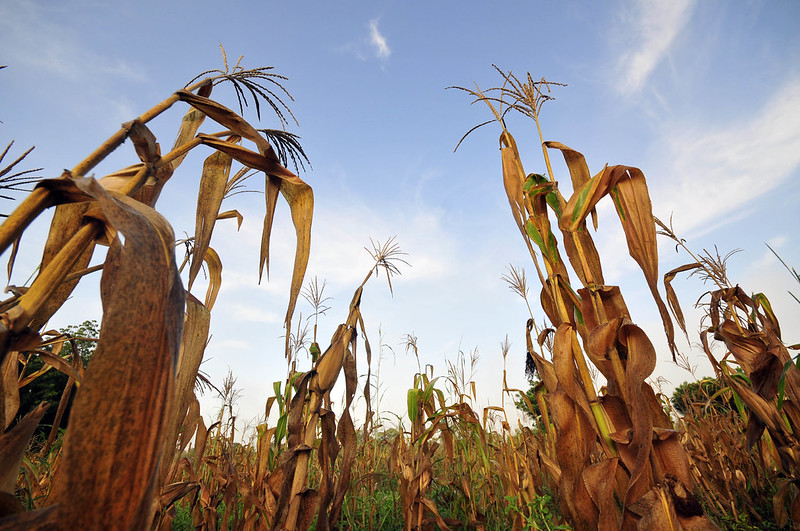
Crops respond to heat in ways that are not always immediately visible. Prolonged high temperatures can disrupt growth cycles, reduce yields, and increase water demand at critical stages of development.
Farmers may begin adjusting irrigation earlier than usual, drawing down water reserves faster. Livestock also face increased stress, which can affect productivity. These impacts tend to unfold gradually, but they can reshape regional agricultural output by the end of the season.
8. Urban areas could experience intensified heat island effects.
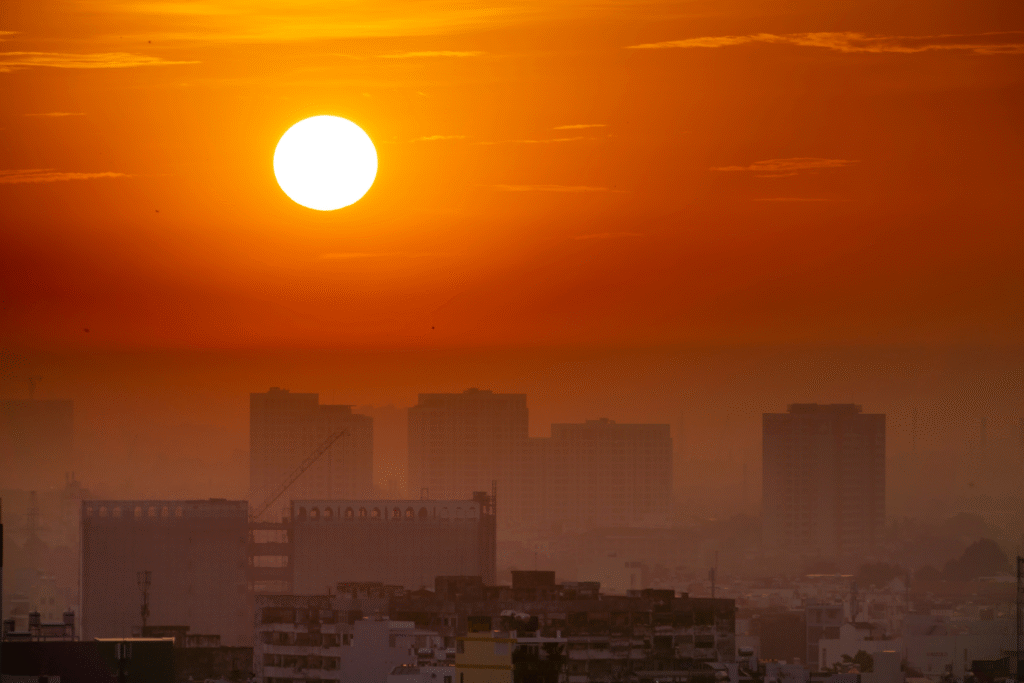
Cities trap heat differently than rural landscapes. Concrete and asphalt absorb and retain warmth, releasing it slowly over time. During extended heat events, this effect can amplify already high temperatures.
The result is not just hotter days, but longer periods of sustained warmth. Neighborhoods with less vegetation often experience the most severe conditions. This uneven distribution of heat can create localized risks that vary block by block within the same city.
9. Water resources may tighten faster than expected.
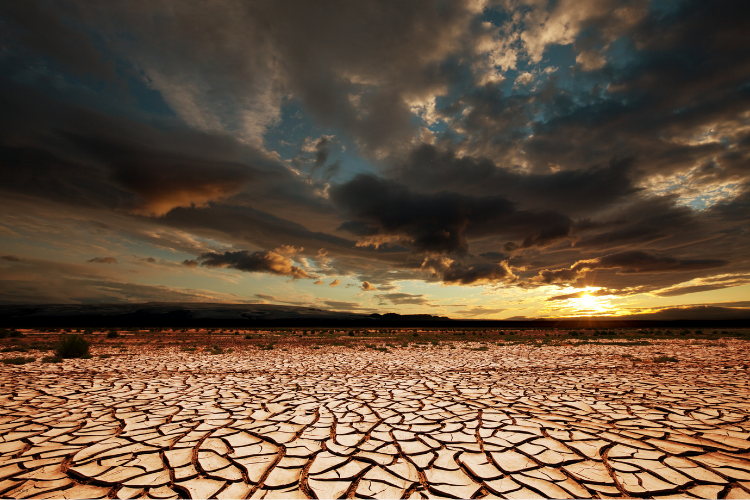
Heat increases evaporation from reservoirs, rivers, and soil. When combined with limited rainfall, water supplies can decline more quickly than anticipated, especially in regions already managing tight resources.
This shift does not always appear immediately in official reports. Instead, it builds over weeks as levels gradually drop. Water management systems are forced to adapt, sometimes implementing restrictions that ripple through communities and industries.
10. Transportation systems can begin to show hidden strain.
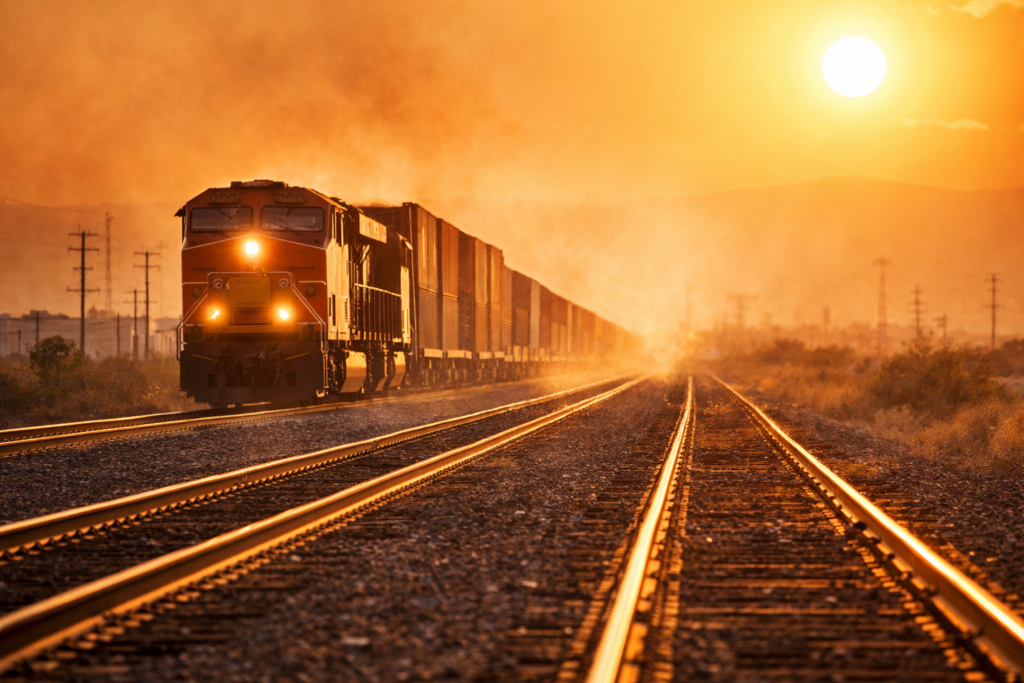
Extreme heat affects more than people and ecosystems. Infrastructure responds to temperature as well. Roads can soften, rail lines can expand, and equipment can operate less efficiently under sustained heat.
Air travel may also be affected as higher temperatures reduce lift, requiring adjustments to flight operations. These disruptions often start small, but they can accumulate across systems, creating delays and complications that reflect the broader impact of prolonged heat patterns.