
A future storm reshapes the nation’s most vulnerable places.
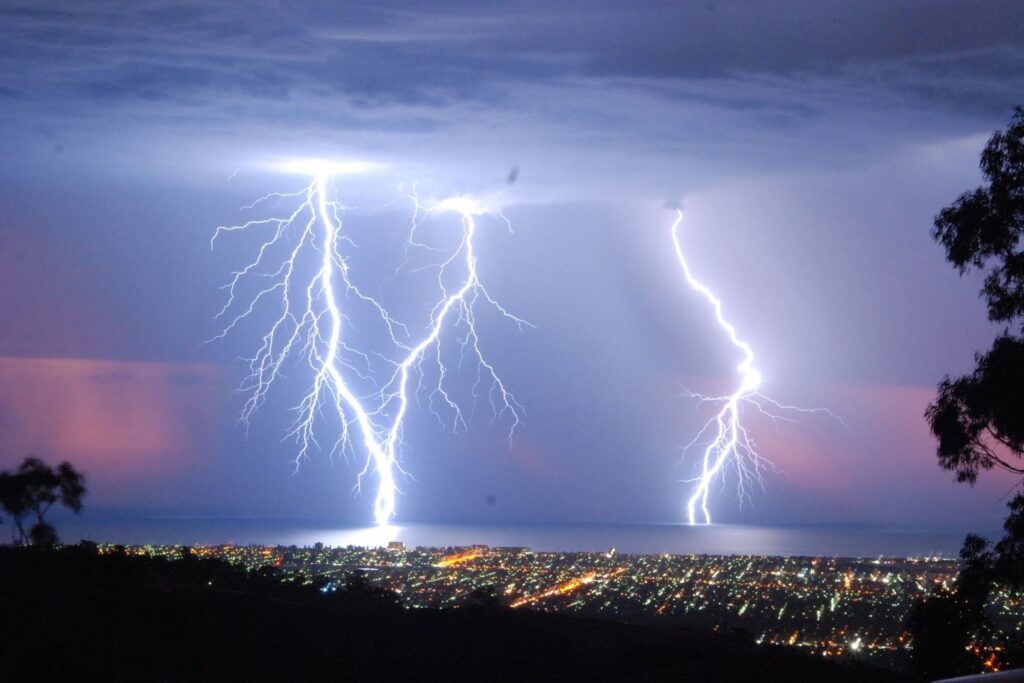
Researchers watching ocean heat climb year after year keep circling the same concern. Different storm types are becoming more dangerous at the same time, each one tailored to the weakness of a particular coastline. A Gulf hurricane that intensifies overnight, an Atlantic system that stalls for days, a Pacific atmospheric river that behaves like a conveyor belt of moisture, any one of them could overpower a city built for an earlier climate. They would not strike together, yet each would leave its own lasting transformation.
1. New Orleans faces a surge that overwhelms every barrier.
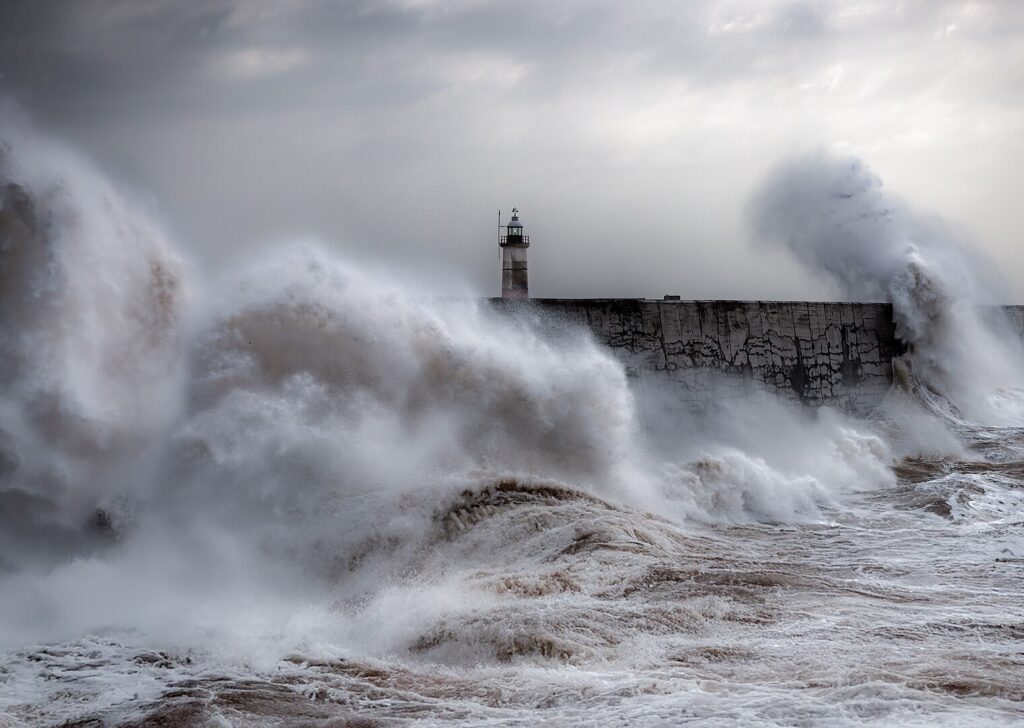
Storm models show that warmer Gulf waters create faster intensification, and the city’s lowest neighborhoods become the first to transform. As stated by NOAA, even a moderate shift in water temperature raises surge height far beyond current projections, and that changes how the entire basin behaves during landfall. A megastorm in this scenario turns familiar streets into channels, stretching emergency capacity beyond anything New Orleans has tested.
The outer levees would feel the hit first, and once overtopped, the water would rush toward the interior with a speed that leaves little room for coordinated response. The city has rebuilt many defenses since past disasters, yet the scale of this future surge forces a different kind of reckoning. Entire districts could reshape within hours, and recovery would expand far beyond restoring power or pumping out water.
2. Miami becomes a maze of flooded corridors as tides rise inland.

A megastorm hitting Miami lands on top of the city’s porous limestone foundation, letting the surge rise from below as well as from the coast. Flood maps already show how water slips inland, and a stronger future system magnifies that movement. According to NASA’s sea level monitoring, the region has seen unusually rapid rise in the past decade, which increases baseline water levels before any storm arrives.
During a storm of this scale, the inland push becomes more aggressive, creating new flow paths that cut across neighborhoods once thought secure. Evacuation timing grows more complicated because water approaches from several directions at once. The skyline may remain standing, but the ground-level city becomes a patchwork of isolated blocks surrounded by channels that linger long after the storm passes.
3. Houston endures rainfall that outpaces every drainage redesign.
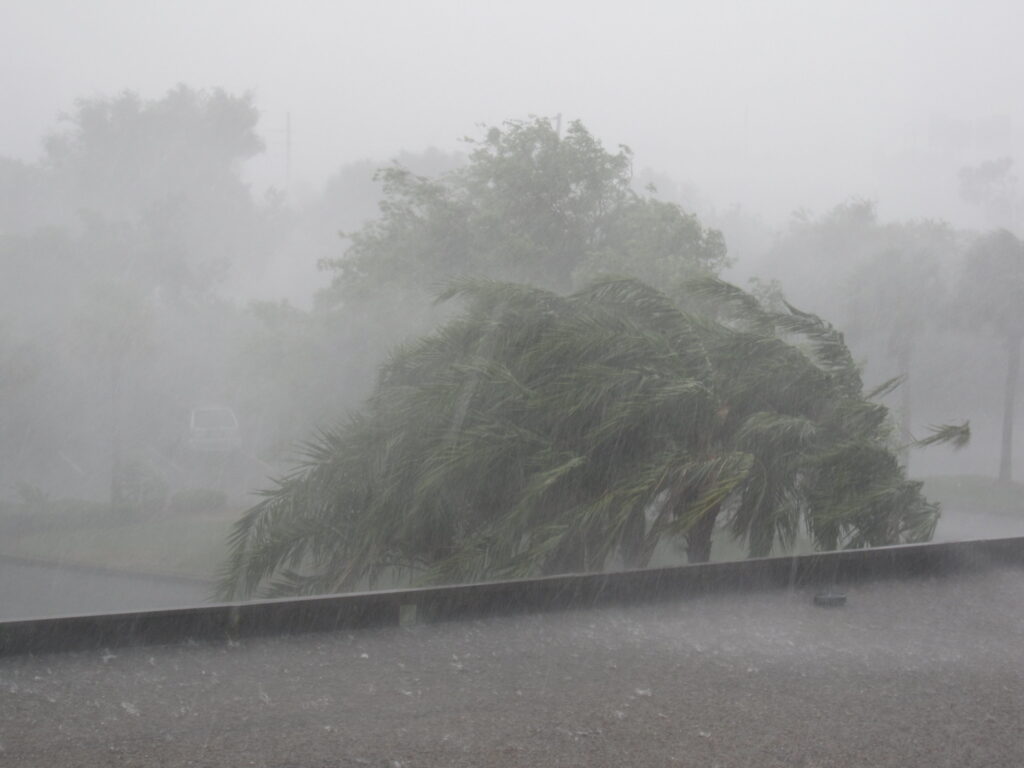
The most damaging feature of a megastorm in Houston is not wind but rainfall. The city’s flat landscape funnels water toward bayous already strained by past events. As reported by the National Weather Service, single storm totals in the region have climbed well beyond twentieth century expectations, which means a future supercharged system could produce multi day rainfall that exceeds reservoir capacity.
Neighborhoods far from the coastline would still find themselves cut off, with water rising through underpasses and major interchanges. Industrial zones near the Ship Channel face additional risk as floodwater spreads contaminants outward. The city has improved drainage in recent years, yet the scale of this theoretical megastorm pushes every engineered boundary beyond its limit.
4. Tampa Bay watches the entire bay push inland at once.
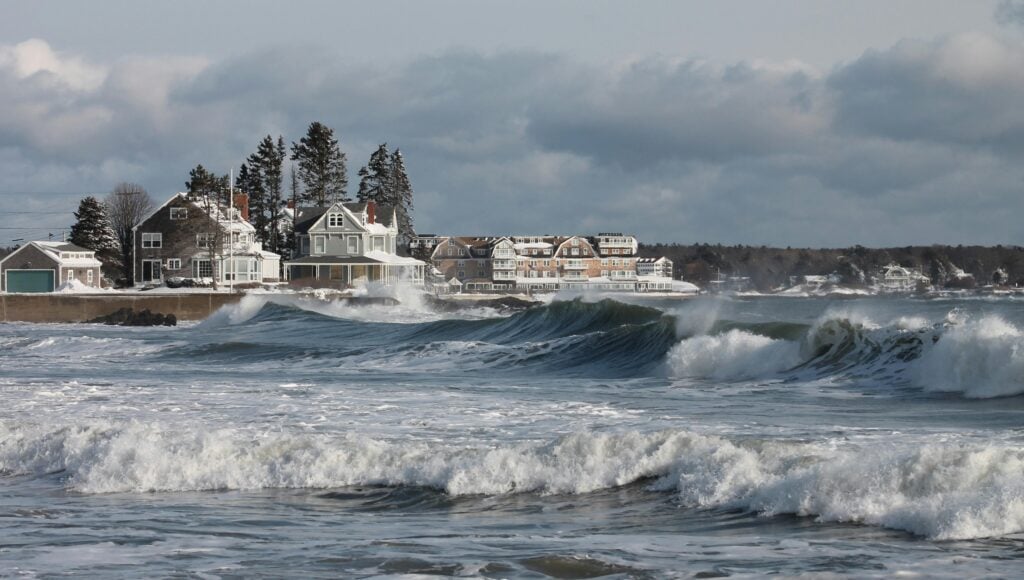
A megastorm tracking toward Tampa Bay becomes dangerous the moment its winds align with the long, shallow shape of the inlet. Water piles into the bay before landfall, creating a rapid surge that sweeps inland toward St. Petersburg and Tampa’s downtown waterfront. Because the bay narrows as it moves east, the push becomes stronger the farther it travels.
Evacuation routes that depend on causeways can flood early, forcing emergency timing to grow even tighter. The region’s booming population adds another layer of strain, and the storm’s aftermath would likely reshape where rebuilding is possible. The shoreline that emerges afterward may not resemble the one residents know today.
5. New York City experiences flooding deep into transit corridors.
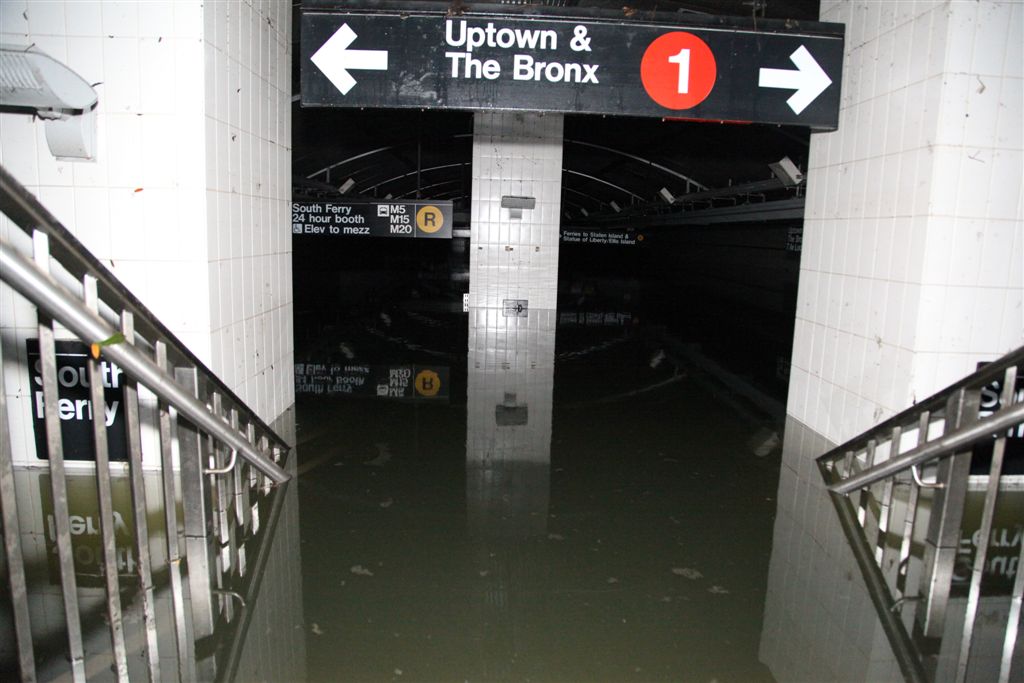
The city’s vulnerability comes from its tunnels, seawalls and tightly packed waterfronts. A future megastorm striking near the Battery could force water into subway portals and ventilation grates, overwhelming pumping systems designed for smaller events. Engineers have long warned that intense coastal storms combined with higher Atlantic water levels threaten underground infrastructure.
Lower Manhattan, parts of Brooklyn and even inland Queens could see water lingering for days, especially in areas where drainage systems back up. The storm would test the city’s adaptation strategies with a scale far beyond recent history, leaving the landscape altered not by destruction alone but by what becomes impossible to protect.
6. Charleston confronts a convergence of wind, tide and surge.
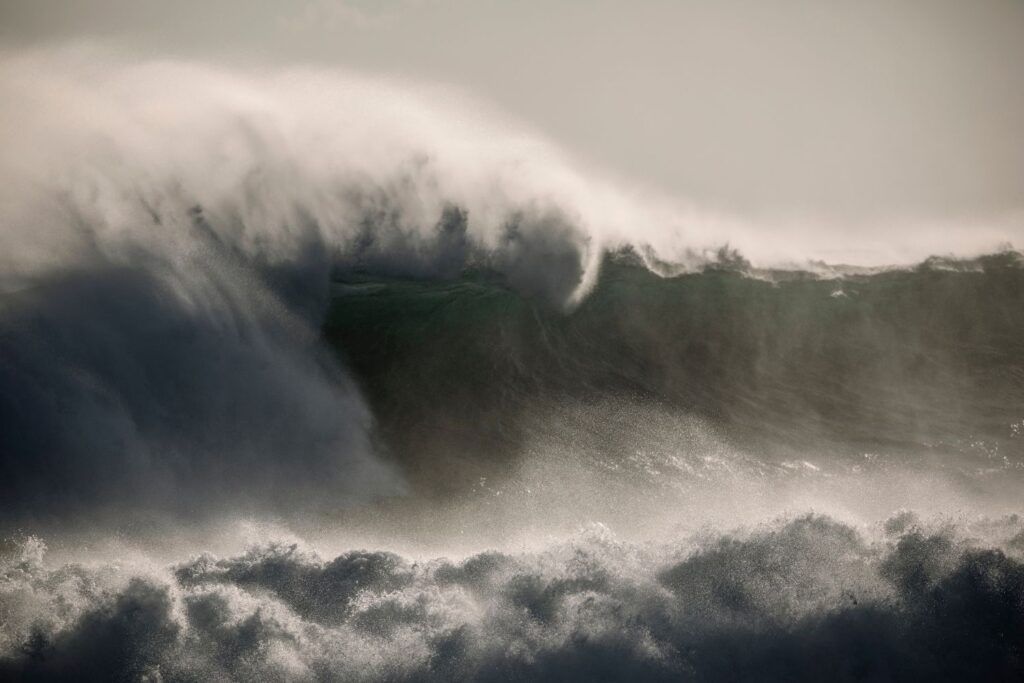
Charleston already sees frequent tidal flooding, and a megastorm arriving at high tide would multiply the impact. The city’s historic core sits low, and roads leading off the peninsula can sink beneath water early in the event. Strong winds would push additional surge into the harbor while heavy rain overwhelms drainage that depends on older infrastructure.
The combined effect turns neighborhoods into isolated pockets where movement becomes nearly impossible. Even brief exposure to powerful surge can alter foundations, leaving long rebuilding timelines. What emerges afterward could redefine which areas remain livable year round.
7. Norfolk watches the naval coast flood in total silence first.
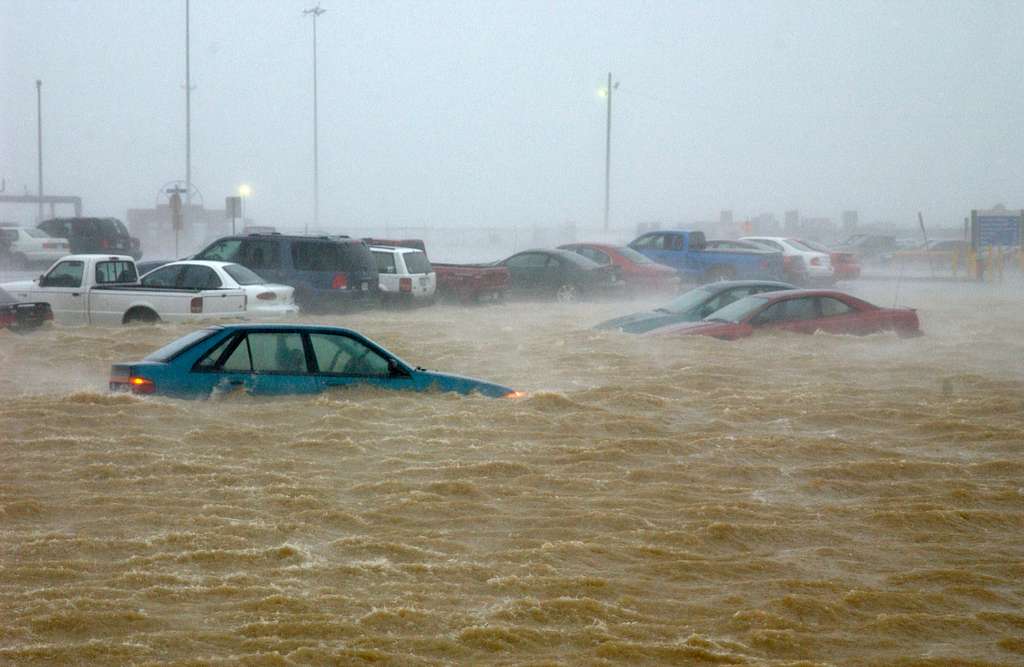
A storm of this scale would push water deep into the Elizabeth River and surrounding naval installations. Norfolk sits at one of the fastest rising water zones on the East Coast, and a megastorm amplifies that rise within hours. Military infrastructure may absorb the initial hit, but surrounding neighborhoods face rapid flooding as water overtops bulkheads.
Roads connecting to Virginia Beach, Portsmouth and Chesapeake can disappear under shallow but widespread sheets of water. The storm’s pressure alone may force tides higher than current projections, reshaping coastal engineering for years to come.
8. Sacramento faces inland flooding as rivers overrun their banks.
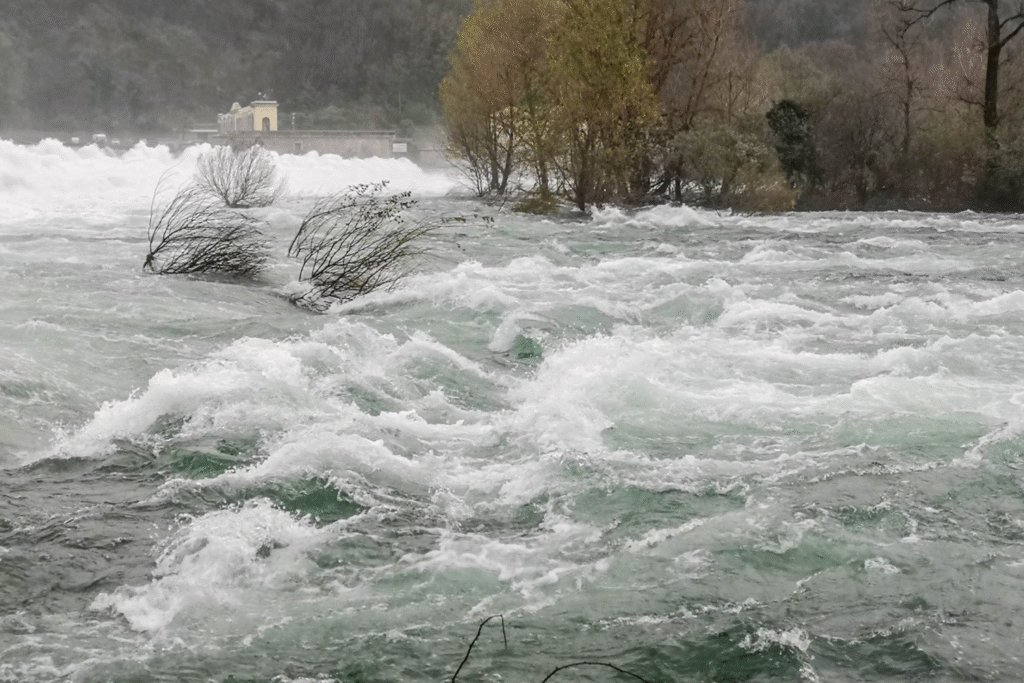
A megastorm reaching California would not resemble an Atlantic hurricane but instead a massive atmospheric river system with sustained rainfall. Sacramento sits at the confluence of two major rivers, and prolonged downpours could overwhelm levees built for earlier climate norms. The Central Valley’s low elevation allows water to spread widely once containment fails.
Urban neighborhoods could see rapid flooding while rural zones transform into temporary inland seas. The storm’s footprint might extend across hundreds of miles, creating logistical challenges long after the rain stops. Entire transportation corridors could remain unusable for weeks.
9. Galveston endures a surge that overtops its historic seawall.
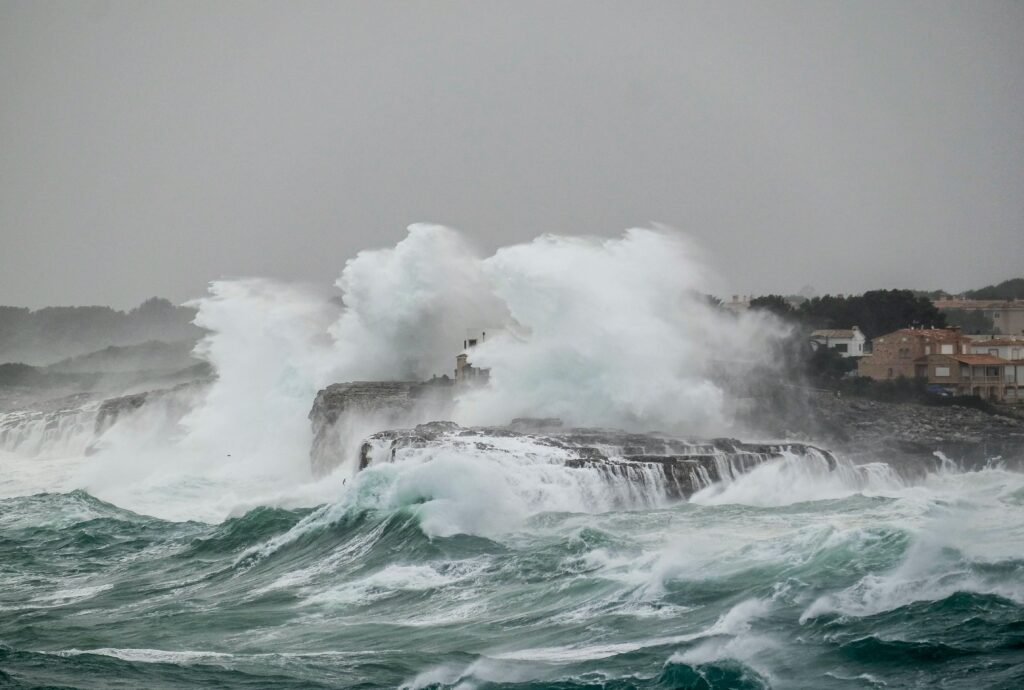
Galveston’s seawall was built for storms of a different era. A future megastorm in the Gulf could produce a surge tall enough to overtop portions of the barrier, channeling water into densely built areas behind it. The island’s flat topography means the surge moves fast once it crosses the initial line of defense.
Wind driven waves add another layer of damage, carving away beaches and pushing sand across roads and structures. Recovery becomes complicated because the storm reshapes the island’s physical outline, not just its homes and businesses.
10. San Diego sees cliff failures and widespread coastal erosion.
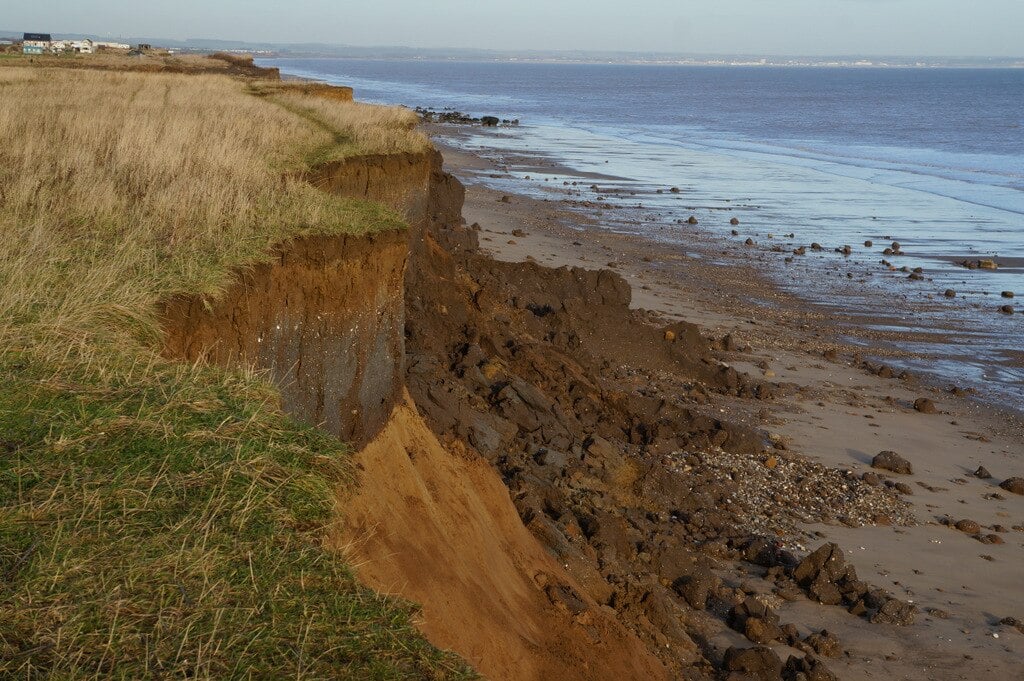
A megastorm directed at Southern California would arrive as a powerful Pacific atmospheric system with extreme rainfall and punishing surf. San Diego’s coastal cliffs, already under stress from long term erosion, could fail in multiple sections. High energy waves threaten infrastructure along the shoreline, including rail lines and low lying neighborhoods.
Inland, rainfall would trigger flash flooding in canyons that funnel water toward urban streets. Even areas far from the coast would feel the storm’s reach, and the coastline that returns afterward might look unfamiliar, reshaped by weeks of relentless erosion.