
Behind-the-scenes tensions are fueling nuclear test discussions.
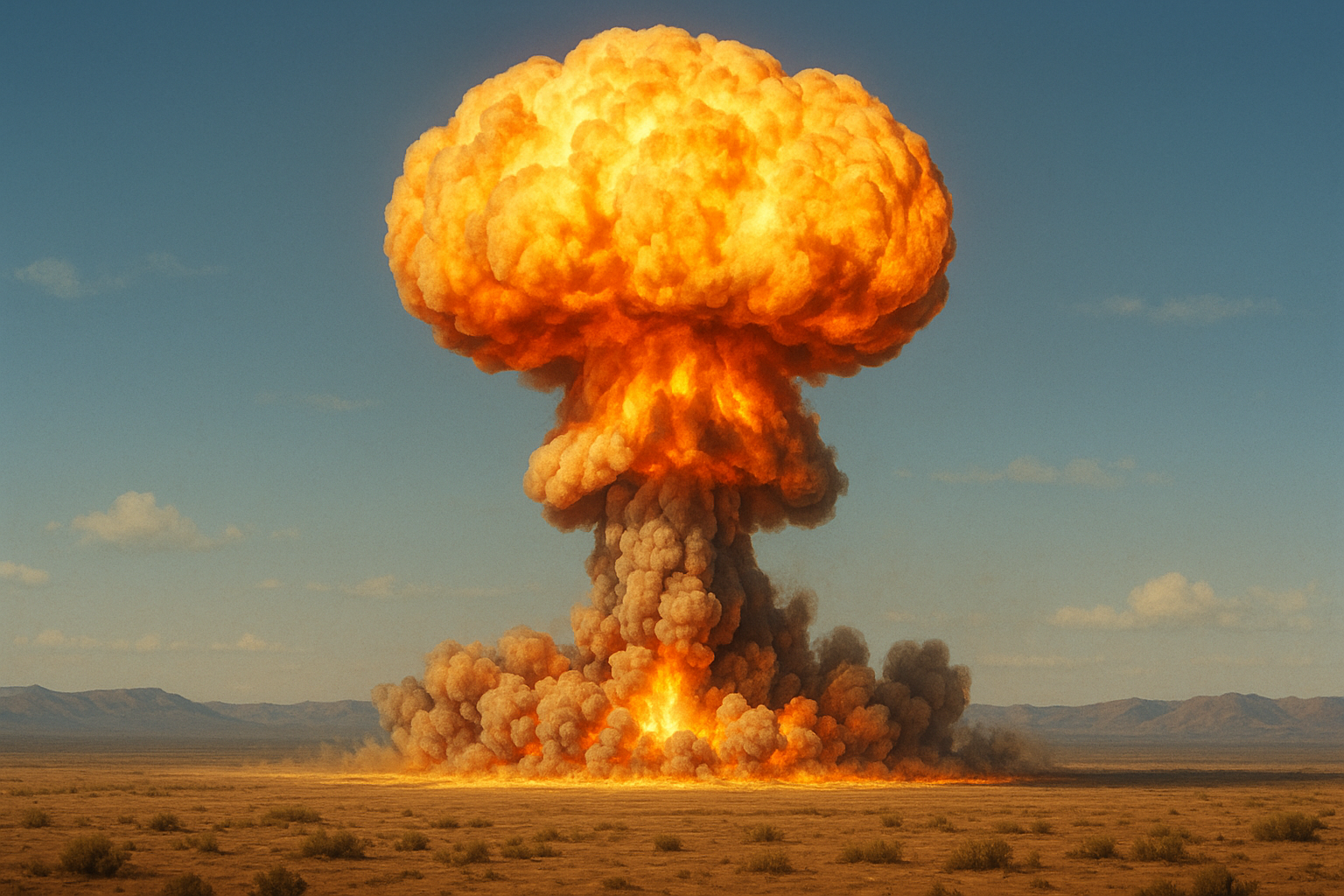
For decades, the United States has relied on computer models and subcritical experiments to maintain its nuclear arsenal without detonation. But new whispers inside defense circles suggest that the era of restraint might be shifting. Recent reports from national laboratories and the Pentagon hint at renewed debate over physical testing. The reasoning isn’t about aggression, officials insist, but verification, reliability, and power projection in an increasingly unstable world. Beneath that calm explanation, though, lies a far deeper story of technological competition, political pressure, and global unease—where even a single test could change everything we think about deterrence.
1. Concerns grow that aging warheads may no longer be reliable.
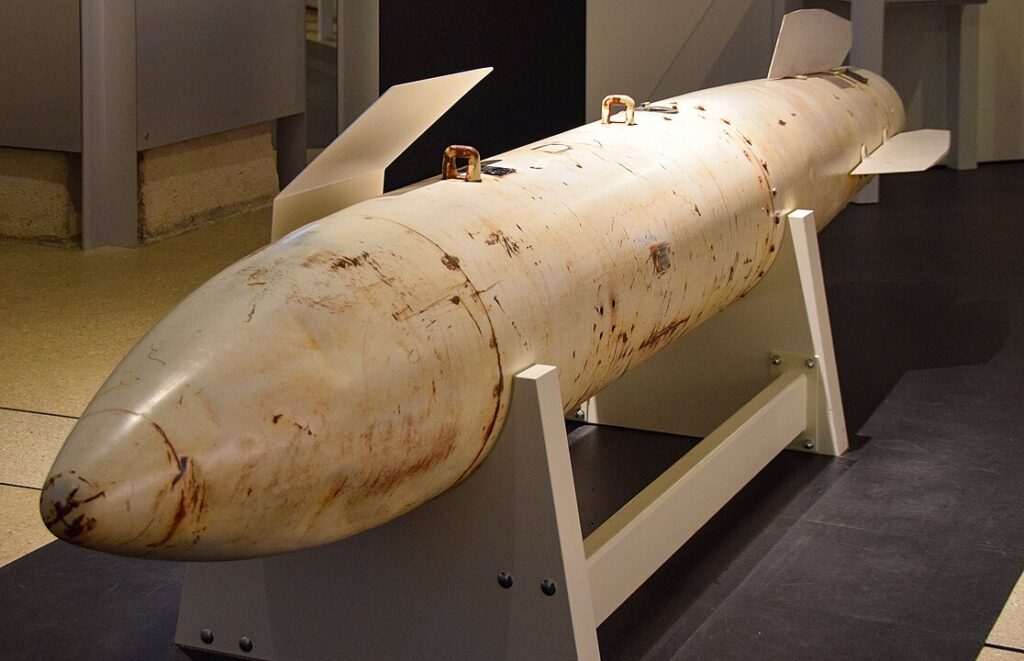
Many of America’s nuclear weapons date back to the Cold War, and scientists worry about how long those systems can remain trustworthy without actual detonations. The U.S. has relied on simulations and laboratory data to monitor plutonium cores, but material decay is unpredictable over decades. A single computational miscalculation could undermine deterrence credibility. Experts at Los Alamos National Laboratory have reportedly raised concerns about whether advanced computer testing can replace the assurance of a real detonation, according to the U.S. Department of Energy. Those quiet doubts are now echoing through classified meetings and political halls alike.
2. China and Russia are testing new delivery systems rapidly.

As global powers modernize their arsenals, the United States faces growing pressure to demonstrate it can still lead technologically. Russia’s hypersonic systems and China’s expanding silos have intensified unease among defense planners. Intelligence agencies suggest that both nations have conducted low-yield or subcritical experiments to refine weapon performance. Washington’s restraint may now feel like vulnerability, especially when adversaries appear unconstrained. This growing imbalance in deterrence strategy could push U.S. leaders toward symbolic or limited testing, as stated by the Federation of American Scientists. It’s a cold calculation with hot implications for global security.
3. Advanced computing can only simulate so much uncertainty.

The United States has invested billions in supercomputers capable of modeling nuclear reactions in stunning detail, yet real-world results remain partly theoretical. Even a minor deviation between data and reality could have catastrophic consequences if left untested. The challenge lies in physics itself—extreme pressures and temperatures simply can’t be recreated perfectly on screens. As reported by the Lawrence Livermore National Laboratory, many engineers quietly argue that verification requires occasional empirical confirmation. It’s the digital age’s paradox: the more we rely on models, the more we crave something tangible to prove them right.
4. Political pressure inside Washington is quietly intensifying.

Defense hawks argue that deterrence without demonstration is hollow. Others fear that even one test could shatter decades of nonproliferation diplomacy. The divide between these camps has deepened as global instability grows. Congressional hearings have begun probing the readiness of testing facilities in Nevada, while classified briefings hint at revived site preparations. Behind closed doors, the question isn’t simply if testing should resume—but how soon it might. For many lawmakers, signaling capability is becoming as important as the capability itself, especially with rival nations showcasing their own destructive progress.
5. Rising tensions with adversaries are reshaping deterrence logic.

The old doctrine of mutual assured destruction still hangs over geopolitics, but the world has changed since the 1980s. Cyber threats, precision weapons, and shifting alliances now blur the boundaries of deterrence. Testing, for some strategists, would serve not only as reassurance but as a warning—a visible reminder of what remains under U.S. control. Others view it as dangerously outdated theater. Either way, the logic behind nuclear deterrence is once again under review, with emotions running higher than most officials care to admit.
6. The Nevada Test Site remains quietly operational and ready.
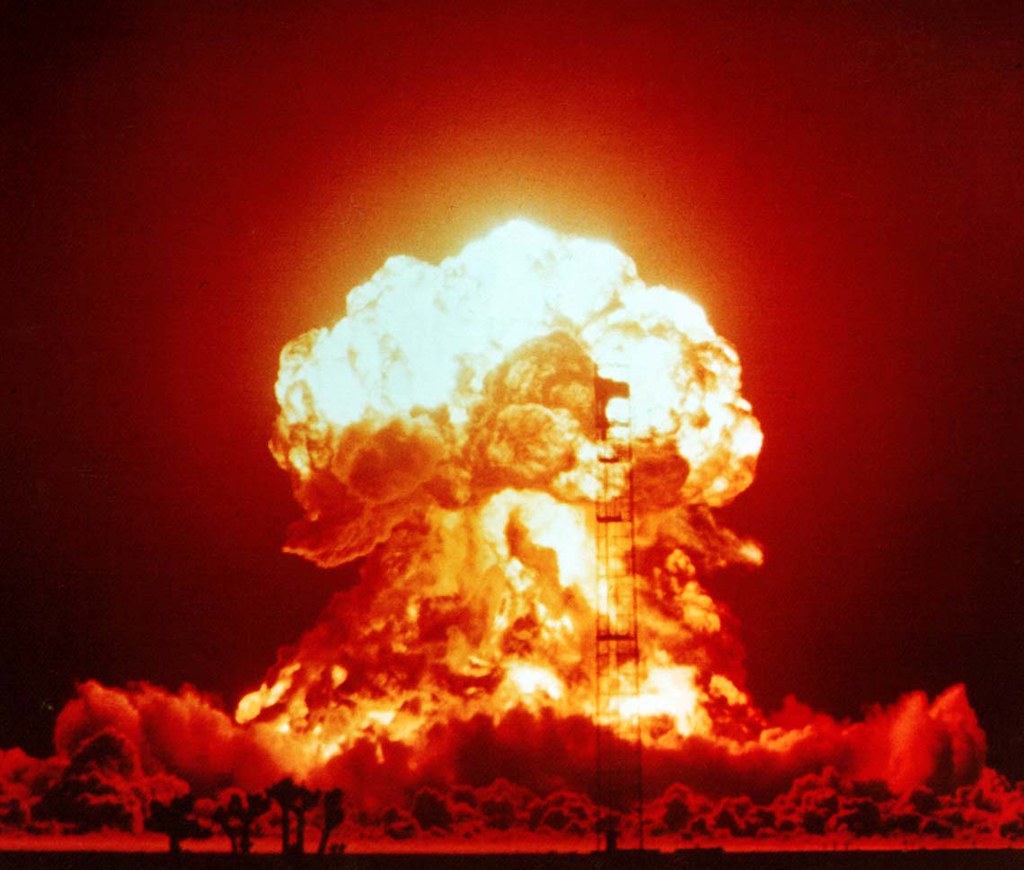
Though dormant for over thirty years, the Nevada National Security Site never fully shut down. Crews continue to maintain its tunnels, monitoring stations, and containment systems for readiness. Equipment once mothballed is being recalibrated for modern standards. While officials insist no new detonations are scheduled, the steady hum of maintenance suggests otherwise. The idea is to stay ready, just in case. For many inside the defense complex, readiness itself has become a form of deterrence—proof that the switch could still be flipped if diplomacy falters.
7. Nonproliferation agreements are showing visible strain worldwide.

The Comprehensive Nuclear Test Ban Treaty remains unsigned by several key nations, leaving its enforcement uncertain. As global trust erodes, countries are questioning the value of restraint when others may already be testing covertly. Each suspected experiment, denied or confirmed, weakens the moral fabric that held the treaty together. The United States, by even considering a test, risks unraveling decades of international confidence. Still, some argue that transparency about testing might stabilize the system rather than undermine it. It’s a fragile line between leadership and escalation.
8. Technology gaps in newer materials require physical proof.
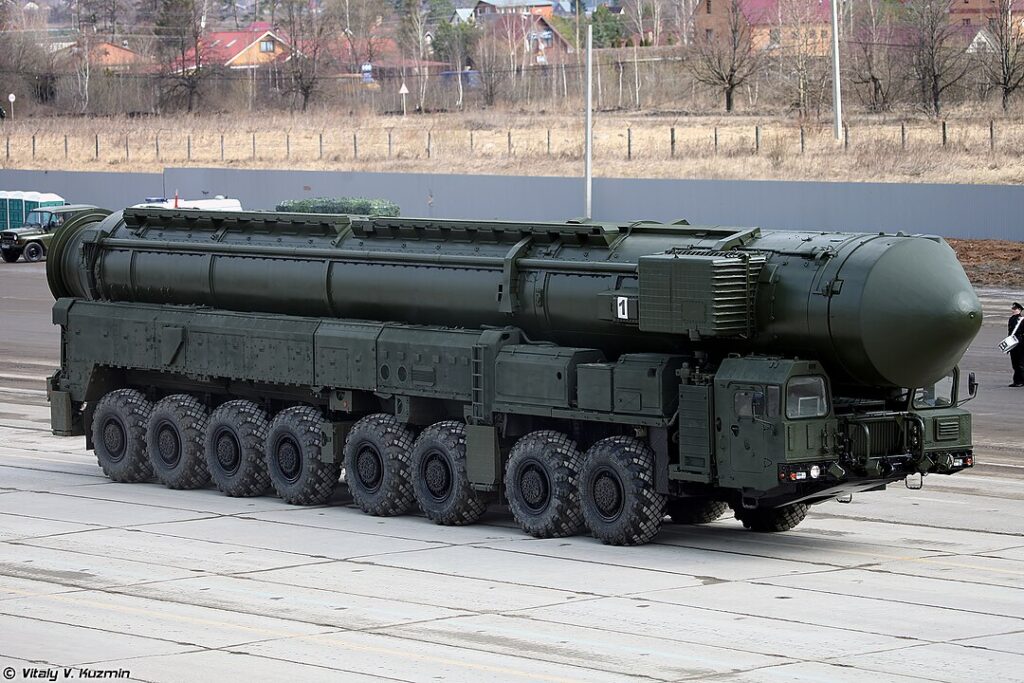
Modern warheads rely on advanced alloys, composites, and miniature detonators that older tests never validated. Engineers can model these materials, but their long-term reactions under extreme stress remain uncertain. Physical testing could confirm new theories about stability and energy output. The challenge, however, lies in doing so without triggering diplomatic backlash. Every scientific advance inside the lab pulls against political caution outside it. The two forces circle each other like magnets, each waiting for the other to break first.
9. Military planners fear a credibility gap in deterrence.

If adversaries begin to doubt the United States’ willingness or ability to use its nuclear arsenal, deterrence could crumble. This psychological dimension drives much of the renewed testing debate. It’s not about firing weapons, but about ensuring the threat feels real. For decades, that credibility came from reputation alone. Now, as technology and rhetoric evolve, policymakers question if silence still holds power—or if a demonstration is needed to remind the world that capability remains unquestioned.
10. Testing talk reflects a deeper fear of global instability.

Beneath the technical arguments and political posturing lies a shared anxiety about the future. The world’s nuclear balance feels less stable, more unpredictable, and far more intertwined with new technologies. The U.S. debate about testing is not just about weapons—it’s about control, fear, and reassurance in a world teetering between restraint and resurgence. If nuclear testing returns, it won’t mark a step forward or backward, but a loop—a reminder that humanity’s oldest insecurities can always find new reasons to resurface.