
The burial no one expected to matter.
For years, the grave lay in soil that seemed ordinary, offering little hint that it contained something capable of unsettling long held timelines. Archaeologists had seen burials before, modest ones that fit comfortably within accepted narratives. This one did not announce itself loudly at first. Only after careful excavation did the weight of what it held begin to register. The implications stretch beyond a single individual, challenging assumptions about when wealth, hierarchy, and symbolism truly began.
1. The Varna necropolis reshaped European prehistory.
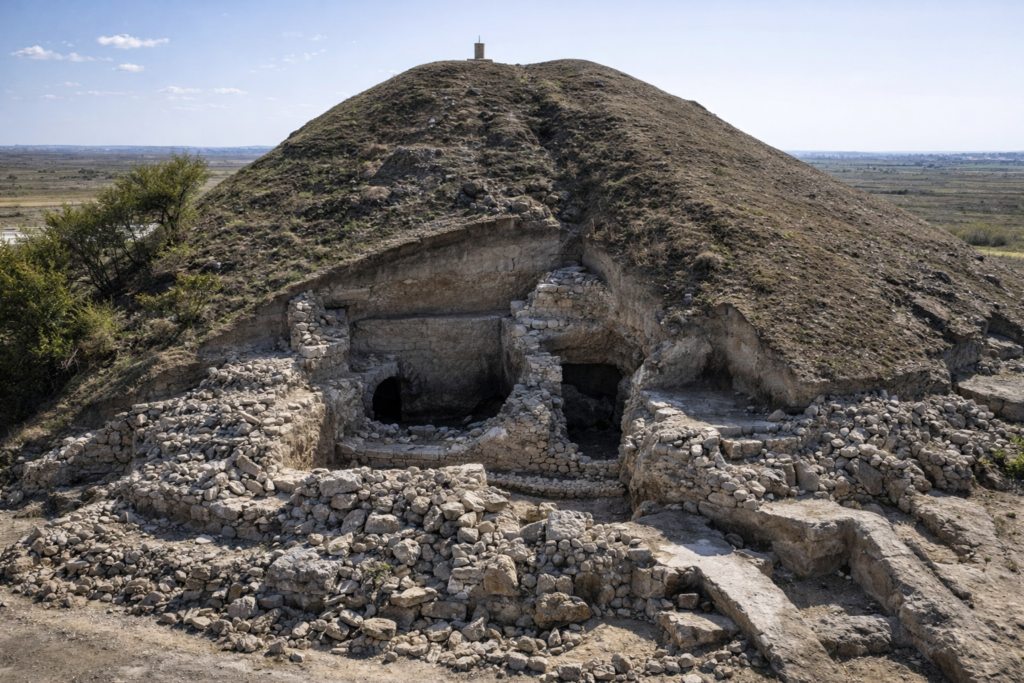
Near the Black Sea coast in northeastern Bulgaria, workers stumbled upon the Varna necropolis in 1972 during construction. What followed was systematic excavation led by Bulgarian archaeologists that uncovered nearly 300 graves dating to around 4600 to 4200 BCE.
This Chalcolithic cemetery belonged to the Varna culture. The site predates Mesopotamian city states and early Egyptian dynasties. Its discoveries would force scholars to reconsider when complex social organization and wealth display first appeared in human societies.
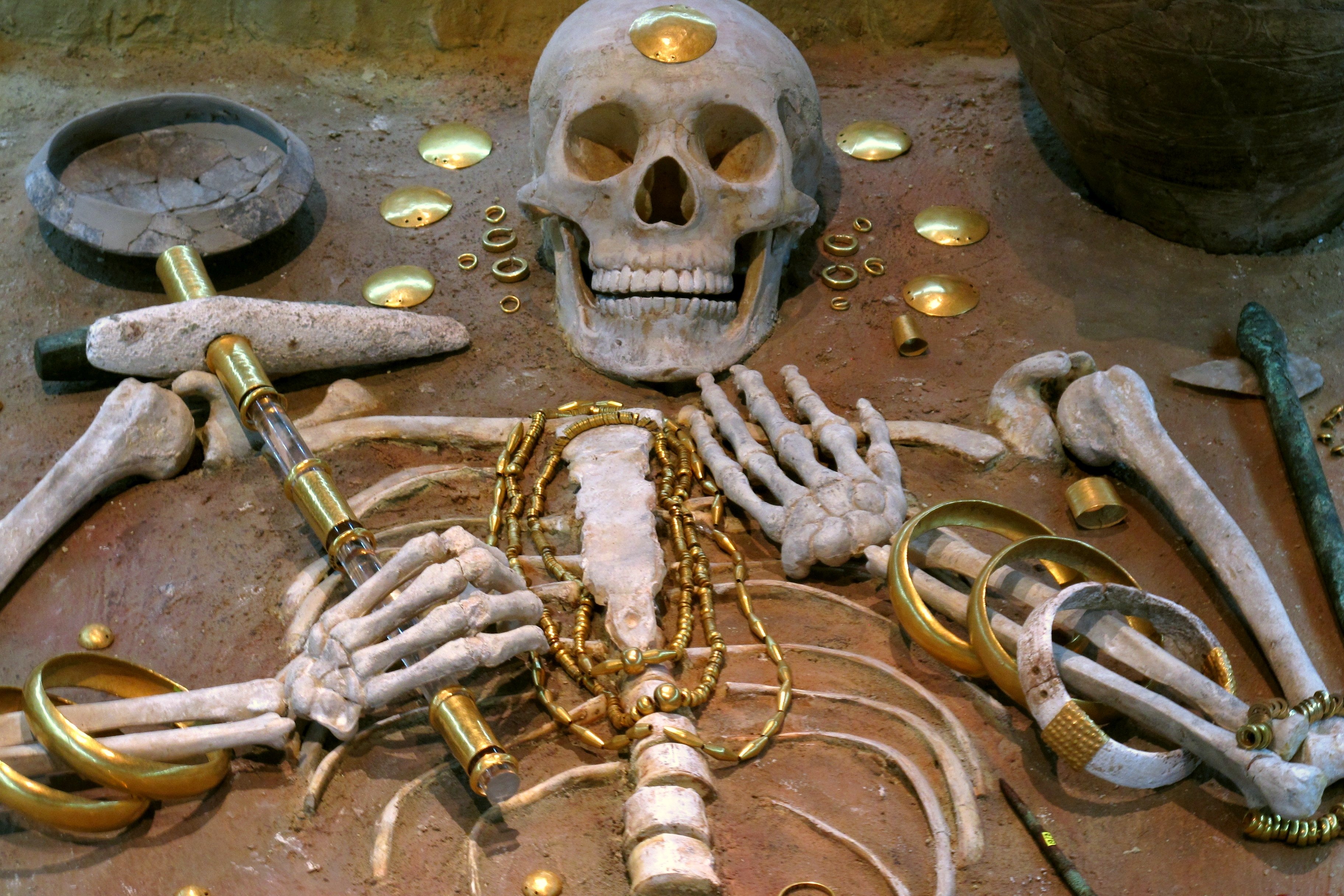
2. Grave forty three contained astonishing quantities of gold.
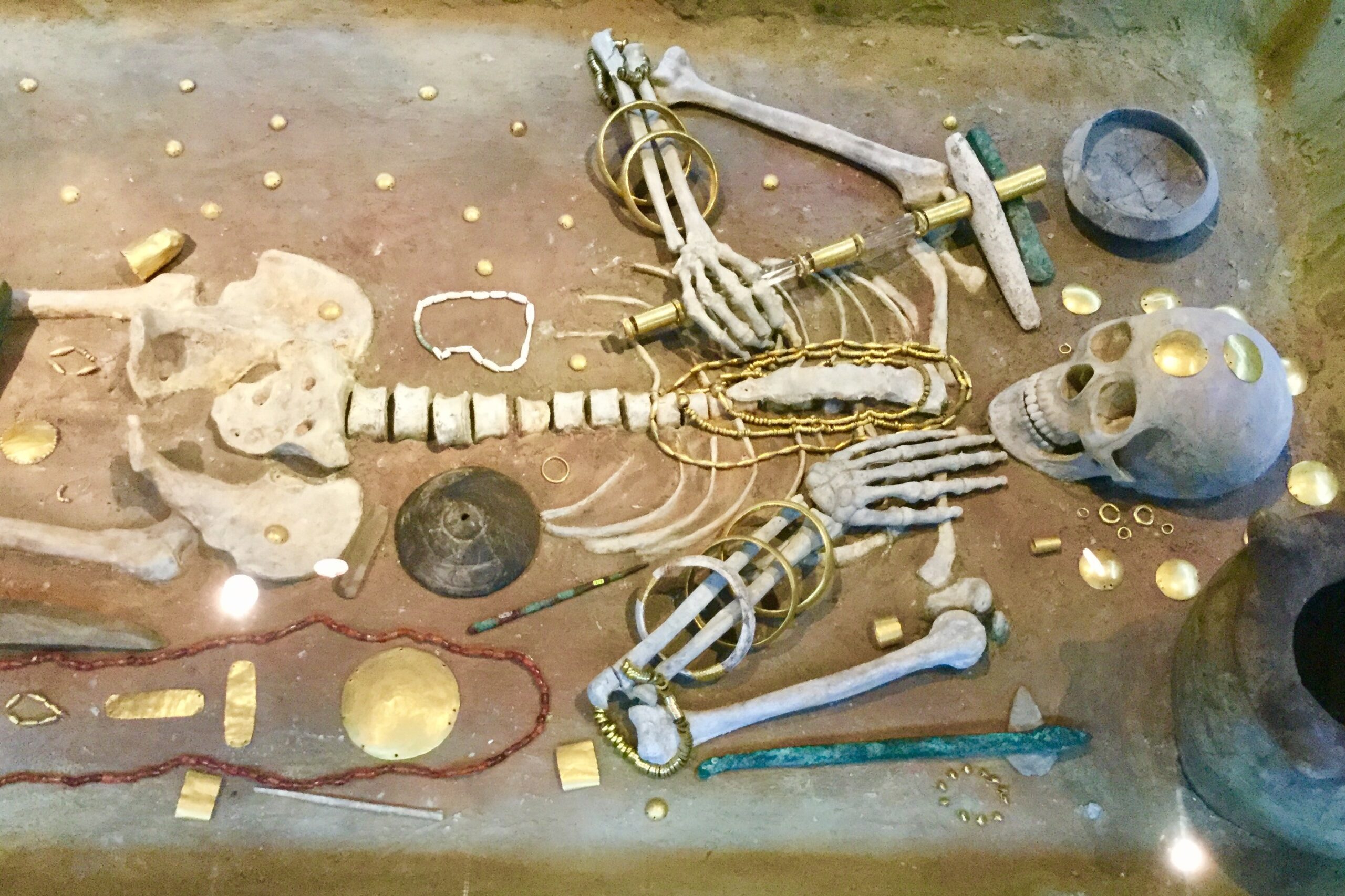
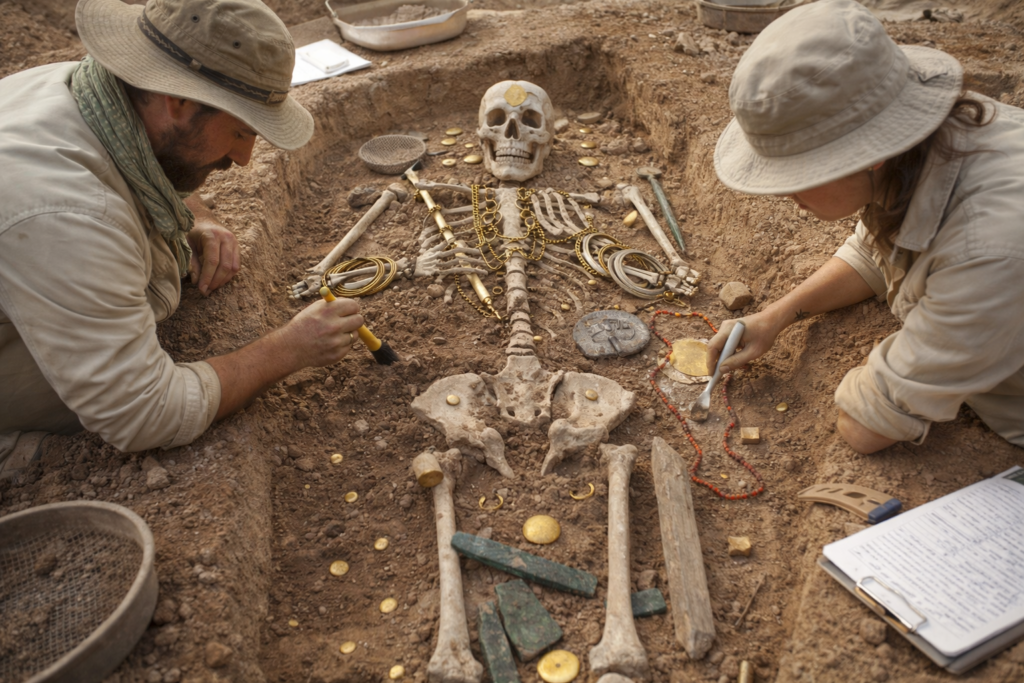
Among the burials, Grave 43 stood apart. It held the remains of a mature male accompanied by more than a thousand gold objects weighing over six kilograms. The quantity dwarfed other contemporary finds.
The gold included beads, bracelets, appliques, and ceremonial items arranged carefully around the body. Radiocarbon dating places the burial roughly 6500 years ago. At that time, no known urban civilization existed anywhere in the world.
3. The gold predates Egypt and Mesopotamia.
The Varna cemetery dates centuries before the earliest dynastic burials in Egypt and before large scale urbanization in southern Mesopotamia. That timeline unsettled assumptions placing the origins of wealth display in the Near East.
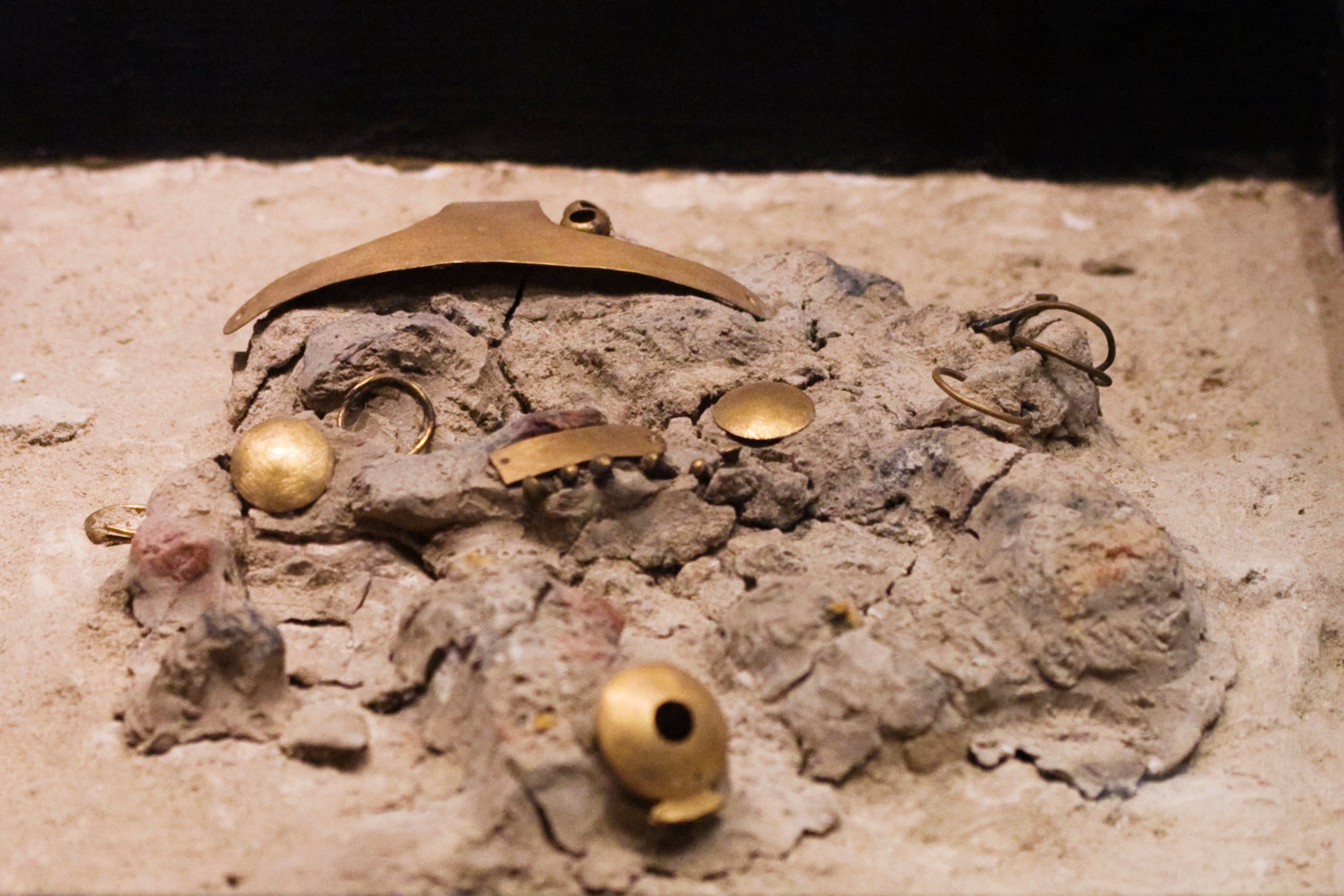
The gold objects from Varna are currently recognized as the oldest processed gold artifacts known. Their existence suggests advanced metallurgical knowledge in southeastern Europe during the late fifth millennium BCE, far earlier than many scholars once believed.
4. Metallurgical skill reveals unexpected technological sophistication.
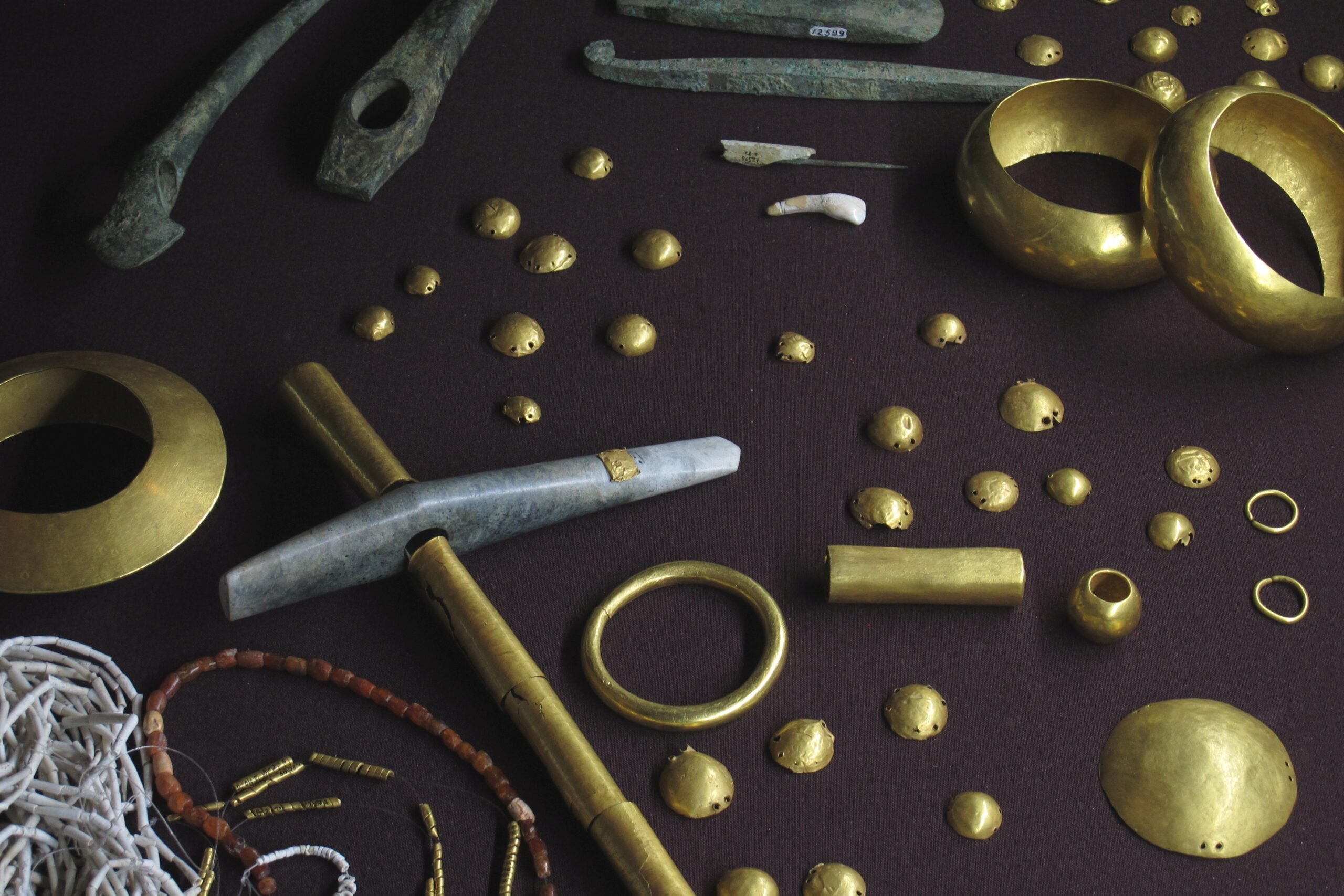
Analysis of the gold indicates it was hammered and shaped using cold working techniques. Artisans understood how to manipulate native gold without smelting, crafting intricate beads and plaques.
The sophistication implies specialized labor and knowledge transfer within the Varna culture. Such craftsmanship requires time, experimentation, and access to gold sources likely from nearby Balkan deposits. This level of specialization hints at structured communities rather than simple agrarian villages.
5. Burial wealth signals early social stratification.
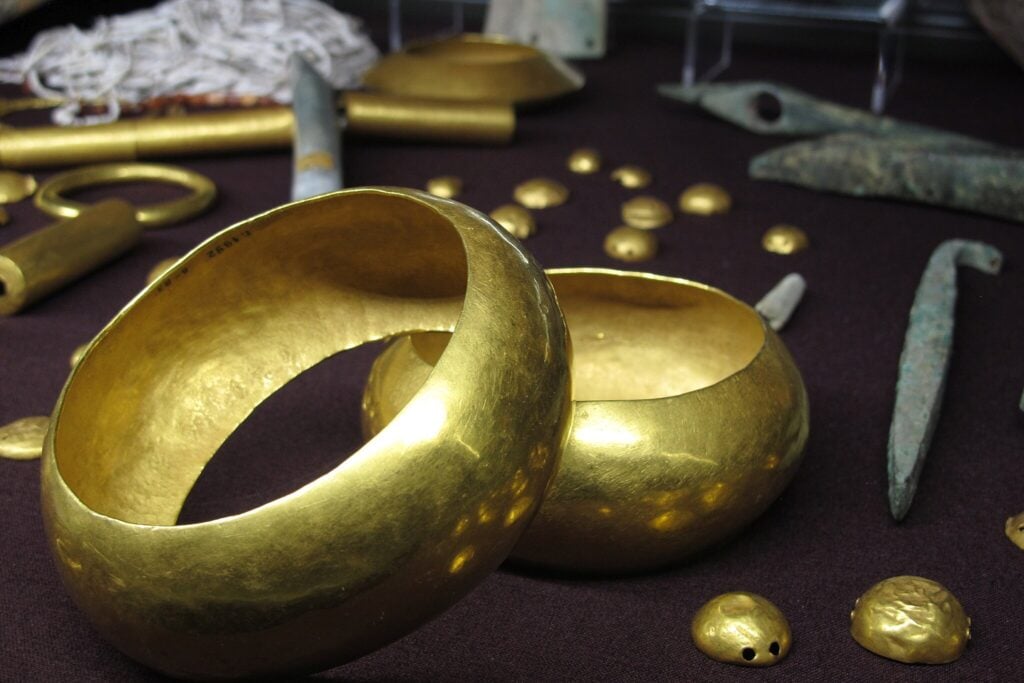
Most graves at Varna contain modest goods, but a small number hold extraordinary quantities of gold. This imbalance suggests emerging social hierarchy long before classical civilizations.
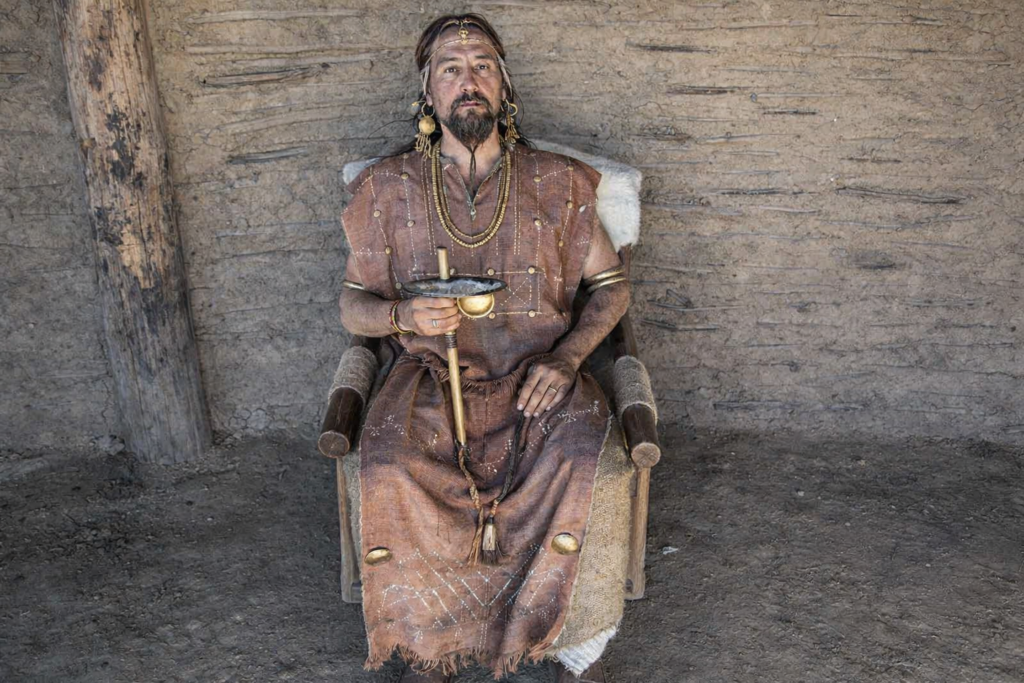
Grave 43 likely belonged to a high status individual, possibly a leader or ritual authority. The concentration of wealth indicates control over resources and labor. Inequality appears not as a late development but as a deep rooted feature of human societies.
6. Symbolic objects suggest ritual authority and power.
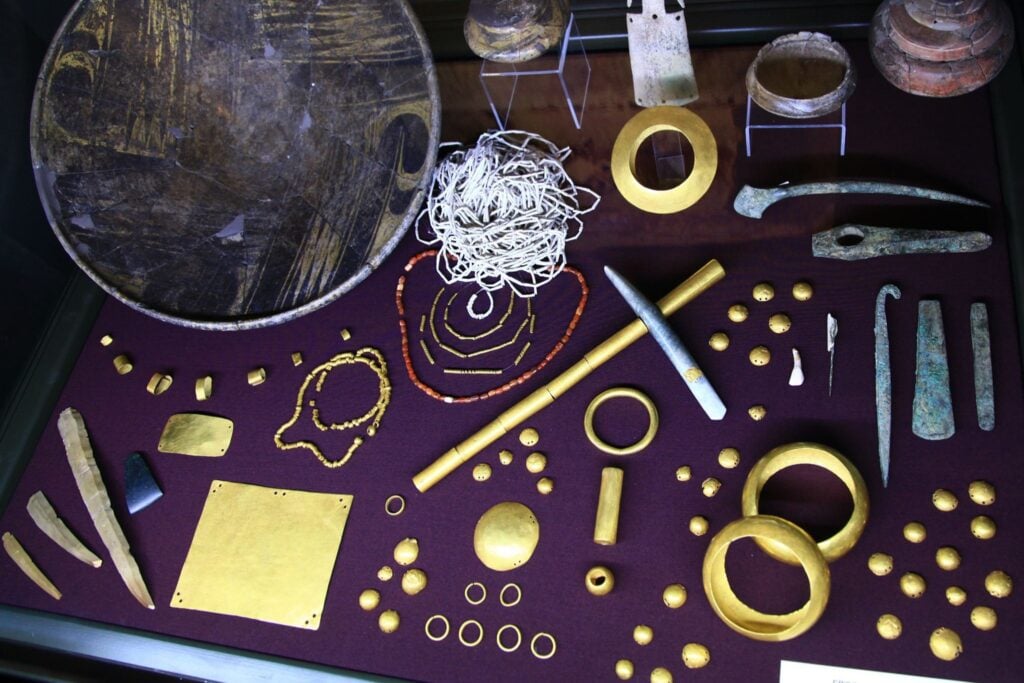
Some gold items appear purely symbolic, including scepters and decorative plates placed near the head and chest. These objects do not serve practical purposes, implying ceremonial meaning.
Their placement suggests identity expressed through display. The arrangement of gold around the body indicates intentional messaging about status, belief, and authority. Ritual elements point toward organized spiritual systems operating within the Varna culture.
7. Trade networks likely extended across the Balkans.

The presence of exotic materials such as Spondylus shell in the cemetery indicates long distance exchange. Such shells originated in the Aegean Sea, far from Varna.
This suggests that communities along the Black Sea coast participated in expansive trade networks. Gold wealth may have been intertwined with control over exchange routes. The burial therefore reflects not isolation but regional connectivity during the late Chalcolithic period.
8. The cemetery layout reflects planned community structure.
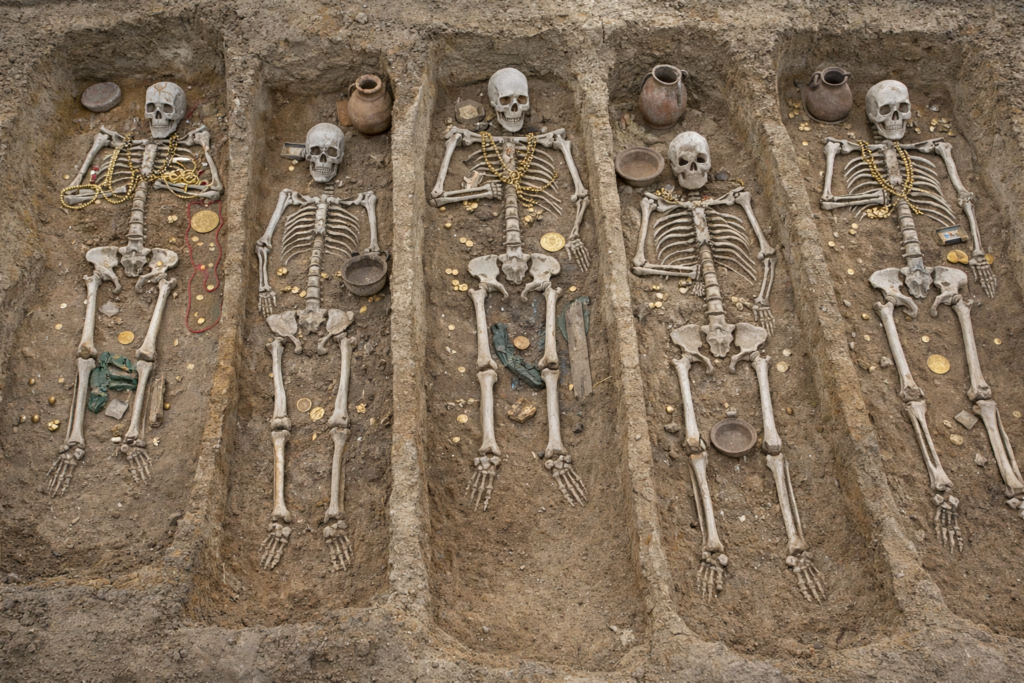
Graves at Varna are arranged in organized rows rather than scattered randomly. Spatial patterns reveal differentiation between richly furnished burials and simpler interments.
This structured layout indicates communal planning and shared understanding of social roles. The necropolis functioned as more than a resting place. It embodied the hierarchy and belief system of a society that predates conventional markers of civilization.
9. Environmental changes may have ended the culture.
The Varna culture declined around the end of the fifth millennium BCE. Some researchers point to climate shifts affecting agriculture across southeastern Europe during this period.
If environmental instability disrupted trade and production, elite structures may have collapsed. The gold laden graves remain as evidence of a society that rose and fell before written history could record its story.
10. The discovery continues influencing archaeological debate.
Since its excavation, the Varna necropolis has remained central to discussions about early inequality and complexity. Scholars debate whether it represents isolated development or part of broader southeastern European transformation.
New analytical techniques continue refining dates and material origins. The grave once considered anomalous now anchors broader conversations about when civilization truly began and who first mastered wealth, symbolism, and power.