
A forgotten desert city transforms early human timelines.
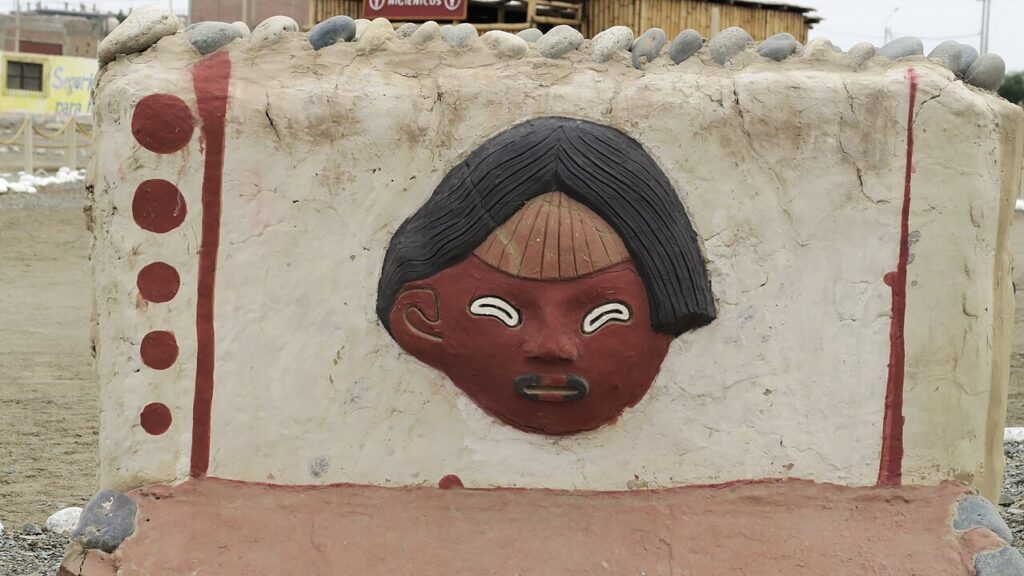
The Vichama site rises from a barren stretch of Peru’s north central coast where dunes and pale cliffs hide traces of a world far older than the Andes. Named after an ancient Andean deity linked to death and renewal, the settlement is now understood as part of the wider Caral cultural sphere, the oldest known civilization in the Americas. Around 3,800 years ago this desert center held plazas, relief sculptures and ceremonial spaces that reveal a society adapting to drought and shaping communal life with remarkable sophistication.
1. Excavations reveal a vast city shaped with precision.
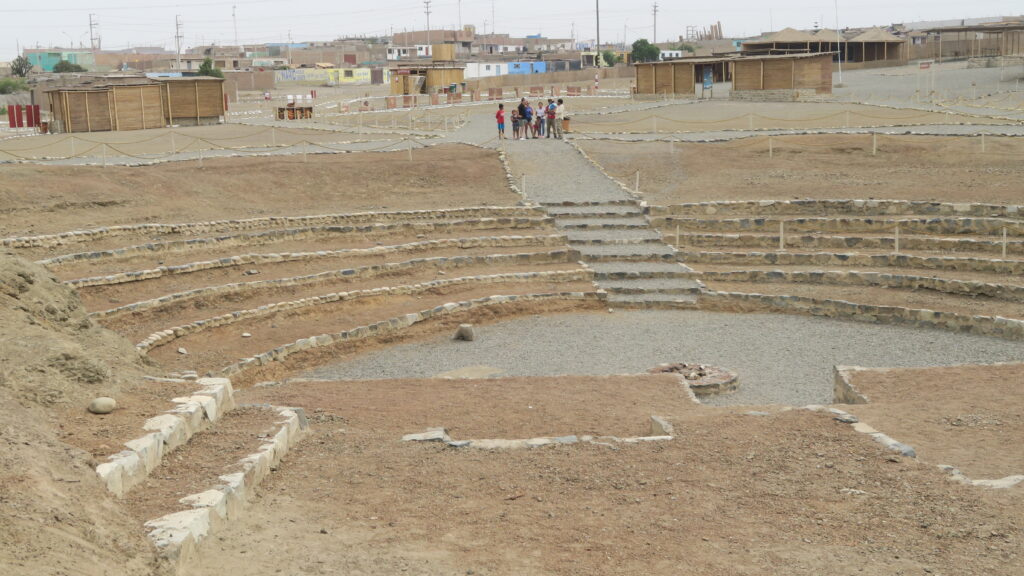
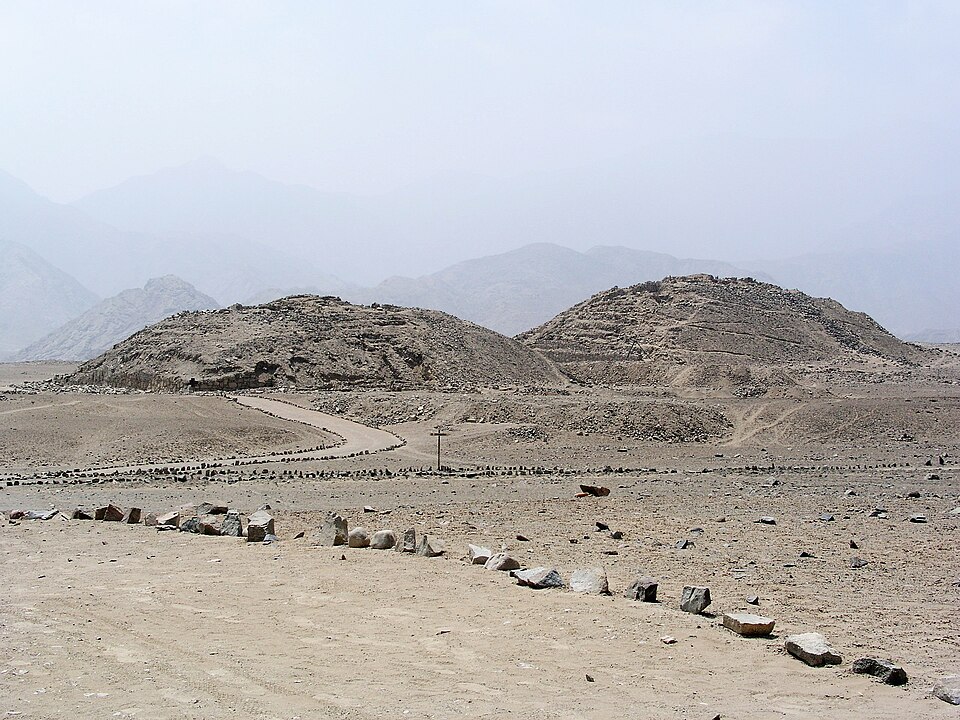
Archaeologists mapping Vichama uncovered multi level platforms, broad staircases and sunken plazas that formed a patterned urban layout. These structures spread across the sandy terrain in deliberate alignments that match hills and coastal lines, suggesting the city’s planners worked with both landscape and symbolism. The site’s architectural complexity mirrors the broader Norte Chico tradition according to Smithsonian Magazine, placing Vichama firmly among the region’s earliest large scale civic centers.
This intentional design reveals a population that built not out of necessity but vision. Homes, corridors and ceremonial structures fit together like components of a shared plan, hinting at leadership roles and coordinated labor. The city’s shape suggests citizens gathered, farmed and worshiped within a communal rhythm, showing the very beginnings of organized Andean urban life.
2. Relief sculptures tell stories of drought and survival.
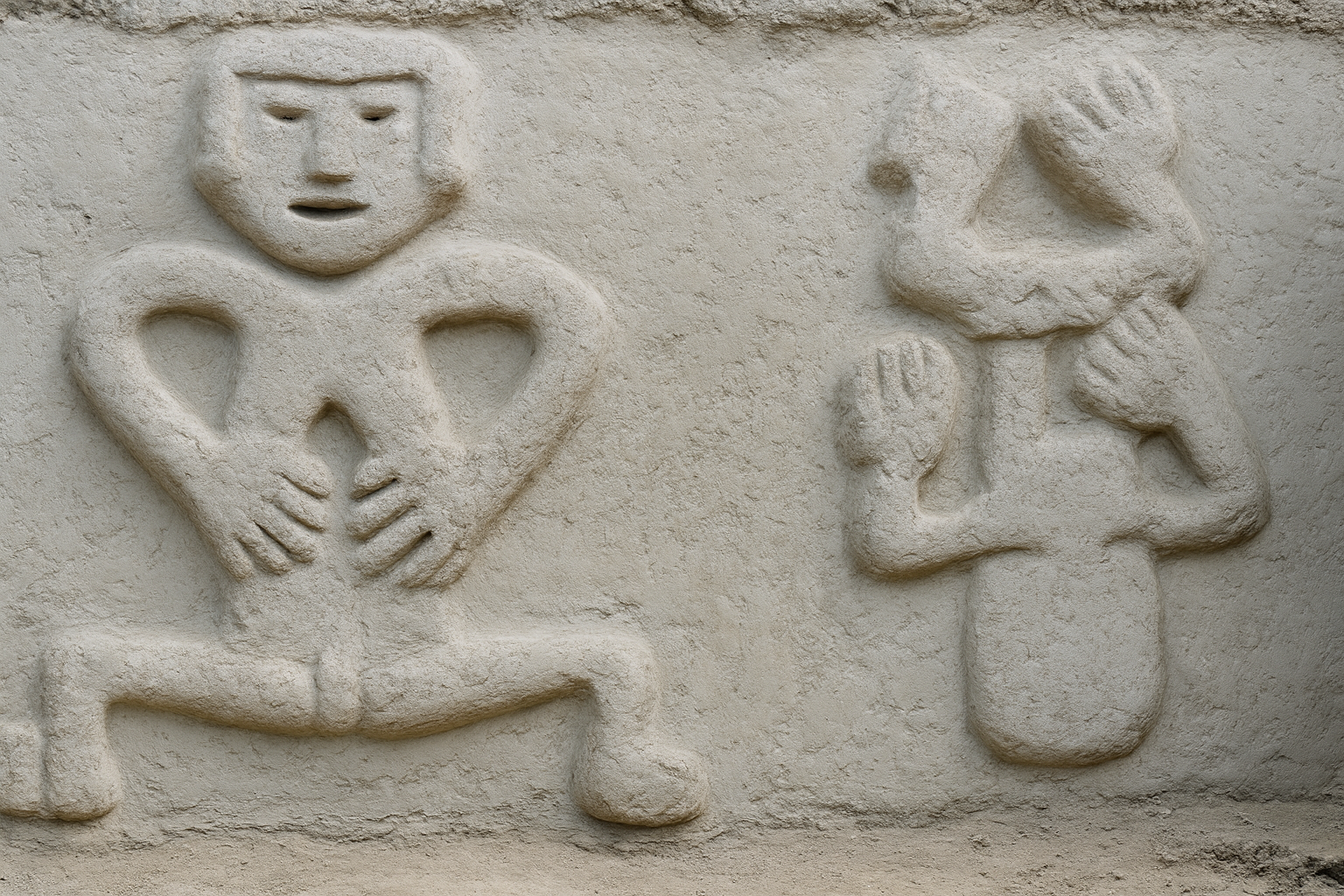
Vichama is famous for its striking wall reliefs, carved into clay plaster and preserved for nearly four millennia. Many depict emaciated human figures, serpents rising from the ground and symbols of water scarcity. These images are read as a record of devastating climate shifts, a theme supported by broader research into Andean drought cycles as stated by National Geographic. The art suggests that environmental crisis shaped both Vichama’s identity and its ceremonial priorities.
Each relief panel reveals a city interpreting hardship through imagery rather than text. Residents carved narratives into the walls of public buildings, turning communal memory into permanent form. These artworks imply a community attempting to withstand environmental collapse through shared belief and collective adaptation. They are emotional, haunting and historically significant.
3. Vichama strengthens the early timeline of South American civilization.
Radiocarbon dating places the site at roughly 1800 to 1500 BCE, aligning it with the late phase of the Caral civilization. Its architecture and ceremonial structures show that urban life continued in the region even as earlier centers like Caral evolved or waned. This continuity supports broader hypotheses about long lasting cultural networks across Peru’s desert coast as discovered by the journal Nature. Vichama’s presence fills a critical gap in the early Andean timeline.
Its role becomes clearer with each uncovered structure. The city appears not as an isolated outpost but as a regional node in a civilization that valued engineering, ritual and environmental adaptation. Vichama proves that South American complexity began far earlier than previously assumed, reshaping the entire narrative of early urban development.
4. Monumental platforms reveal a culture built around ceremony.
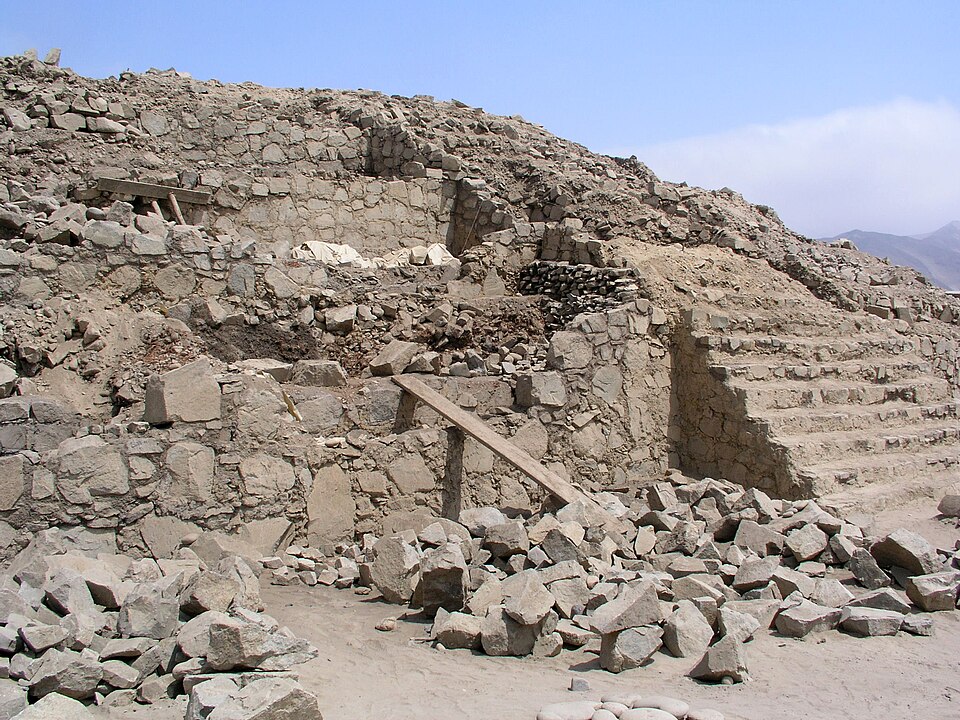
The city’s tallest structures rise in stepped layers, connected by staircases that guide visitors toward elevated ceremonial spaces. These platforms overlook the surrounding desert, creating gathering points where ritual performance and community decision making likely intertwined. Their construction required organized labor and shared purpose, suggesting a civic identity grounded in collective effort.
The elevated vantage points would have carried symbolic weight. Leaders or ritual specialists may have addressed the population from these heights, linking authority with the landscape. The platforms also anchored processions, seasonal gatherings and events that unified residents through shared cosmology.
5. Residential zones reveal tightly knit community life.
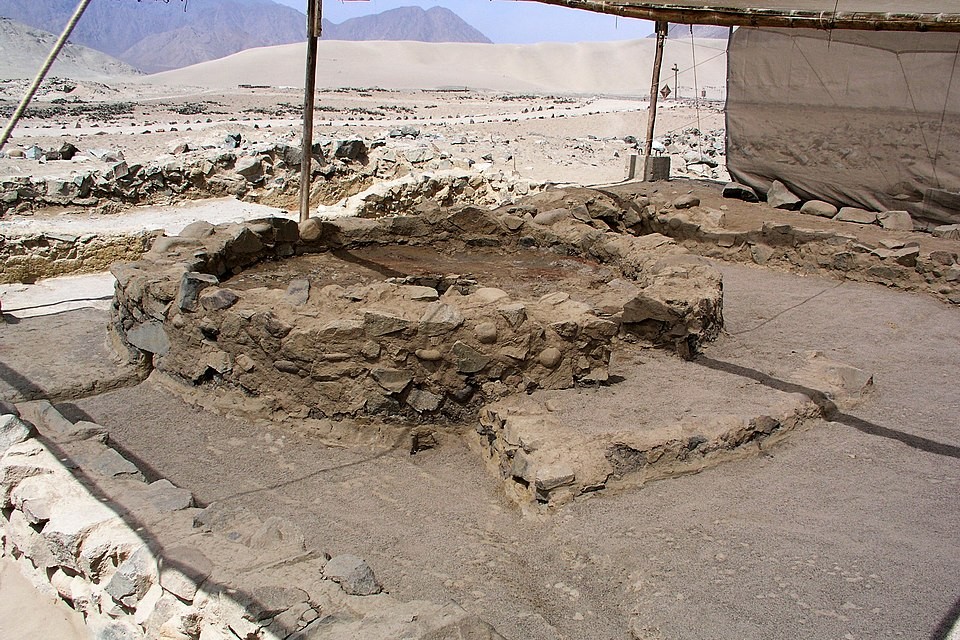
Clusters of domestic rooms built from mudbrick and cane show households arranged in close proximity. Grinding stones, hearths and textile tools indicate families engaging in agriculture, weaving and food preparation within small shared courtyards. These spaces reflect a lifestyle that balanced work, ritual and cooperation in ways that supported a large and stable population.
Their arrangement suggests social cohesion. Pathways link homes to plazas and communal areas, implying that daily life included regular participation in citywide activities. The residential layout paints a picture of a society structured around both domestic routine and collective identity.
6. Water management shaped Vichama’s survival strategies.
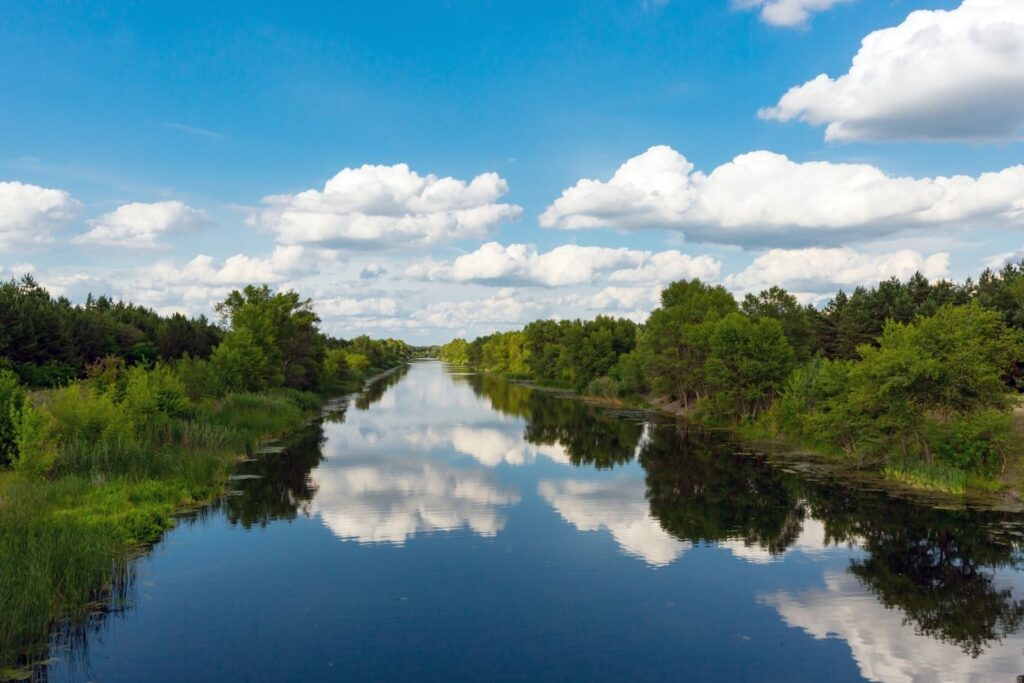
Archaeologists found irrigation channels and modified terraces that directed seasonal river flow into controlled farming zones. These features reveal knowledge of drought resistant agriculture and coordinated water distribution, both essential for living in a desert environment. Residents managed crops like squash, beans and cotton using a system refined over generations.
This agricultural network highlights both innovation and necessity. As precipitation patterns shifted, the community relied on shared maintenance of canals and terraces to sustain food supplies. Their ability to adapt water systems over centuries demonstrates remarkable resilience in the face of an unforgiving climate.
7. Long distance exchange links Vichama to coastal and inland networks.
Artifacts crafted from non local stone, shells and mineral pigments show that residents traded far beyond their valley. These materials originated from coastal regions, highland zones and neighboring valleys, revealing a network that connected multiple cultural centers. Exchange likely supported ceremonial life and economic stability.
These connections strengthened the city’s importance. By participating in regional exchange, Vichama gained access to specialized goods and technologies. Such networks were essential for communities navigating harsh environments, allowing the city to thrive despite limited local resources.
8. Architectural alignments hint at astronomical significance.
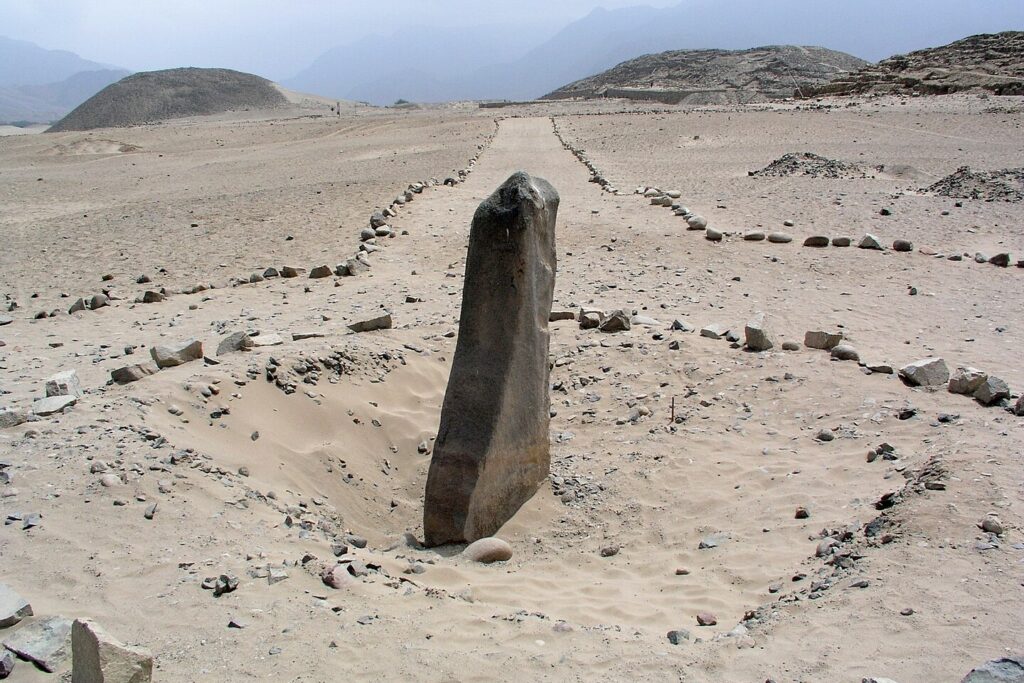
Several structures appear positioned to align with solar events, particularly solstice sunrises. This pattern fits broader Andean traditions where cosmic cycles shaped ritual calendars. If Vichama followed similar practices, astronomical observation would have guided ceremonies, planting schedules and community gatherings.
These alignments reveal how residents connected their physical environment with cosmic order. The desert horizon became part of their ceremonial experience, anchoring belief systems in predictable celestial movement. This interplay between astronomy and architecture strengthened cultural identity.
9. Construction phases show a city adapting over centuries.
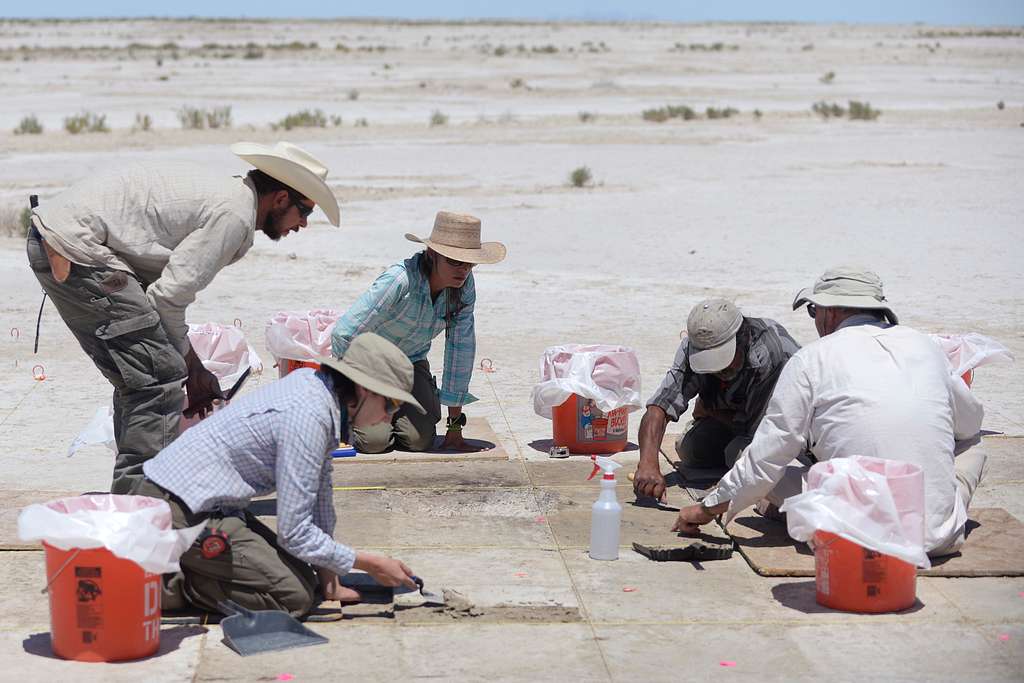
Excavation layers reveal multiple building episodes, each one modifying earlier structures. Some walls were reinforced, while others were replaced entirely as the city evolved. These shifts suggest changing leadership, growing populations or responses to environmental conditions. Vichama was not static but dynamic, adjusting its layout as needs changed.
These construction cycles show a society willing to rebuild rather than abandon its home. Even as drought intensified, residents reshaped their city with determination. That resilience is evident in every reconstructed staircase and reinforced wall.
10. Vichama transforms the story of early Andean development.
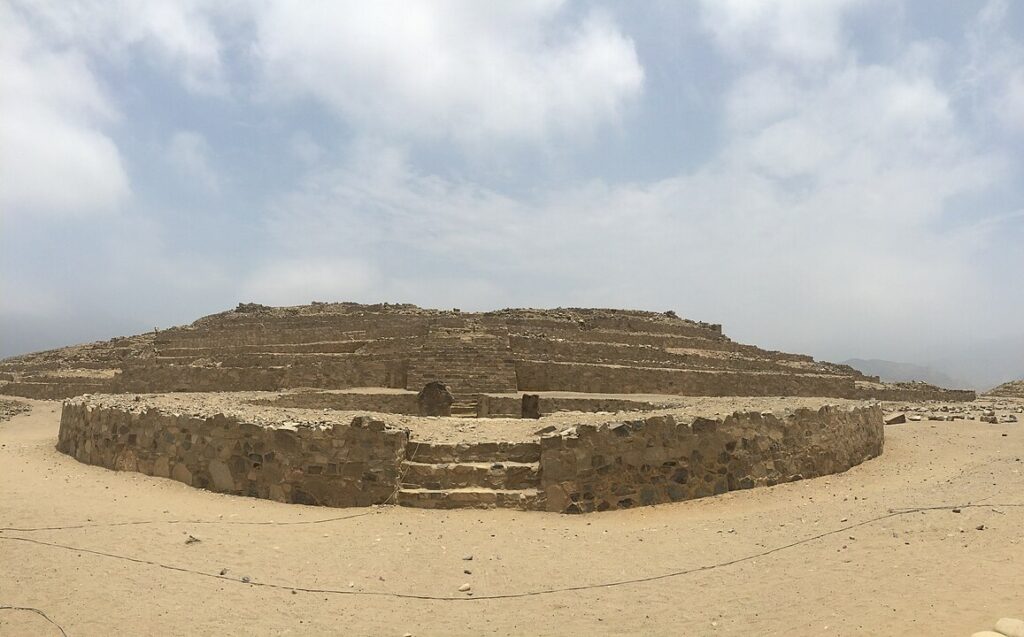
The site proves that large scale organization existed along Peru’s desert coast far earlier than once believed. Its ceremonial art, urban planning and agricultural innovation challenge the assumption that early American civilizations emerged slowly. Instead, Vichama reveals a society capable of complex adaptation, shared ideology and sophisticated engineering thousands of years ago.
For modern researchers, the city offers a rare window into ancient resilience. Its plazas and reliefs speak from a time when communities carved their struggles into stone and survived through cooperation. Vichama’s rediscovery brings that ancient world back into view.