
A routine project uncovered something history never finished hiding.
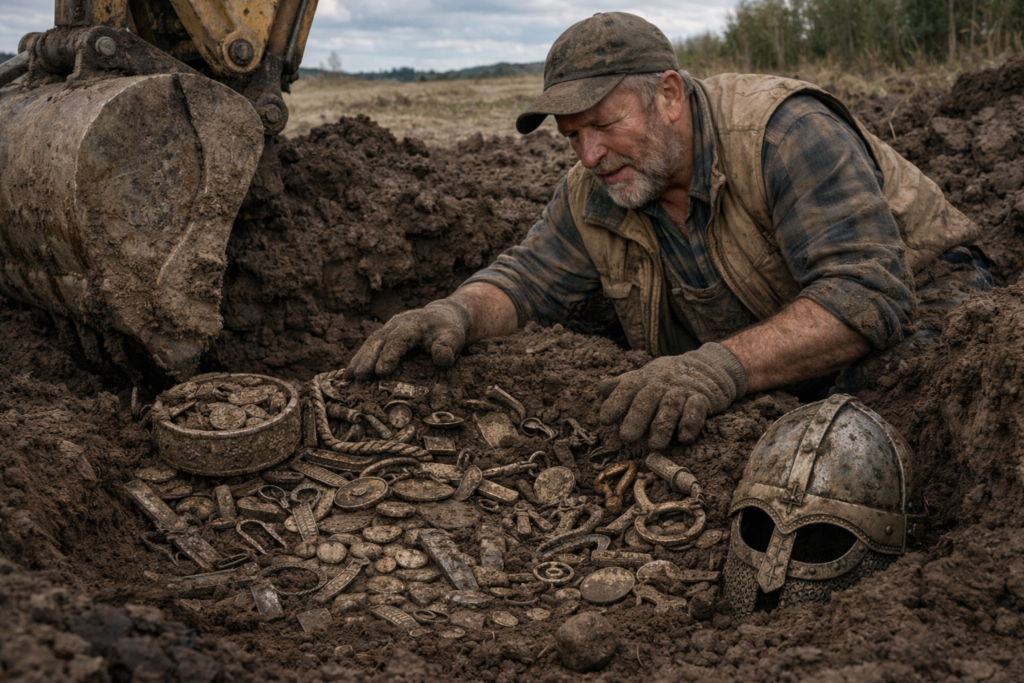
The road was meant to save time, not rewrite history. On a quiet farm near Årdal, northwest of Oslo, a Norwegian farmer began improving an access route across his land. Soil shifted, machinery slowed, and the ground resisted in unexpected ways. What emerged next did not arrive neatly or clearly. At first, it looked like debris. Then patterns formed. The work paused. Authorities were called. And a routine construction decision suddenly carried consequences far beyond one field.
1. The first metal edge appeared where gravel should.
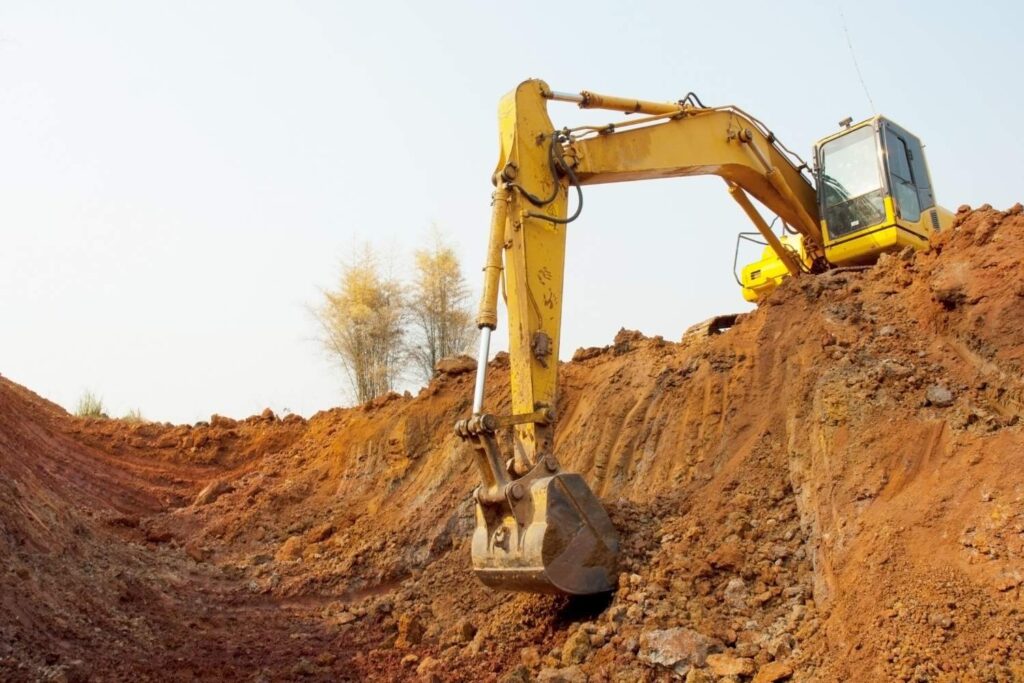
The excavator bucket scraped against something rigid, producing a sound too sharp for bedrock. The farmer stopped, unsure whether he had hit old farm equipment or buried refuse. The soil around the contact point looked disturbed in ways the land had not been before.
Closer inspection revealed worked metal rather than scrap. Its position suggested placement, not loss. That distinction mattered. In Norway, deliberate burial carries legal and cultural weight. What lay beneath was no longer the farmer’s problem alone.
2. Local officials realized the ground was no longer ordinary.
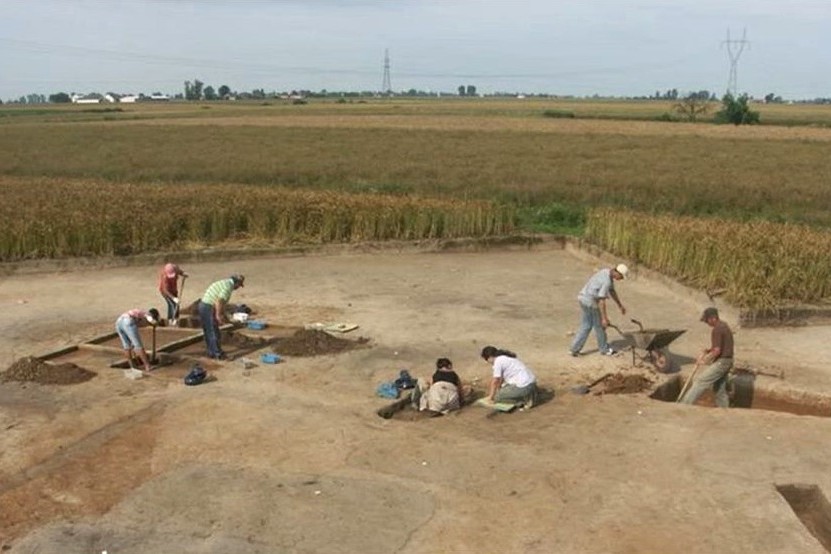
Municipal authorities arrived expecting a minor obstruction. Instead, they found soil layers inconsistent with modern disturbance. The spacing of materials suggested planning rather than accident. What began as a routine inspection shifted into a controlled site review.
Once regional archaeologists were notified, the area was cordoned off. Norwegian heritage law requires immediate protection when pre medieval artifacts are suspected. The farmer’s project halted, and responsibility quietly moved from local hands to national oversight.
3. Early soil patterns hinted at ceremonial placement.

As test pits expanded, archaeologists noticed intentional layering. Stones framed the buried objects, arranged with care rather than convenience. This was not random disposal. It suggested purpose, possibly ritual, possibly commemorative.
Such arrangements are rare outside known burial zones. The location, far from established Viking sites, complicated interpretation. If ceremonial, it challenged existing maps of regional activity. The field no longer fit cleanly within known settlement patterns, raising difficult questions early.
4. Objects recovered suggested wealth beyond everyday life.

The first items lifted were decorative, not utilitarian. Fragments showed intricate metalwork inconsistent with farming tools or household gear. Even damaged, the craftsmanship signaled status.
Items of this quality were not owned casually. In the Viking era, wealth concentrated among elites. The presence of such objects implied either a person of influence or a deliberate offering. Neither explanation aligned easily with the quiet agricultural history of the surrounding land.
5. Weapon fragments complicated the story immediately.
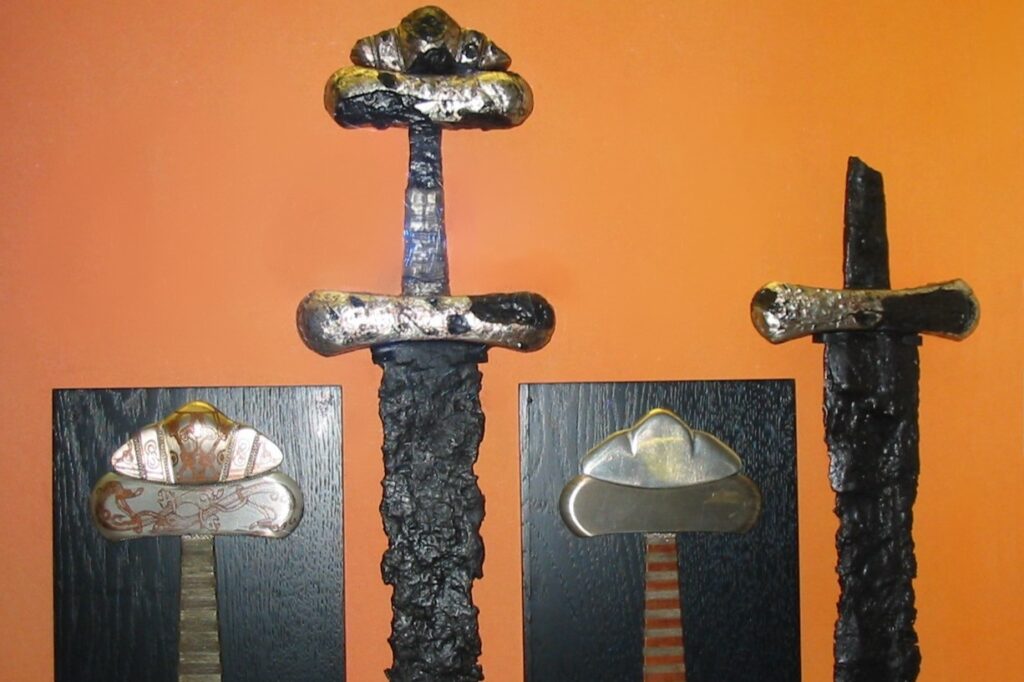
Among the finds were corroded weapon components, including blade pieces and fittings. Weapons carried layered meaning in Viking society. They represented power, lineage, and identity, not just violence.
Their placement alongside decorative items suggested intentional association. This raised the possibility of a grave rather than a hoard. Yet no human remains appeared at first, leaving archaeologists suspended between competing interpretations without enough evidence to decide.
6. The site location defied known Viking settlement logic.
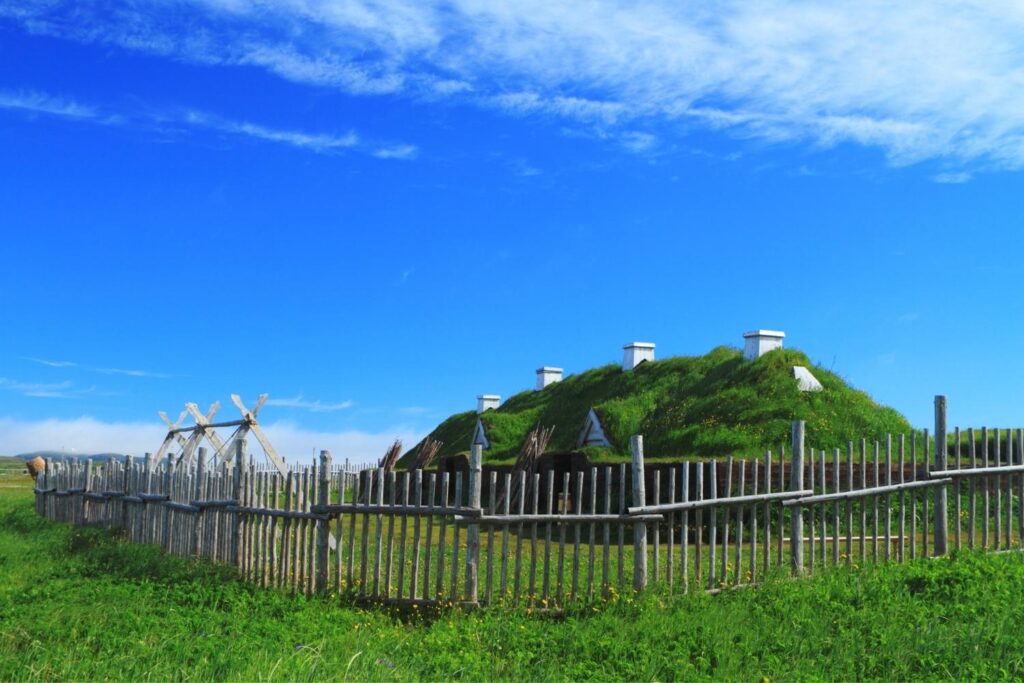
The farm sits away from major waterways, trade routes, and documented Viking centers. That absence created tension. Why bury valuable objects here, in an otherwise unremarkable location.
One theory proposed temporary routes now erased by time. Another suggested land ownership boundaries lost to history. Each explanation required rethinking how Vikings used inland spaces beyond established coastal narratives.
7. Preservation conditions kept details frustratingly incomplete.
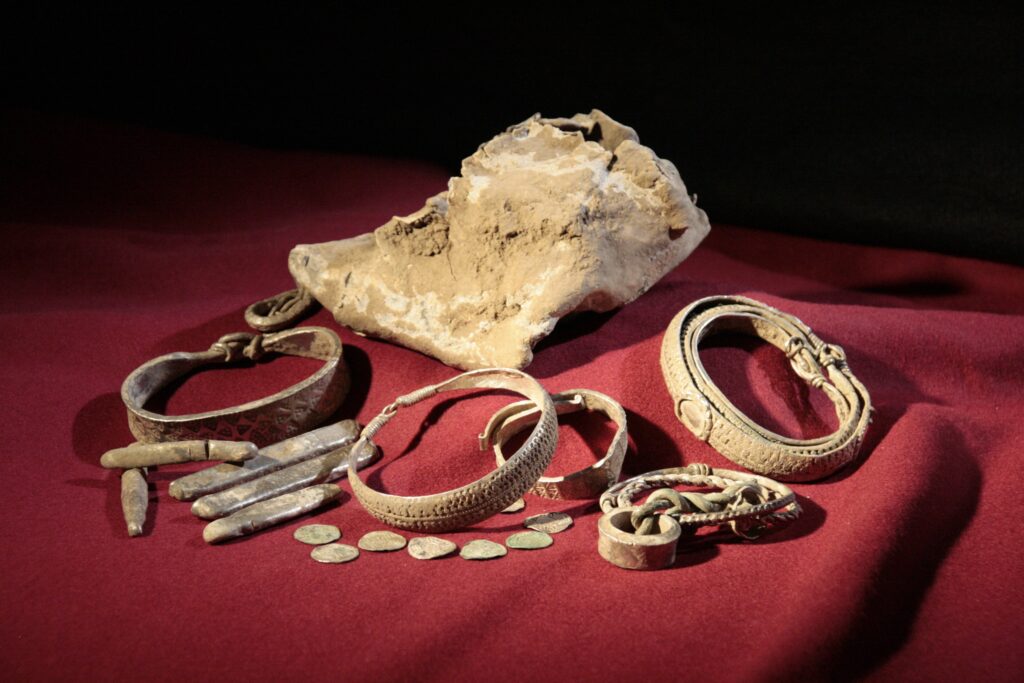
Soil acidity had eaten away organic material, leaving gaps where wood, leather, or bone might have survived elsewhere. The absence limited certainty. What remained told only part of the story.
Metal objects alone can mislead. Without surrounding materials, context collapses quickly. Archaeologists worked slowly, knowing that over interpretation could distort the site’s meaning. Every fragment raised possibilities without delivering firm answers.
8. Dating techniques narrowed time but not purpose.

Preliminary analysis placed the objects between the late eighth and early tenth centuries. That window aligned with major social shifts in Viking Norway. Expansion, consolidation, and internal conflict all marked the era.
Yet dating did not explain intent. The same period saw both elite burials and emergency hoarding. Without definitive markers, the trove resisted classification. Time was identified. Motivation remained unsettled.
9. The farmer’s land entered a protected legal status.

Once confirmed as culturally significant, the site fell under national heritage protection. The farmer lost control over the affected land, at least temporarily. Compensation discussions began, but resolution would take time.
Such protections preserve history but disrupt livelihoods. The case highlighted tensions between private ownership and collective memory. A practical road improvement had become a public responsibility with lasting implications.
10. Researchers believe the discovery may alter regional history.

The find suggested Viking activity where none was previously recorded. That alone carried weight. It implied movement, influence, or ritual beyond mapped expectations.
Future excavations may reveal connections to unknown settlements or forgotten routes. For now, the site remains open ended. Each artifact recovered answers one question while creating several more, ensuring the field near Årdal will not return to quiet anytime soon.