
The fossil that refuses to sit neatly.
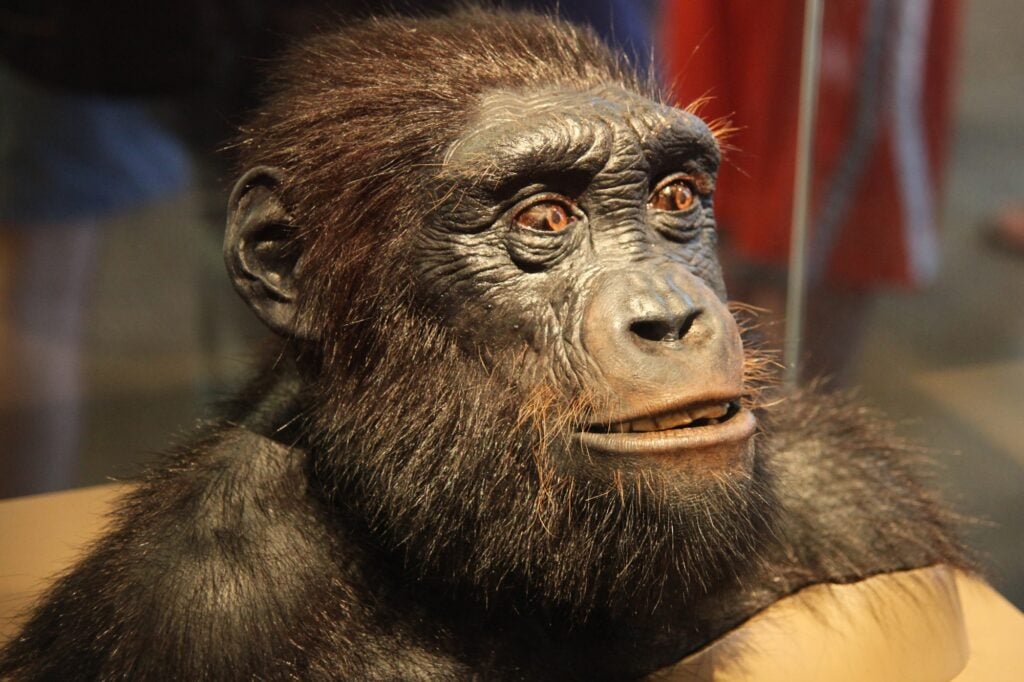
For decades, the earliest chapters of human origins seemed relatively stable, mapped onto a narrow slice of African time and terrain. Then fragments surfaced that did not fit the outline. The bones were older than expected, their features unsettlingly mixed. They hinted at movement on two legs long before many scholars believed it possible. The discovery did not rewrite textbooks overnight. Instead, it introduced tension into a story once told with more confidence than caution.
1. Sahelanthropus tchadensis emerged from Chad sands.
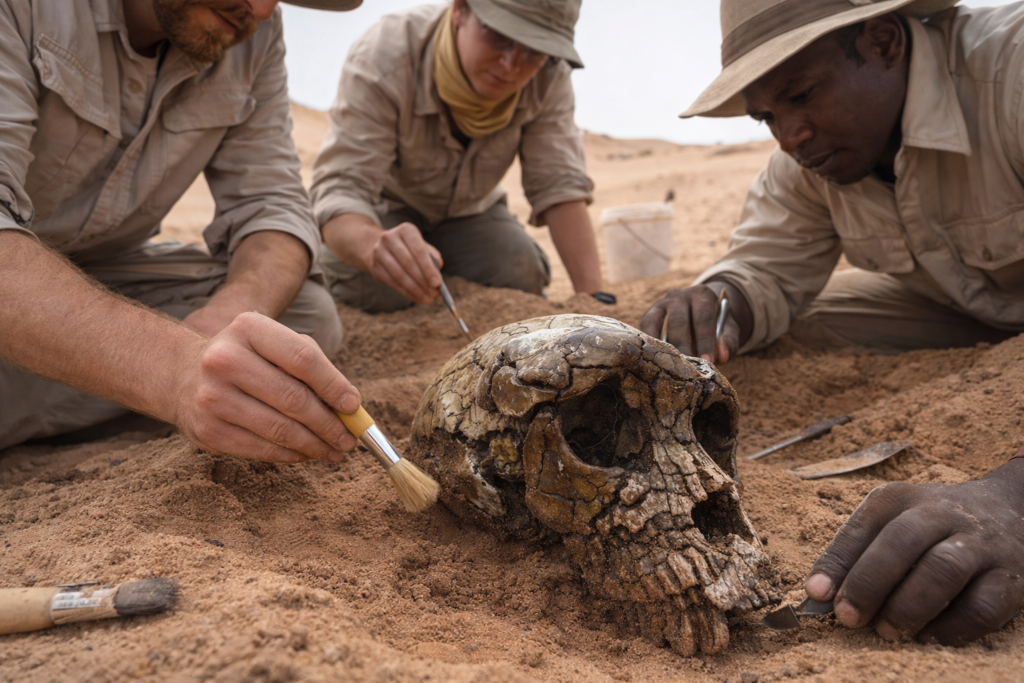
In 2001, a team led by Michel Brunet uncovered a fossil skull in the Djurab Desert of northern Chad. The specimen, nicknamed Toumai, was dated to roughly seven million years ago based on associated fauna and stratigraphy.
Sahelanthropus tchadensis pushed potential hominin presence far west of the East African Rift Valley. Its age places it near the estimated divergence between humans and chimpanzees. The location alone forced researchers to reconsider geographic assumptions about early human ancestry.
2. The skull displayed unexpectedly humanlike traits.
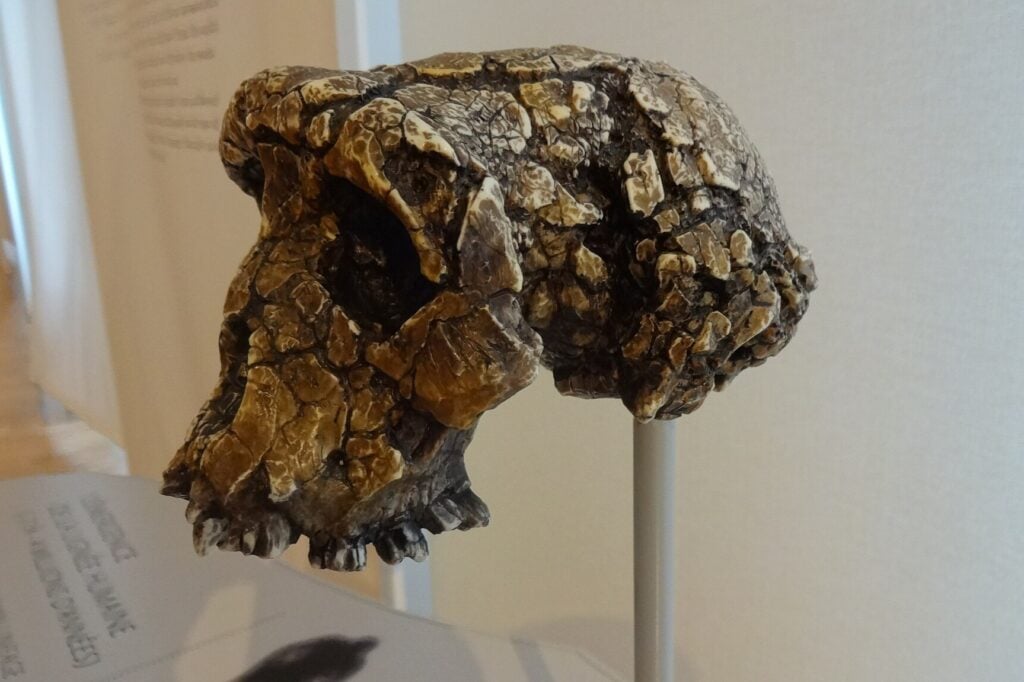
Toumai’s skull combined ape like and humanlike features in unsettling ways. The face was relatively flat, lacking the projecting snout seen in modern chimpanzees. Canine teeth appeared smaller than expected for an ape of that era.
Yet the brain size remained small, comparable to that of modern chimpanzees. This mosaic anatomy complicated classification. Was it truly a hominin, or a side branch of ancient apes? The mixture fuels ongoing debate within paleoanthropology.
3. The foramen magnum sparked bipedal arguments.
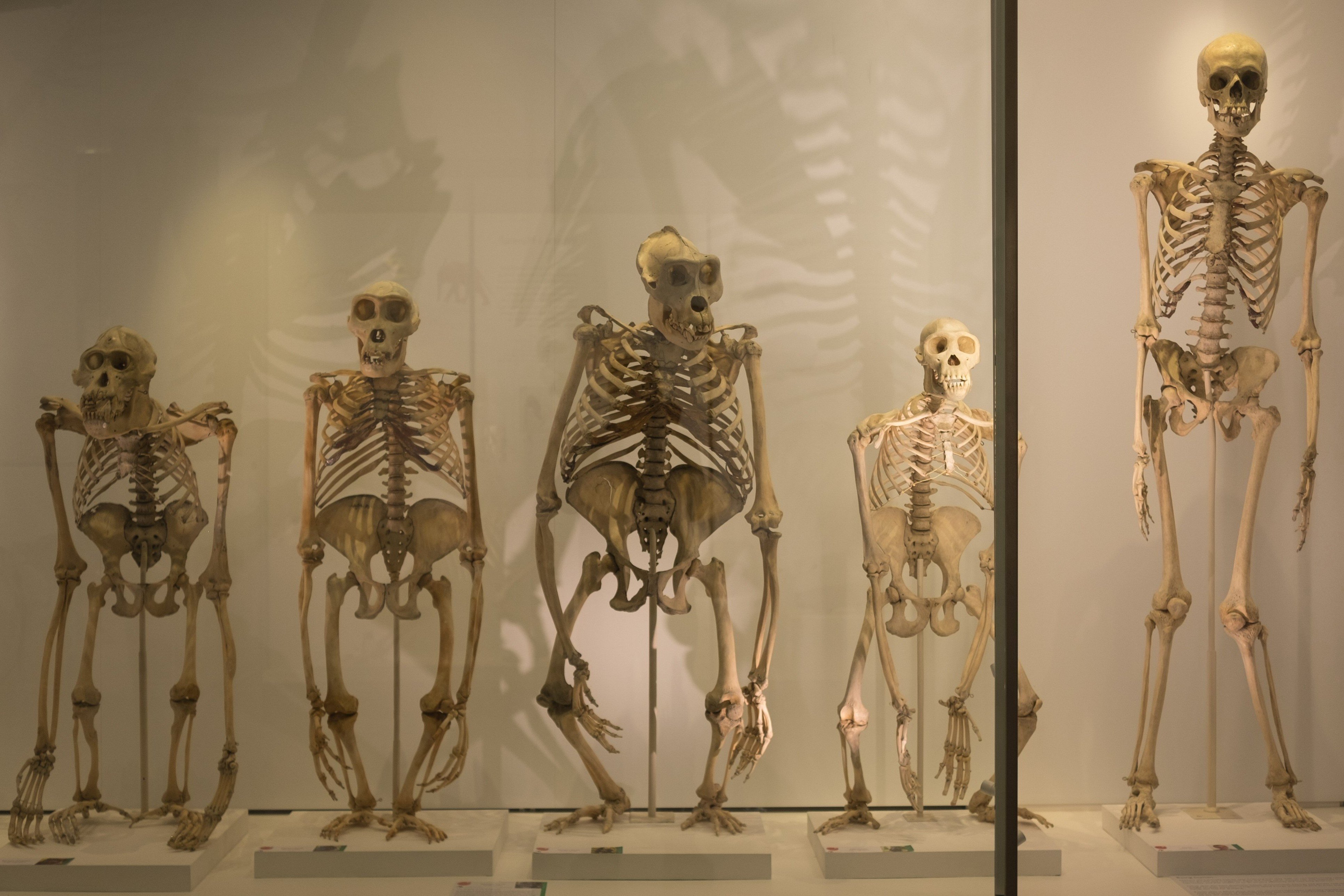
One of the most debated features of Sahelanthropus is the position of the foramen magnum, the opening where the spinal cord enters the skull. In Toumai, it appears more forward placed than in quadrupedal apes.
A forward position suggests an upright head posture consistent with bipedal locomotion. Critics argue distortion during fossilization may affect interpretation. Supporters contend that even partial evidence indicates early experimentation with upright movement millions of years before Australopithecus.
4. Geological dating anchored it to seven million years.
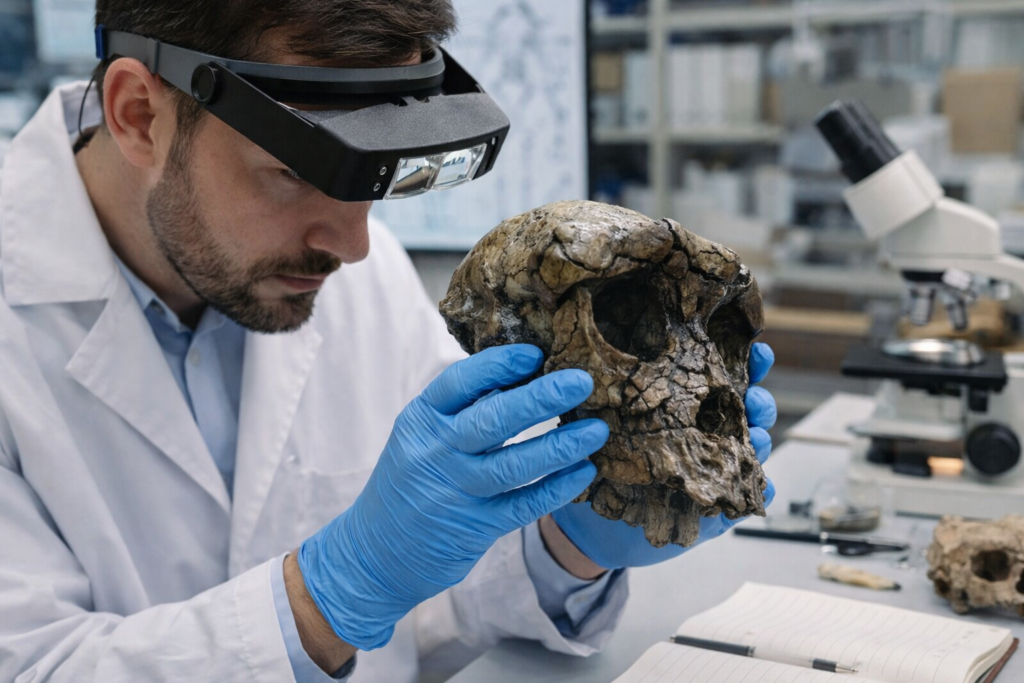
Dating relied on associated animal fossils such as ancient antelopes and suids, along with stratigraphic analysis of sediments in the Toros Menalla site. Radiometric techniques were applied to volcanic layers nearby to refine estimates.
The result places Sahelanthropus between six and seven million years ago. That timing aligns closely with molecular clock estimates for the human chimpanzee split. If confirmed as a hominin, it would represent one of the earliest known members of our lineage.
5. Chad location challenged East Africa dominance.

Before this discovery, many early hominin fossils came from Ethiopia, Kenya, and Tanzania. Sahelanthropus shifted attention westward into central Africa, expanding the potential cradle of human origins.
The Djurab Desert was once a mosaic of lakes and wooded environments. Environmental reconstruction suggests a habitat supporting diverse fauna. Early hominins may not have been confined to narrow ecological corridors previously assumed.
6. Critics question whether it was fully upright.
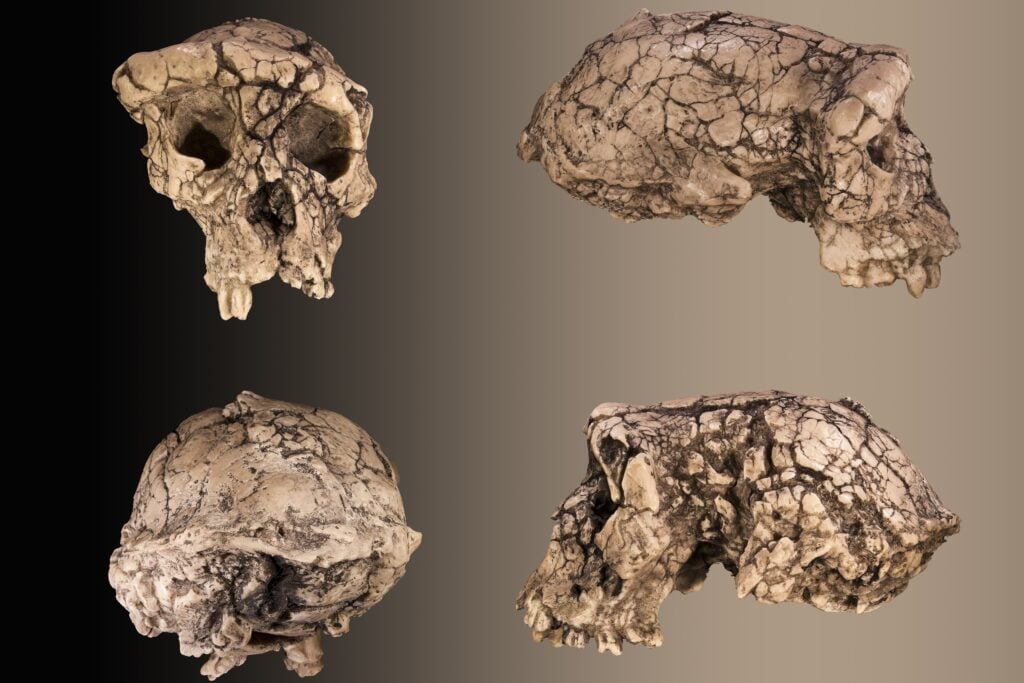
Some researchers argue that cranial evidence alone cannot confirm bipedalism. Without clear postcranial bones, locomotion remains partly speculative. Skepticism persists in academic journals.
In 2022, analysis of additional femur and ulna fragments attributed to Sahelanthropus reignited debate. Some interpretations suggest limited capacity for upright walking combined with arboreal climbing. The ambiguity keeps classification contested.
7. Teeth structure implies dietary adaptation shifts.
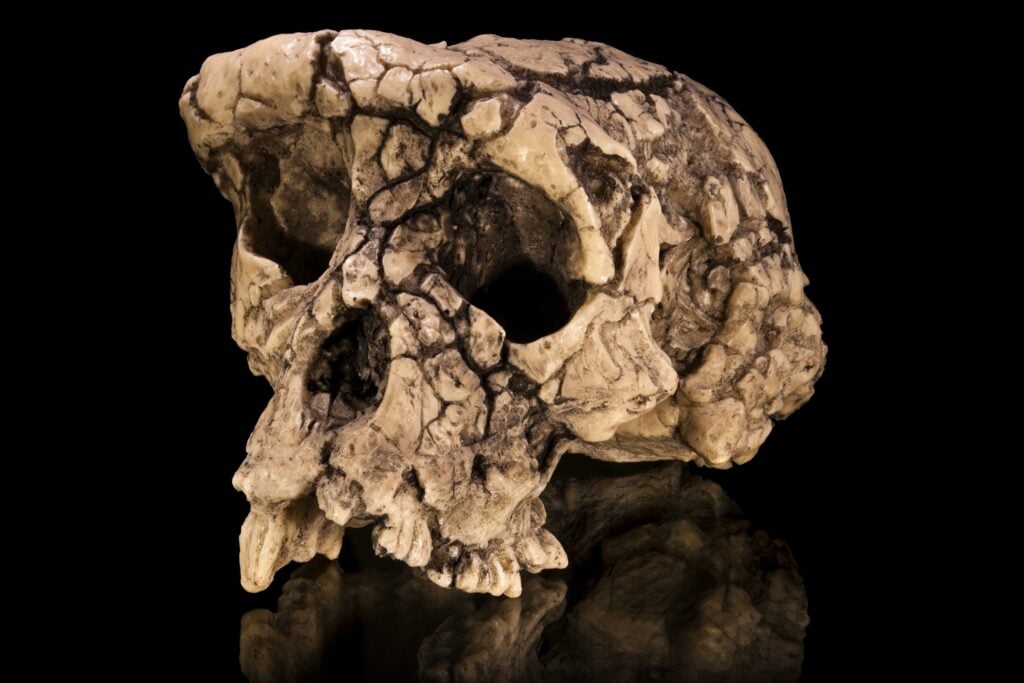
Sahelanthropus teeth display thick enamel compared to chimpanzees. Thick enamel often correlates with harder or more abrasive diets. Such adaptation can signal ecological shifts.
Reduced canine size may also indicate changing social or mating behaviors. In modern apes, large canines are linked to competition. A reduction could suggest altered social dynamics emerging early in the hominin line.
8. Brain size remained distinctly apelike.
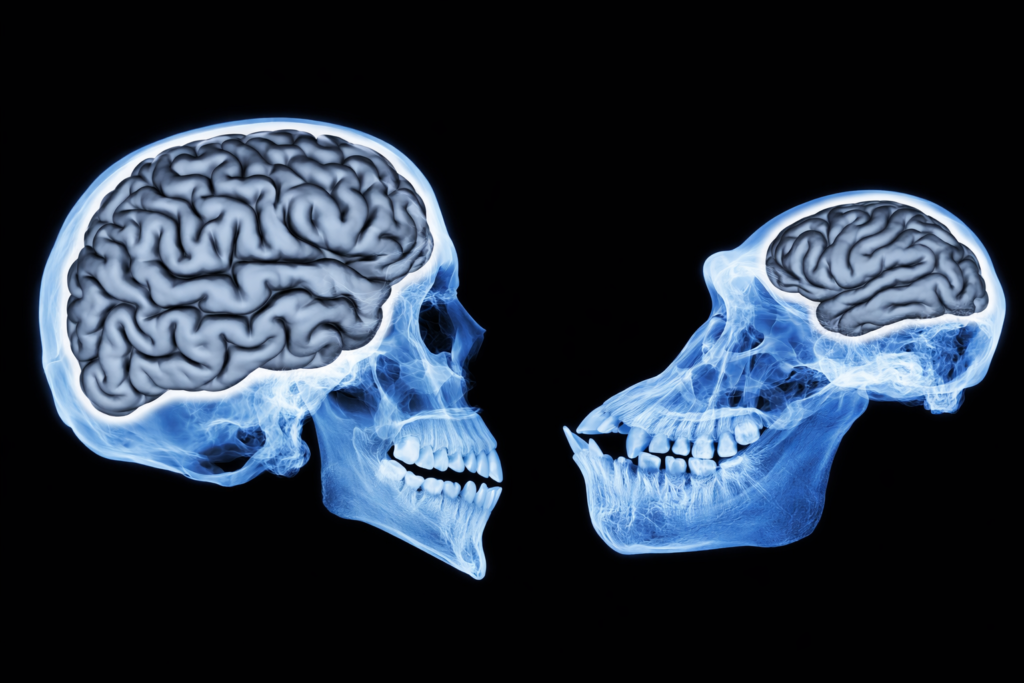
Despite facial flattening, the cranial capacity of Toumai measured around 320 to 380 cubic centimeters. That range overlaps with modern chimpanzees, not later hominins.
This reinforces the idea that upright posture may have preceded significant brain expansion. The sequence of evolutionary changes becomes less linear, suggesting locomotion and cognition evolved along separate timelines.
9. Environment was once lush and water rich.

Seven million years ago, the Djurab region supported lakes, forests, and grasslands. Fossil fish, crocodiles, and mammals indicate a wetter climate than today’s arid desert.
Such environments complicate narratives linking bipedalism strictly to open savannas. Early upright movement may have emerged in mixed habitats. The ecological backdrop challenges simplified origin stories.
10. The debate continues reshaping origin timelines.
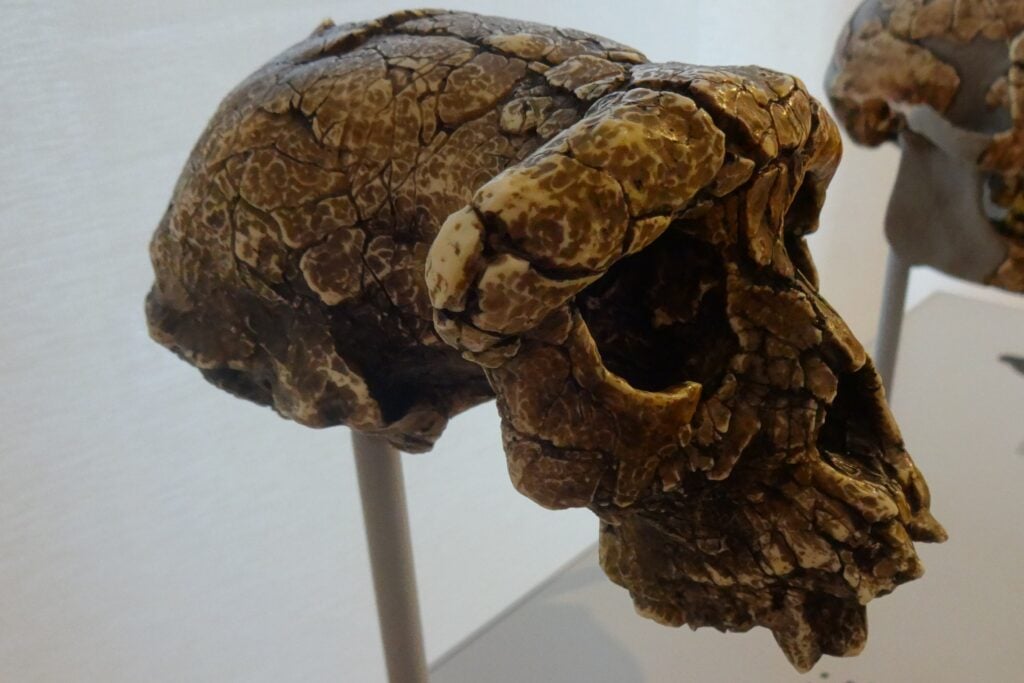
Sahelanthropus remains central to arguments about when the human line truly began. Some classify it as the earliest known hominin. Others remain cautious.
Regardless of final placement, the fossil forces reconsideration of geography, timing, and evolutionary sequence. The seven million year threshold once felt distant and theoretical. Toumai made it tangible, and unsettled assumptions that had stood for decades.