
Speed reshaped empires before gunpowder ever arrived.
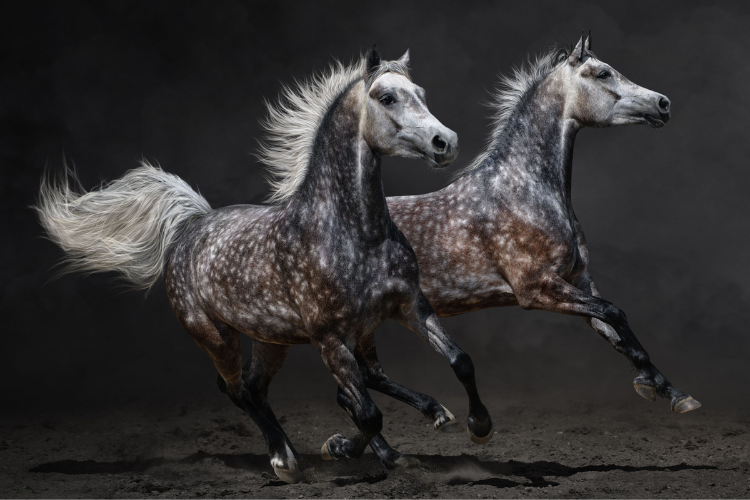
Long before tanks and artillery, military power depended on animals capable of endurance, speed, and loyalty under chaos. Across Europe, North Africa, and the Middle East, this outstanding horse quietly altered how wars were fought, how empires expanded, and how armies survived brutal campaigns between roughly the seventh and nineteenth centuries. Its influence stretched from desert raids under early Islamic caliphates to imperial cavalry charges in Ottoman and European armies, reshaping supply lines, tactics, and breeding programs worldwide. The transformation did not happen overnight, and it was rarely acknowledged at the time. Yet its effects still echo through modern military history and equine genetics.
1. This breed introduced unmatched endurance to mounted warfare.
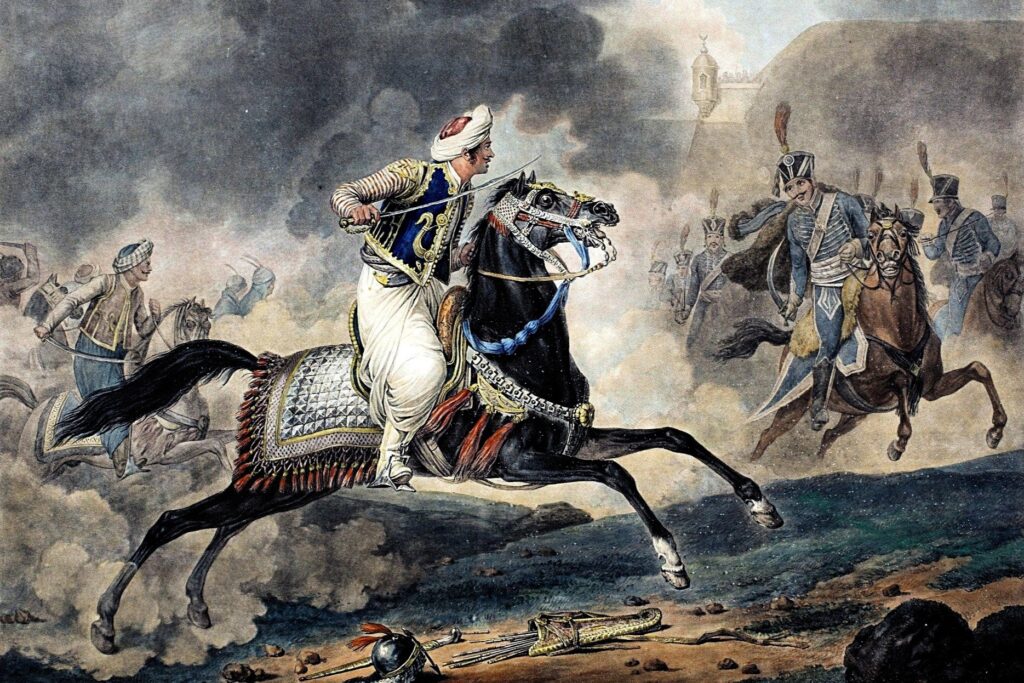
Early armies relied on horses that tired quickly under sustained pressure. Long marches exhausted animals before battles even began. Campaigns stalled when cavalry failed to keep pace with advancing troops, limiting strategic reach and surprise during prolonged campaigns across Asia Minor and the Mediterranean.
The Arabian horse changed that balance through exceptional stamina. Able to travel long distances with minimal water, it allowed armies to strike farther and faster across the Arabian Peninsula and North Africa. Endurance reduced reliance on supply chains. Warfare shifted from short engagements toward prolonged, mobile campaigns that caught enemies unprepared.
2. Speed altered battlefield tactics faster than commanders expected.
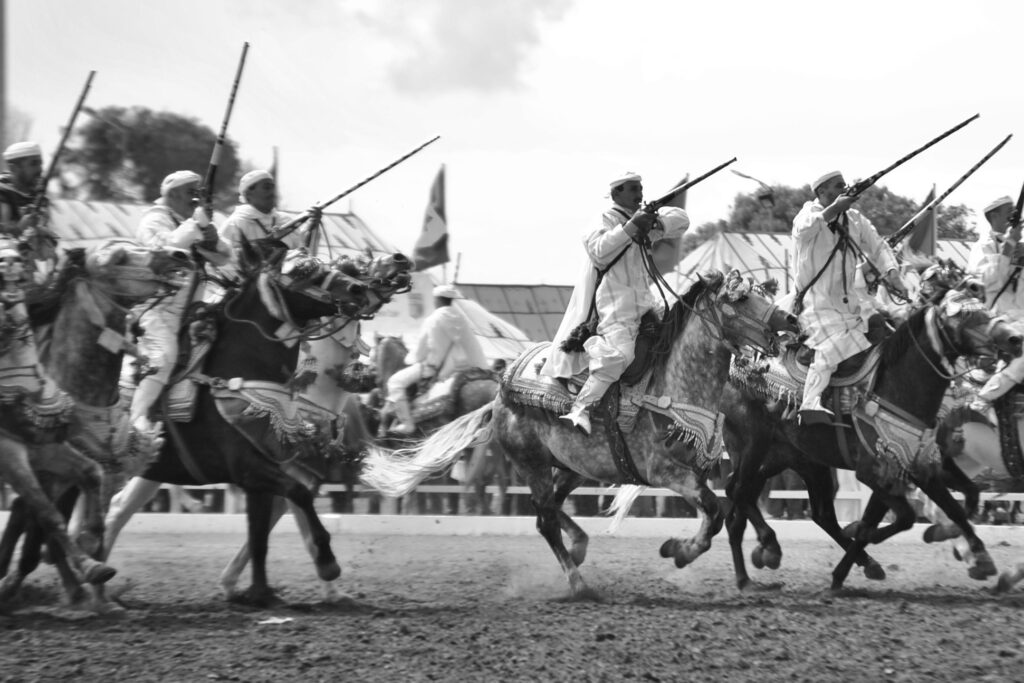
Traditional cavalry moved in heavy formations designed for impact. Speed was secondary to mass. Once faster horses entered service, existing tactics used by Byzantine and European forces struggled to keep up with reality.
The Arabian horse enabled rapid flanking maneuvers and hit and run attacks. Commanders adapted by emphasizing mobility over brute force, particularly in desert and steppe warfare. Armies could probe defenses, withdraw safely, and strike again elsewhere. Speed created unpredictability, forcing enemies to defend larger areas with fewer resources.
3. Desert warfare became possible at unprecedented scales.
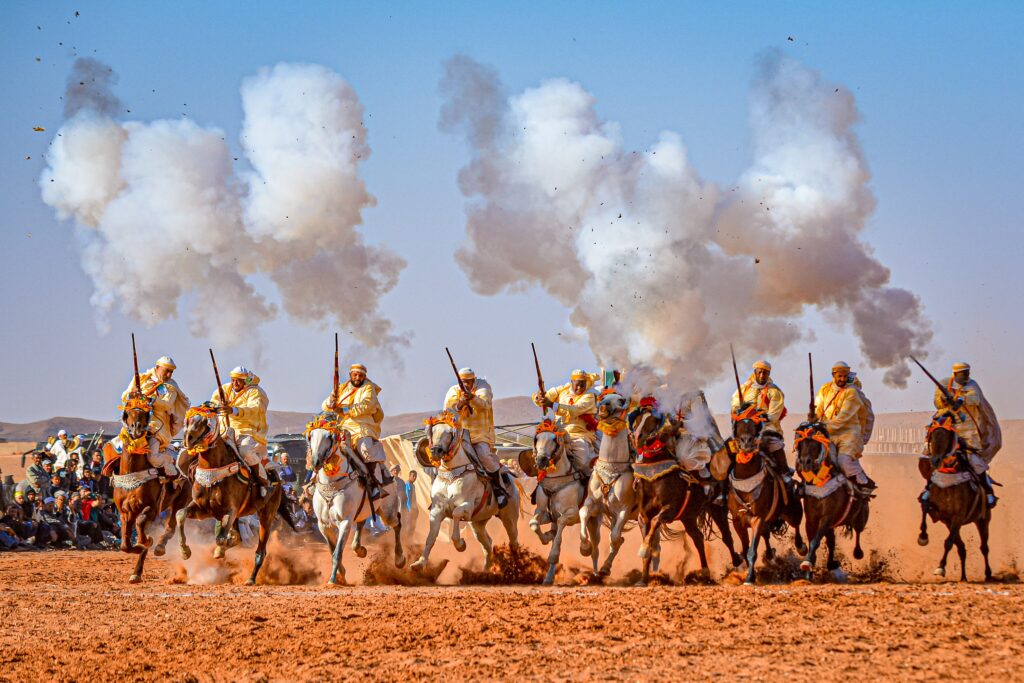
Harsh climates limited military operations for centuries. Horses bred for temperate regions struggled with heat and dehydration. Entire theaters across the Arabian Peninsula and Saharan fringes remained strategically unreachable.
The Arabian horse thrived in arid environments. Its physiology supported efficient cooling and hydration management. Armies using it crossed deserts previously considered impassable, including routes linking the Levant to North Africa. Control of trade routes and border regions followed, expanding empires across the Islamic world.
4. Cavalry communication transformed operational coordination.
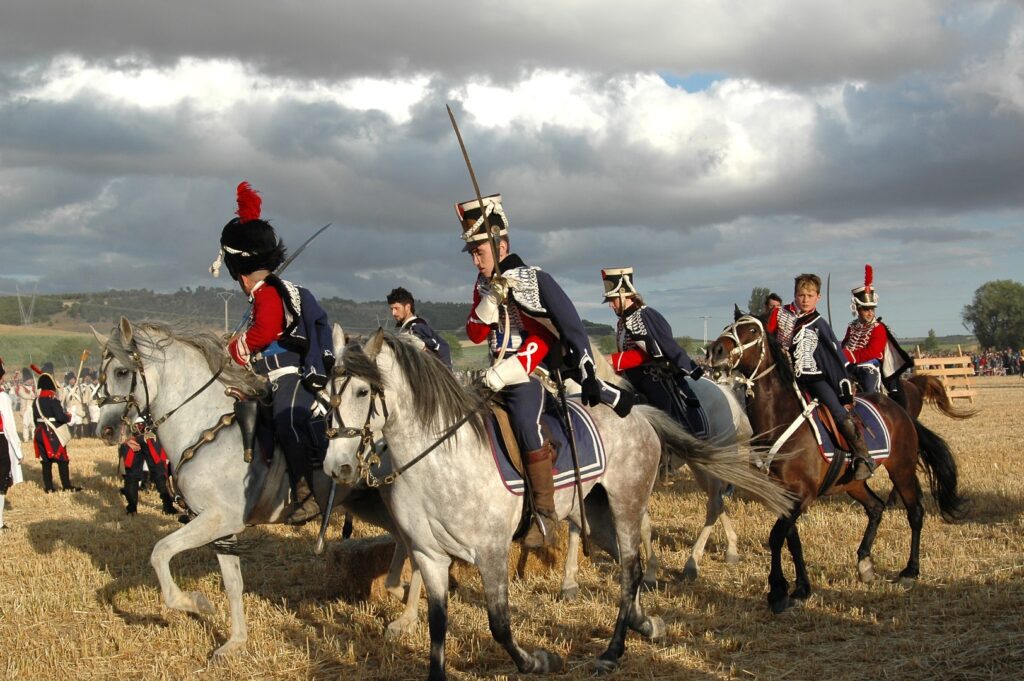
Before modern signaling, armies depended on messengers. Slow horses delayed orders and fractured coordination. Battles across sprawling territories were often lost to miscommunication rather than force.
The Arabian horse allowed messengers to travel vast distances quickly between garrisons and field commanders. Commands reached units in time to adjust formations or exploit openings. Coordinated maneuvers across wide fronts became realistic. Warfare evolved from isolated clashes into synchronized operations spanning regions.
5. European armies reshaped breeding programs around its traits.

When European forces encountered the Arabian horse during the Crusades and later Ottoman conflicts, its advantages became impossible to ignore. Traditional warhorses appeared powerful but underperformed in extended campaigns.
Breeding programs in Spain, France, and Britain began incorporating Arabian bloodlines. Speed, endurance, and resilience entered European cavalry stock. Over generations, entire breeds changed. The influence spread across battlefields from Iberia to Eastern Europe, reshaping mounted warfare far beyond its origin.
6. Light cavalry units gained strategic dominance.
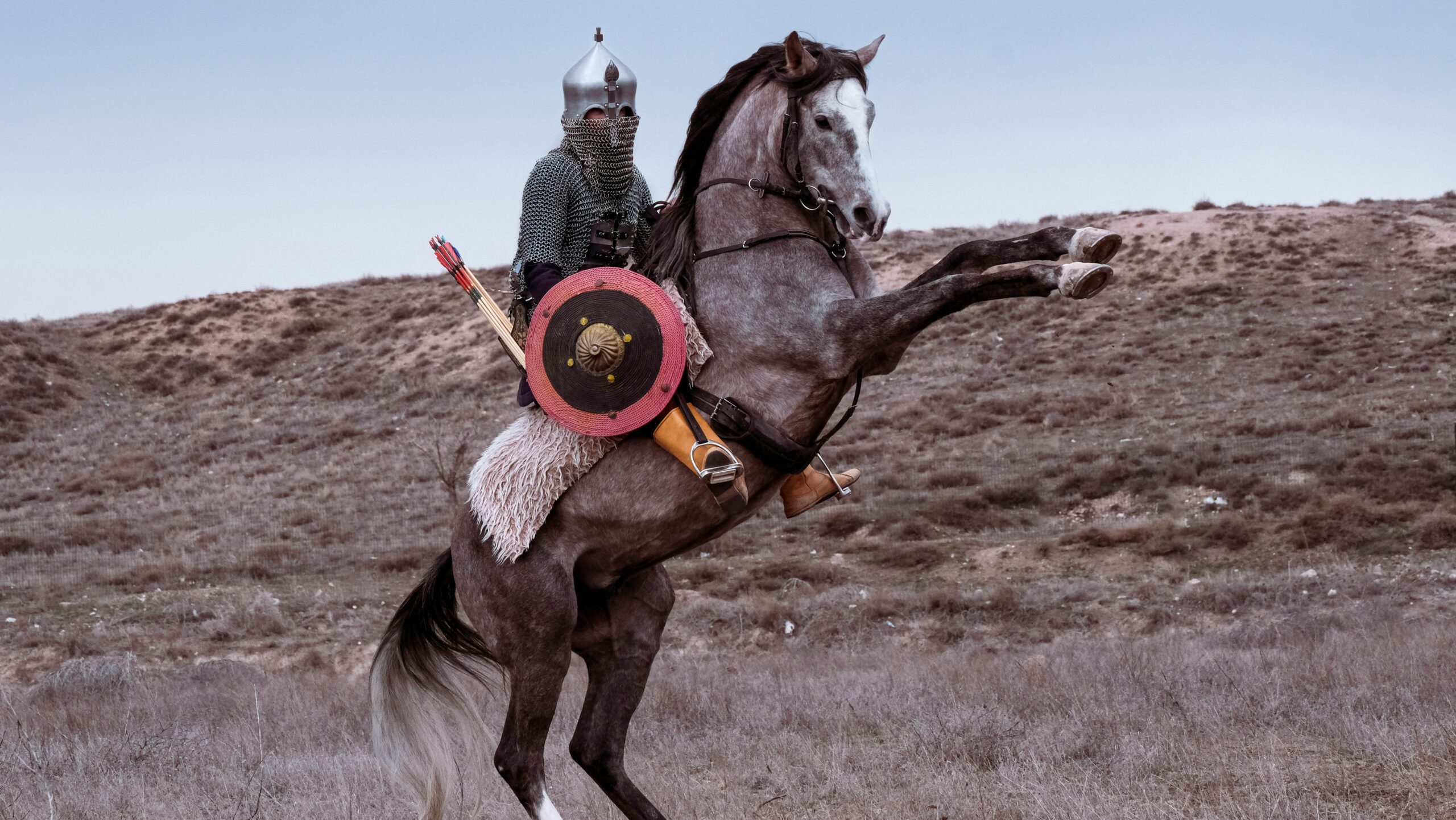
Heavy cavalry once dominated warfare through armor and shock value. Their effectiveness declined as mobility became more valuable. Terrain and supply demands exposed limitations during extended campaigns.
The Arabian horse supported lighter cavalry units capable of rapid deployment, including Ottoman sipahis and North African mounted forces. These units scouted, harassed, and disrupted enemy movements. Strategic dominance shifted toward flexibility. Heavy formations struggled to counter forces that refused direct engagement yet controlled the battlefield’s rhythm.
7. Logistics and supply strategies fundamentally changed.

Armies historically moved slowly to accommodate fodder and water needs. Large horse contingents strained logistics, limiting campaign duration and distance across vast territories.
The Arabian horse reduced logistical burdens. Its efficiency required fewer resources per mile traveled. Armies could operate independently longer, particularly in desert campaigns. Supply lines shortened, vulnerability decreased, and commanders gained freedom to maneuver without constant resupply.
8. Psychological impact reshaped enemy morale.
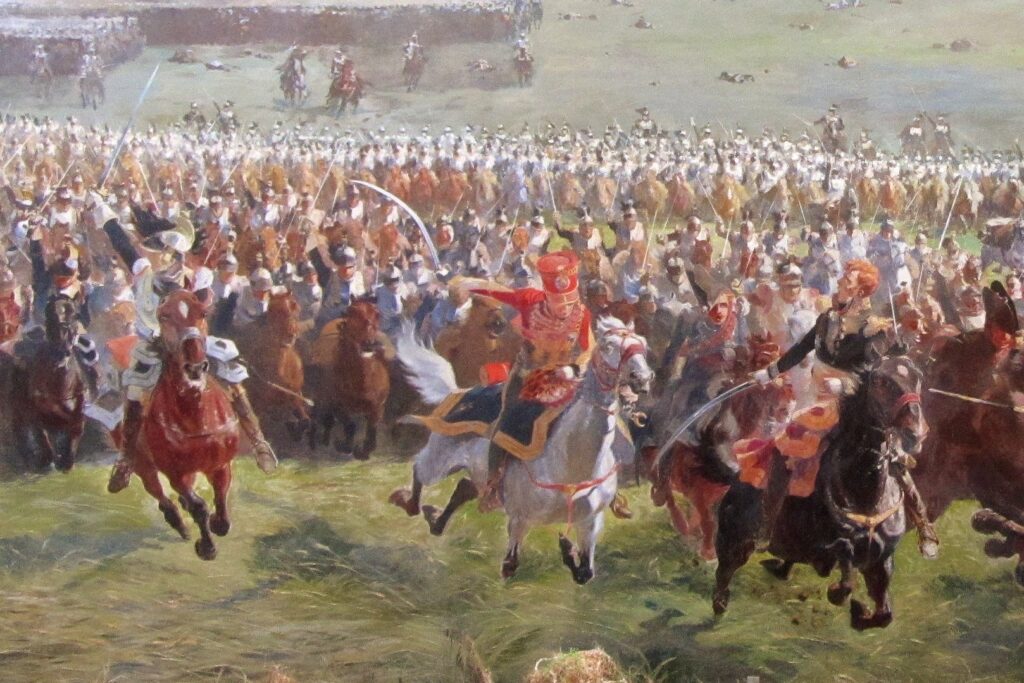
Speed and unpredictability created fear beyond physical damage. Enemies struggled to anticipate attacks or defend effectively. Morale eroded under constant pressure from mobile forces.
The Arabian horse amplified that psychological effect. Raids appeared sudden and disappeared quickly across frontier regions. Defenders felt surrounded even when numerically superior. Warfare became as much mental as physical, weakening resistance before decisive battles occurred.
9. Its legacy persists in modern military and sport horses.

Although warfare evolved, the Arabian horse’s influence endured. Its traits remained valuable long after cavalry declined. Genetics carried forward through selective breeding.
Modern military, police, and endurance horses still reflect Arabian lineage. Speed, stamina, and adaptability remain prized. A single breed reshaped warfare across continents, leaving a legacy that outlasted swords, armor, and empires themselves.