
Atmospheric shifts affect dogs before storms appear.
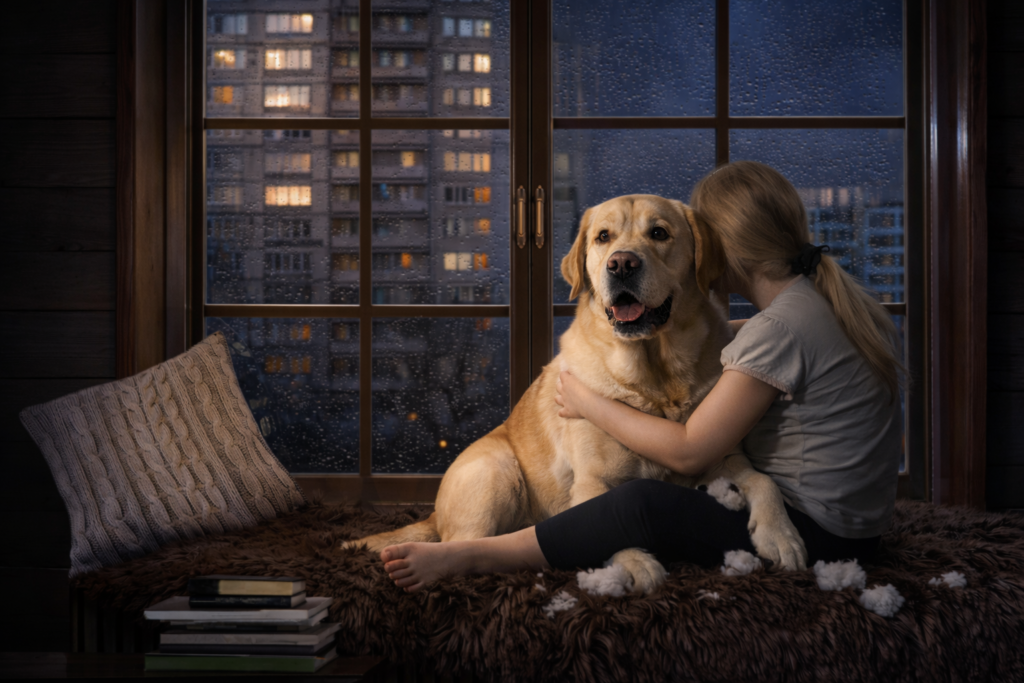
Across many regions of the United States, dogs often show anxiety long before weather visibly changes. Owners notice pacing, shaking, clinginess, or hiding hours ahead of storms. These reactions are not random. Barometric pressure shifts occur well before rain, wind, or thunder arrives, and dogs sense those changes internally. Their bodies respond to subtle physical signals that humans barely register. For some dogs, these sensations feel uncomfortable or alarming. Understanding how pressure changes affect the canine nervous system helps explain why anxiety appears suddenly and why it can feel intense and hard to soothe.
1. Falling barometric pressure alters physical sensations inside dogs.

As atmospheric pressure drops, gases within the body expand slightly, affecting sinuses, joints, and internal balance. Dogs experience these shifts more strongly because their sensory systems are finely tuned to environmental change. The sensation can feel like fullness, pressure, or vague discomfort that has no obvious cause.
That unexplained physical change often triggers restlessness. Dogs may pace, whine, or seek reassurance as their bodies try to interpret the signal. According to the National Oceanic and Atmospheric Administration, barometric pressure begins falling hours before storms form, which explains why anxiety can appear long before any visible weather cues emerge.
2. Inner ear pressure changes disturb balance and orientation.
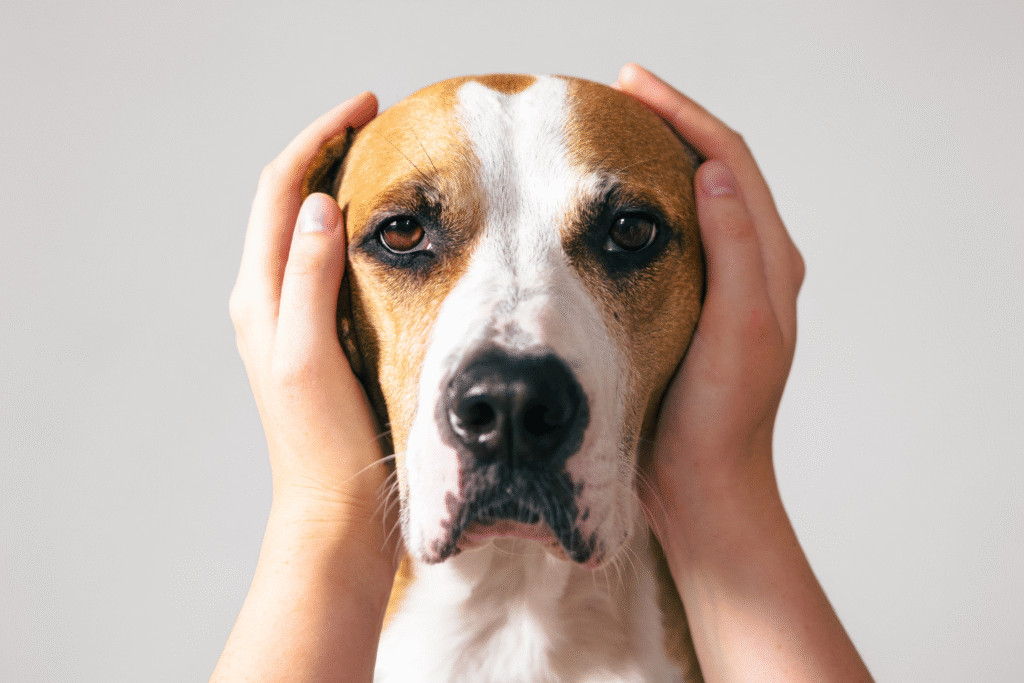
Dogs rely heavily on their vestibular system to understand where their bodies are in space. When barometric pressure shifts, fluid dynamics in the inner ear can change, briefly affecting balance and spatial awareness. Even mild disruption can feel unsettling, especially for sensitive dogs.
This discomfort does not always cause obvious dizziness. Instead, dogs may appear uneasy, clingy, or withdrawn as they try to regain equilibrium. As stated by the American Veterinary Medical Association, vestibular disturbances often present as behavioral changes rather than dramatic physical symptoms, making anxiety one of the earliest outward signs.
3. Joint discomfort increases as pressure drops quickly.

Pressure changes can influence inflammation around joints, particularly in dogs with arthritis or old injuries. As atmospheric pressure falls, tissues may expand slightly, increasing sensitivity and discomfort even when the dog is resting.
Dogs rarely vocalize joint pain clearly. Instead, they may pace, reposition frequently, or seem unable to settle. Anxiety follows when discomfort lacks a clear source. According to the Arthritis Foundation, rapid barometric pressure changes are known to worsen joint pain, helping explain why some dogs become anxious during weather shifts without limping or obvious stiffness.
4. Static electricity builds and irritates canine sensory systems.
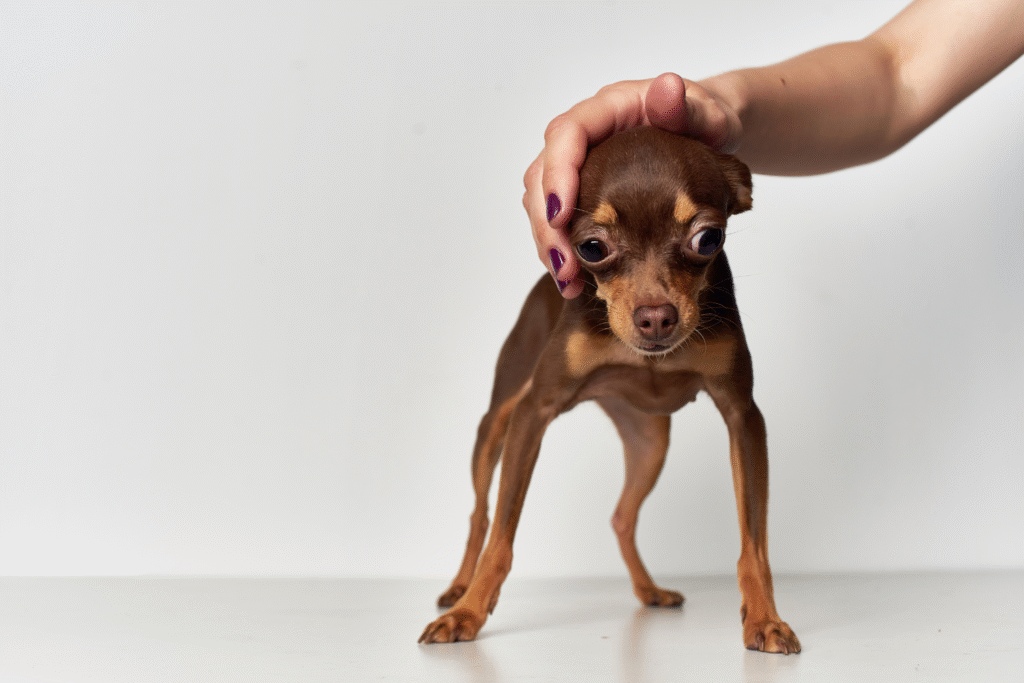
Before storms arrive, static electricity often increases in the environment. Dogs are more sensitive to static buildup due to their fur and constant contact with floors and furniture. This can cause mild shocks, skin irritation, or prickling sensations.
These sensations feel unpredictable and uncomfortable. Dogs may shake, scratch, or move repeatedly in search of relief. Anxiety grows when the body reacts without warning. The discomfort does not appear threatening, but the lack of control over it makes many dogs increasingly unsettled.
5. Low frequency sounds reach dogs earlier than humans.

Pressure changes alter how sound travels through the air. Low frequency noises from distant thunder or wind shifts can reach dogs long before humans hear anything unusual. Dogs detect these vibrations through both hearing and body sensation.
The brain reacts before conscious understanding forms. Dogs become alert, tense, or anxious because their nervous systems register something approaching without context. This early sensory input explains why dogs may hide or pace while the sky still looks calm and quiet to people.
6. Stress hormones surge when bodies sense approaching instability.

When pressure changes create discomfort or confusion, a dog’s nervous system reacts automatically. The body releases cortisol and adrenaline, preparing for a perceived threat. This reaction happens without conscious thought, driven by physical signals rather than visible danger. The dog may pant, pace, or remain hyper alert as the body shifts into protection mode.
Once activated, these hormones do not drop immediately. Anxiety can persist even after weather stabilizes because the body needs time to reset. This explains why some dogs remain unsettled long after storms pass, responding to lingering internal chemistry rather than ongoing external conditions.
7. Past storm experiences condition early anxiety responses.

Dogs learn quickly from negative experiences. If past storms were frightening or painful, the brain links pressure changes with danger. Over time, even mild shifts trigger memory based reactions before any sound or light appears. Anxiety arrives early because the brain anticipates threat.
This conditioning strengthens with repetition. Each storm reinforces the association, shortening the response window. The dog is not overreacting but protecting itself based on experience. Anticipatory anxiety becomes automatic, driven by memory rather than the severity of the current weather system.
8. Indoor environments intensify sensory pressure effects.

Many owners assume indoors is safer during storms. In reality, enclosed spaces can magnify discomfort. Static electricity builds faster, sound echoes more sharply, and pressure related sensations feel harder to escape. Dogs may move repeatedly through rooms seeking relief.
Some areas feel worse than others. Basements, hallways, or rooms with hard surfaces can trap sound and vibration. Dogs may avoid certain spaces or pace continuously. Anxiety increases when there is no clear refuge from sensations the dog cannot control or understand.
9. Disrupted sleep weakens emotional regulation capacity.

Pressure changes often occur overnight, interrupting normal sleep cycles. Dogs wake more frequently and struggle to reach deep rest. Poor sleep lowers tolerance for stress and reduces emotional resilience the next day.
By morning, anxiety may already be elevated. Minor triggers feel overwhelming because the nervous system is fatigued. This compounds pressure related stress, making reactions stronger and longer lasting. Sleep disruption does not cause anxiety alone, but it amplifies the effects of physical discomfort already present.
10. Sensitivity levels vary widely between individual dogs.

Not every dog reacts to pressure changes. Genetics, age, health status, and nervous system sensitivity all play roles. Senior dogs, those with chronic pain, or dogs with prior anxiety histories tend to react more strongly and more often.
This variability matters. Anxiety is not a training failure or personality flaw. It reflects how each dog’s body interprets internal signals. Understanding individual sensitivity helps owners respond with patience and support rather than confusion when weather related anxiety appears suddenly.