
Subtle behaviors reveal emotional friction beneath the surface.

Dogs rarely hold grudges the human way, but frustration shows up fast in their behavior. Missed routines, confusing cues, or a sudden change in tone can register as conflict. The signals are subtle, often mistaken for stubbornness or moodiness, yet they follow patterns seen in homes, parks, and vet offices across the country when stress quietly accumulates over time there.
1. Eye contact disappears during moments of clear tension.
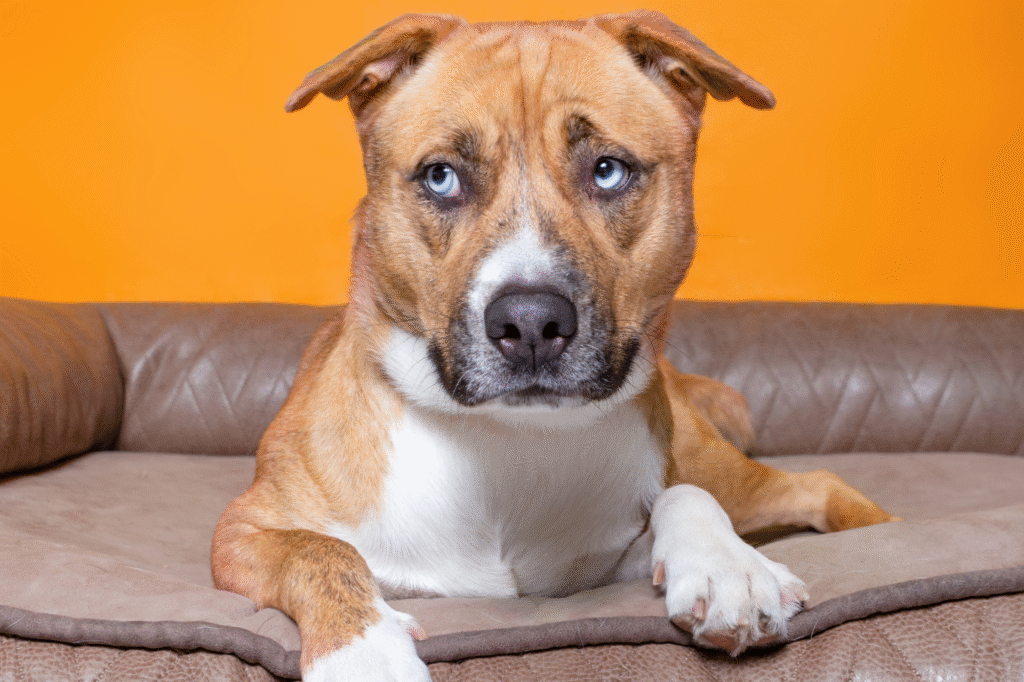
Dogs rely on eye contact to check safety and intent, especially with trusted people. When irritation sets in, many dogs deliberately look away or fixate on walls, floors, or windows, reducing interaction without escalating conflict. This behavior is common after scolding or inconsistent commands, according to the American Kennel Club.
Owners often misread this as guilt, but it functions as distance keeping. The dog chooses calm avoidance, signaling discomfort while waiting for routines and tone to reset again later peacefully.
2. Physical closeness suddenly feels unwanted and carefully avoided.
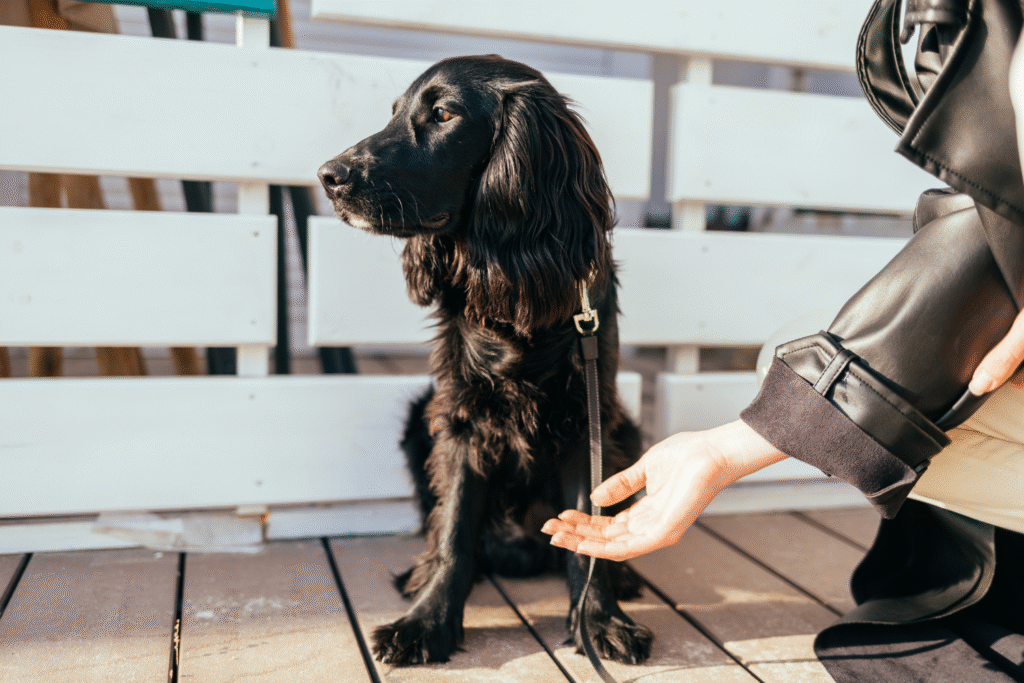
Affection usually comes easily to social dogs, so a sudden refusal to cuddle stands out. A dog may move away on the couch, leave the room, or stiffen when touched. This response often follows boundary confusion or overstimulation, as stated by the ASPCA.
Rather than rejection, it reflects self regulation. The dog is lowering emotional load by creating space, a strategy seen during stress recovery, fatigue, or after tense training sessions with familiar people at home environments especially during evenings.
3. Normal responsiveness drops and commands suddenly get ignored.
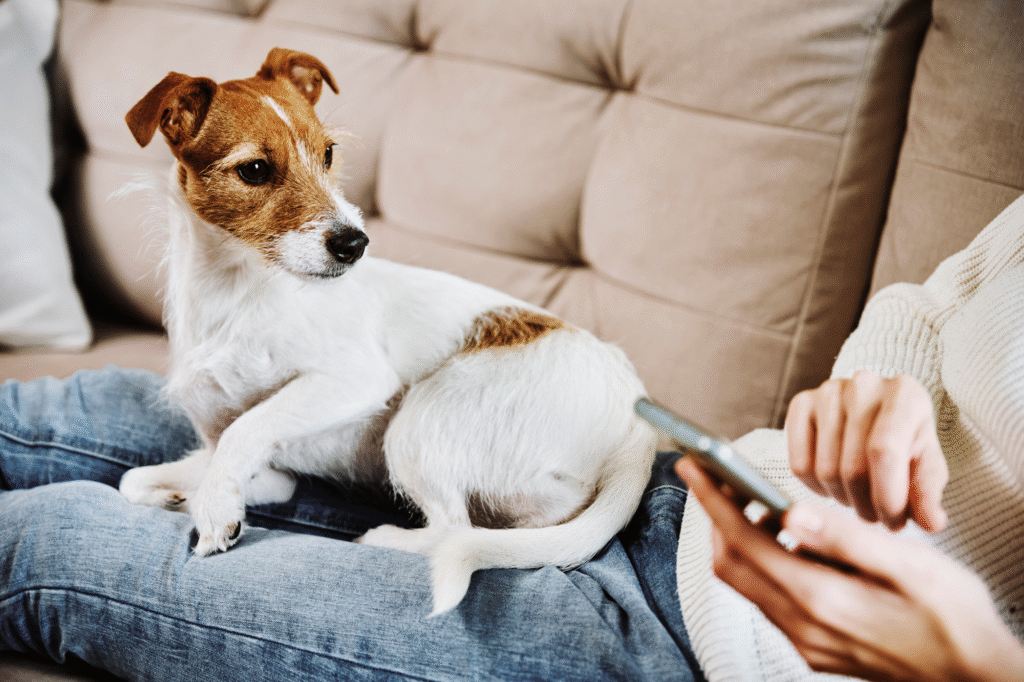
Selective hearing is often emotional, not defiant. When upset, dogs process cues more slowly and may freeze instead of complying. Heightened stress hormones interfere with attention and memory, as reported by the Royal Society for the Prevention of Cruelty to Animals.
Timing matters here. This shutdown commonly appears after raised voices, rushed walks, or unpredictable handling, especially in sensitive breeds. Consistency and calm delivery usually restore cooperation without punishment once the emotional climate stabilizes again over following hours quietly now.
4. Play invitations stop even with favorite toys nearby.

Play requires trust and shared enthusiasm. A dog that is annoyed may ignore balls or tug toys that normally spark joy. This withdrawal often shows up after interrupted rest, missed exercise, or tense interactions earlier in the day.
Rather than boredom, it signals emotional fatigue. Many dogs pause play to regain control before reengaging later, once predictability returns and energy levels stabilize within familiar spaces like living rooms or yards during quiet periods at home evenings with trusted humans nearby.
5. Body stiffens during touch that was welcomed before.

Subtle muscle tension is an early warning sign. A dog may freeze when petted, pull a paw away, or hold its breath briefly. These reactions often follow perceived unfairness, such as abrupt leash corrections or ignored calming signals.
Stiffness is not aggression. It is a pause that prevents escalation. Dogs use it to say something feels wrong, especially in familiar environments where trust was previously high and expectations were suddenly broken by sudden changes in handling routines or tone shifts.
6. Sighing and exaggerated settling happen more frequently.
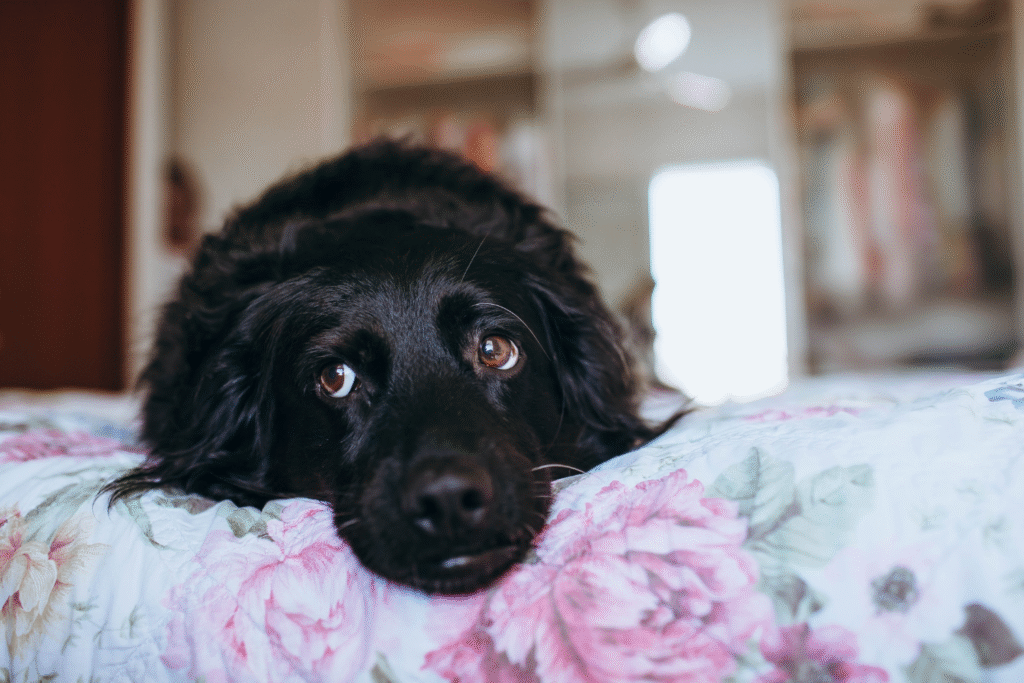
Heavy sighs and dramatic flops are canine stress releases. They often appear when a dog feels unheard or thwarted, such as after denied access to outdoors or delayed meals. These sounds mark emotional processing rather than tiredness.
Owners sometimes laugh at these displays, but they signal low grade frustration. Over time, frequent sighing can indicate unmet needs, especially predictable routines around feeding, walks, or quiet rest periods in multi person households with shifting schedules during weekdays and weekends alike consistently.
7. Ears pin back while posture remains otherwise neutral.

Ear position offers fast emotional data. Pinned or angled back ears often accompany discomfort even when the rest of the body seems relaxed. This mismatch frequently appears during mild conflict, such as being called after misbehavior.
Because the signal is quiet, it gets missed. Dogs rely on ear movement to express unease without provoking confrontation, particularly with familiar people who usually respond to subtler cues inside homes during daily interactions and training moments that feel emotionally charged to dogs there.
8. Sleeping positions change to create noticeable distance.
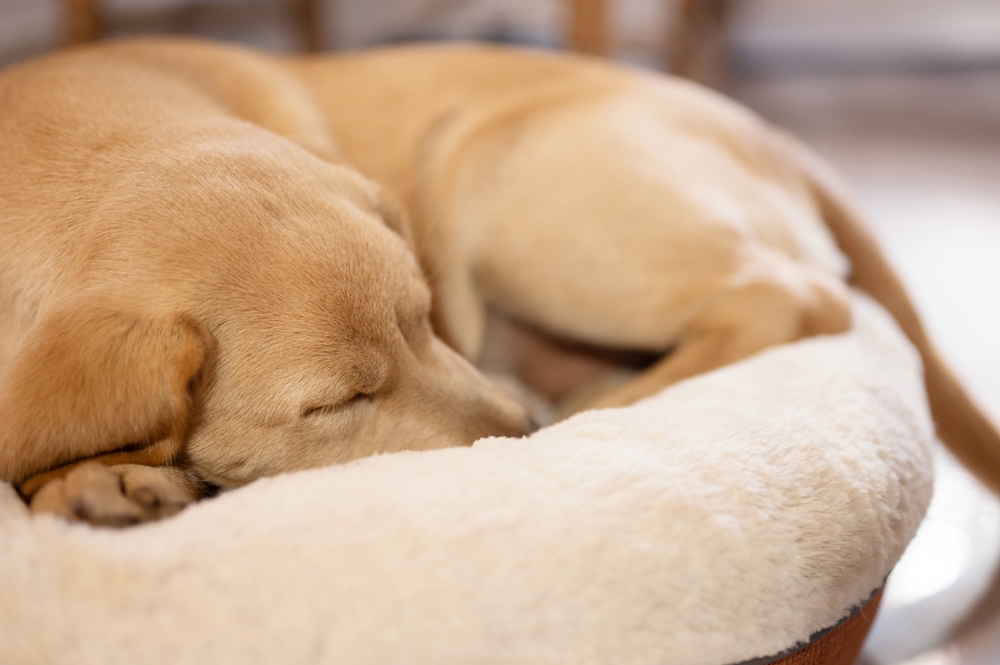
Sleep is when dogs feel most vulnerable. An irritated dog may turn away, sleep at the bed edge, or choose the floor instead of usual spots. These shifts often follow unresolved tension from earlier interactions.
Distance during rest helps regulate emotion. It allows the dog to relax without monitoring human movement, especially overnight when surprise contact or noise previously caused stress in shared bedrooms common in many households today with inconsistent bedtime routines and lighting changes across seasons and schedules.
9. Sniffing and pacing replace direct engagement suddenly.
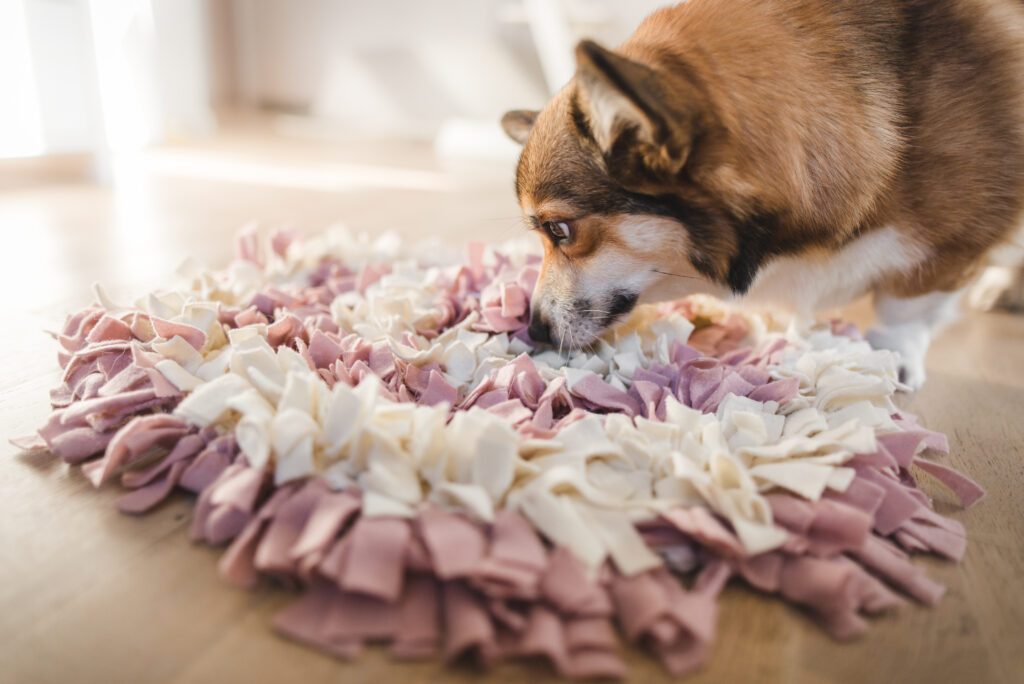
When uncomfortable, dogs often self distract. Sniffing floors, circling rooms, or pacing hallways gives them an outlet without confrontation. This behavior commonly surfaces after confusion about expectations during training or household rules.
Movement helps discharge tension. By staying busy, the dog avoids eye contact and decisions that feel risky, waiting for emotional clarity or calmer signals from people nearby in shared spaces like kitchens living rooms and hallways during busy family activity periods especially evenings and weekends at home together.
10. Reconciliation comes slowly once trust feels restored.

Unlike humans, dogs move forward through behavior, not grudges. After frustration, they test safety in small ways, brief glances, tentative proximity, or soft tail movement. Repair depends on consistency rather than apology.
Calm routines, predictable cues, and neutral tone allow trust to rebuild. Most dogs reengage within hours or days when the environment stabilizes and interactions feel fair again across familiar settings like homes, parks and cars where past conflicts no longer linger through repeated positive experiences with caregivers present.