
Rising seas are already reshaping our global map.
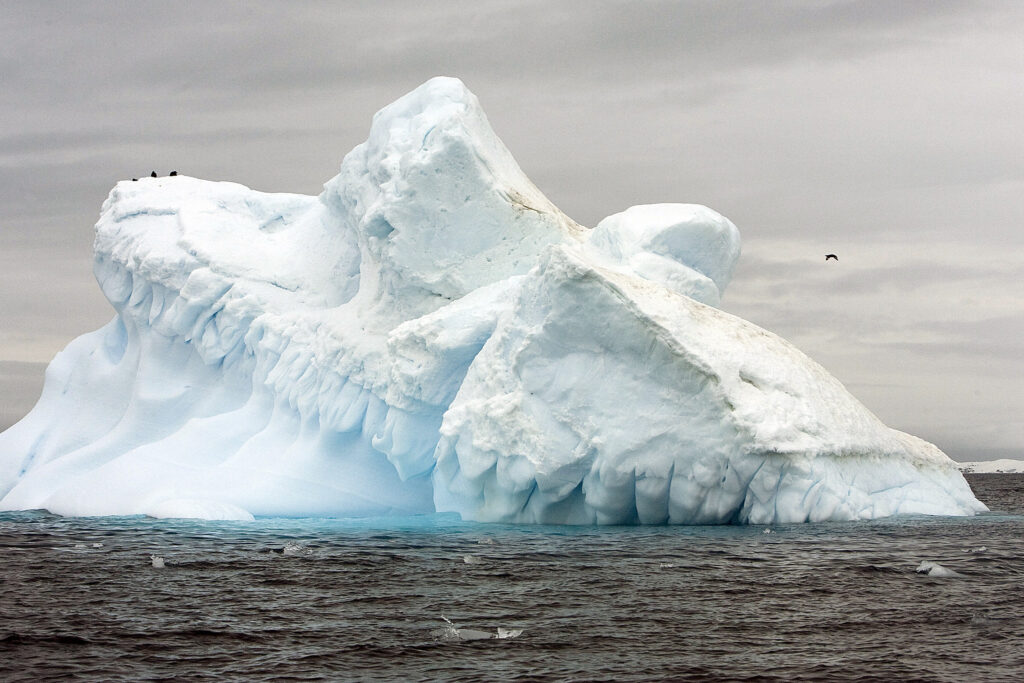
If all the planet’s ice caps melted, the ocean would rise by more than 200 feet, swallowing entire coastlines and redrawing continents. That scenario might sound distant, but the groundwork is already being laid. Sea levels are climbing faster than at any point in recorded history, and new satellite data confirms the rate is still accelerating. Many of the world’s most populated and culturally rich coastal areas will be the first to feel the full impact. Understanding which ones face submersion first isn’t about fear—it’s about preparation, survival, and the race to adapt before the tide wins.
1. The Mekong Delta could vanish beneath encroaching tides.
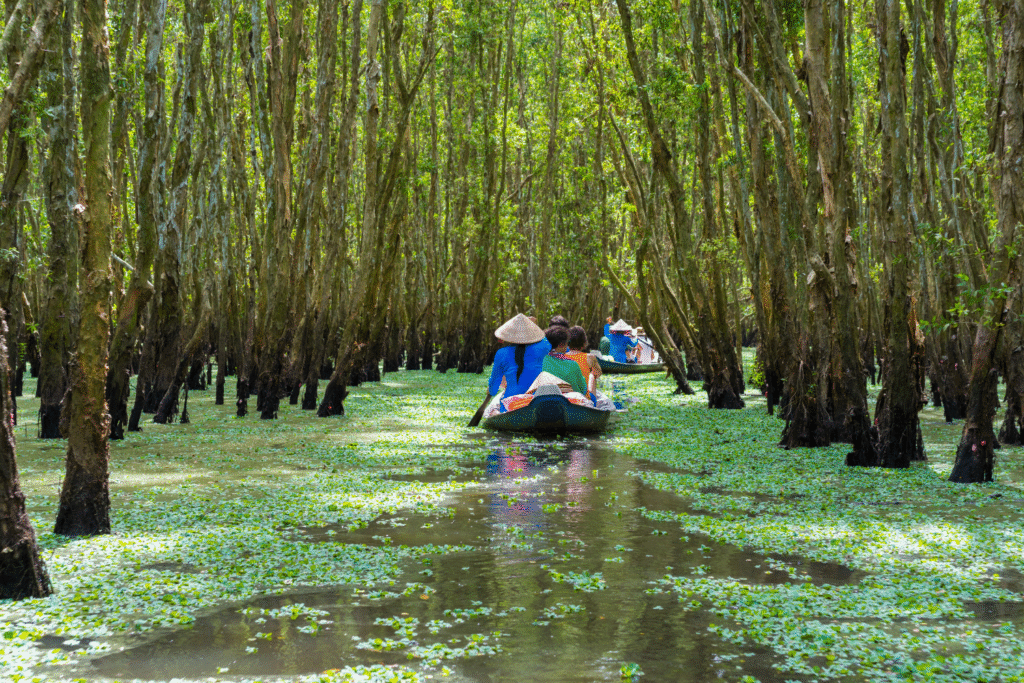
The Mekong Delta in Vietnam is one of the most vulnerable places on Earth, a flat, fertile web of rivers barely above sea level. Scientists have confirmed that parts of it are already sinking faster than the sea is rising, a double disaster driven by groundwater extraction and sediment starvation. According to NASA’s sea-level monitoring division, these low-lying delta systems are among the first regions expected to flood permanently. When the ice caps melt, the Mekong’s farmlands, villages, and livelihoods would be erased beneath a widening sea, leaving millions searching for higher ground and a future inland.
2. The Maldives and Marshall Islands face total submersion soon.
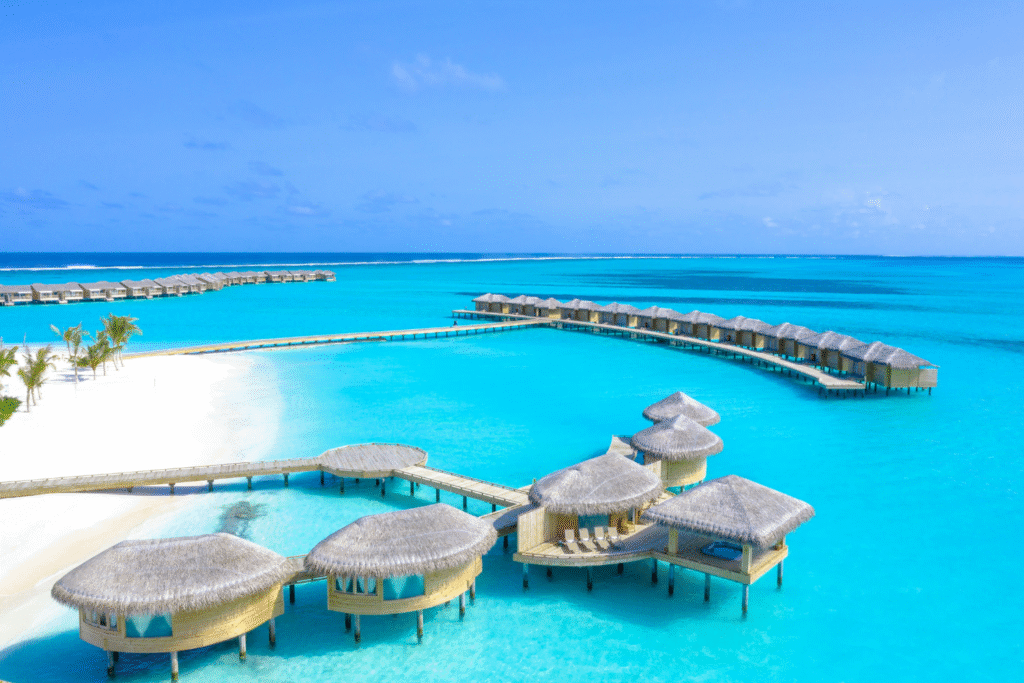
The white-sand atolls that form nations like the Maldives and Marshall Islands are already feeling the squeeze of rising tides. Their highest points barely reach two meters above the ocean, and saltwater has begun seeping into their freshwater supplies. Scientists warn that even a two-degree rise in global temperature could make these islands uninhabitable. As discovered by Live Science, entire island nations could disappear within decades as storm surges breach their fragile coasts. Life here isn’t just about survival anymore—it’s about relocation, culture, and the impossible question of where a nation goes when its land is gone.
3. The U.S. Gulf Coast is sinking faster than it can recover.
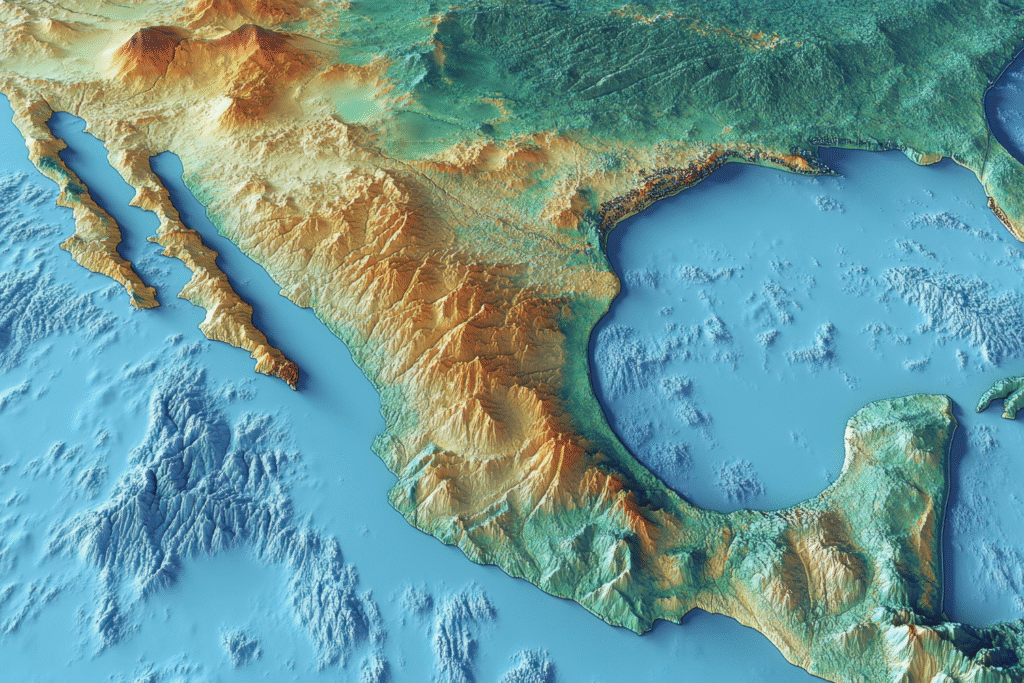
From Louisiana’s wetlands to Florida’s mangrove shores, the Gulf Coast has become a test case for rising seas. The land itself is slowly collapsing as sediment supplies from the Mississippi are cut off and oil extraction accelerates subsidence. Reported by NASA, the combination of land loss and water rise makes this region one of the most rapidly drowning areas on the planet. “Sunny-day flooding” is already routine in some towns, and when the polar ice sheets finally give way, entire cities could vanish beneath the waves. The sea is advancing, and the ground is giving up.
4. The Nile Delta’s farmland will dissolve into the Mediterranean.
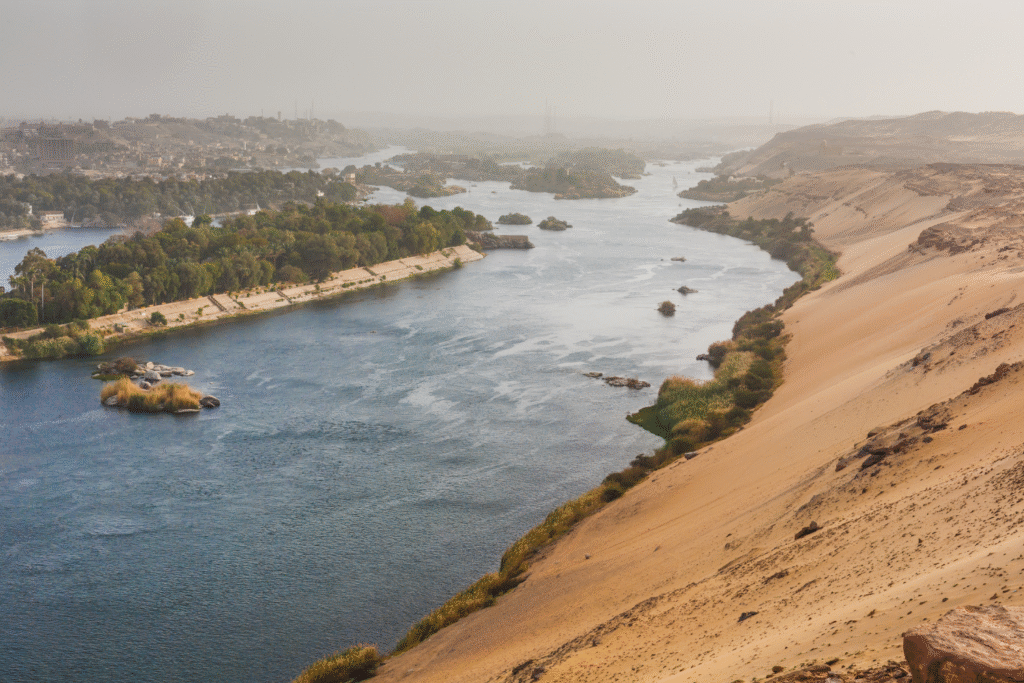
Egypt’s northern edge, once the cradle of civilization, now sits on the frontline of climate reality. The Nile Delta, where millions depend on its fertile soil, is eroding rapidly. With dams cutting off replenishing sediment and sea levels creeping upward, saltwater has begun poisoning farmlands. The Mediterranean doesn’t need to rise much before entire sections of this historic plain drown. The loss of that land wouldn’t just destroy crops; it would displace families, rewrite Egypt’s coastal borders, and erase towns that have existed since the time of the pharaohs. The sea’s patience is endless, but the land’s isn’t.
5. Mumbai and Dhaka are running out of room to breathe.
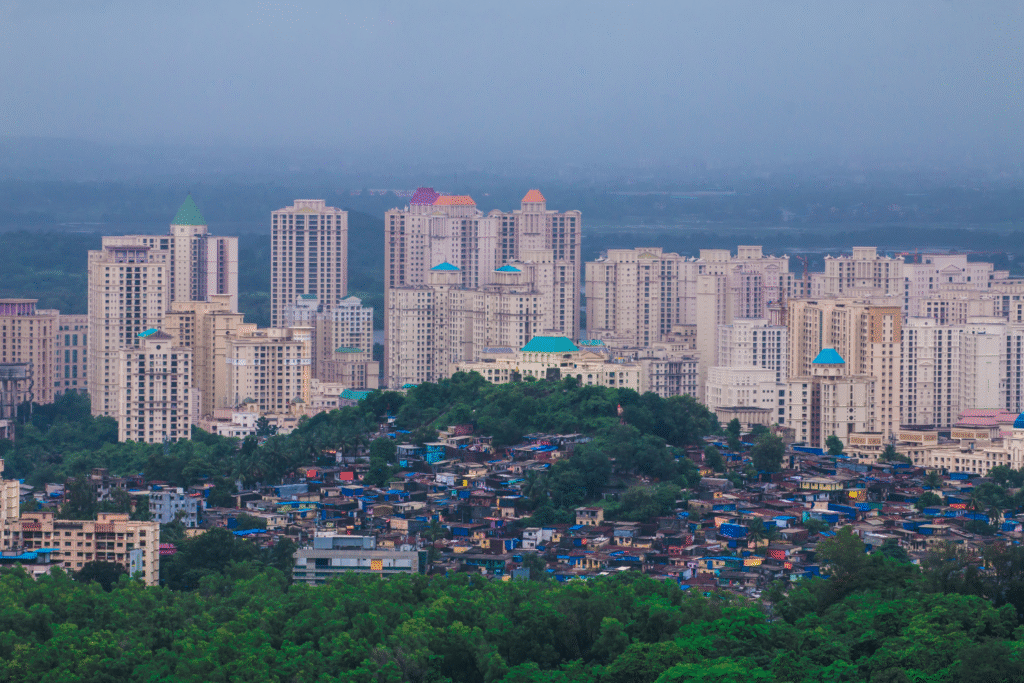
In South Asia, two of the world’s most crowded cities are boxed in by concrete and the creeping sea. Mumbai’s slums sit just meters from high tide, and Dhaka’s low-lying suburbs are already battling monsoon floods worsened by sea-level rise. Every year, the ocean edges closer, eating away at homes and livelihoods. It’s not just the water—it’s the heat, the storms, and the swelling rivers that amplify every flood. When the ice melts, these megacities won’t just lose districts—they’ll lose entire identities built on coastlines that no longer exist. The water will keep coming, even after the people leave.
6. The Netherlands’ defences will meet their greatest test yet.
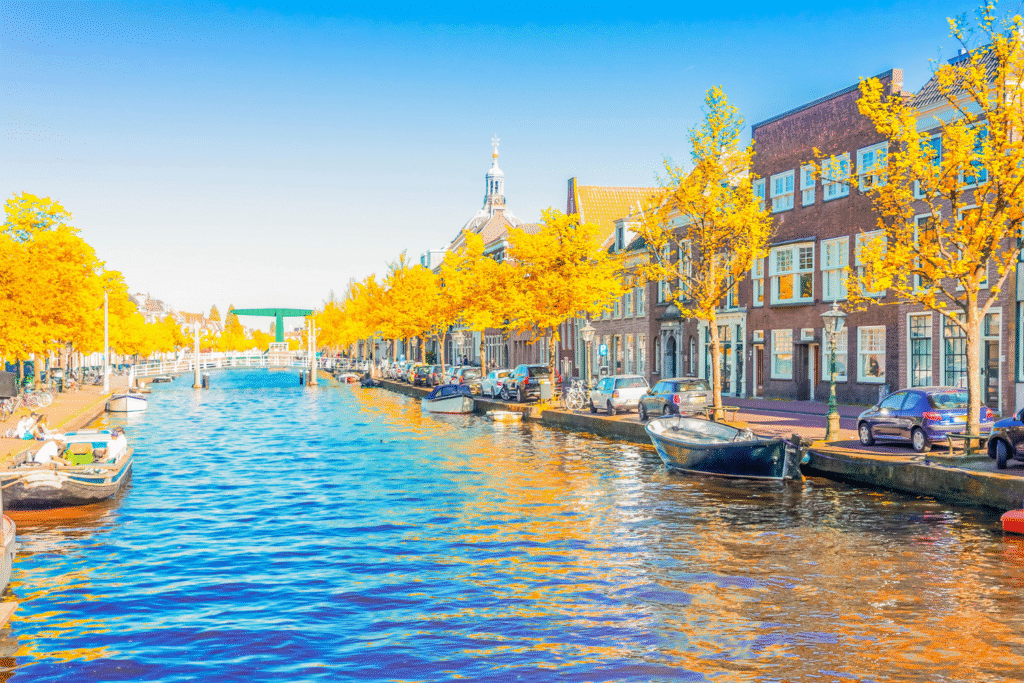
The Dutch have spent centuries mastering the art of holding back the sea, but rising tides are rewriting the rulebook. With a third of the country below sea level, even small increases in ocean height put pressure on an aging system of dikes and pumps. Engineers can innovate, but there’s a limit to what can be held back forever. As storms intensify and tides climb, water will test the resilience of one of humanity’s greatest engineering feats. The country may adapt for decades—but eventually, adaptation will turn into retreat.
7. The Arctic’s frozen coastlines are collapsing into the sea.
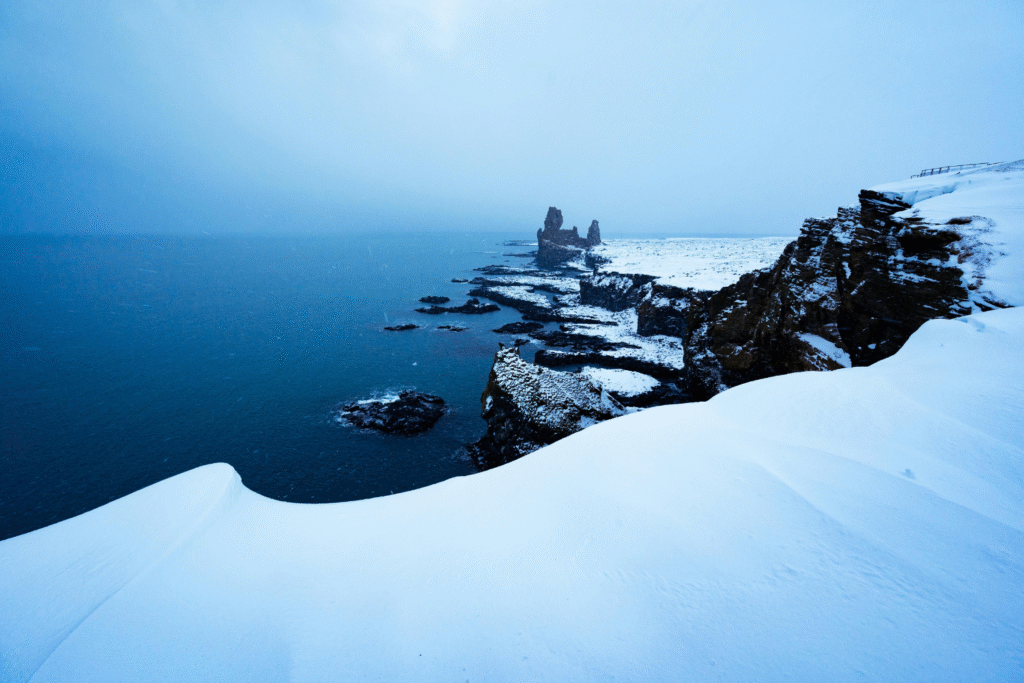
In Alaska, Siberia, and northern Canada, permafrost once held the land together like glue. Now, as global temperatures rise, that frozen ground is thawing and crumbling. Villages once safe from the waves are sliding toward the water, homes tilted and roads split by erosion. The combination of thawing soil and rising seas is a one-two punch unlike anywhere else on Earth. Coastal communities are already relocating, watching ancestral burial grounds vanish into the surf. The Arctic isn’t just melting from above—it’s collapsing from below, one thawed cliff at a time.
8. Shanghai and the Yangtze Delta are drowning from within.
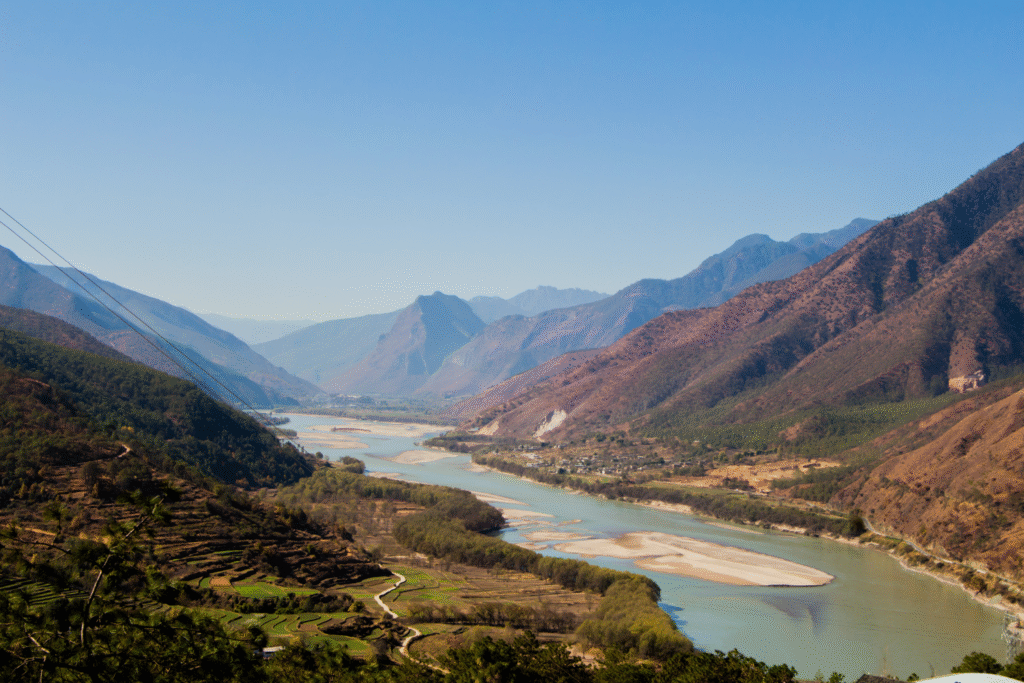
Shanghai’s glittering skyline hides a sinking truth. The ground beneath China’s financial hub is subsiding as underground water tables drop, and the East China Sea is rising steadily higher. The Yangtze River Delta, home to over 100 million people, faces a race against time. Storm surges, typhoons, and encroaching tides now threaten its vast network of ports and cities. Engineers build new barriers each year, but with the accelerating melt of Greenland and Antarctica, it’s a losing race. The future skyline may stand above the clouds—but the streets below could soon belong to the sea.
9. West Africa’s coastal plains are breaking under rising tides.
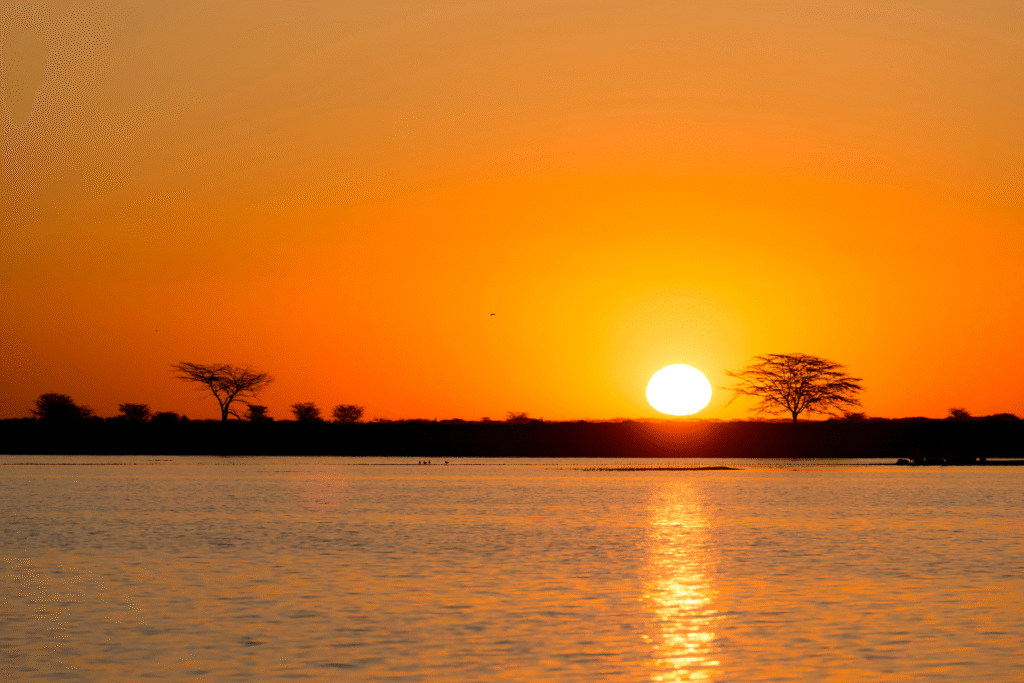
In Senegal, Ghana, and Nigeria, entire neighborhoods have begun to crumble into the Atlantic. Coastal erosion moves faster each year as tides strengthen and beaches retreat. Fishing villages once buzzing with life now sit half underwater, homes split open and boats stranded inland. Saltwater intrusion is ruining crops, and migration inland is accelerating. Every season, the sea reclaims a little more, pulling away livelihoods along with land. It’s a slow-motion catastrophe that leaves scars across the coast and deep in the culture of those forced to flee.
10. The Pacific Islands will lose land before they lose hope.

For many islanders in the Pacific, the sea is both home and threat. From Kiribati to Tuvalu, the rising tide is no longer theoretical—it laps at doorsteps, floods gardens, and poisons wells. Yet, communities refuse to surrender. They build seawalls, raise homes, and fight for global attention, knowing that each tide brings them closer to disappearance. When the ice caps finally vanish, their islands might too—but their resilience and identity are already shaping how the world will face the same fate, one coastline at a time.