
The clues point to a planetary mystery still unfolding.
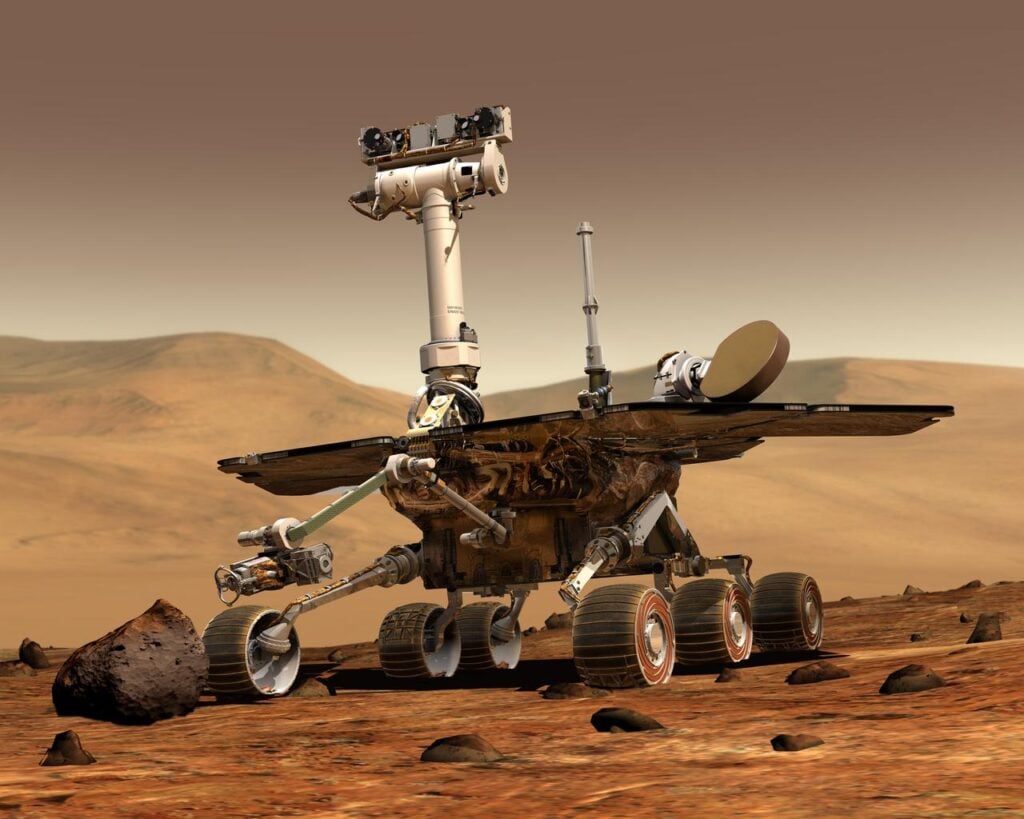
For decades, Mars has looked like a dry and silent world, its surface scarred and rust-colored, its air too thin to breathe. Yet beneath that stillness, instruments have been uncovering a different story written into stone, dust, and atmosphere. Layer by layer, scientists are piecing together evidence that the red planet once held something far more dynamic. The clues are subtle but consistent, embedded in crater walls and trapped inside minerals. What they reveal suggests Mars did not simply dry out. It transformed. And the scale of that transformation may be far greater than anyone first imagined.
1. Ancient rocks prove water once covered most of Mars.
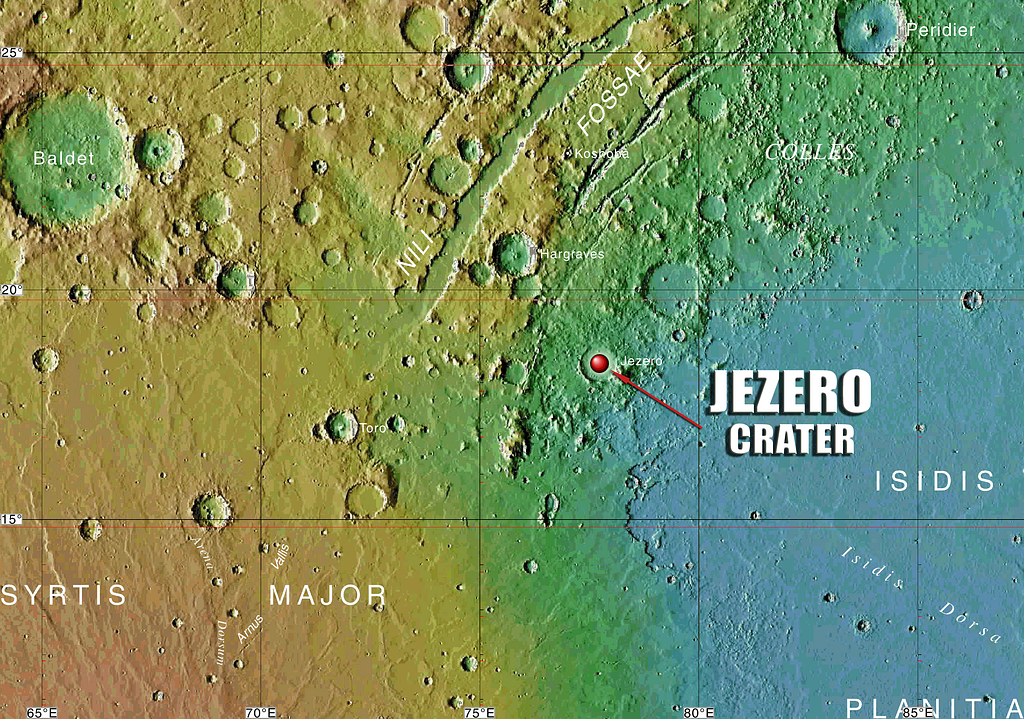
Rover instruments scanning Jezero Crater and Gale Crater found sedimentary layers identical to those formed by lakes and rivers on Earth. According to NASA’s Jet Propulsion Laboratory, the mineral makeup includes clays and sulfates that only develop through long-term contact with liquid water. These rocks are more than three billion years old, yet they preserve ripples and deltas frozen in time. Their patterns show that Mars wasn’t always dry, it had sustained, standing bodies of water capable of shaping entire landscapes.
2. Isotope ratios revealed how much water escaped to space.
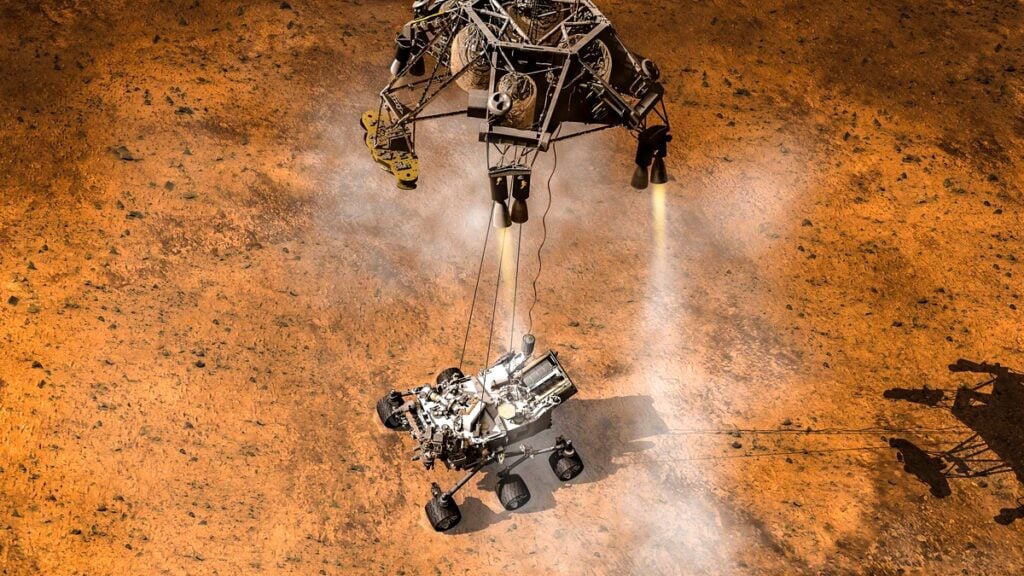
By analyzing hydrogen isotopes trapped in Martian rock samples, scientists found that light hydrogen escaped into space while heavier deuterium remained behind, as reported by Science Advances. That ratio shows a massive loss of hydrogen atoms over billions of years, meaning oceans gradually bled away into space. The process wasn’t sudden but continuous, eroding the planet’s once-dense atmosphere molecule by molecule. This delicate forensic chemistry is how researchers calculated that roughly 87 percent of the planet’s total water inventory has vanished since its early days.
3. The atmosphere thinned faster than early models predicted.
Data from NASA’s MAVEN orbiter confirmed that solar wind stripped Mars’s upper atmosphere more aggressively than expected. As discovered by the European Space Agency, charged particles from the Sun bombarded the planet’s magnetic field until it collapsed. Without protection, the atmosphere eroded, allowing vaporized water to drift into space. The timeline reconstructed from these measurements shows that within a few hundred million years, the sky itself had become too thin to hold moisture or shield the surface from radiation.
4. Some of the lost water remains locked underground.
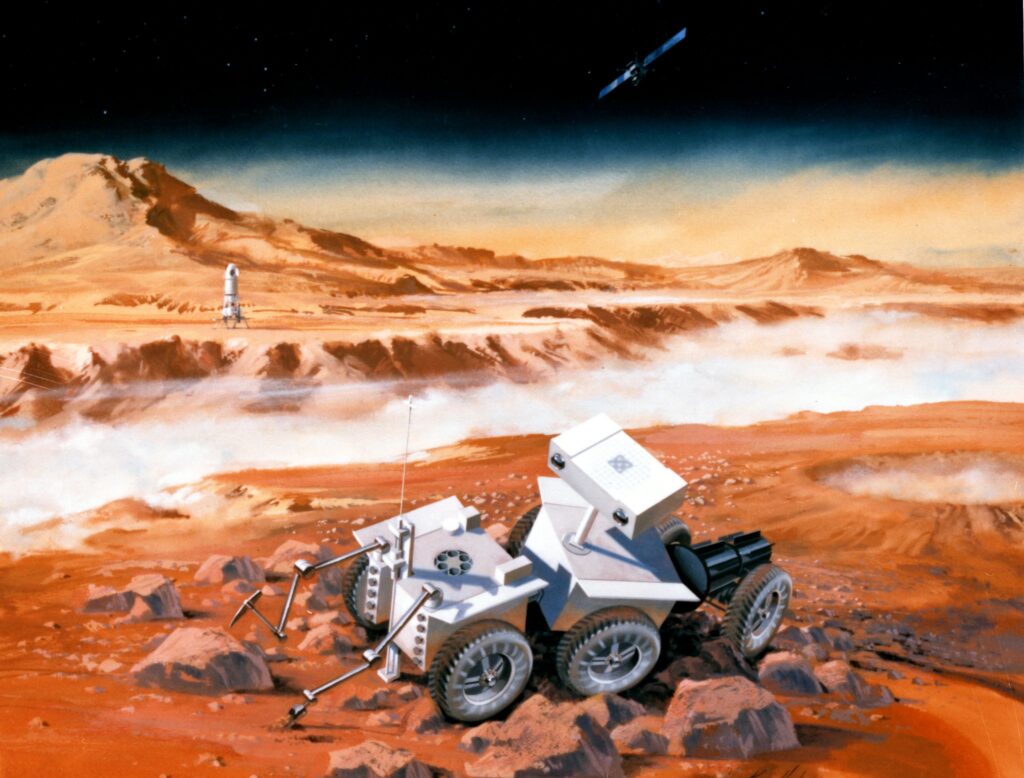
Not all Martian water vanished into the void, some of it is still trapped in the planet’s crust. Rover data suggests hydrated minerals, especially clays, absorbed enormous quantities of H₂O. This hidden reservoir could equal a global ocean a few hundred meters deep if released. These subsurface minerals act as a geological vault, holding the chemical fingerprints of Mars’s wetter past. The challenge now lies in accessing and analyzing those minerals without contaminating them, since they may contain the planet’s best record of habitability.
5. Polar ice holds the last visible remnants of ancient seas.
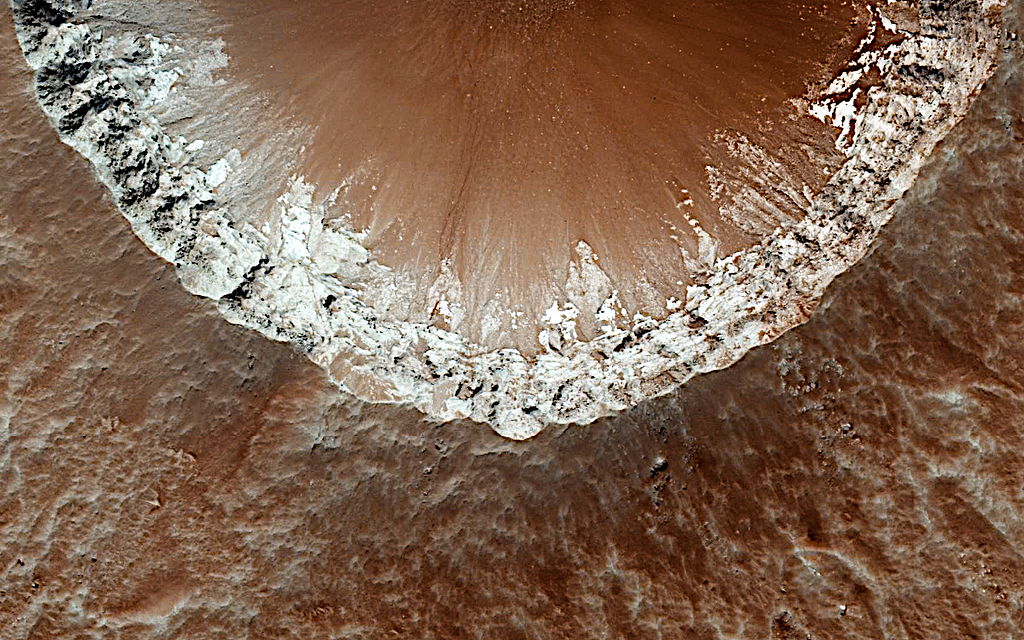
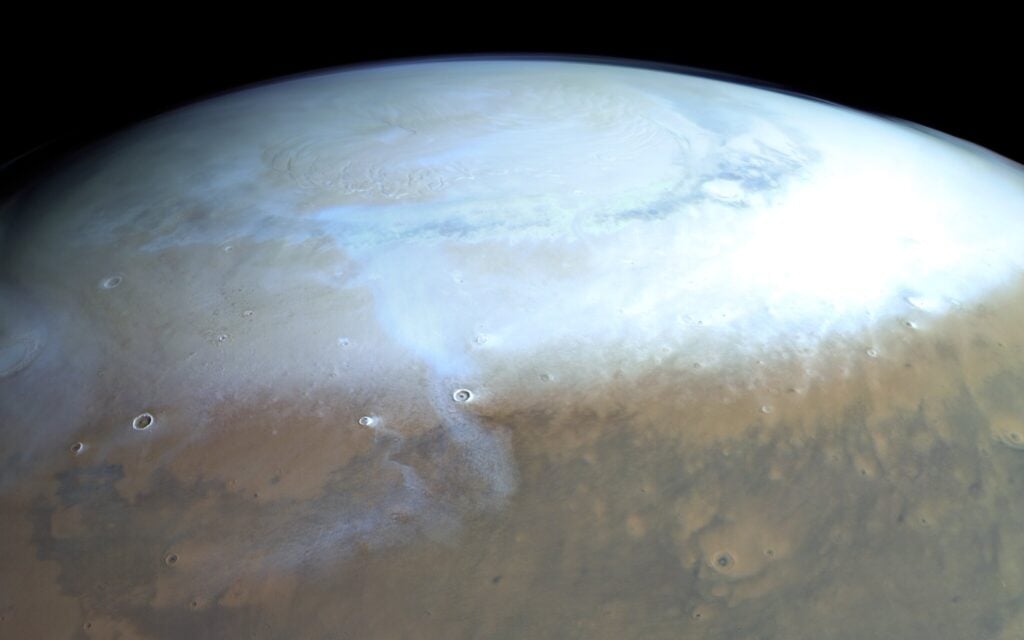
The polar caps, shining like white glass against the red dust, contain layered deposits of frozen water and carbon dioxide. These icy rings preserve the rhythm of Mars’s climate cycles like tree rings on Earth. Each layer represents a shift in temperature or solar radiation that influenced how water migrated between poles, air, and ground. Even today, seasonal evaporation and refreezing continue, a slow pulse from a world that once had rivers rushing through its valleys.
6. Rover tracks show erosion patterns from vanished rivers.
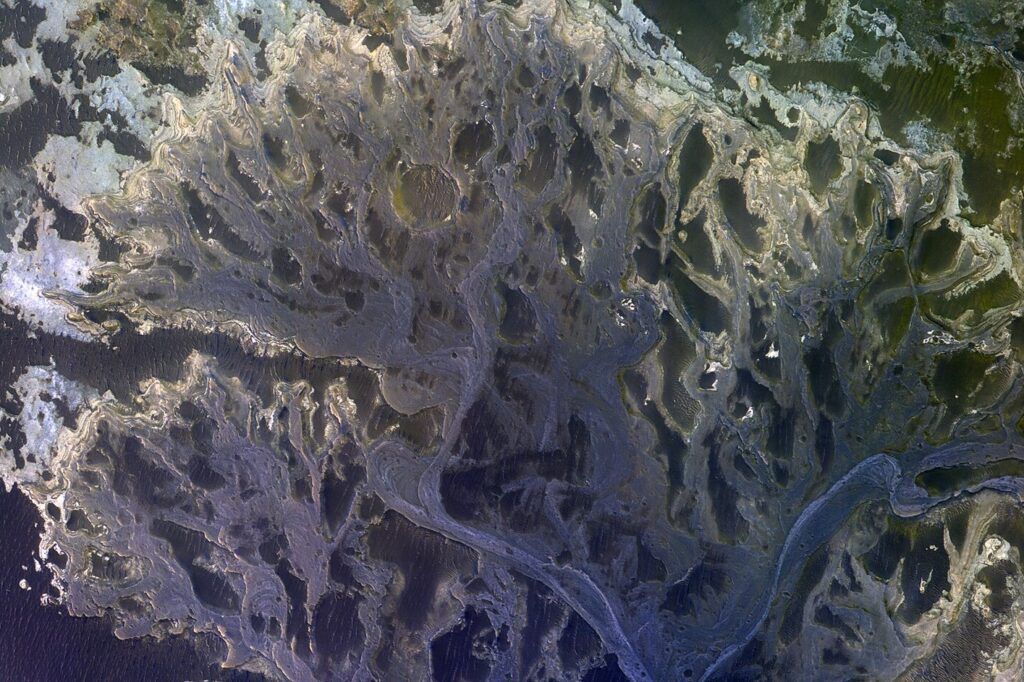
Curiosity’s cameras have captured riverbed channels carved into crater walls, their winding paths eerily similar to dry streambeds on Earth. Pebbles found within these formations are rounded, proving they were shaped by flowing water rather than wind. Such features confirm that ancient rivers once flowed for centuries or longer, feeding large basins. When the climate shifted and evaporation exceeded replenishment, those waterways dried, leaving behind the skeleton of a once vibrant hydrological network.
7. Magnetic evidence tells when the planet’s shield failed.
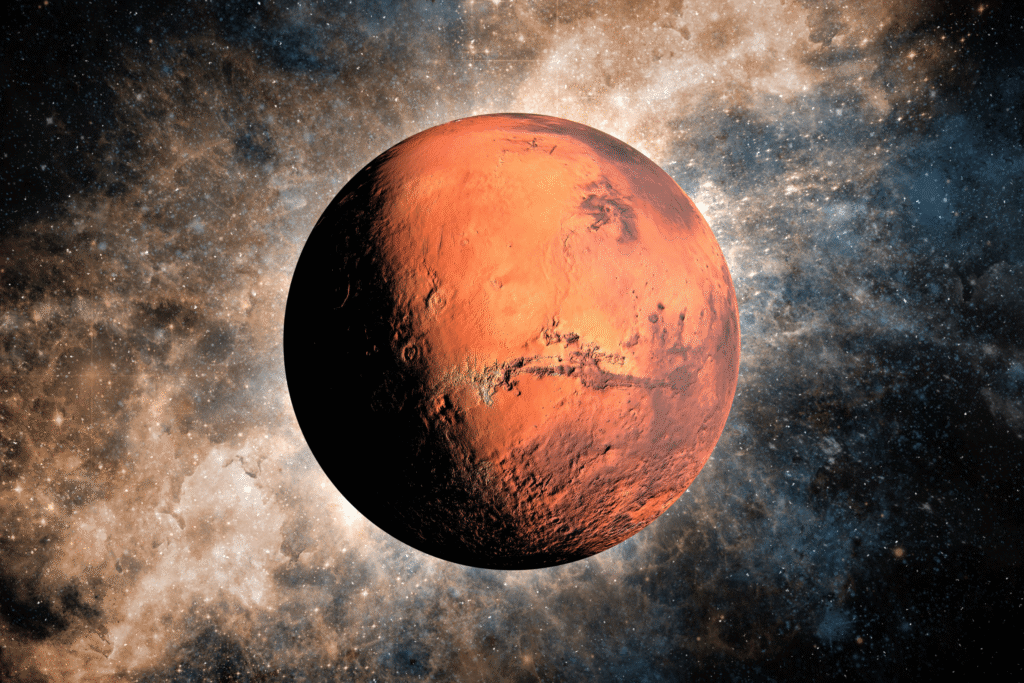
The loss of Mars’s magnetic field marked the turning point. Rock samples show remnant magnetism that abruptly stops around 4 billion years ago, marking when the core cooled and the field shut down. Without that protection, solar particles stripped away atmospheric gases and water vapor with ease. It’s one of the most dramatic examples of planetary vulnerability ever observed, a world that lost its heart, and with it, its ability to stay alive.
8. Volcanoes may have accelerated atmospheric destruction.
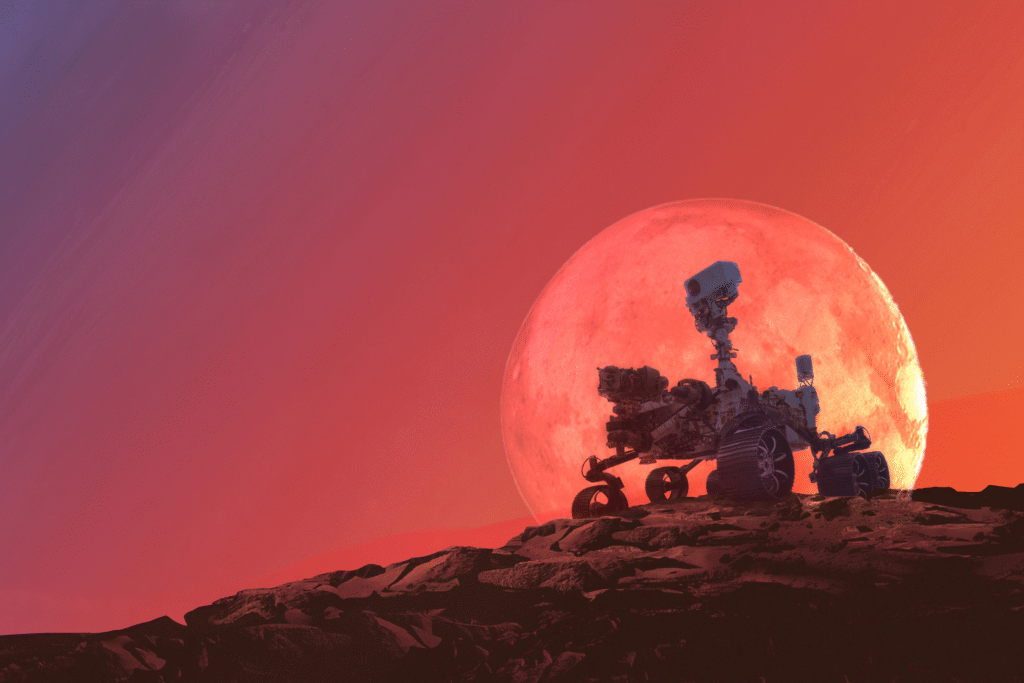
Volcanic eruptions once blanketed Mars with ash and gases, but their long-term effect wasn’t protection, it was depletion. Sulfur dioxide and carbon compounds may have temporarily warmed the planet, but over time, chemical reactions with the crust locked carbon underground instead of leaving it in the air. The result was a runaway cooling effect that froze oceans faster than they could evaporate, creating a one-way transition from blue to red.
9. Today’s thin atmosphere shows the aftermath in motion.
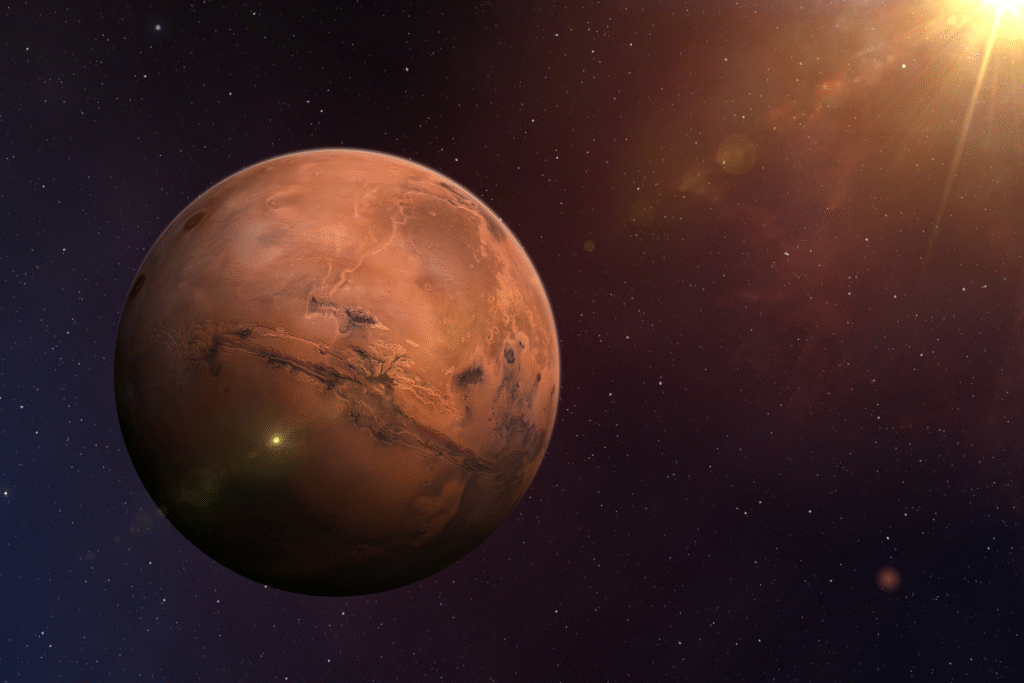
The Martian atmosphere now holds less than one percent of Earth’s air pressure. Water can’t exist as liquid for long, it either freezes or sublimates instantly. Rovers frequently capture frost forming and vanishing in a single sunrise, a daily echo of what happened over eons. Every grain of dust carries the memory of that loss, whispering of oceans that once shimmered under a thicker sky. What we see now is the fossil of a climate system long expired.
10. The search for past life depends on these vanished waters.
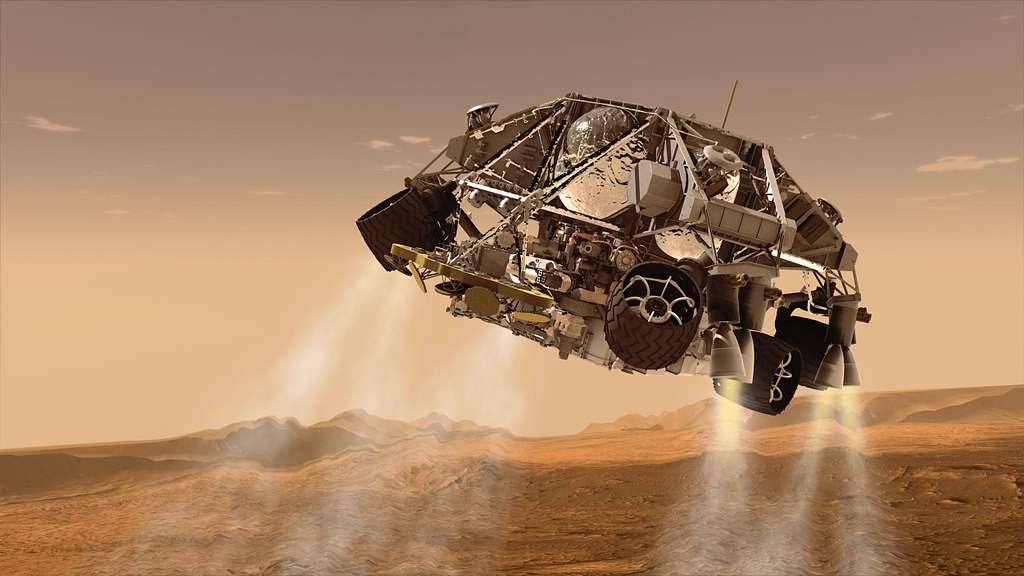
If Mars ever supported microbial life, it would have thrived when those rivers and lakes existed. That’s why the Perseverance rover is storing samples from former lakebeds, hoping traces of organic molecules remain. The planet’s dried basins aren’t just geological sites, they’re biological time capsules. Understanding how Mars lost 87 percent of its water isn’t just about planetary history; it’s about narrowing the search for life in the only world we can still read like an ancient diary written in stone and dust.