
In certain places, the ground still trembles at dawn.

There are moments in the American wild when the air shifts before you see anything at all. A low echo rolls across frost covered grass. Branches snap somewhere beyond the treeline. Then movement begins, not one shape but dozens, sometimes hundreds, flowing through valleys as if time reversed itself. These are not relics or zoo animals behind fences. They are massive, breathing herds reclaiming landscapes that once nearly lost them. In a country stitched together by highways and subdivisions, there are still corners where something ancient gathers in numbers large enough to silence everything else.
1. Colorado holds the largest elk population in America.
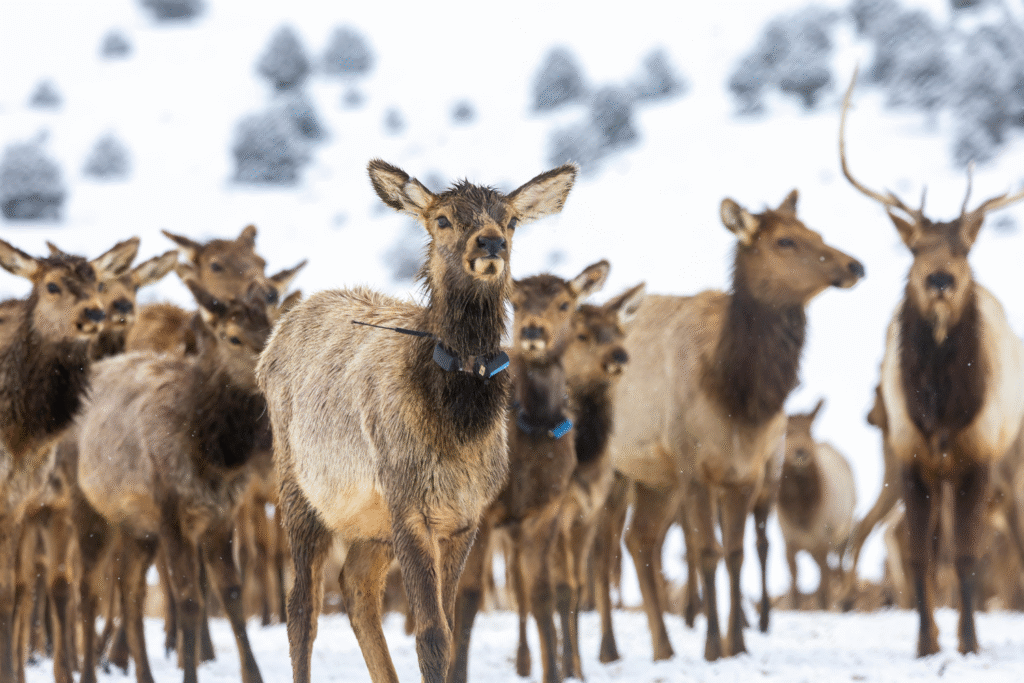
Colorado’s wilderness supports over 280,000 elk, more than any other state, according to Colorado Parks and Wildlife. The animals roam freely through Rocky Mountain National Park, White River National Forest, and the San Juan Mountains. Herds there migrate with the seasons, moving from snowy peaks to grassy lowlands. The landscape gives them everything they need, open range, mountain cover, and endless forage. Watching them during rutting season, bugling across alpine meadows, feels like witnessing the past come alive again.
2. Montana’s elk herds stretch from the plains to the peaks.
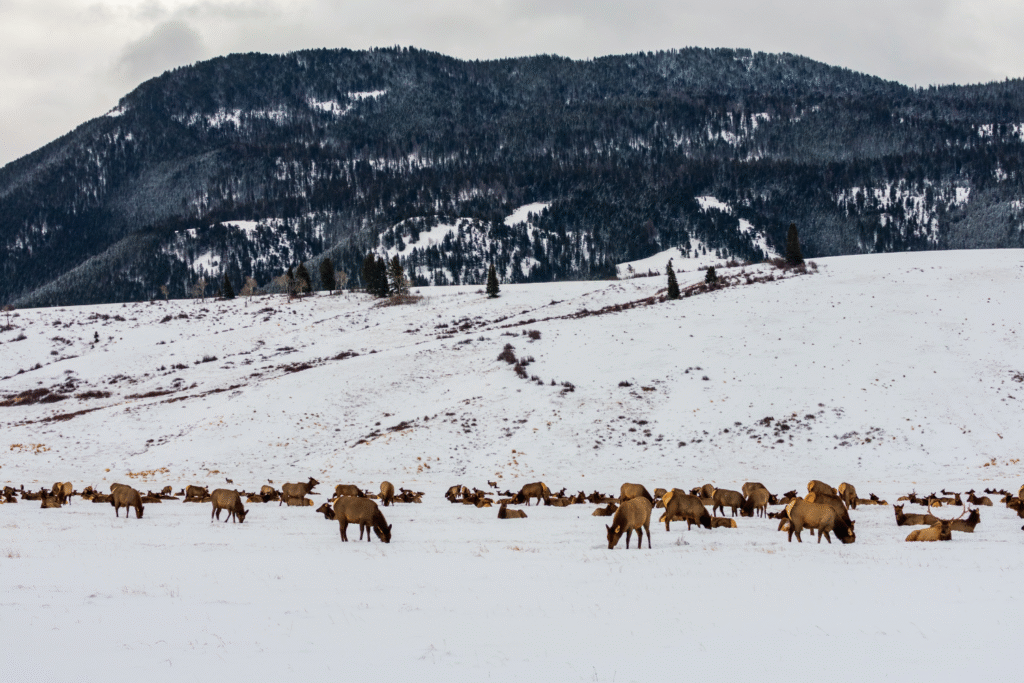
With roughly 150,000 elk, Montana remains a sanctuary for the species, as stated by the U.S. Forest Service. Herds can be seen along Yellowstone’s northern border, the Bitterroot Valley, and the Bob Marshall Wilderness. Many locals view elk as both a natural treasure and a cultural emblem. Conservation efforts here balance hunting with habitat preservation, a model that’s kept populations stable for decades. It’s not unusual to spot them crossing frosty rivers at dawn, steam rising off their coats like breath from the earth itself.
3. Wyoming’s elk herds migrate through ancient corridors.
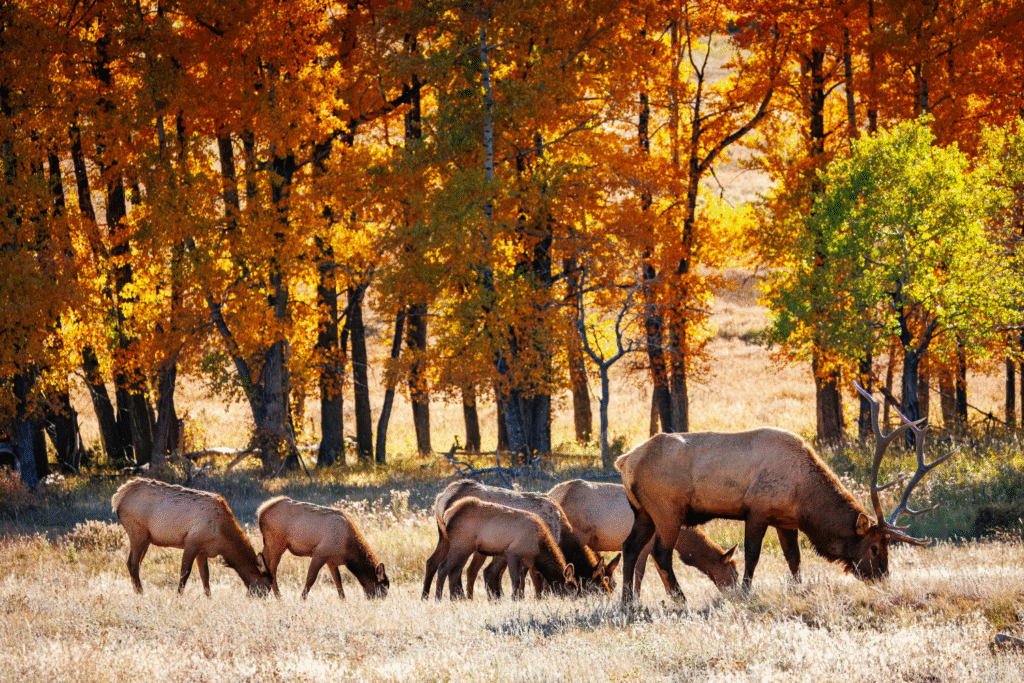
Yellowstone and Grand Teton National Parks anchor Wyoming’s 120,000-strong population, reported by the National Park Service. Some herds still follow migration routes that are thousands of years old, winding through high mountain passes and valleys shaped by glaciers. The most famous, Jackson’s elk herd, winters at the National Elk Refuge, where thousands gather in view of the Tetons. These migrations are among the longest known for any land mammal in the continental U.S., proof of how deeply woven elk remain into the fabric of wild America.
4. Idaho’s rugged terrain shelters resilient herds year-round.
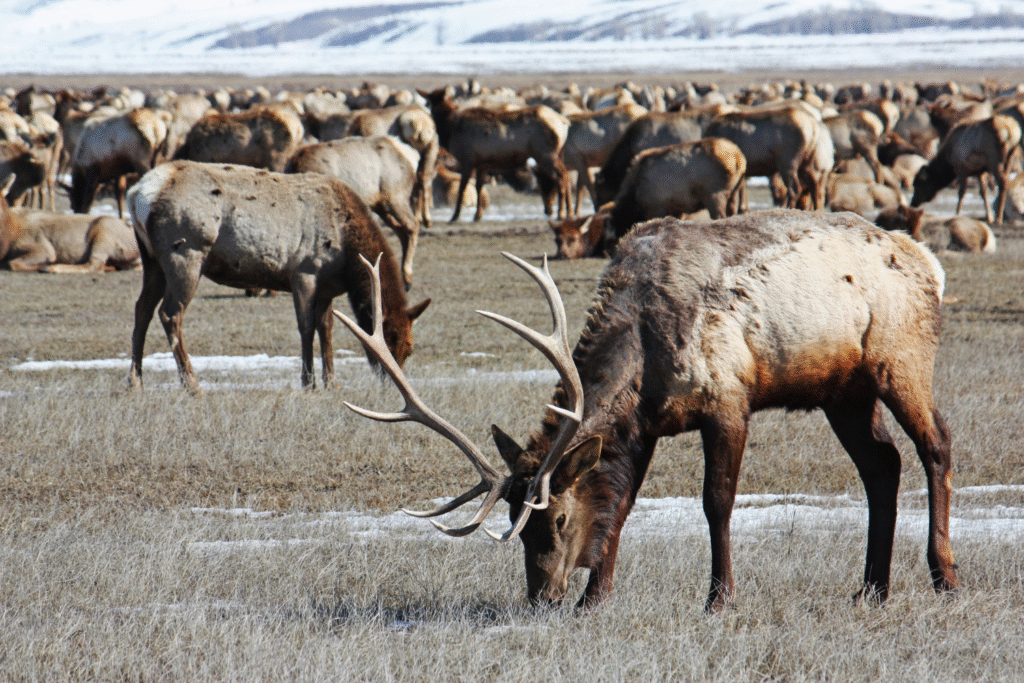
Elk thrive across Idaho’s backcountry, particularly in the Salmon-Challis National Forest and along the Clearwater River basin. The state’s steep canyons and dense forests offer protection from predators and harsh weather. Biologists estimate roughly 120,000 animals roam here, adapting to both wilderness and timber country. Hunters, hikers, and wildlife watchers share the same reverence, each encounter feels earned in a landscape that demands endurance. In many ways, Idaho represents what much of the West once looked like before fences and roads divided it.
5. Oregon’s coastal forests echo with elk calls again.
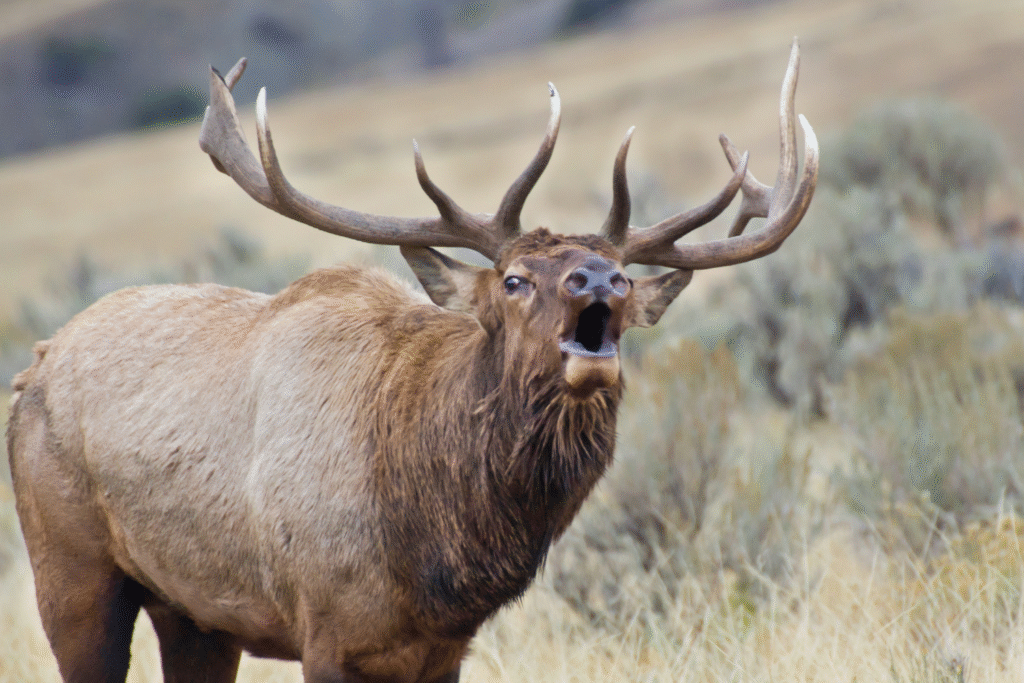
Western Oregon’s Roosevelt elk, the largest subspecies in North America, have rebounded dramatically. They move through fog-draped forests near the coast and graze on open meadows in the Cascade foothills. Eastern Oregon, meanwhile, holds its own Rocky Mountain elk herds thriving across high desert ranges. Together, they form one of the most genetically diverse elk populations on the continent. It’s not uncommon for locals to wake up to herds grazing in distant pastures, reminders that wildness still lingers between ocean and volcano.
6. Washington’s temperate rainforests cradle thriving elk populations.
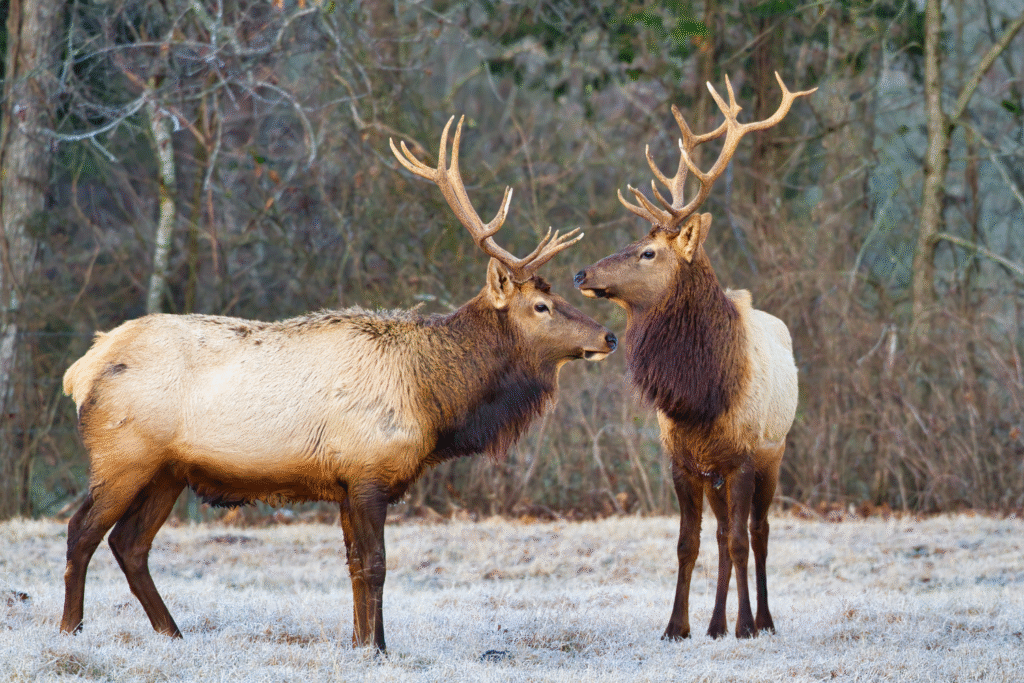
The Olympic Peninsula is home to Roosevelt elk that have survived isolation and time. They feed in fern-filled valleys and riverbeds that stay green year-round. Further east, Rocky Mountain elk occupy dry plateaus near Yakima and the Blue Mountains. The state’s dual habitats allow both species to coexist, separated by mountain divides but connected through conservation. It’s one of the few regions where you can hear elk calls echoing through misty rainforest one day and across sagebrush plains the next.
7. Pennsylvania’s comeback story became a national success.
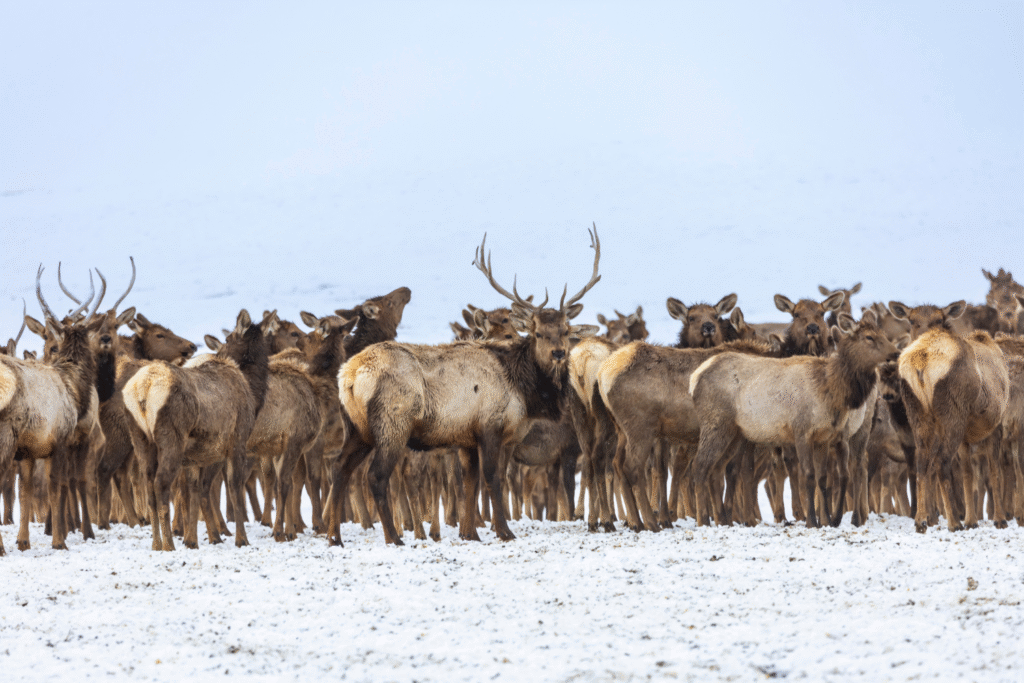
Once wiped out by the 1870s, elk were reintroduced to Pennsylvania in 1913 from Yellowstone stock. Today, more than 1,400 roam the north-central part of the state, especially around Elk and Cameron Counties. Each fall, thousands of visitors gather in Benezette to hear the bugling season, a sound unheard there for nearly a century. The revival became a blueprint for Eastern rewilding efforts, proving that with patience and protection, even the industrial heartland can echo again with the call of wild elk.
8. Kentucky’s elk restoration transformed the Appalachian landscape.
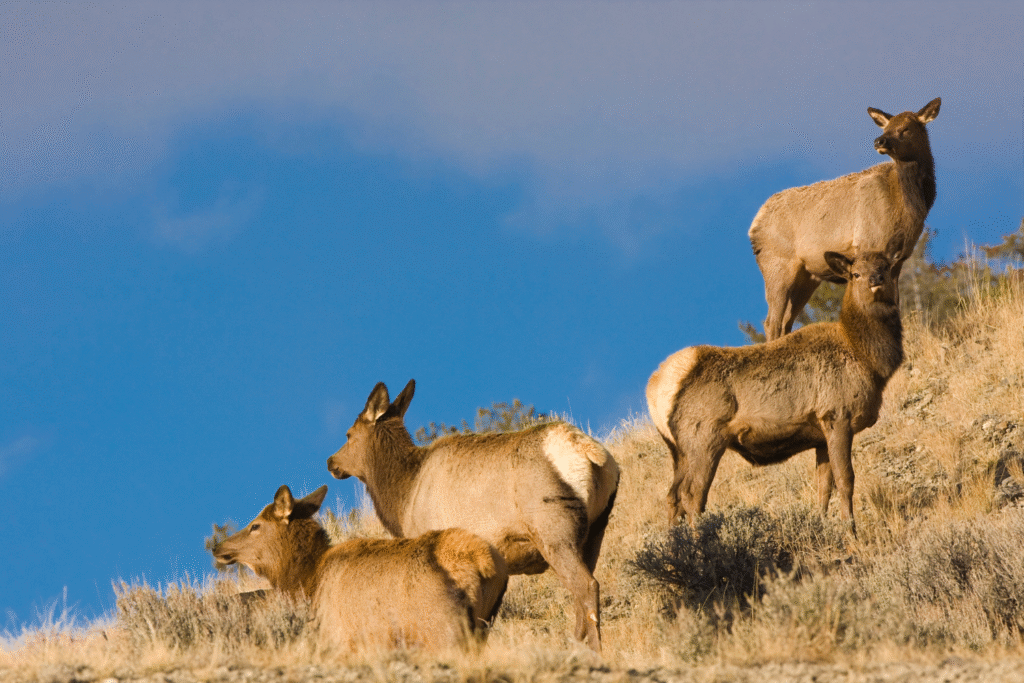
When elk were reintroduced to eastern Kentucky in 1997, few believed they’d flourish. Yet today, more than 13,000 animals roam reclaimed coalfields and forested ridges. The success stunned wildlife officials and inspired similar projects across the region. Elk tourism now fuels local economies once reliant on mining, giving communities a new sense of pride in the land’s recovery. Seeing elk graze where strip mines once scarred the hills feels like redemption written across Appalachia’s slopes.
9. Arizona’s high country supports elk in surprising numbers.
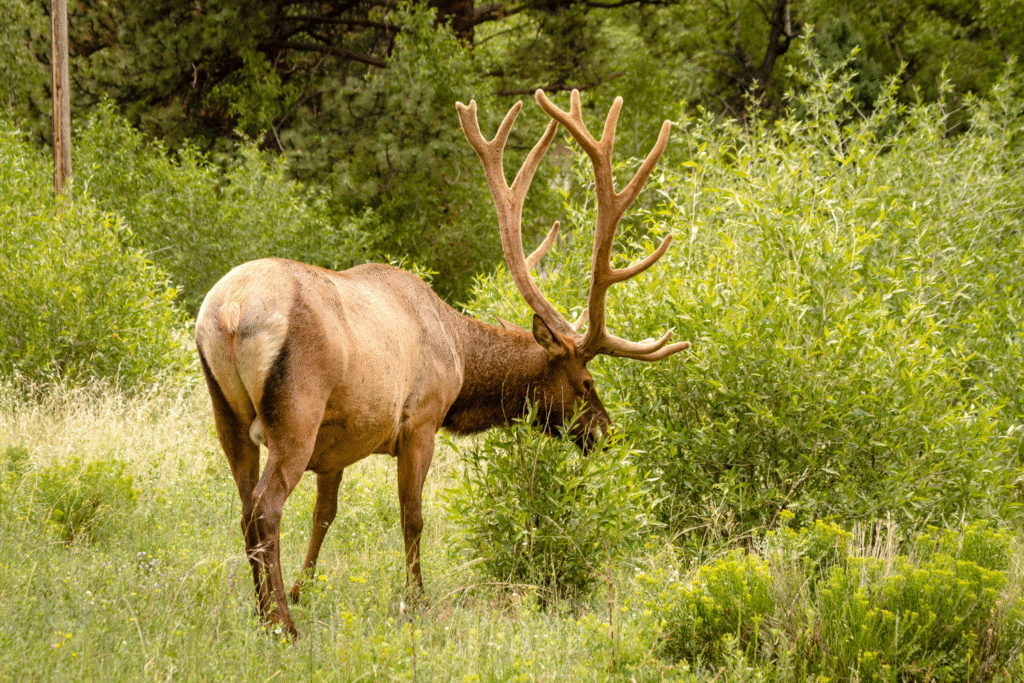
Arizona’s elk thrive across the Coconino and Apache-Sitgreaves National Forests, particularly near Flagstaff and the Mogollon Rim. With more than 35,000 individuals, the population is larger than many northern states. The high-elevation forests, cool summers, and rich forage make it an unexpected haven. During drought years, herds often migrate toward man-made water catchments built by conservation groups, a quiet partnership between humans and the wild. It’s living proof that elk can adapt to even the harshest, most arid corners of the West.
10. Utah’s mountain plateaus carry herds across red desert edges.
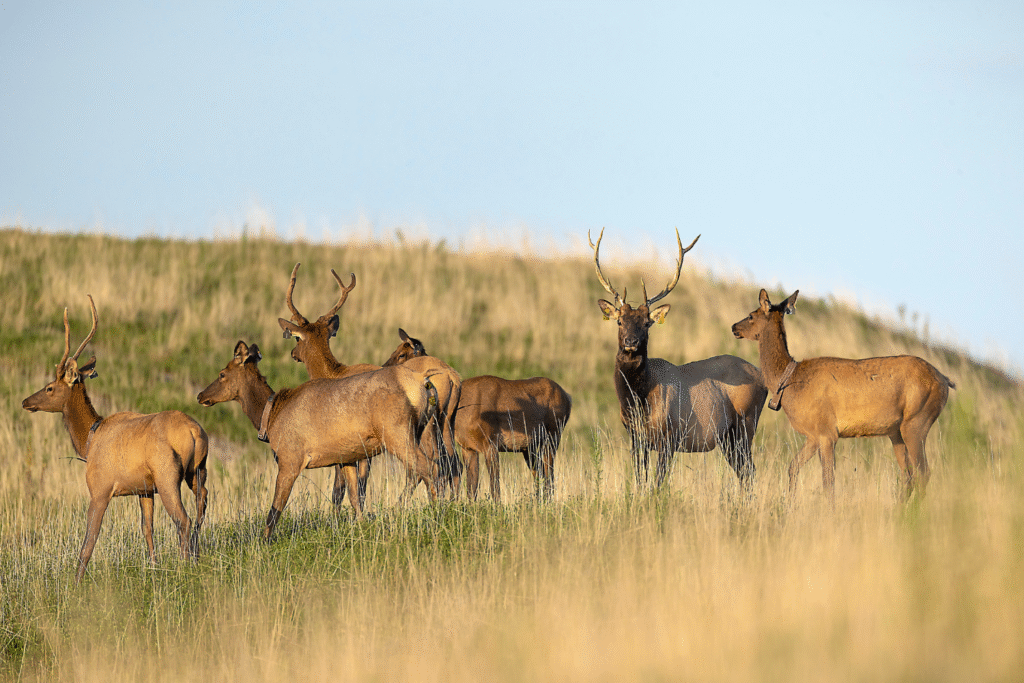
From the Wasatch Range to the San Rafael Swell, Utah’s elk roam through landscapes of staggering contrast, snow peaks to sandstone canyons. The state manages around 80,000 animals, balancing hunting access with ecosystem health. Each fall, the bugling season transforms high plateaus into natural amphitheaters. Many herds overlap with mule deer and pronghorn, creating dynamic wildlife corridors that reconnect fragmented habitats. Utah’s elk herds embody the state’s wilder side, one often overshadowed by its national parks but equally magnificent.
11. New Mexico’s volcanic highlands give refuge to elk herds.
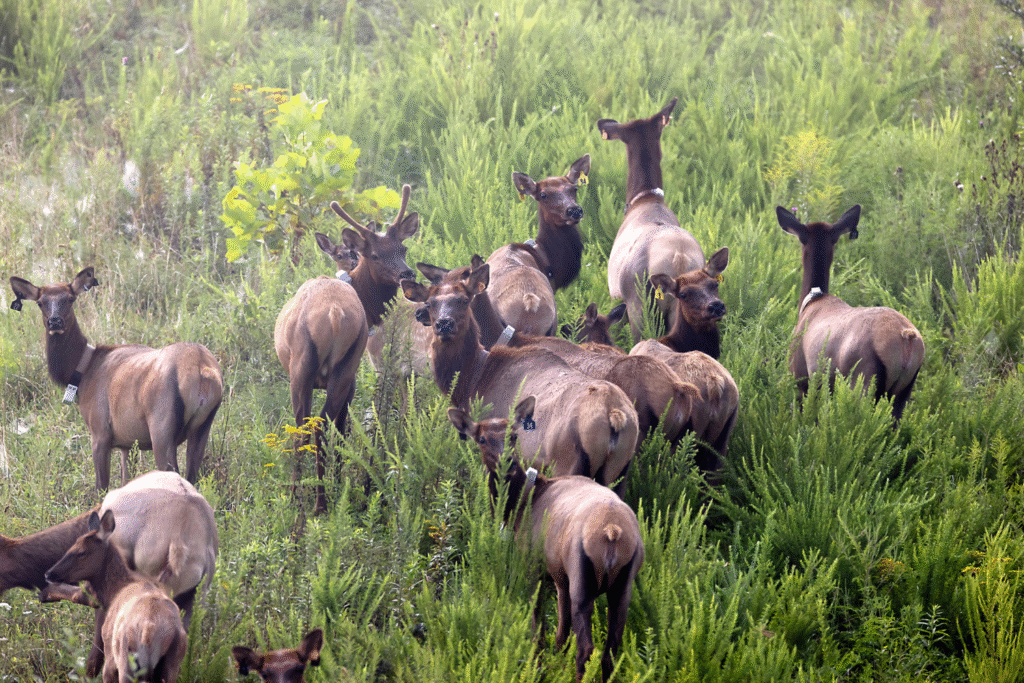
In the Jemez Mountains and Valles Caldera, elk graze in meadows framed by volcanic ridges. Introduced from Yellowstone in the early 1900s, they now number around 70,000 statewide. The cooler elevations provide the perfect environment, lush in summer, sheltered in winter. Locals often see them crossing quiet highways at dawn or silhouetted against sunrise above the caldera. These herds are thriving in places that were once empty, their return a small miracle of balance between ancient terrain and modern care.
12. North Carolina’s Smoky Mountain herds mark a southern stronghold.
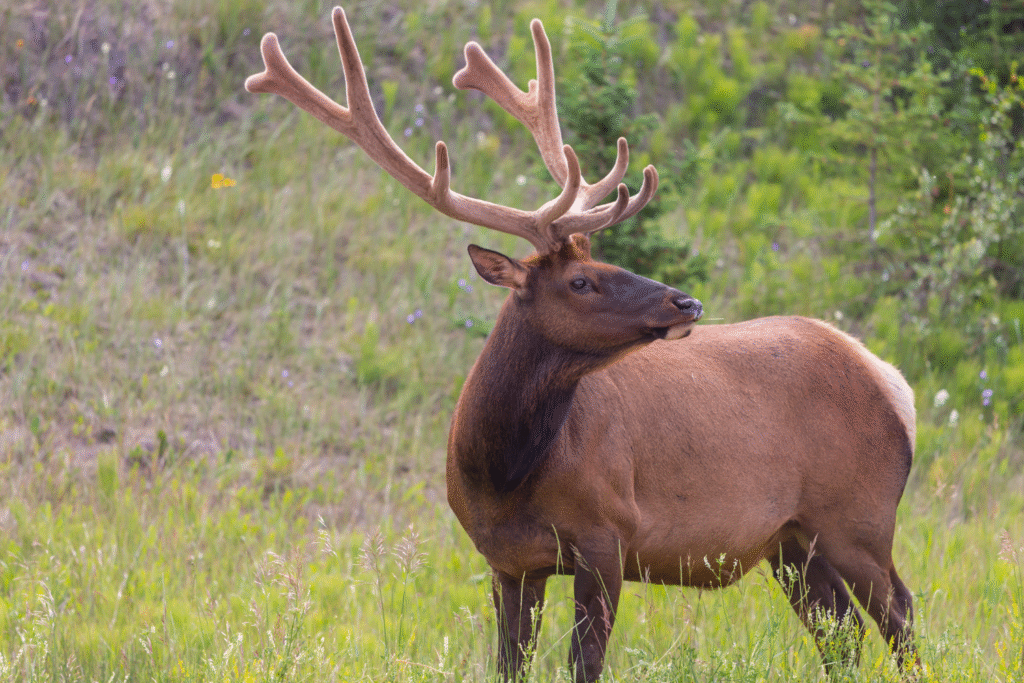
Reintroduced to Great Smoky Mountains National Park in 2001, elk have expanded beyond the park’s borders into surrounding valleys. Roughly 250 now roam freely, primarily near Cataloochee Valley. Their presence has reignited an ecosystem that hadn’t seen large grazers in 200 years. Tourists gather quietly at dusk, cameras ready, as bugling fills the ridges once again. It’s a fragile but growing population, proof that even in the humid forests of the East, wild elk can reclaim their ancestral ground one meadow at a time.