
Your feline friend might be trying to tell you something more serious than you think.
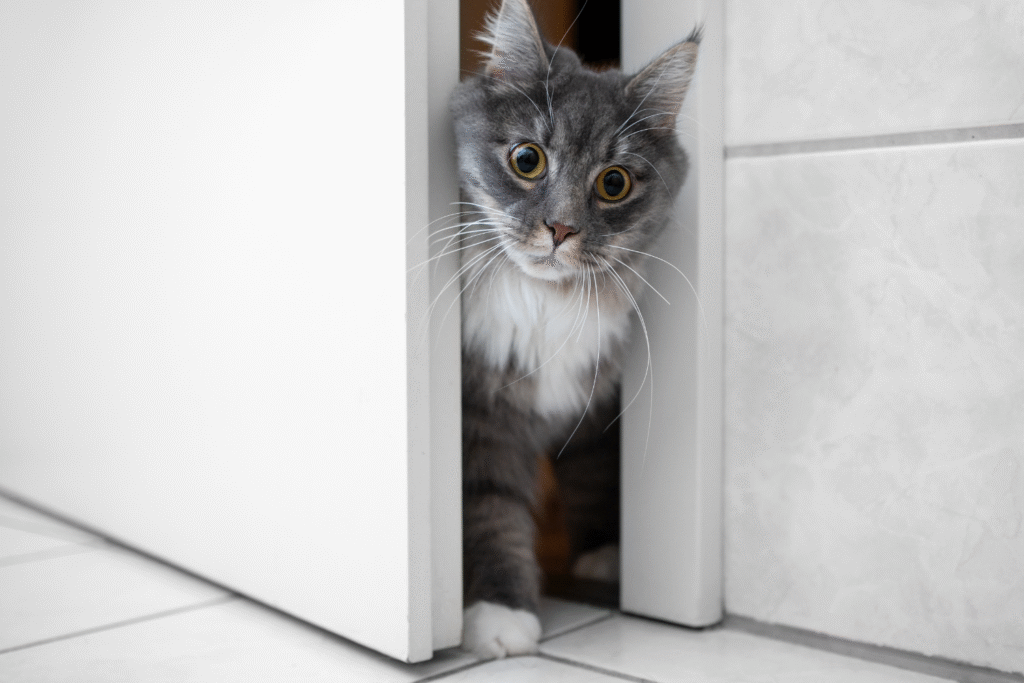
Cats have this uncanny ability to sense things we can’t, and when yours suddenly refuses to enter the kitchen or bolts from the bedroom like it’s on fire, there’s usually more to the story than simple feline moodiness. These mysterious room boycotts aren’t just quirky cat behavior – they’re often your pet’s way of communicating something important about their health, your home environment, or changes that have them genuinely spooked. Understanding these silent messages could save you from bigger problems down the road.
1. Pain makes certain surfaces feel unbearable under sensitive paws.

According to veterinary behaviorist Dr. Karen Overall from the University of Pennsylvania School of Veterinary Medicine, cats experiencing joint pain or paw sensitivity will actively avoid rooms with hard flooring that causes discomfort. Arthritis, which affects up to 90% of cats over twelve years old, can make walking on tile, hardwood, or laminate flooring genuinely painful. What looks like pickiness is actually your cat making smart choices about where they can move comfortably.
Older cats especially might start spending all their time on carpeted areas while avoiding the kitchen, bathroom, or any room with unforgiving surfaces. This behavior often develops gradually, so you might not notice the pattern until it becomes pronounced. If your cat suddenly treats certain floors like lava, a vet visit for joint evaluation could reveal underlying issues that pain management can address effectively.
2. Stress hormones spike when territorial boundaries get disrupted unexpectedly.
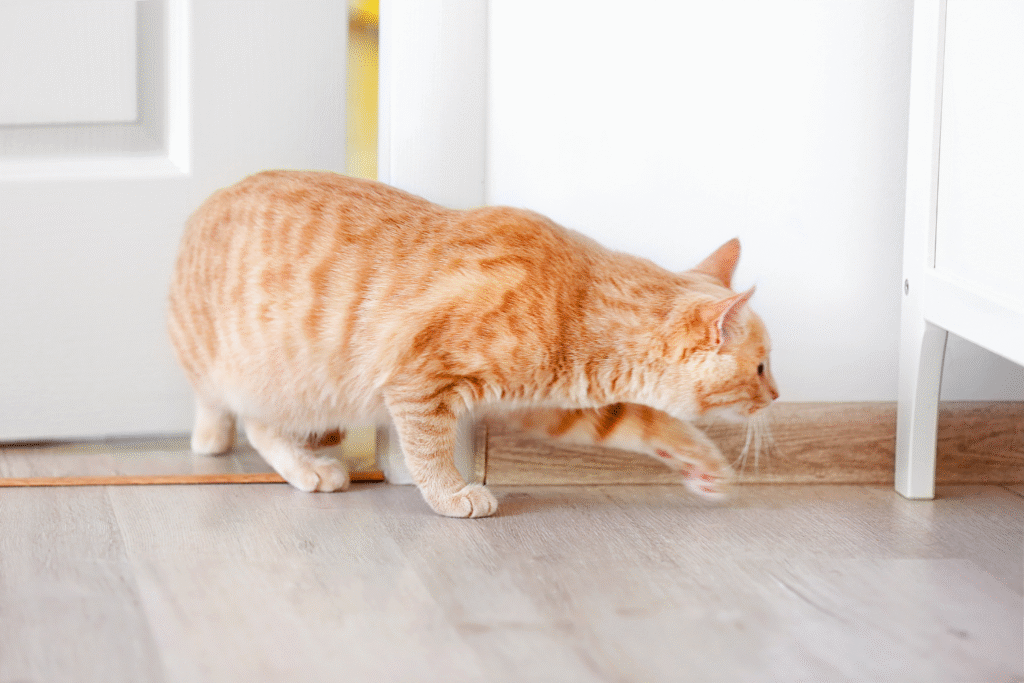
Moving furniture, introducing new scents, or even changing cleaning products can trigger territorial anxiety that makes familiar spaces feel threatening. Cats rely heavily on scent mapping to feel secure in their environment, and disruptions to these invisible boundaries create genuine distress. Research published in the Journal of Feline Medicine and Surgery shows that environmental changes rank among the top stressors for domestic cats, according to studies conducted by animal behaviorists at UC Davis.
The bathroom where you started using a new air freshener or the living room where you rearranged the couch might suddenly feel like foreign territory requiring careful investigation before re-entry. This avoidance behavior usually resolves once cats have time to re-establish their scent markers and mental maps. However, persistent avoidance suggests the stress response has become more deeply ingrained and might need behavioral intervention.
3. Medical conditions create negative associations with specific locations.
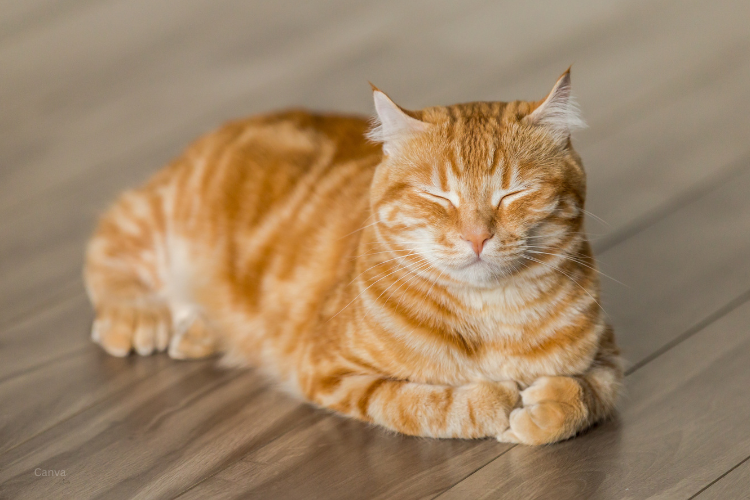
When cats experience nausea, pain, or other discomfort in particular rooms, they often develop lasting aversions to those spaces even after the medical issue resolves. As reported by the American Association of Feline Practitioners, this type of location-based anxiety is especially common after cats have vomited, experienced seizures, or felt sick in specific areas of the home. The brain creates powerful connections between physical discomfort and environmental cues that can persist long after healing occurs.
A cat who threw up in the dining room during a bout of stomach upset might avoid that space for months, associating it with feeling terrible rather than understanding the illness was temporary. These learned associations run deep in feline psychology, often requiring patience and positive reinforcement to overcome. Sometimes the avoidance behavior outlasts the original medical problem by years, becoming a permanent behavioral quirk.
4. Temperature changes make some spaces genuinely uncomfortable for heat-seeking creatures.
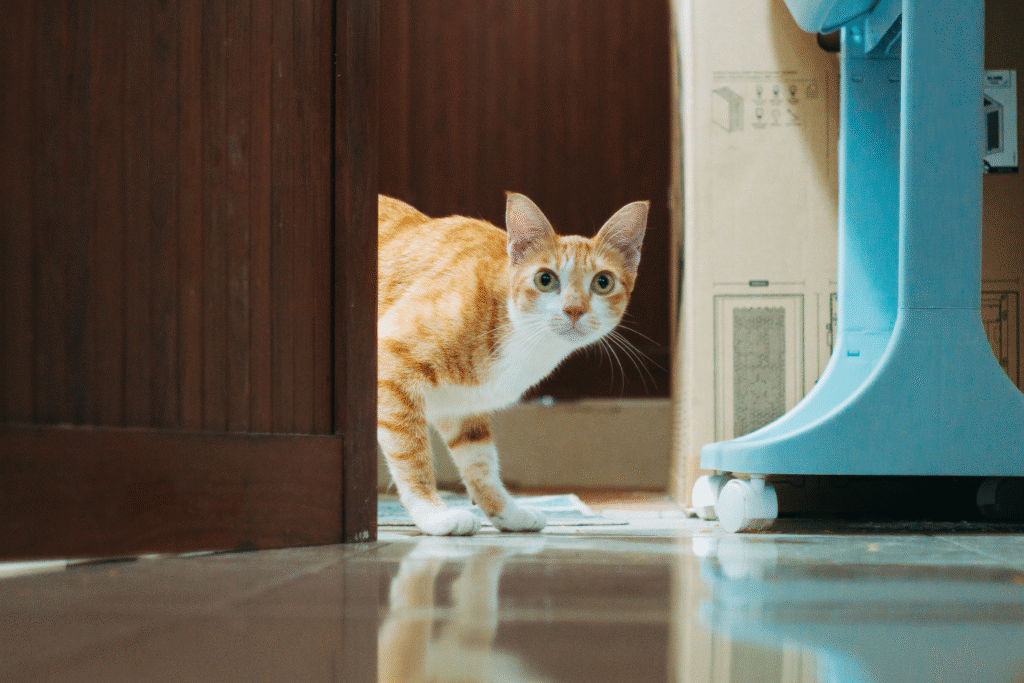
Cats naturally gravitate toward warm spots and actively avoid areas that feel too cold for comfort. Rooms with poor insulation, air conditioning vents, or drafty windows become less appealing during certain seasons or times of day. Your cat’s sudden bathroom boycott might coincide with that new exhaust fan making the space uncomfortably breezy.
Similarly, rooms that get too hot during summer months can become temporarily uninhabitable for cats who can’t regulate body temperature as effectively as humans. They’ll simply relocate to more comfortable spaces until conditions improve. This practical approach to climate control often explains seasonal shifts in your cat’s favorite hanging spots and room preferences.
5. Scent trails from other animals trigger instinctive avoidance behaviors.
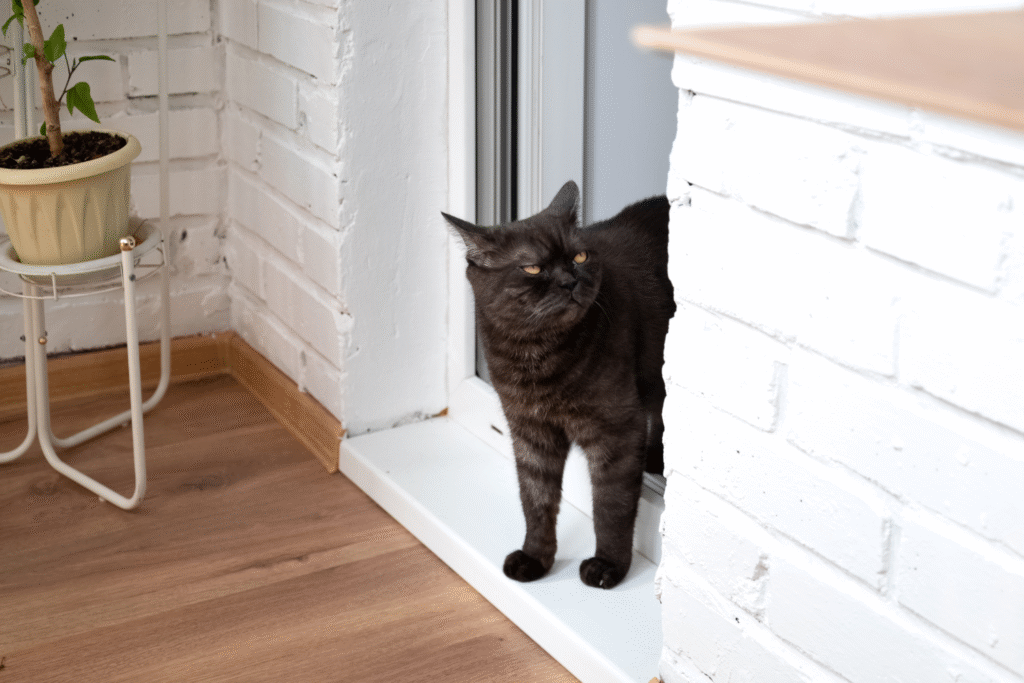
Even indoor cats retain strong prey and predator recognition instincts that can make certain rooms feel unsafe. If mice have been active in your basement or a stray cat has been marking territory outside specific windows, your house cat might pick up on these scent cues and avoid those areas accordingly. Their noses detect chemical messages we’re completely oblivious to.
Dogs visiting your home, new pets in the neighborhood, or even wildlife activity near certain rooms can create invisible boundaries that cats respect instinctively. This behavior makes perfect evolutionary sense – avoiding areas where potential threats have been detected increases survival odds. The avoidance typically fades once the foreign scents dissipate or your cat becomes convinced the threat has passed.
6. Negative experiences create lasting mental maps of dangerous territories.

A single traumatic event in a specific room can create permanent avoidance behaviors that seem disproportionate to outside observers. Getting accidentally stepped on, being startled by a falling object, or experiencing any kind of fear response in a particular space can make cats treat that room as permanently unsafe. Their excellent memory for negative experiences serves them well in the wild but can seem excessive in domestic settings.
The bedroom where the vacuum cleaner fell over or the kitchen where they got their tail caught in a closing door becomes a no-go zone until proven safe again. This hypervigilance helped their ancestors survive, but in modern homes it can create seemingly irrational behavioral patterns. Patience and gradual positive associations usually help cats overcome these learned fears, though some remain permanently cautious about previously traumatic locations.
7. Litter box problems make bathroom areas feel like hostile territories.
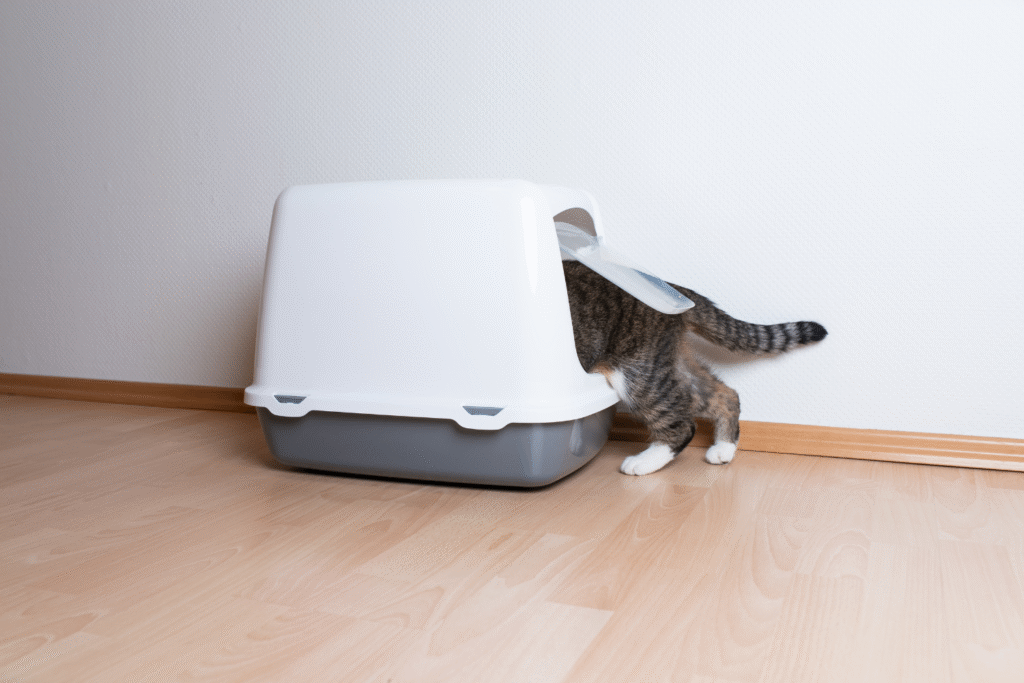
When cats develop negative associations with their bathroom routine, they often extend that avoidance to the entire room where their litter box is located. Constipation, urinary tract infections, or even dirty litter conditions can make the bathroom experience unpleasant enough to avoid the whole space. This creates a frustrating cycle where the cat needs the facilities but fears the location.
Sometimes cats will start eliminating in other parts of the house while completely avoiding the designated bathroom area. This behavior signals that something about their bathroom setup needs immediate attention – whether medical treatment, litter box cleaning, location changes, or addressing other environmental stressors that make elimination feel unsafe or uncomfortable in that particular room.
8. Household changes disrupt established routines and comfort zones.
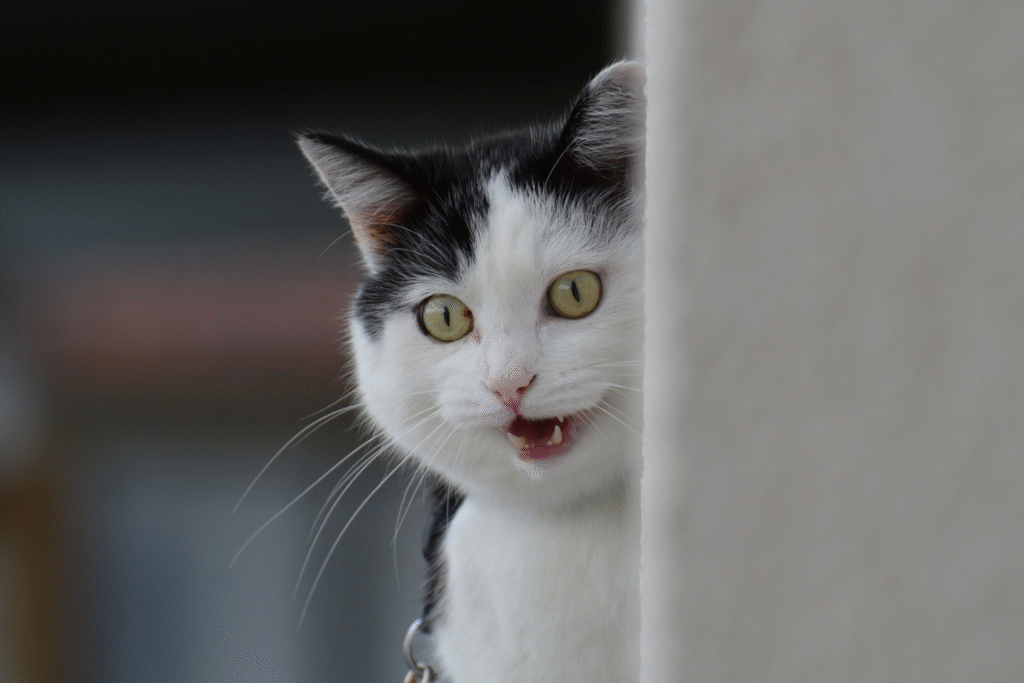
New family members, whether human or animal, can completely reshape your cat’s comfort map of the house. The nursery that used to be their favorite sunny spot or the home office where a new roommate now works might feel off-limits due to unfamiliar sounds, scents, and activity patterns. Cats need time to adjust their territorial boundaries around these changes.
Construction noise, different work schedules, or even new appliances can make previously safe spaces feel unpredictable and stressful. Your cat might avoid the living room during your partner’s loud video calls or stay away from the kitchen when the new dishwasher runs. These temporary avoidances usually resolve once cats adapt to new household rhythms and decide these changes aren’t actually threatening.
9. Age-related changes affect mobility and confidence in navigating familiar spaces.
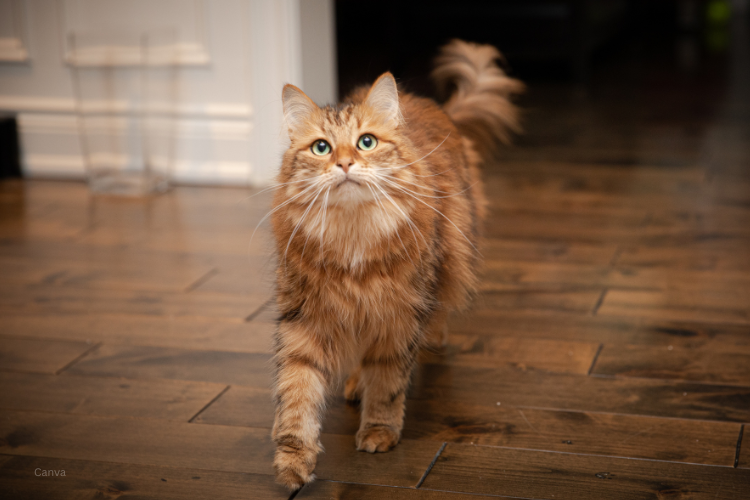
Senior cats often start avoiding rooms that require jumping, climbing, or navigating obstacles they once handled easily. Stairs become challenging, high-sided litter boxes feel insurmountable, and rooms with complex furniture arrangements might seem too risky to navigate confidently. This isn’t stubbornness – it’s smart risk assessment from cats whose physical abilities are declining.
Vision or hearing problems can also make certain rooms feel dangerous if lighting is poor or acoustics create confusing echoes. Cats who can’t see or hear as well prefer staying in familiar, easily navigated spaces rather than venturing into areas where they might get disoriented or injured. Accommodating these changing needs with ramps, better lighting, or simplified furniture arrangements can help maintain their quality of life.
10. Seasonal depression affects cats more than most people realize.
Just like humans, cats can experience mood changes related to daylight exposure and seasonal shifts that influence their space preferences. Rooms that feel cheerful and welcoming during bright summer months might seem dreary and uninviting during winter’s shorter days. Cats often migrate toward whatever spaces offer the best natural light and warmest temperatures as seasons change.
Some cats become noticeably less social and more selective about their environment during darker months, avoiding rooms they previously enjoyed and spending more time sleeping in sunny spots or warm hiding places. This behavioral shift usually reverses with longer daylight hours in spring, suggesting that environmental factors play a bigger role in feline mood and space preferences than many owners recognize.