
Feline sleep choices reveal trust and biology.
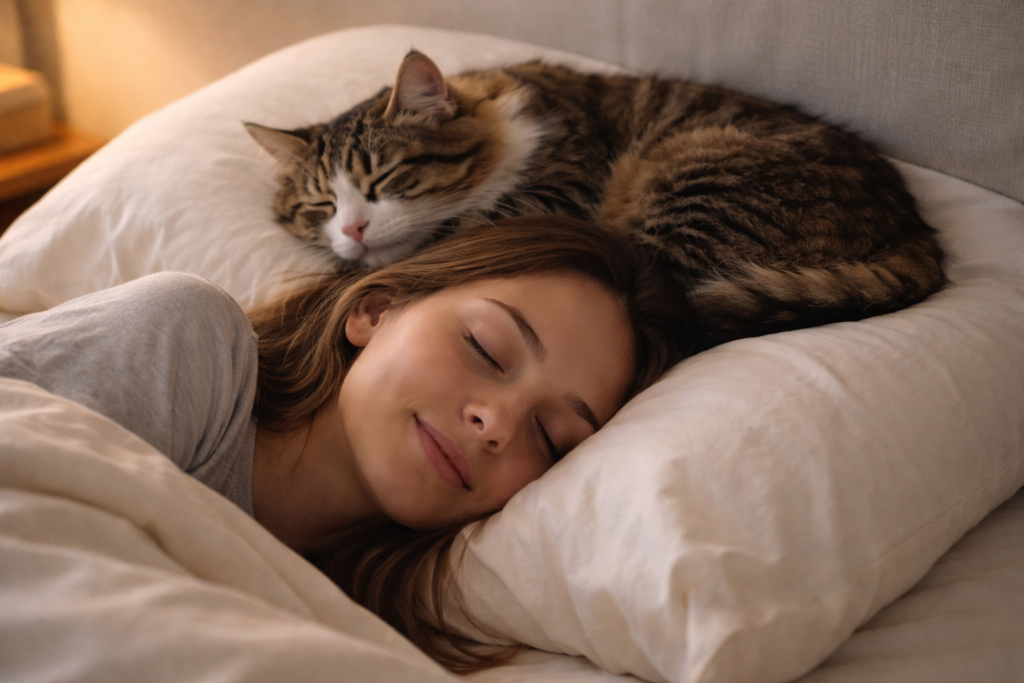
Many cat owners wake to a familiar weight above their pillow. This habit feels personal, sometimes puzzling. Yet behaviorists and veterinarians see patterns shaped by evolution, physiology, and bonding. Where cats choose to sleep reflects comfort, safety, and trust. The space above your head concentrates warmth, scent, and stability in ways that quietly meet feline needs night after night consistently.
1. Your head releases heat and familiar scent cues.
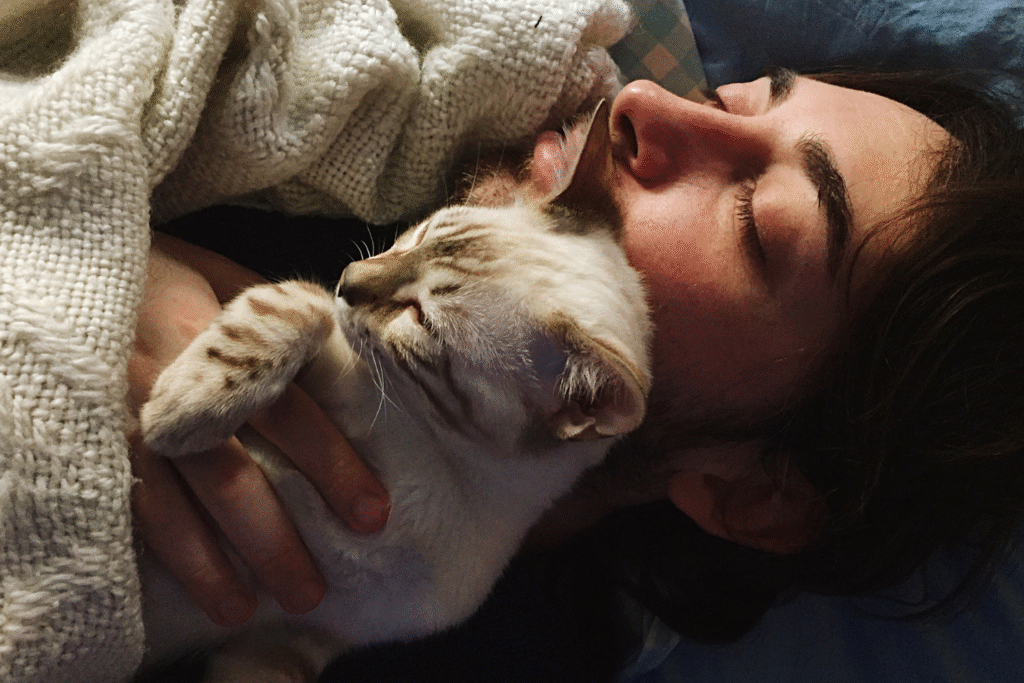
Your head releases heat and familiar scent cues. Cats evolved to seek warm safe perches during rest, and pillows trap warmth overnight. According to International Cat Care, cats prefer sleeping zones combining heat security and trusted smells near bonded humans.
It feels practical, not sentimental. Warmth reduces calorie burn and supports deeper sleep cycles. When nights cool, that thermal advantage matters. Over time, cats repeat what works, returning to the warmest dependable spot without conscious planning each night reliably now.
2. Above your head offers a guarded vantage point.
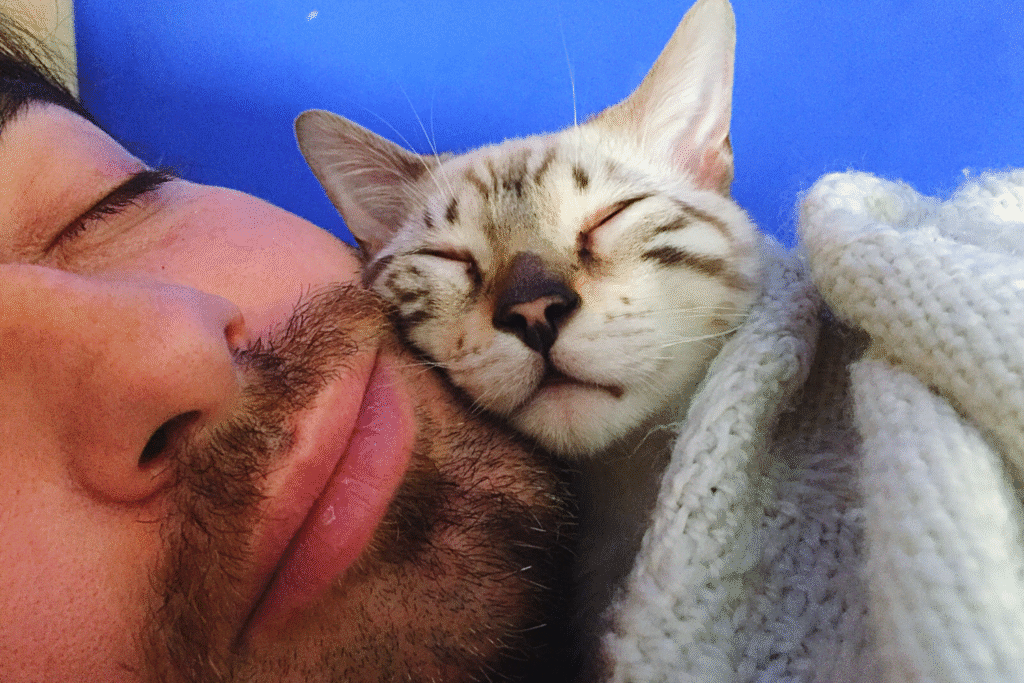
Above your head offers a guarded vantage point. Cats instinctively choose positions protecting vulnerable sleep. From there, they monitor room sounds and movement. As reported by the ASPCA, elevated sleeping spots reduce perceived threat during rest in domestic indoor environments.
This placement feels strategic rather than clingy. Bedrooms concentrate human traffic and unfamiliar noise at night. Watching from above allows early reaction without fleeing. Safety first instincts persist even in relaxed house cats accustomed to routine and predictable daily rhythms.
3. Your pillow carries the strongest version of you.

Your pillow carries the strongest version of you. Cats rely heavily on scent to define social bonds. Sleeping near facial scent glands reinforces familiarity. As stated by the Journal of Feline Medicine and Surgery, scent proximity lowers stress during sleep.
This choice reflects comfort built over time. Kittens imprint on maternal scent early, shaping lifelong preferences. Adult cats transfer that template to trusted humans. Your head simply concentrates identity better than blankets or mattresses ever could during nighttime rest periods.
4. Breathing patterns create a steady calming rhythm.
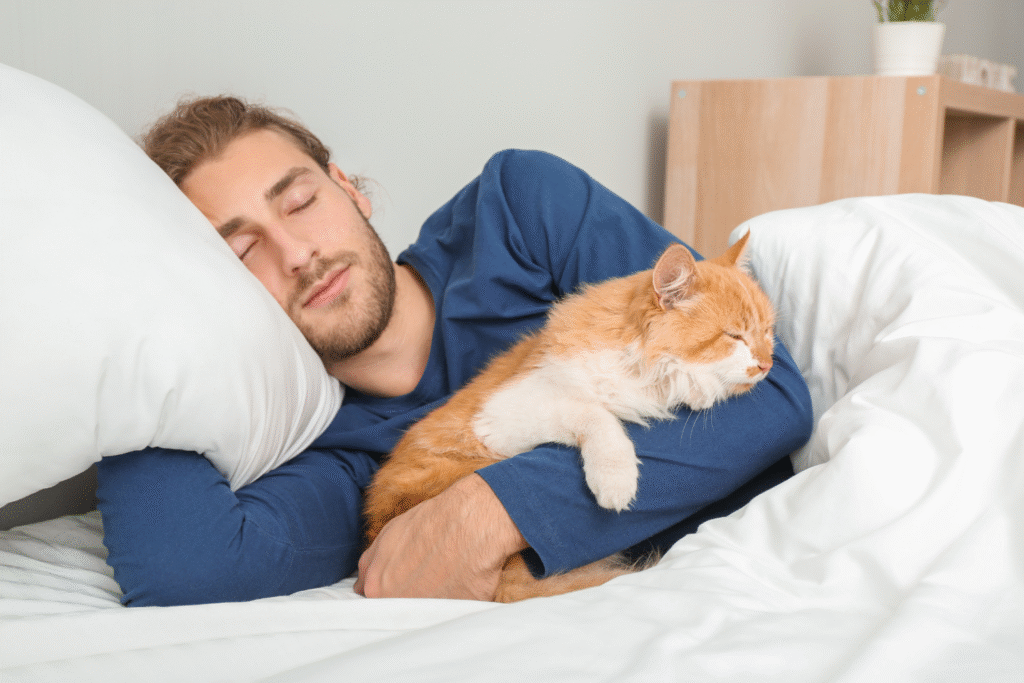
Breathing patterns create a steady calming rhythm. Cats synchronize rest with predictable environmental cues. The rise and fall of breath offers reassurance during light sleep phases, especially for alert animals wired to wake quickly when surroundings feel uncertain or changeable.
That rhythm also masks sudden noises. Traffic, pipes, or other pets fade beneath familiar breathing. For a species balancing sleep and vigilance, consistent sound matters. Heads provide that soundtrack better than any quiet corner in shared nighttime sleeping spaces together.
5. Territory sharing signals trust and belonging.
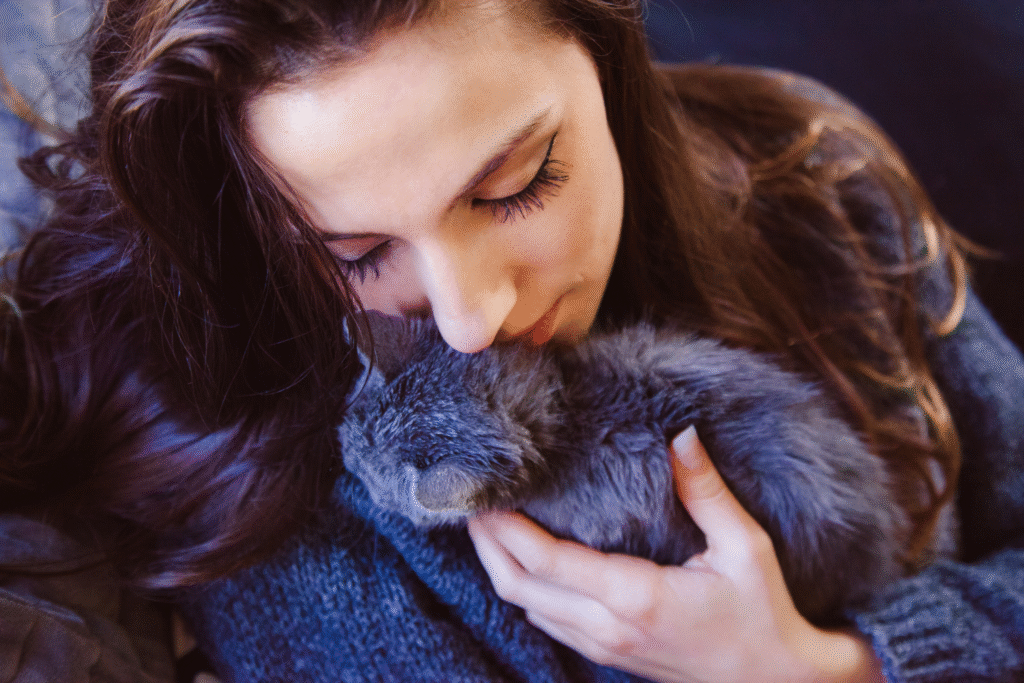
Territory sharing signals trust and belonging. Cats mark favored spaces through presence rather than ownership. Choosing your pillow places them at the core of shared territory where boundaries blur into companionship during vulnerable rest hours inside familiar sleeping environments nightly.
This behavior grows with bonding history. Cats new to a home hesitate longer. As confidence builds, proximity increases. Sleeping above your head often appears after months of cohabitation, not immediately, reflecting earned security within stable predictable daily routines over time.
6. Your head remains still longer than limbs.
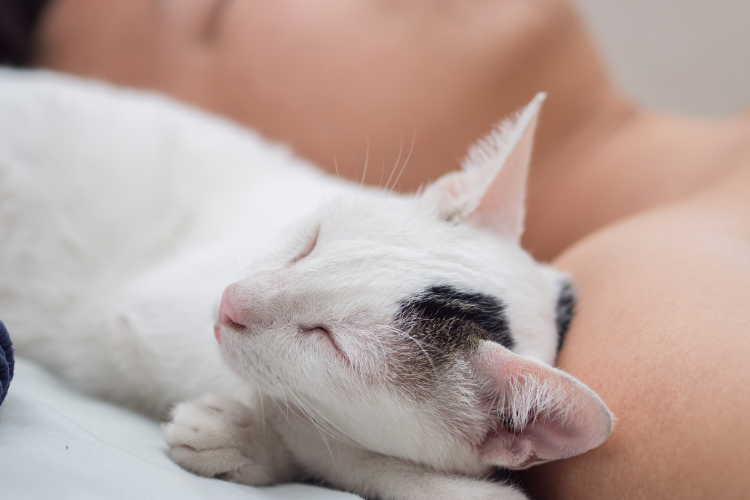
Your head remains still longer than limbs. Cats prefer surfaces that minimize disruption during sleep. Legs shift, arms twitch, but heads stay anchored. That stability lowers the chance of being jostled awake unexpectedly during shared nighttime rest cycles together regularly.
Over repeated nights, preference solidifies. Cats learn micro patterns in human sleep. They choose locations that stay consistent longest. Pillows outperform most bedding in predictability, making them reliable anchors in an otherwise moving environment across changing nightly positions and postures.
7. Heat rises subtly toward the head area.
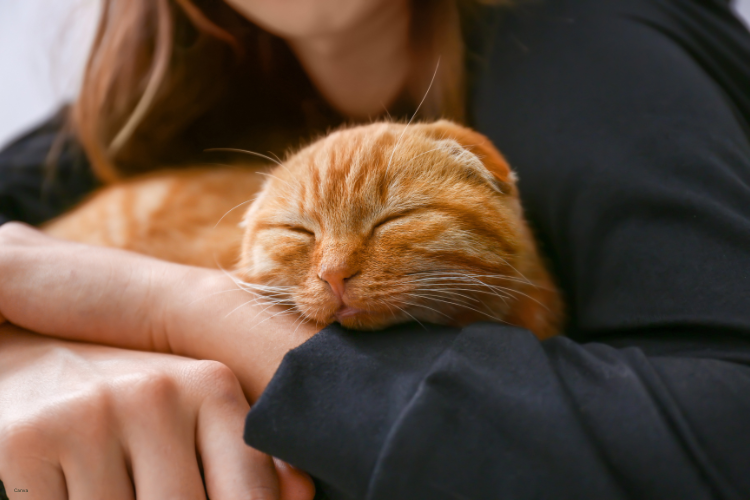
Heat rises subtly toward the head area. Even slight gradients matter to temperature sensitive animals. Cats fine tune comfort by inches. That elevated warmth can be enough to tip preference toward pillows over cooler mattress zones during colder nighttime conditions.
This matters more with age. Senior cats struggle regulating body temperature. They gravitate toward warm consistent spots. Owners often notice older cats crowding pillows more frequently, especially during winter months or cooler coastal climates where indoor temperatures fluctuate at night.
8. Protection flows both directions during sleep.
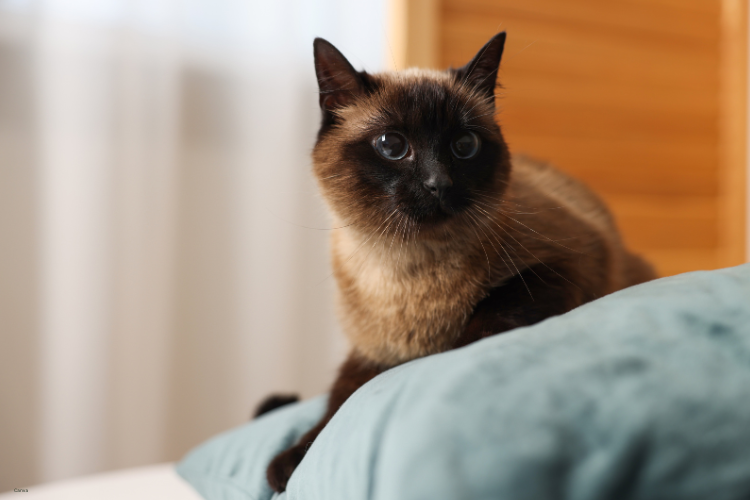
Protection flows both directions during sleep. Cats place themselves where they can intervene or alert. Above your head offers a defensive angle, watching entrances while staying close enough to react instantly if disturbed by unfamiliar sounds or movements nearby suddenly.
That positioning echoes wild ancestry. Even domesticated cats retain sentinel instincts. Sleeping guardianship blends affection with strategy. It feels intimate to humans, but for cats, it remains practical behavior shaped by survival history across generations of feline evolution worldwide today.
9. Nighttime vulnerability heightens social bonding./ima
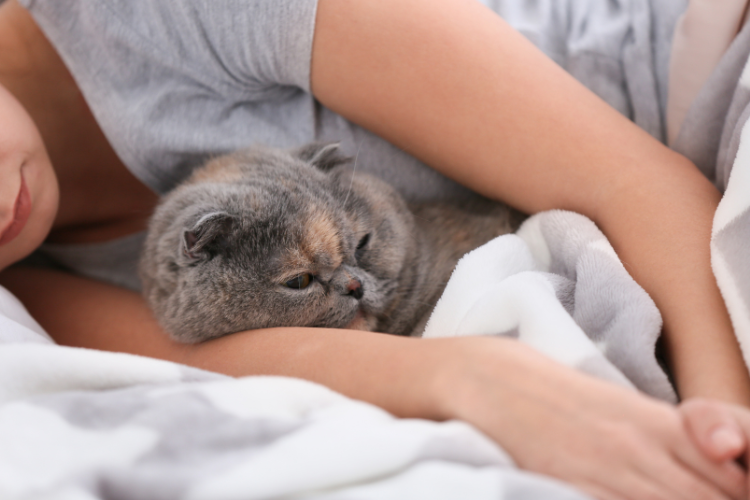
Nighttime vulnerability heightens social bonding. Cats seek reassurance when vision drops. Proximity to a trusted human during darkness reduces stress hormones. The head area provides closeness without restricting escape options if needed in unfamiliar nighttime household environments that shift occasionally.
That balance of closeness and autonomy defines feline affection. Sleeping above your head signals trust without surrender. It is companionship on feline terms, shaped by biology, experience, and the quiet negotiations shared between species nightly during repeated shared sleeping routines.