
The limp is fake, the look is sincere, and the plot is better than daytime TV.

Some dogs can switch from tragic patient to Olympic sprinter faster than you can say “vet appointment.” Their fake injuries aren’t random—they’re calculated, practiced, and often perfectly timed for maximum effect. Whether they’re avoiding something, seeking your attention, or just trying out their acting chops, the performance can be shockingly convincing. Understanding what’s really going on might make you laugh, roll your eyes, or both—but it will definitely make you watch them a little closer next time.
1. The “hurt paw” always appears when you’re busy.

According to the American Kennel Club, dogs quickly figure out which behaviors guarantee a reaction, and a sudden limp is one of their most reliable tools. If you once rushed to them in concern, they’ve logged that in their mental playbook for future use. The timing is rarely coincidental—it tends to happen right when you’re deep into something else.
What makes it so convincing is how well they can sell it. They might slow their pace, tilt their head, and add a faint whimper, all perfectly calibrated to pull you away from whatever you’re doing. Once you give them undivided attention, they’ve succeeded—and the limp might just vanish before your eyes.
2. The “injury” disappears the second the weather improves.

Some dogs suddenly feel “better” when conditions change in their favor. Trainers have noted that a limp may conveniently appear when it’s pouring rain or unbearably hot—right before you plan a walk. The moment the bad weather passes or you suggest a fun outing, the limp mysteriously vanishes.
This tactic works because you can’t really call them out in the moment. You just see the shift and wonder if you imagined the limp at all. Many owners have reported catching on to this pattern only after multiple suspiciously timed “recoveries,” as discovered by behaviorists who’ve studied canine avoidance habits.
3. The performance looks suspiciously familiar.
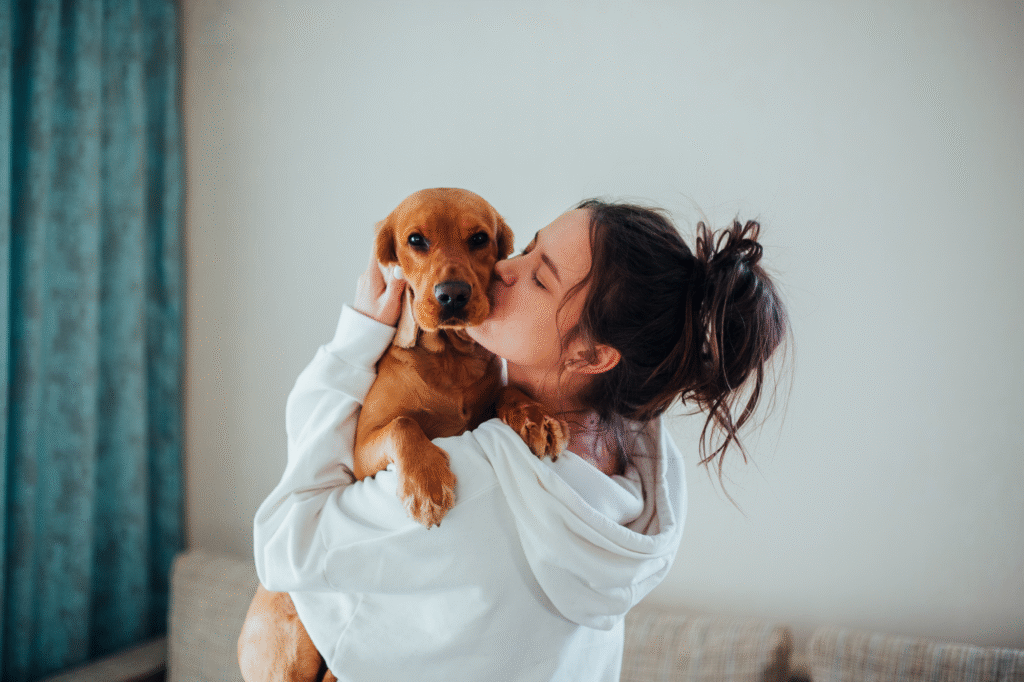
As stated by the American Veterinary Medical Association, dogs can learn behaviors by watching others, a process known as social learning. If your dog saw another household pet get pampered after an injury, they might decide to try the same move—down to the exact paw lift or slow step.
The result can be uncanny. You’ll recognize the mannerisms because you’ve seen them before, only now they’re coming from a dog who’s perfectly fine. It’s imitation with intent, designed to see if they can score the same cozy spot on the couch or extra treats.
4. They only break it out for an audience.
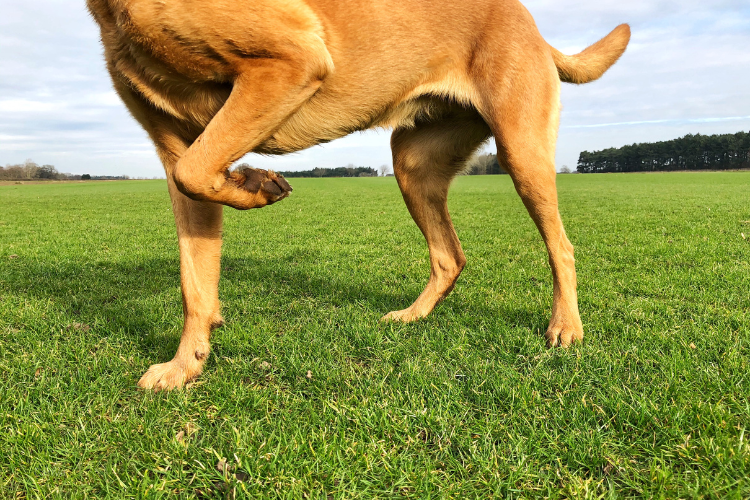
Some dogs save their fake limps for moments when there are extra people around. They seem to understand that a crowd equals more attention, more sympathy, and maybe even multiple people offering comfort at once. The reaction is the real reward.
If you pay close attention, you might notice them sneaking glances at you mid-performance, as if checking whether the show is landing. It’s theater—except the script is entirely improvised.
5. The act ends exactly when the treats do.

A fake limp can be a fast track to hand-fed snacks. The second the goodies run out, so does the injury. It’s not even subtle—sometimes you’ll watch them transition from “limping patient” to “darting around the kitchen” in seconds.
This works because we’re hardwired to comfort our pets when they seem hurt. And when that comfort comes with food, it cements the routine. They don’t need to be hurt to get the payoff—just convincing.
6. It’s perfectly timed to get out of something.
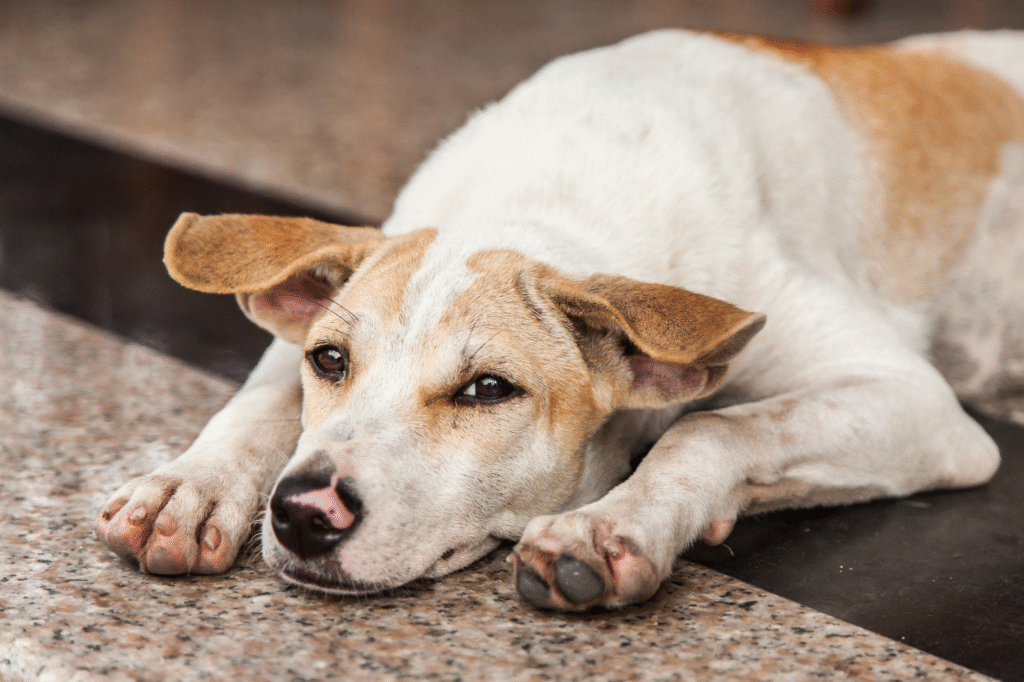
A limp that shows up right before a bath, vet visit, or nail trim should make you suspicious. Dogs quickly connect certain events with discomfort or stress, and the “hurt” act becomes their ticket out. The delay or cancellation is enough of a win for them to try again next time.
Once you realize the pattern, you’ll notice how quickly the limp disappears when the threat of the event is gone. It’s strategic, not spontaneous.
7. They play it up when they want comfort.
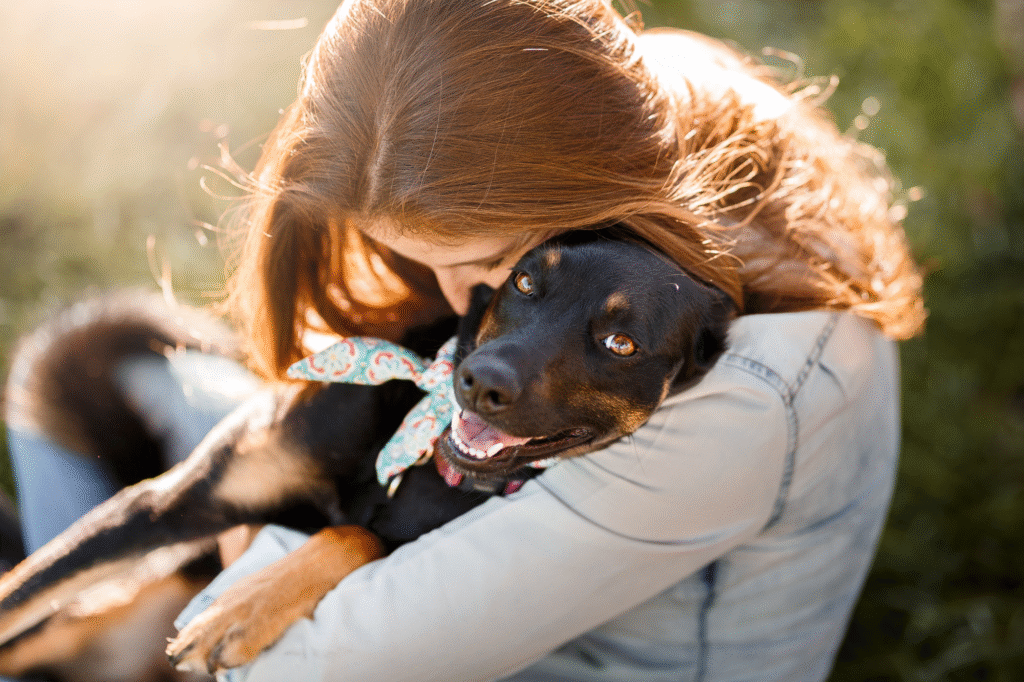
Some dogs aren’t angling for food or to skip something—they just want closeness. The limp or paw lift works like a magnet, drawing you in to sit beside them, pet them, or let them curl up against you.
This usually happens during moments when they feel insecure, like when you’re packing for a trip or guests are arriving. The “injury” isn’t real, but the desire for reassurance absolutely is.
8. They stretch a real bump into a whole saga.
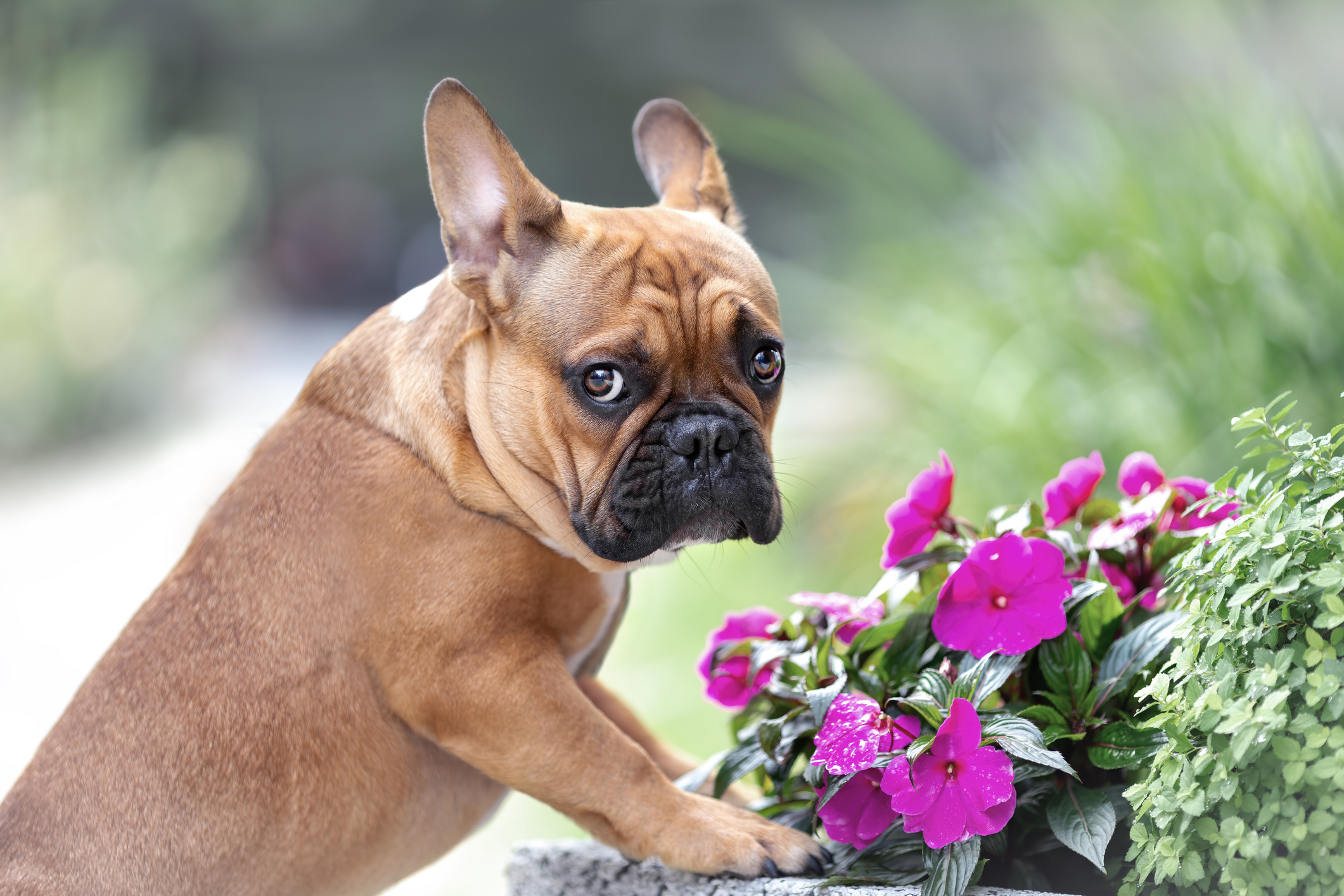
Sometimes a limp begins with an actual momentary discomfort—a pebble underfoot or a quick twist while running. The sensation passes, but the reaction doesn’t. Instead, they draw it out into a full-scale drama, milking every second of the sympathy.
It’s similar to a child crying long after the initial pain fades, just to keep the attention coming. The original event was real; the extended performance is entirely optional on their part.
9. They’re simply having fun with it.
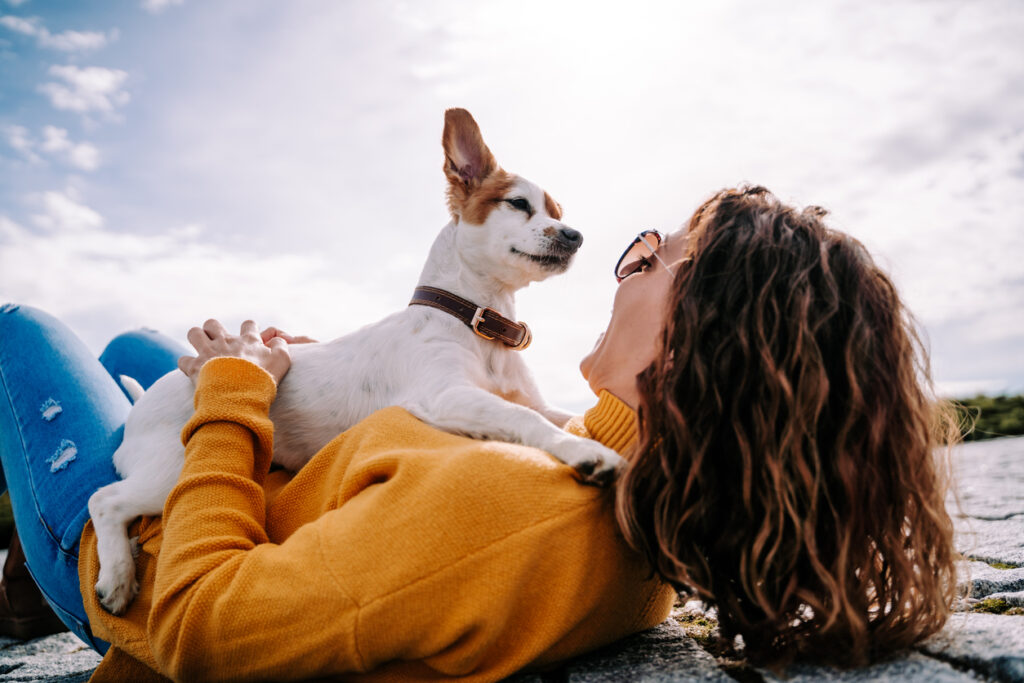
For some clever dogs, faking an injury isn’t about reward or avoidance—it’s entertainment. They enjoy your reaction, the fussing, and maybe even the disbelief on your face. It becomes a sort of game, one they’re always in control of.
These dogs might even add flair—a dramatic sigh, an exaggerated paw lift—just to see how far they can push the act. And once they’ve had their fun, the limp vanishes, leaving you wondering who’s really training whom.