
Uncovering the clever avoidance tactics in canine behaviour.

Have you ever asked your dog to go for a walk or to stop chewing your shoe and found them suddenly immobile, curled up and seemingly asleep? It’s easy to chuckle and move on, but what you’re likely witnessing is a strategic mode of avoidance. Dogs may fake sleep to evade discomfort, sidestep obedience or simply stay in control of their experience. Recognising the reasons behind this clever trick helps you respond thoughtfully and maintain a healthy relationship with your pet rather than misinterpret their motive. Here are eight reasons why some dogs pretend.
1. Your dog uses fake sleeping to evade unwanted activity.

Some dogs lie down and shut their eyes when asked to move or perform a task, essentially refusing with passive resistance. In one instance a rescue dog fell asleep again and again when the owners tried to coax him outside, reported by Newsweek. That behaviour suggests the dog has learned doing nothing is the easiest way to avoid something they don’t want to do. Recognising this pattern gives you the chance to change your approach rather than escalate frustration.
2. Your dog feigns sleep as a way to avoid confrontation or stress according to expert behaviour analysis.

When an owner begins to scold or demand attention many dogs will roll onto their side and pretend to sleep as if the issue has vanished. This act functions as emotional withdrawal and strategic silence, as stated by a behaviour specialist cited in Newsweek. In this mode the dog effectively signals “Leave me to rest” and hopes the interaction ends without further demand. As an owner noticing the freeze becomes part of understanding your dog’s communication rather than misreading it.
3. Your dog may fake sleep to gain control of timing and interaction.
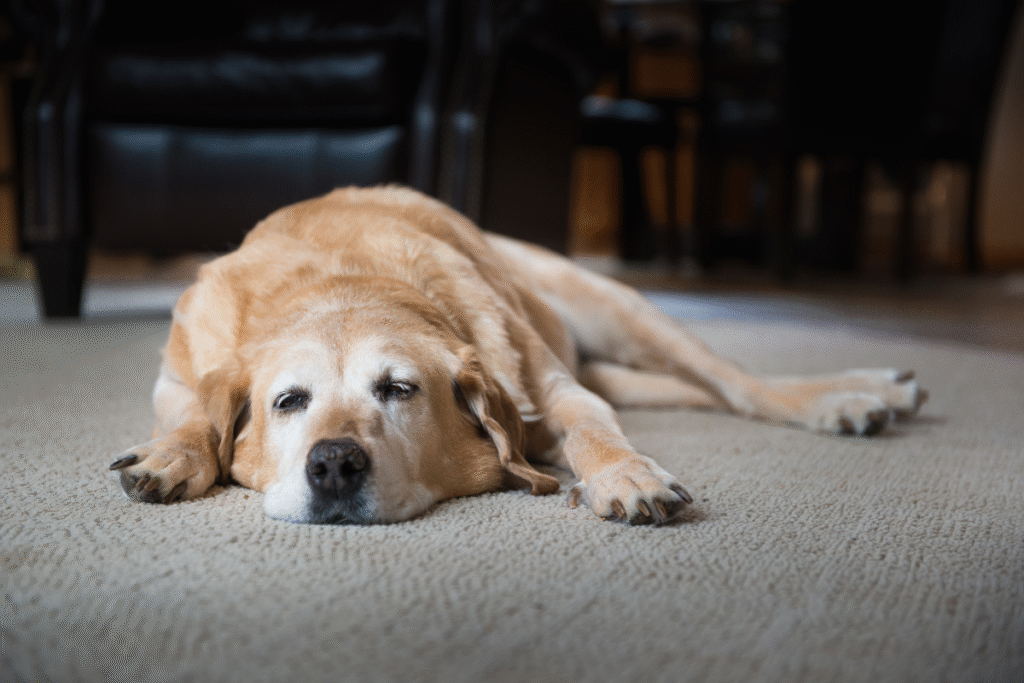
Dogs are highly tuned to the flow of human-animal interaction and some adopt fake sleep to delay or refuse engagement on their own terms. A media article described a dog playing Oscar over not going downstairs and “sleeping” until the moment was past, as discovered in viral video reports. That indicates the dog recognises that immobility buys time or avoids a directive. Recognising this helps you shift your strategy from demand to invitation or change the context.
4. Your dog might be exhausted but still remains alert and unengaged.

Not all fake sleep is strategic avoidance; your dog may be genuinely tired but remains alert to cues you give. When a dog lies down and appears to sleep yet jumps up at the slightest sound they may be in a light rest phase. If you mistake that for full sleep and push them to move you risk breaking their rest cycle or causing stress. Understanding rest versus refusal helps you differentiate.
5. Your dog could be avoiding sensory overload by withdrawing into rest.
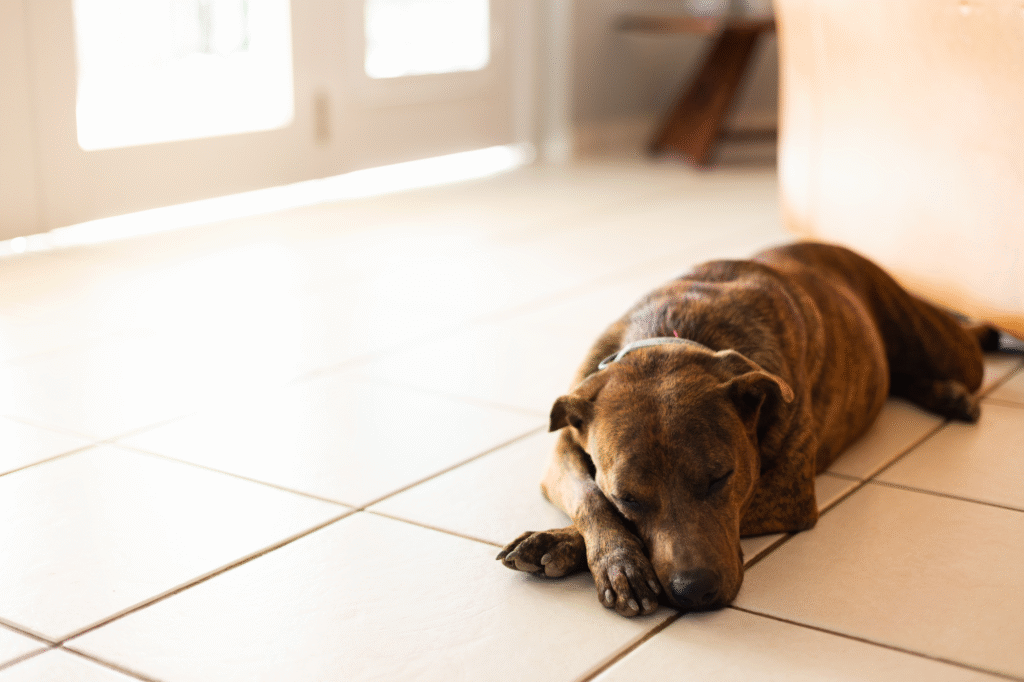
In environments with too much noise, movement or stimulation dogs sometimes shut down and lie still to reset. It may look like fake sleep but in fact your dog is coping by shutting out the world. Asking them to engage or move during this phase forces a choice that may lead to misbehaviour. Recognising the need for a break offers you a better response.
6. Your dog may use lying down and closing eyes as a learned pattern because of inconsistent training.

If a dog receives inconsistent or confusing signals from you it may adopt the “sleep trick” as the default response when uncertain or uncomfortable. That behaviour becomes habitual. When training becomes clear, consistent and supportive the dog starts to respond differently and the fake sleep routine fades out. This shows how training practices directly shape behaviour.
7. Your dog is avoiding distraction or uncomfortable movement by staying grounded.
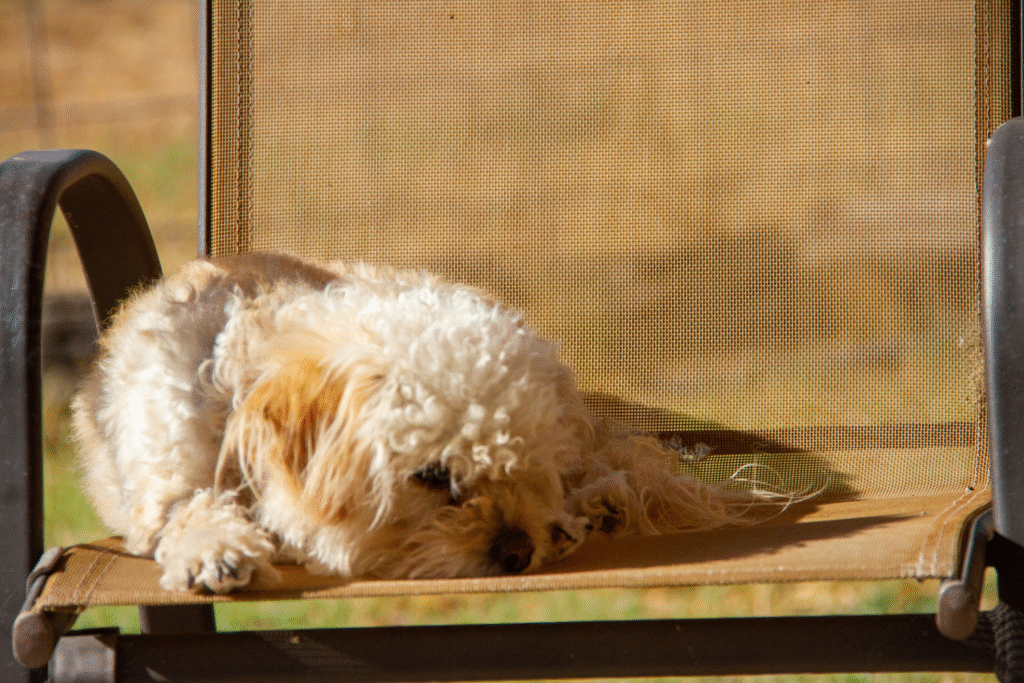
Older dogs or dogs recovering from discomfort may lie down and not move when asked and appear to be sleeping but may actually be protecting joints or avoiding pain. If you push them without recognising their posture or physical cues you may misinterpret genuine stillness for defiance. Responding with gentle encouragement, shorter moves and more comfort gives you better outcomes.
8. Your dog might pretend to sleep when they associate a situation with unpleasantness.
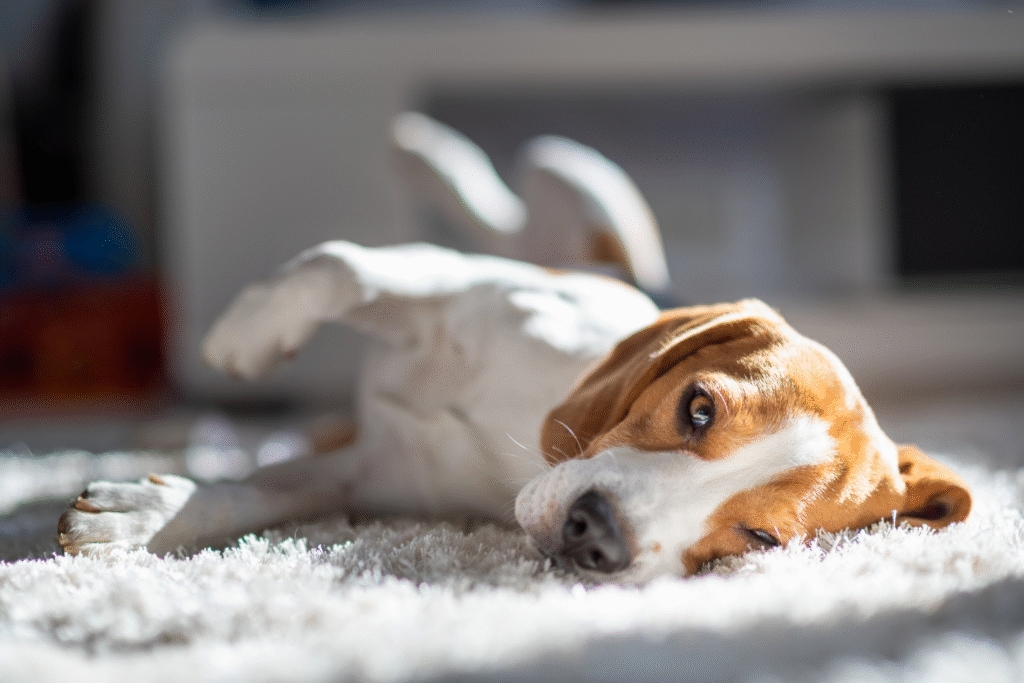
If an activity repeatedly leads to stress, punishment or discomfort the dog may anticipate it and lie down ahead of time, eyes closed, avoiding the event before it starts. The fake sleep is a behaviour built on memory of negative association. Instead of confronting the refusal you can change the situation, make it positive, modify the context and give the dog a reason to participate rather than retire into pretend rest.