
Silence after shouting can mean rising danger.
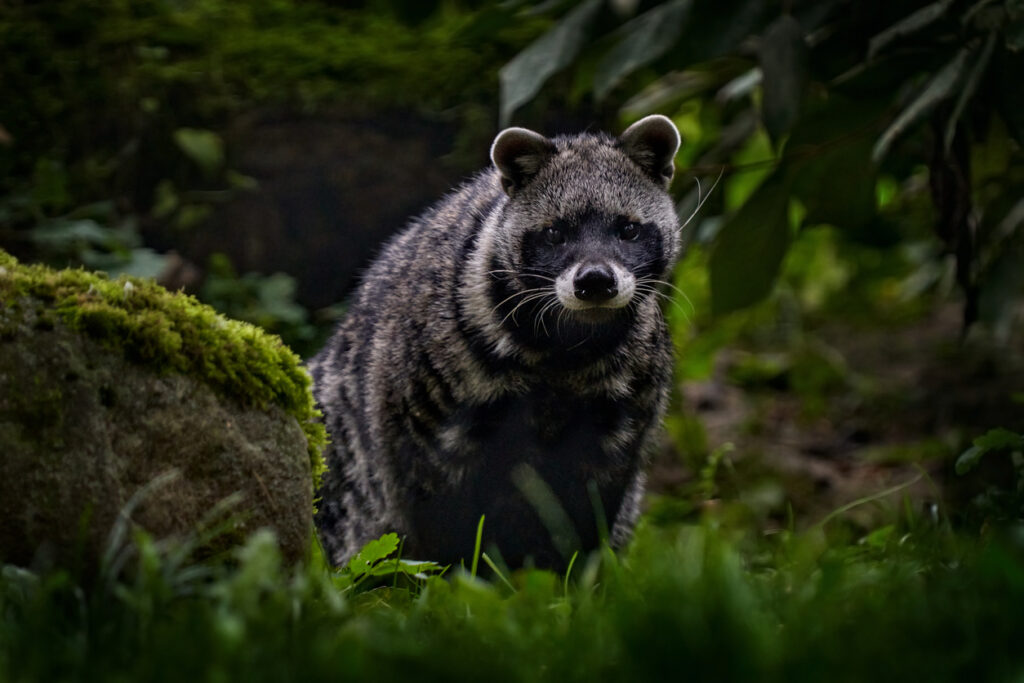
Most people expect wildlife to flee at human noise. Yelling, clapping, or talking loudly usually triggers distance. When that reaction fails, instincts hesitate. The animal remains still, watches, or moves closer. That pause matters. It suggests altered behavior shaped by stress, illness, or proximity to people. Across parks, suburbs, and trails, these moments are becoming more common. Understanding why an animal does not retreat can change what happens next, and sometimes determine whether an encounter ends safely or spirals quickly.
1. Fear responses usually trigger rapid animal retreat.
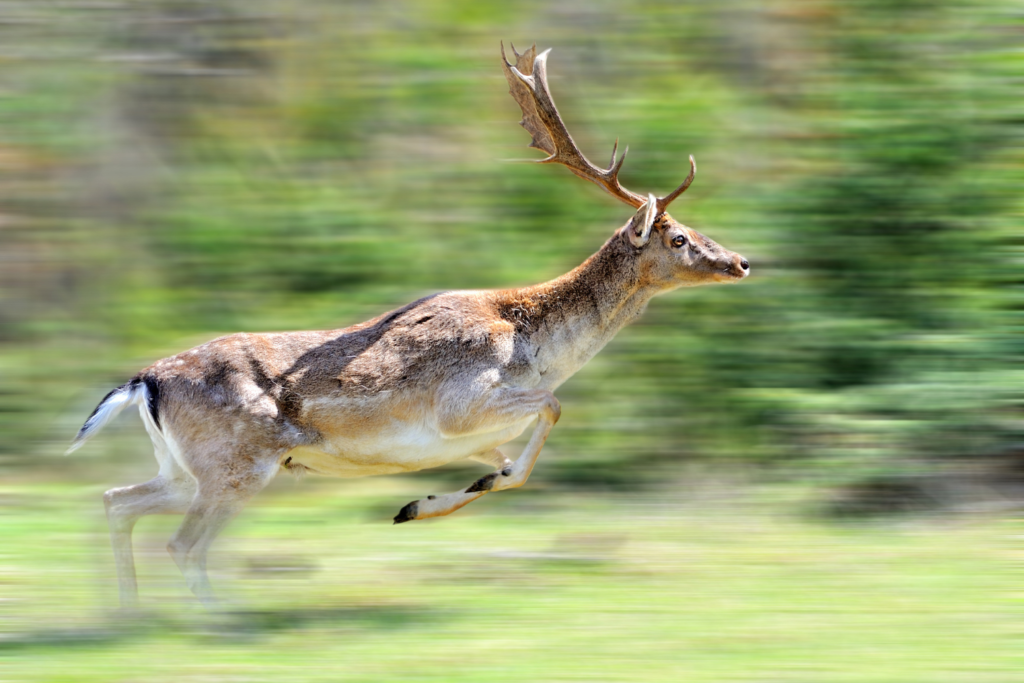
In healthy wildlife, human voices register as threat. Evolution favors distance over confrontation, especially with large, unfamiliar shapes. When you yell, most animals bolt, hide, or retreat into cover. That reaction protects both sides.
When it does not happen, biologists pay attention. Studies of mammal behavior show that loss of flight response often signals abnormal conditions, according to the National Park Service. Habituation, illness, or desperation can suppress fear. Each possibility carries different risks, but none suggest a routine encounter.
2. Habituation can erase fear of human presence.
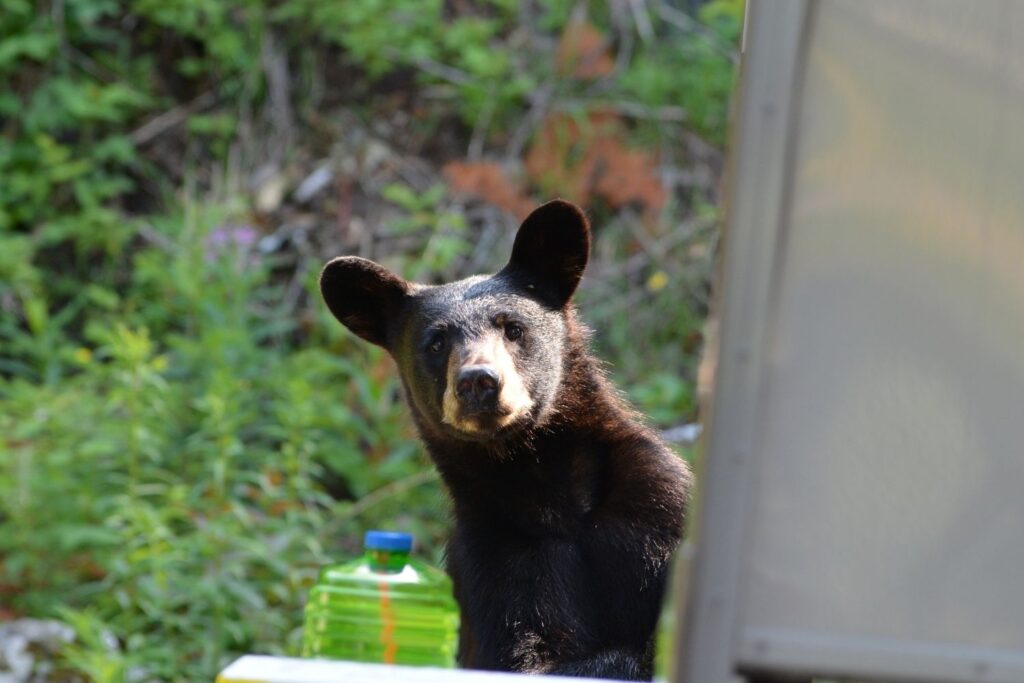
Animals exposed repeatedly to people may stop reacting. Campgrounds, neighborhoods, and tourist areas create patterns where animals learn humans rarely harm them. Over time, yelling loses meaning.
Wildlife managers warn that habituated animals behave unpredictably around people, as stated by the U.S. Fish and Wildlife Service. Loss of fear increases the chance of close contact. While habituation may look calm, it often precedes conflict, relocation, or euthanasia when boundaries eventually break.
3. Illness can alter normal avoidance behavior.
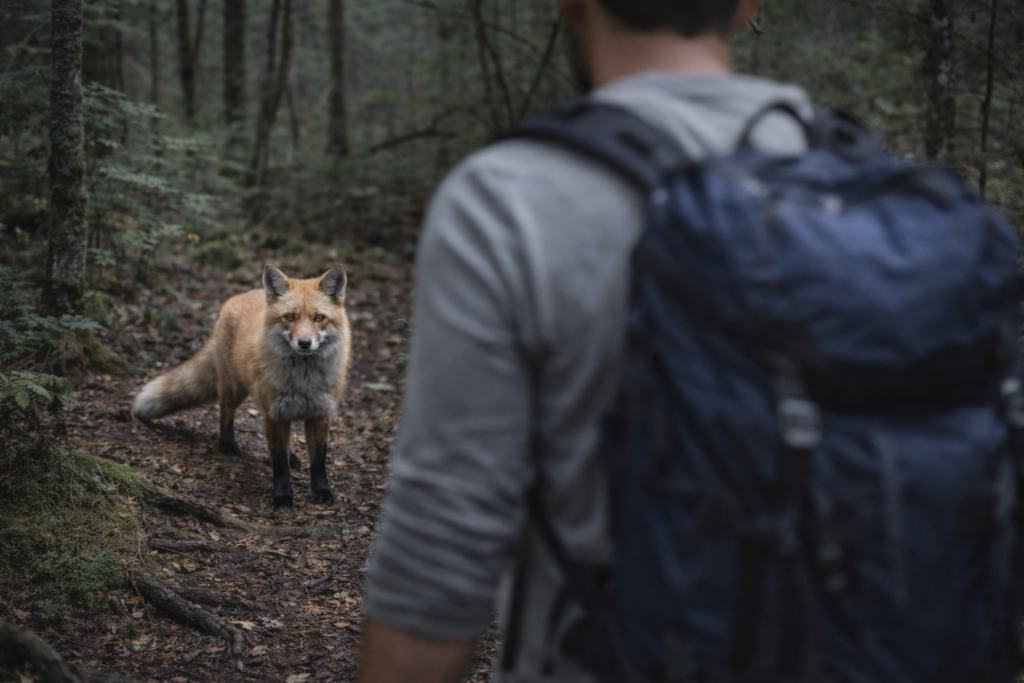
Certain diseases affect coordination, awareness, and fear processing. An animal that stands its ground may not be assessing risk correctly. That miscalculation can endanger anyone nearby.
Rabies and neurological illnesses are known to change animal responses to stimuli, as reported by the Centers for Disease Control and Prevention. Lack of retreat is a warning sign authorities take seriously. Distance becomes essential because illness can progress rapidly and unpredictably during close encounters.
4. Starvation can override instinctive caution.

When food is scarce, survival pressures intensify. Hunger can push animals to ignore threats they would normally avoid. Yelling may register, but the need to eat weighs heavier.
This behavior often appears during droughts, harsh winters, or habitat disruption. Animals may linger near people, vehicles, or structures. That persistence is not curiosity. It reflects stress that reduces safety margins and increases the chance of risky encounters.
5. Protective instincts may keep animals in place.
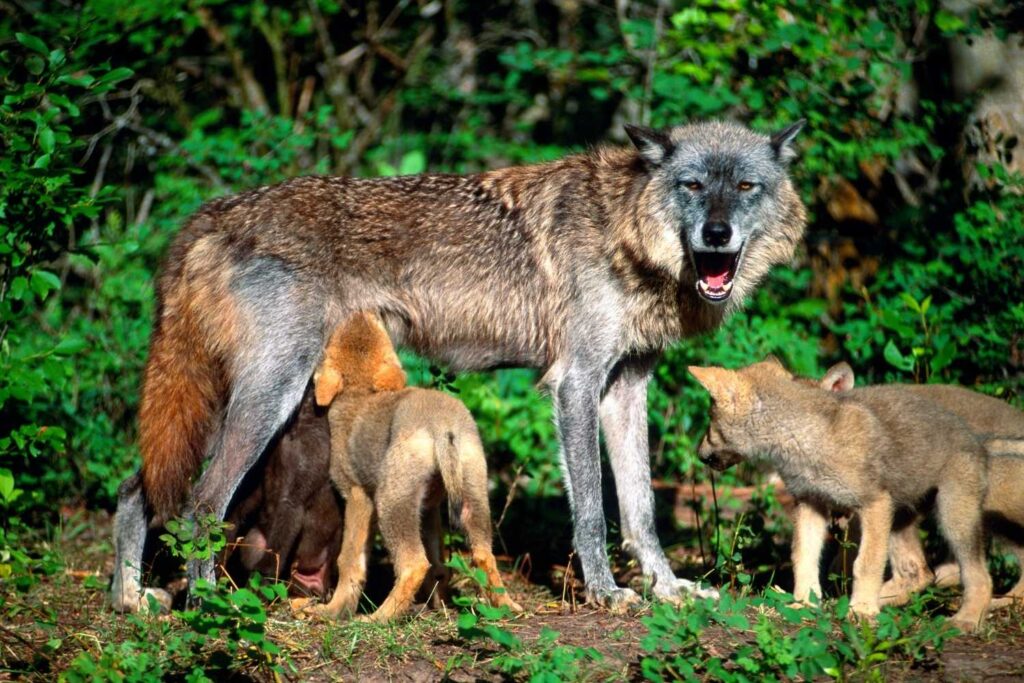
Parents defending young often refuse to retreat. A shout may be interpreted as intrusion rather than threat. Standing ground becomes the safer option from the animal’s perspective.
This situation escalates quickly because warning signals can be subtle. Stillness, staring, or slow movement may precede defensive action. Without recognizing the context, people may misjudge calm for safety, closing distance when withdrawal is the wiser choice.
6. Urban environments reshape wildlife risk calculations.

Cities and suburbs teach animals new rules. Traffic noise, crowds, and constant activity dilute the meaning of a single shout. Animals learn to filter sound.
In these settings, failure to retreat may reflect adaptation rather than aggression. Yet adaptation increases overlap with people. Urban wildlife encounters often feel benign until reminders of wild behavior surface unexpectedly.
7. Predatory species assess before reacting.
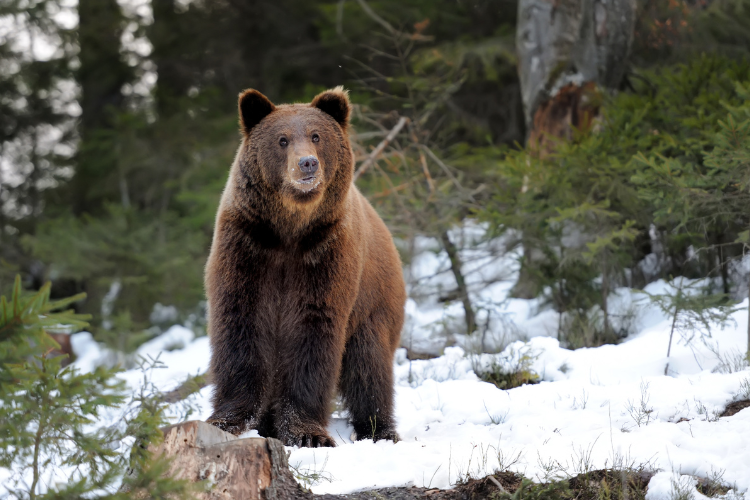
Some predators pause to evaluate rather than flee. Standing still, watching, or slowly repositioning can be part of assessment behavior. Yelling may interrupt, not deter.
This does not mean an attack is imminent. It means the animal is processing information. That moment requires caution. Maintaining distance and avoiding escalation becomes more important than making noise.
8. Young animals lack refined danger assessment.

Juveniles often misjudge threats. They may freeze, stare, or approach instead of fleeing. Their reactions can confuse people expecting adult behavior.
Young animals also rely on nearby adults. A lack of retreat may precede defensive action from an unseen parent. What appears harmless can quickly change once protective instincts engage.
9. Human behavior influences animal decisions heavily.
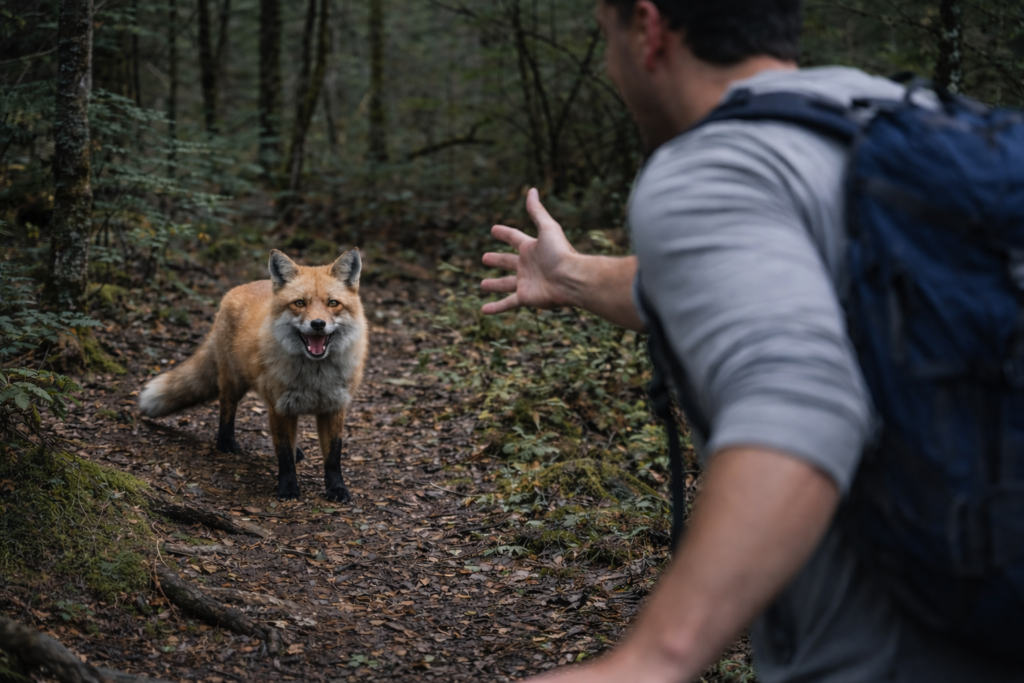
Approach speed, posture, and eye contact matter. Yelling while advancing sends mixed signals. Animals may hesitate, unsure whether to flee or stand ground.
This uncertainty increases risk. Clear, consistent signals paired with distance are safer. Erratic movement or crowding reduces an animal’s options, sometimes forcing confrontation rather than escape.
10. Non retreat signals a situation needing space.
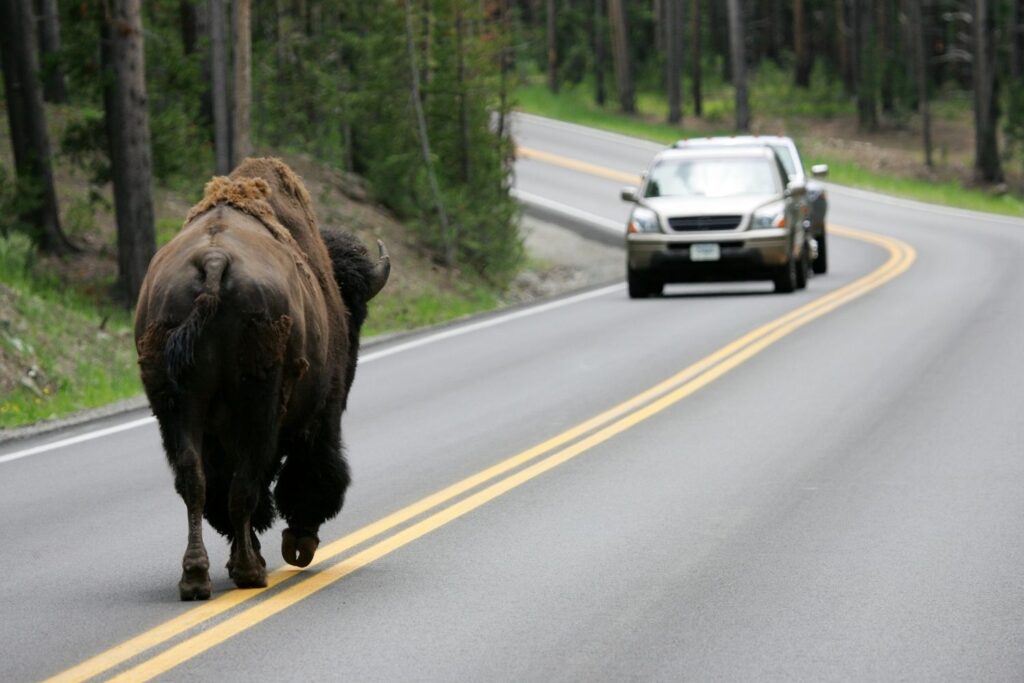
When an animal does not flee, the encounter has found a threshold. Continuing to close distance raises stakes for both sides. The safest response often feels counterintuitive.
Backing away slowly, increasing space, and avoiding fixation allow options to reopen. The absence of retreat is not an invitation. It is information. Recognizing that signal early can prevent a moment of confusion from becoming an emergency.