
Some corners of Earth still refuse human understanding.
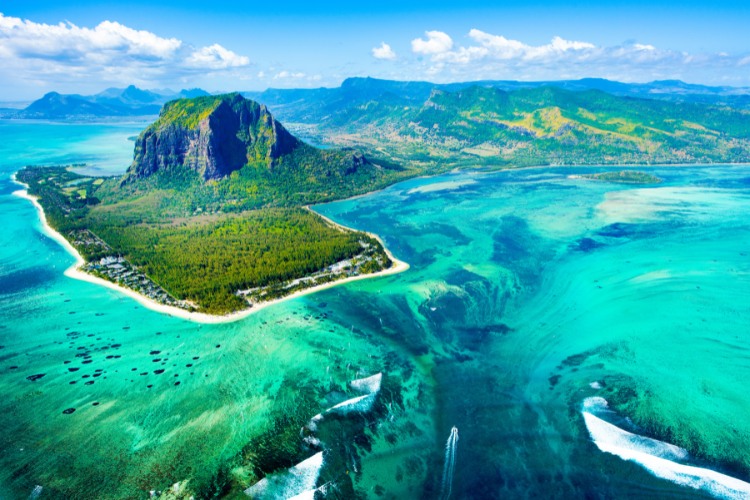
Satellites circle, drones scan, and maps glow with confidence, yet vast regions remain stubbornly unknowable. These places resist cameras, footprints, and permanent presence. Weather turns hostile. Terrain collapses. Life adapts in ways humans cannot follow. Even when scientists arrive briefly, the land keeps its secrets. What remains unknown is not due to lack of curiosity, but because nature still controls access. These regions exist beyond comfort, beyond ownership, and beyond full comprehension, even in an age obsessed with data and discovery.
1. The Mariana Trench keeps rewriting Earth limits.
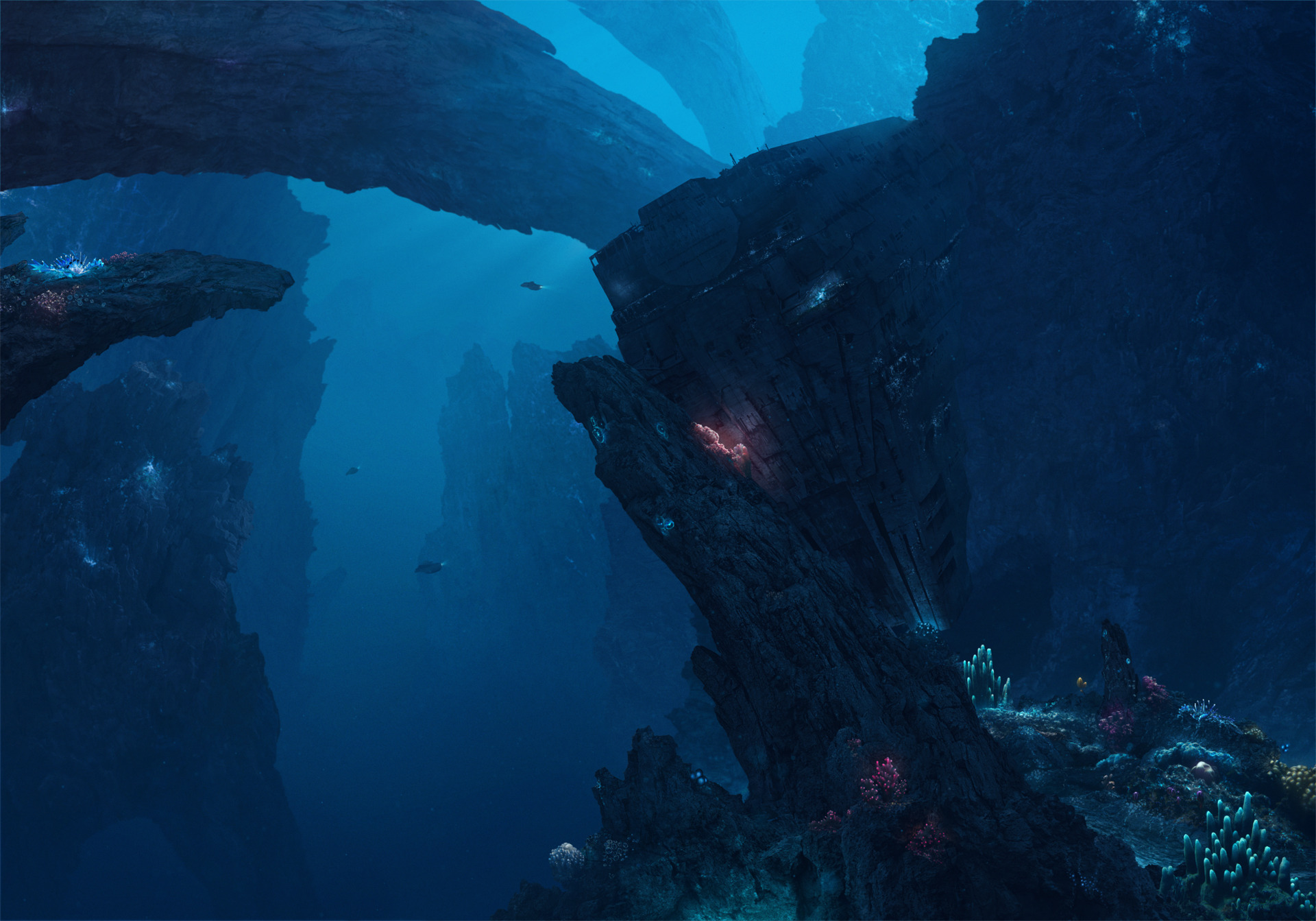
Miles beneath the western Pacific, pressure crushes steel and light disappears entirely. The deepest point, Challenger Deep, reaches nearly seven miles down. Even advanced submersibles visit briefly, then retreat. According to the National Oceanic and Atmospheric Administration, less than a fraction of this environment has been directly observed.
Life exists here, but on unfamiliar terms. Creatures survive without sunlight, feeding on chemicals and falling debris. Mapping remains incomplete. Currents shift constantly. Each descent reveals anomalies that raise new questions, ensuring the trench stays partially unknown despite decades of study.
2. Antarctica hides worlds sealed beneath ice.
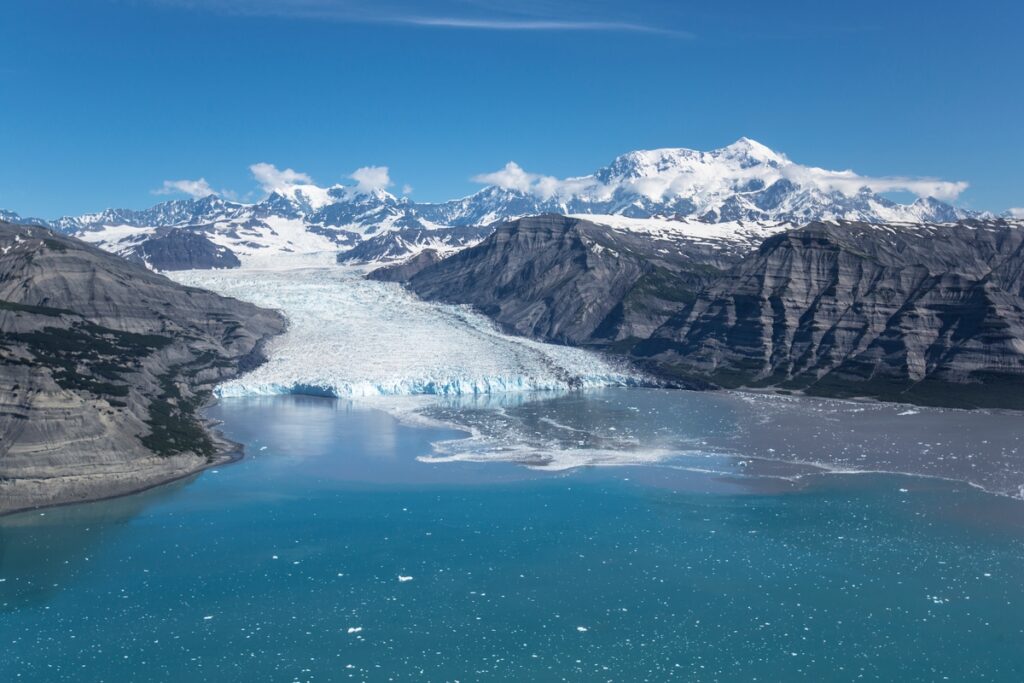
Beneath Antarctica’s ice sheet lie subglacial lakes untouched for millions of years. Lake Vostok sits buried under more than two miles of ice, isolated from the surface. As stated by the British Antarctic Survey, drilling risks contamination, limiting direct exploration.
These hidden ecosystems may host life adapted to extreme isolation and pressure. Ice movement reshapes cavities slowly. Instruments struggle in brutal cold. Human presence remains fleeting. Antarctica’s interior conceals biological and geological stories that cannot be fully accessed without destroying what makes them unique.
3. The Amazon still shields uncontacted human groups.
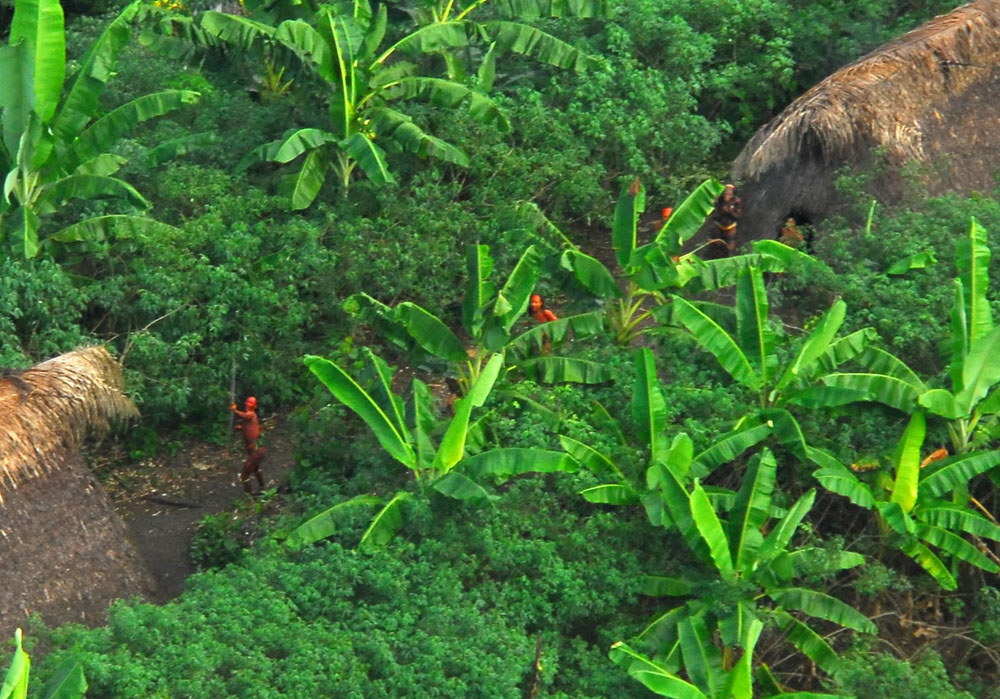
Vast stretches of the Amazon rainforest remain unreachable by road or river. Dense canopy hides valleys and plateaus rarely entered. As reported by National Geographic, dozens of uncontacted tribes still live deep within these regions.
Their cultures evolve independently, unseen and largely undisturbed. Environmental dangers deter long term study. Ethical boundaries prevent intrusion. Satellite images hint at settlements, but details stay hidden. Between disease risk and legal protections, these human stories remain intentionally incomplete, preserving mystery rather than conquering it.
4. New Guinea’s interior mountains resist permanent study.
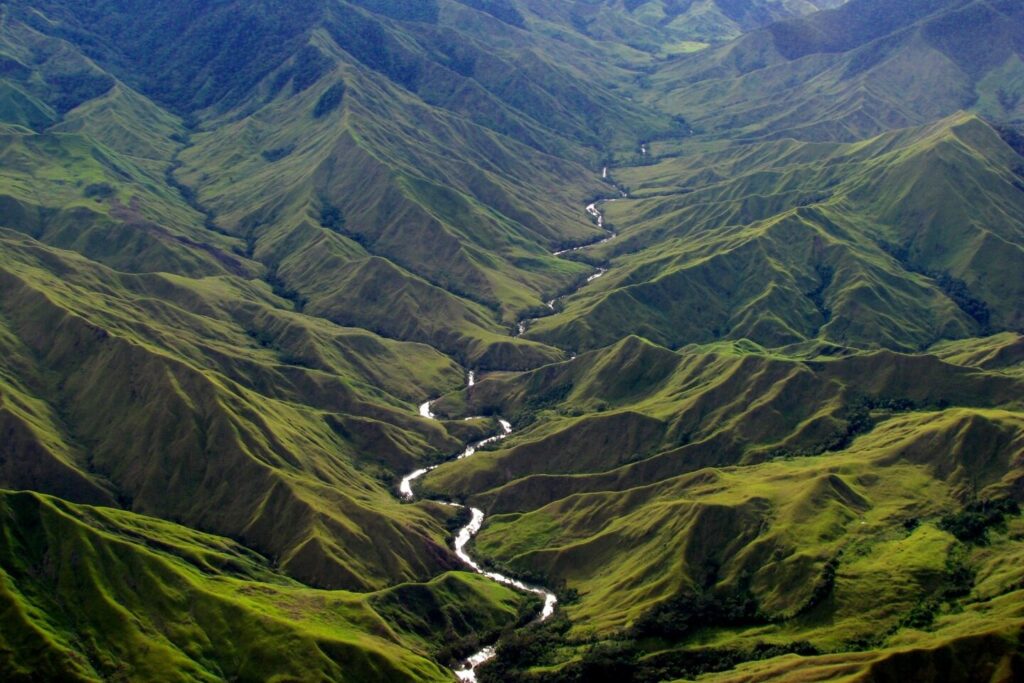
Towering ranges and cloud forests dominate Papua New Guinea’s interior. Steep terrain, constant rain, and limited access isolate entire valleys. Some species found here exist nowhere else.
Biologists occasionally arrive by helicopter, documenting discoveries rapidly before weather forces retreat. Landslides erase trails. Communities remain separated by ridges rather than distance. The region evolves continuously without observation, making complete ecological understanding impossible despite repeated scientific efforts.
5. The Congo Basin swallows exploration attempts.
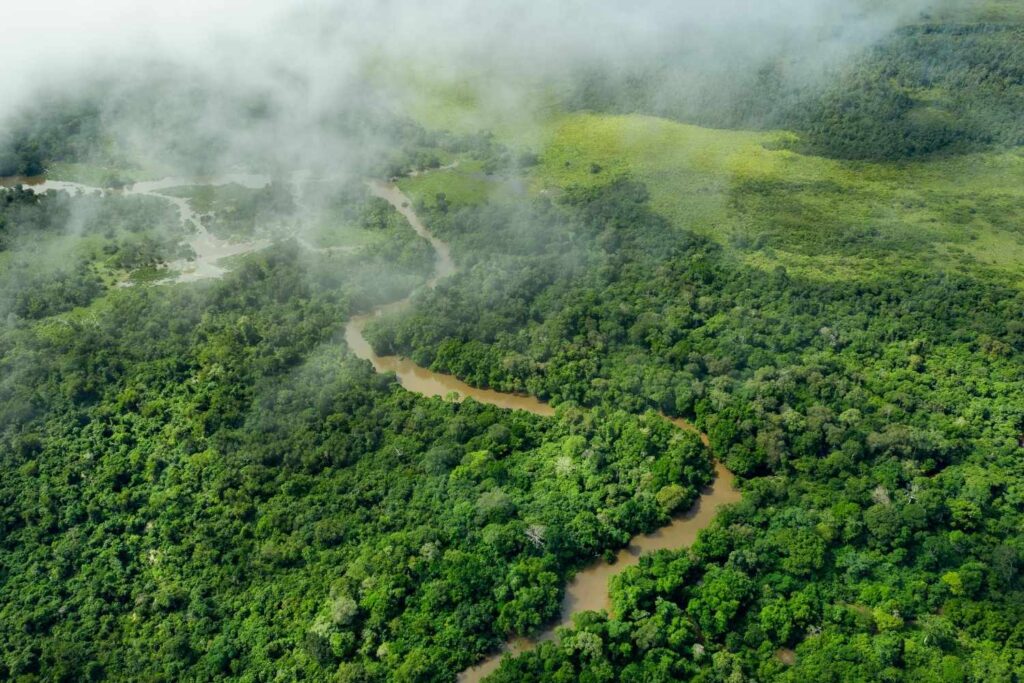
Central Africa’s Congo Basin stretches across multiple nations, dense with rainforest and wetlands. Heat, disease, and political instability complicate access. Vast areas lack detailed mapping.
Wildlife migrates unpredictably. Rivers flood and retreat. Research stations struggle to survive long term. Each expedition gathers fragments, never the whole picture. The forest regenerates faster than records can be kept, ensuring knowledge always lags behind reality.
6. Siberia’s permafrost hides shifting ancient landscapes.
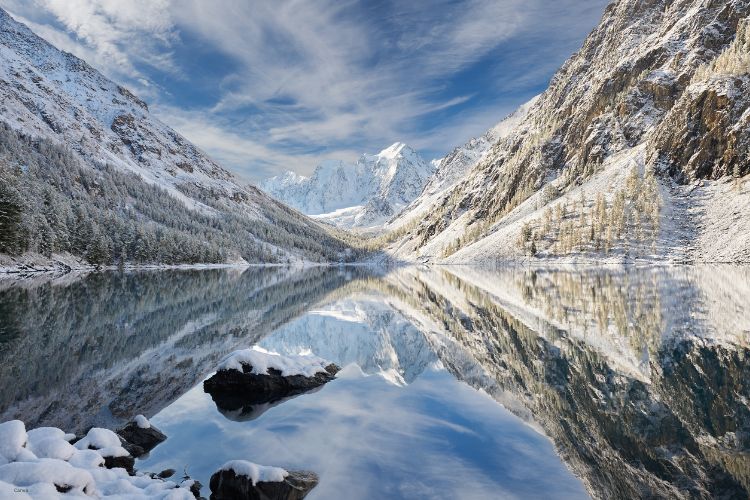
Frozen ground across Siberia locks away ancient plants, animals, and even human remains. As temperatures fluctuate, terrain collapses into sinkholes and thaw lakes.
These changes happen faster than study can keep pace. Roads buckle. Settlements retreat. Archaeological windows open briefly before closing again. The region’s size and volatility prevent comprehensive understanding, leaving much of its history fragmented and partially lost.
7. The Southern Ocean defies consistent observation.
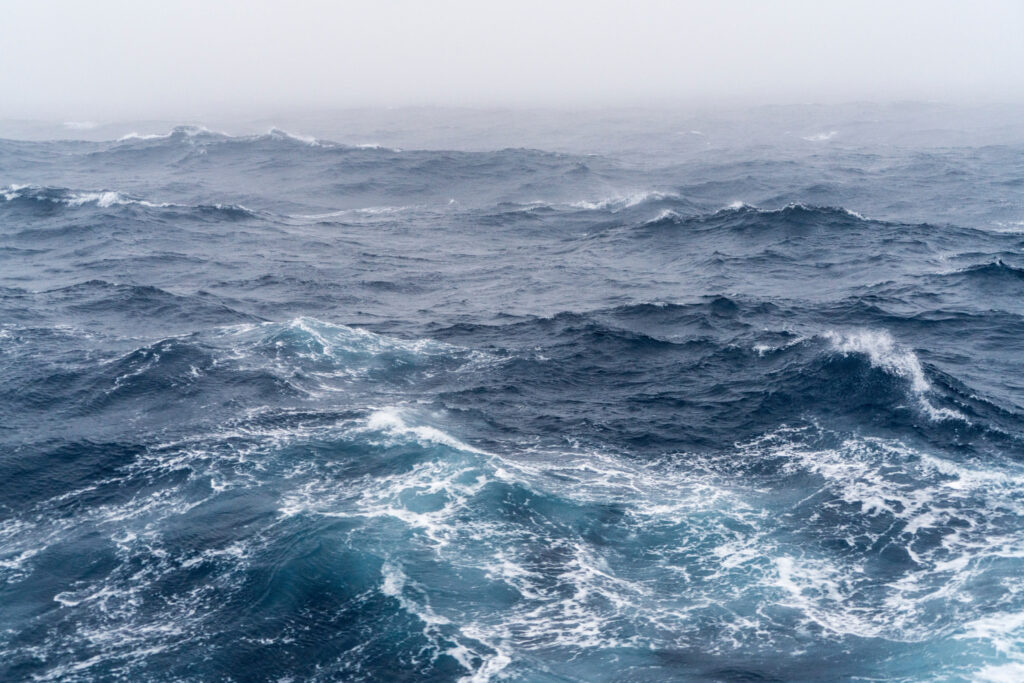
Encircling Antarctica, the Southern Ocean hosts violent storms and towering waves. Weather systems form rapidly, disrupting research vessels.
Marine life thrives beneath turbulent surfaces, migrating through waters rarely sampled. Seasonal ice alters routes and ecosystems annually. Even modern satellites struggle with constant cloud cover and darkness. The ocean remains dynamic and elusive, revealing patterns only momentarily before shifting again.
8. The Darién Gap erases human infrastructure completely.
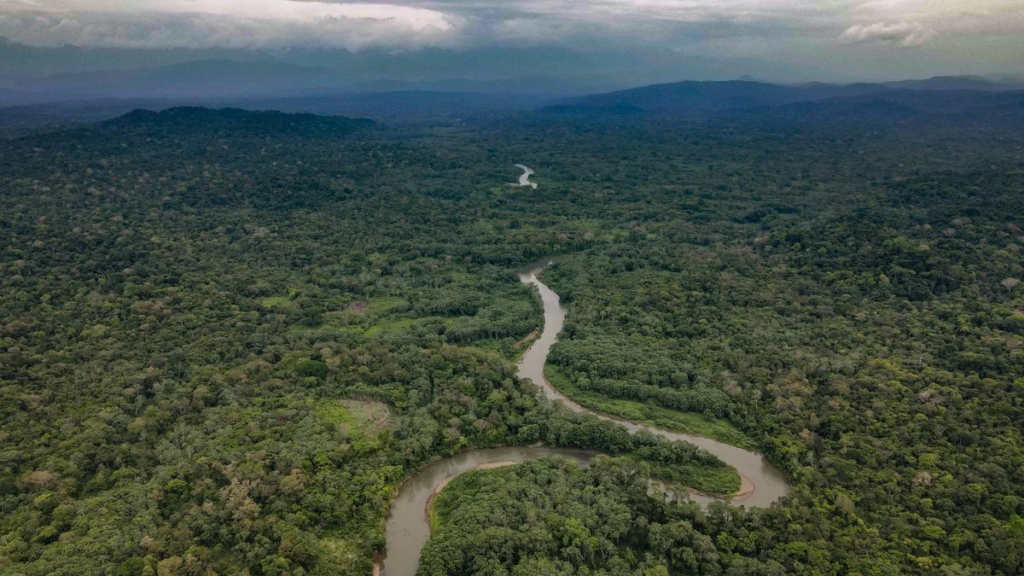
Between Panama and Colombia lies dense jungle, swamp, and mountains without roads. The Darién Gap halts highways and logistics entirely.
Wildlife corridors dominate the region. Rivers change course. Human presence remains temporary and risky. Political boundaries mean little here. Attempts to tame the terrain repeatedly fail, leaving vast stretches unmapped and uncontrolled, governed entirely by natural processes.
9. Deep cave systems keep expanding beyond exploration.
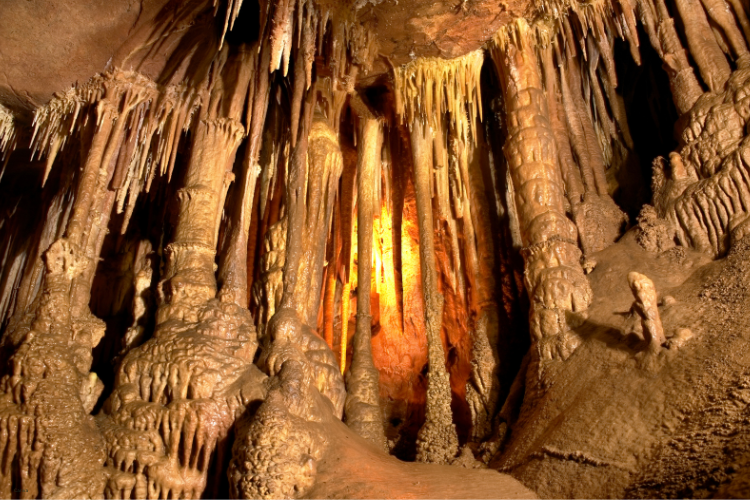
Caves like those in Mexico and China extend for hundreds of miles underground. New passages appear as mapping advances.
Flooding, collapse, and oxygen limits restrict exploration. Underground rivers reshape tunnels constantly. What is mapped today may shift tomorrow. These subterranean worlds evolve in darkness, ensuring humans only ever glimpse fragments of systems far larger than any single expedition can reveal.