
The clash between people and giants of the forest is leaving a costly mark.

Chitwan National Park in Nepal is a sanctuary where elephants roam freely, rhinos graze in tall grasses, and tigers stalk in silence. Yet for local villagers and park visitors, that beauty carries a darker edge. Over the past year, 11 people lost their lives to encounters with these wild animals.
What’s unfolding is more than a string of tragic accidents. It’s a window into the fragile balance between humans and some of Earth’s most powerful creatures. Each story of conflict carries echoes of survival, territory, and the reality of life on the edge of a protected wilderness.
1. Rhinos accounted for the largest share of fatalities.
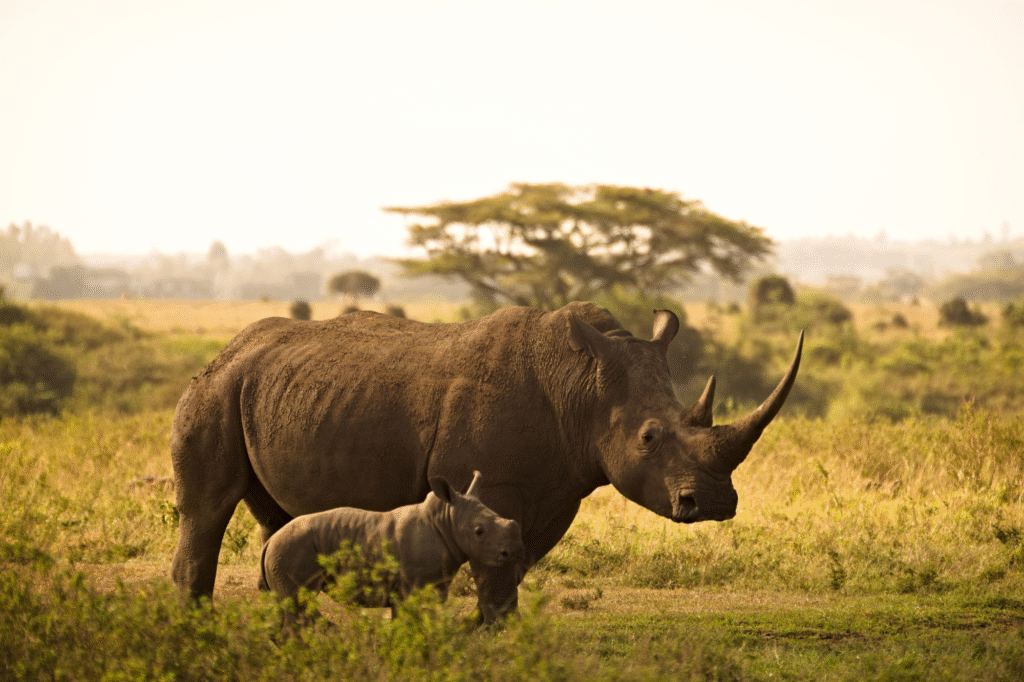
Rhinos, with their massive frames and unpredictable temperaments, were responsible for several of the deaths in Chitwan. These animals can appear calm while grazing but react with sudden aggression if startled or if they sense intrusion. Park officials noted that most incidents occurred when people were collecting fodder or crossing into rhino territory, according to The Kathmandu Post.
The sheer force of a rhino charge makes survival difficult. Even one misstep can be fatal when an animal weighing over two tons barrels forward at speed. For villagers who rely on nearby forest resources, avoiding rhino encounters becomes nearly impossible, and that reality is what places them at greatest risk.
2. Elephants struck in villages along the park’s edge.

Several deaths over the past year were linked to elephants entering nearby settlements. These weren’t park tours gone wrong but wild elephants wandering into human spaces, flattening crops, breaking structures, and sometimes attacking residents. Officials confirmed that at least three of the fatalities involved elephants moving through agricultural fields, as reported by Al Jazeera.
The overlap between farmland and elephant paths has intensified as human activity grows closer to the park’s borders. Families sleeping lightly in thatched homes sometimes wake to destruction outside their doors. And while elephants are revered culturally, their raw strength leaves devastation in places where reverence meets survival.
3. Tigers struck with stealth inside and outside the park.

Tiger attacks added to the total, with a handful of deaths occurring in the forest and its buffer zones. Victims were often people who had ventured into the woods for firewood or fodder. According to Reuters, some of these attacks happened at the edges of fields bordering tiger habitat.
Unlike rhinos and elephants, tigers usually avoid humans, but when they do strike, it is fast, precise, and often lethal. The unpredictability of these encounters deepens the fear, because they seem to erupt from silence. For families living near dense jungle edges, the tiger remains a shadow no fence or wall can fully keep away.
4. Villagers are caught between survival needs and safety.

Collecting fodder, firewood, or wild grasses remains a daily task for many who live around Chitwan. These basic needs push people into dangerous zones where animals roam. Choosing to avoid the forest is rarely an option, because alternative resources are scarce.
That daily gamble turns routine chores into life-and-death risks. Every trip carries the possibility of an unexpected encounter. For villagers, it isn’t recklessness—it’s necessity. And that necessity is what keeps the cycle of human-wildlife conflict alive year after year.
5. Buffer zones designed for protection often fail.

Chitwan National Park is surrounded by buffer zones meant to reduce conflict, but these areas aren’t foolproof. Agricultural fields and settlements press right up against wildlife habitat. Boundaries blur quickly when elephants cross rivers or rhinos wander into sugarcane fields.
In theory, buffer zones serve as cushions. In practice, they can feel like thin lines drawn in sand. Animals follow instinct, not maps, and people seeking land or resources inevitably cross those lines too. The failure of buffer zones to prevent fatalities shows how fragile coexistence remains on the park’s edge.
6. Climate shifts are reshaping animal movements.

Changing weather patterns, erratic rainfall, and shrinking water sources are altering how animals move through Chitwan. Drought or flood can force elephants toward villages in search of food. Shifts in prey distribution can drive tigers closer to human settlements.
These environmental pressures compound already tense situations. What was once rare becomes common when animals follow survival needs into human spaces. For those who live nearby, climate change isn’t abstract—it is a prowling tiger or a crashing elephant breaking through the night.
7. Government responses include compensation programs.
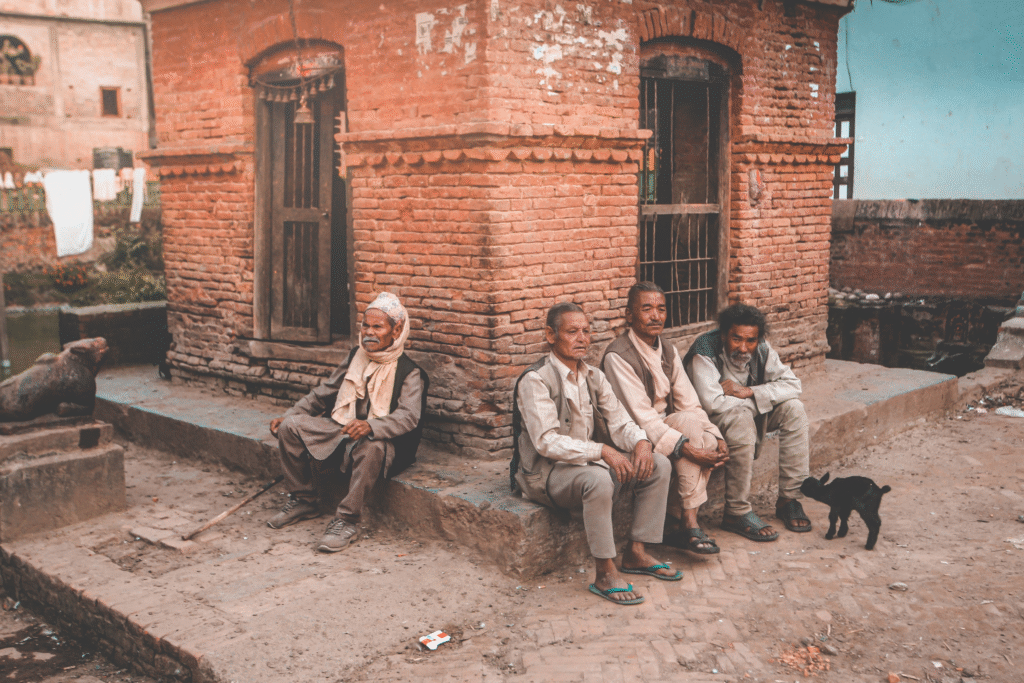
The Nepali government has policies that compensate families affected by wildlife deaths. Payments are intended to support grieving households and discourage retaliation against animals. But the bureaucracy of accessing funds often slows help, leaving families struggling in the meantime.
Compensation does little to replace a loved one. Still, it remains one of the few tangible ways the state acknowledges the cost borne by people living near protected areas. The tension between safeguarding wildlife and protecting human lives runs through every policy, never with a perfect answer.
8. Conservation success is driving higher animal numbers.

Ironically, the very success of Chitwan as a conservation stronghold contributes to these conflicts. Rhino and tiger populations have grown steadily thanks to anti-poaching patrols and strict protections. While celebrated globally, that growth increases encounters with nearby human communities.
For conservationists, this is both triumph and challenge. Thriving populations mean species survival, but also heightened danger for local people. The park becomes a place where global victories in biodiversity carry local costs measured in human lives.
9. Coexistence strategies are under constant trial.

Electric fences, watchtowers, and rapid response teams have all been tested in Chitwan. Some work temporarily, others fail after animals adapt. Elephants, for instance, have learned to dismantle certain barriers. Rhinos find openings, and tigers slip through gaps unnoticed.
Communities keep adjusting alongside these measures. Villagers form patrol groups, and conservation groups host awareness campaigns. Still, nothing guarantees safety. The process becomes one of trial, error, and constant negotiation between human ingenuity and animal persistence.
10. The deaths tell a story bigger than numbers.
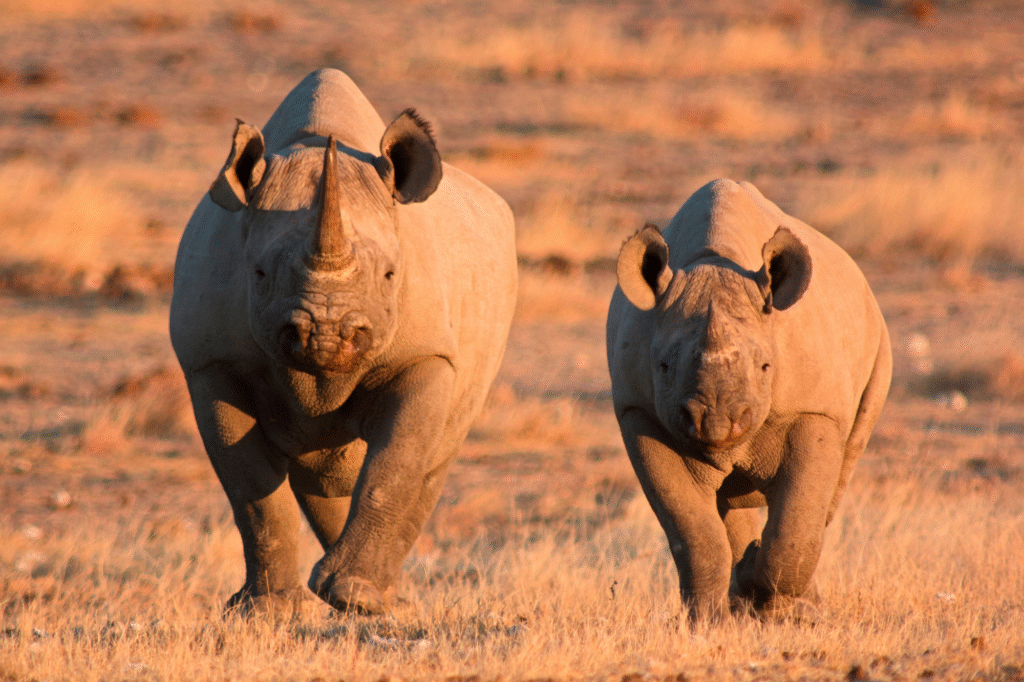
Counting fatalities captures only part of the reality. Behind each number is a family, a village, and a chain of fear that reshapes daily life. At the same time, those deaths reveal the stark truth about sharing space with giants of the wild.
Chitwan is more than a park. It is a landscape where conservation and human survival meet in uneasy compromise. The deaths over the past year remind us that the struggle for coexistence is neither simple nor finished. It is ongoing, personal, and carved into both human and animal lives.