
Kind intentions can quietly cause lasting wildlife harm.
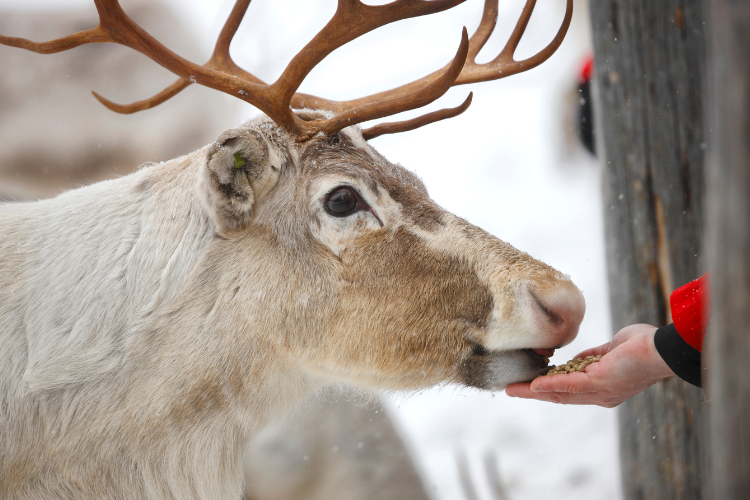
Winter feeding often feels compassionate, especially during deep snow and bitter cold. Yet across North America, biologists and wildlife managers repeatedly warn that supplemental feeding disrupts deer biology and behavior. What begins as help can quietly spiral into starvation, disease, conflict, and death, particularly in suburbs, forests, and mountain corridors where deer already struggle to survive seasonal stress conditions there.
1. Sudden diet changes can trigger fatal digestive collapse.
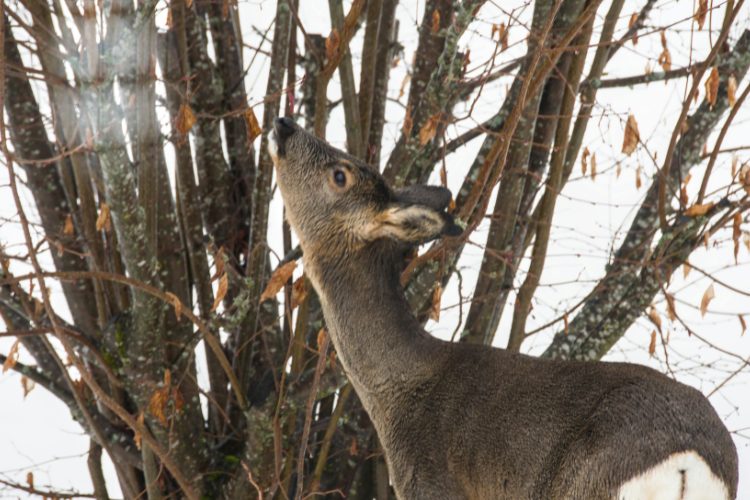
Deer digestive systems shift seasonally, relying on woody browse in winter. Introducing corn or pellets overwhelms rumen microbes, leading to acidosis and starvation even with full stomachs, according to the Wisconsin Department of Natural Resources during cold weather die offs.
Deaths often appear weeks later, confusing well meaning residents. In places like northern Wisconsin and Michigan, carcasses accumulate near feeding sites after snow melts, revealing that generous piles of food disrupted internal fermentation instead of helping animals endure winter scarcity.
2. Feeding sites rapidly spread disease between concentrated herds.
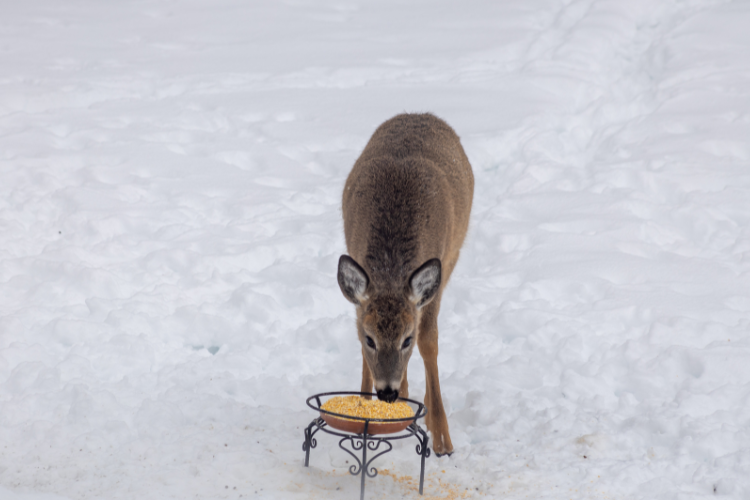
When deer crowd together, saliva, feces, and nasal secretions contaminate shared food. Chronic wasting disease and bovine tuberculosis spread faster at bait piles, as reported by the United States Geological Survey monitoring Midwest and Rocky Mountain populations closely each winter.
Disease transmission does not stop with deer. Infected animals wander into yards, fields, and roadways, increasing exposure risks for livestock and captive cervids. Once established, outbreaks are impossible to eliminate, creating long term consequences that persist well beyond harsh winter.
3. Artificial feeding increases vehicle collisions and human conflict.
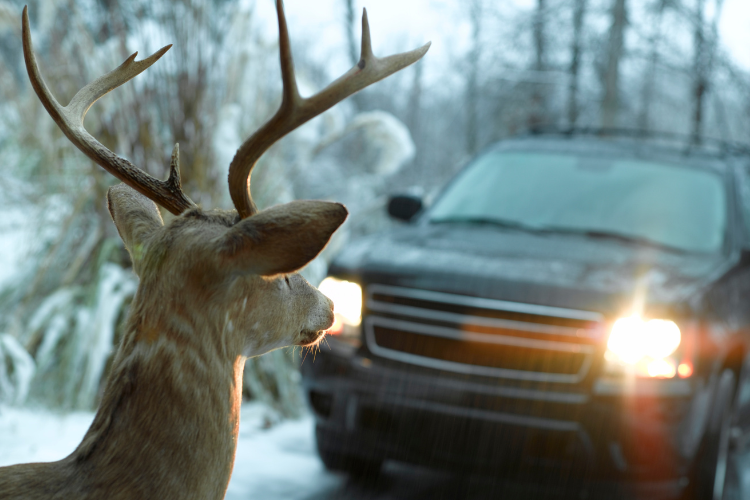
Feeding draws deer toward roads and neighborhoods during low visibility months. Collision rates spike near feeding areas after dusk, as stated by Colorado Parks and Wildlife following winter crash data reviews in mountain and suburban corridors across several snowy seasons.
Drivers face limited reaction time when deer linger near plowed shoulders. Accidents cause injuries, property damage, and often death for animals. Communities then bear financial and emotional costs that ripple outward from a single backyard decision repeated across neighborhoods winter.
4. Natural migration patterns collapse when food appears suddenly.
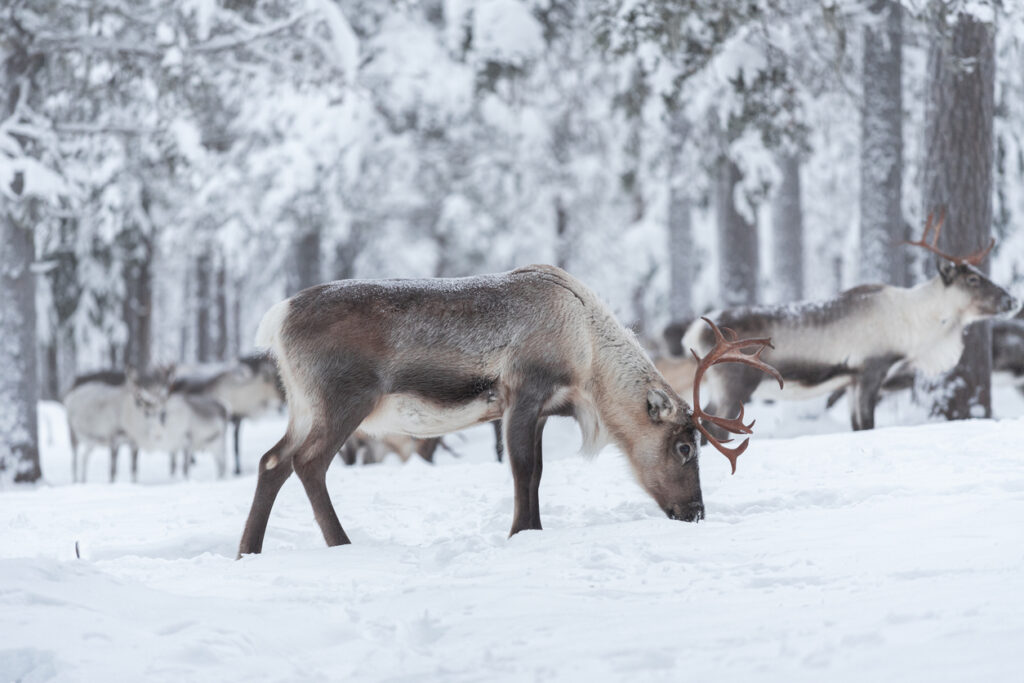
Deer evolved to move gradually between seasonal ranges, conserving energy. Artificial feeding anchors them in risky locations, preventing migration to safer winter habitat. This disruption increases malnutrition and exposure during storms when animals should already be settled elsewhere safely there.
In mountainous regions like the Rockies, delayed movement means deeper snow and steeper terrain later. Energy reserves vanish quickly. By the time natural forage becomes unreachable, deer lack strength to relocate, turning a flexible survival strategy into a fixed trap.
5. Predators learn feeding schedules and ambush vulnerable deer.

Concentrated deer attract predators including coyotes, wolves, and mountain lions. Feeding sites become predictable hunting grounds, increasing violent encounters. Young, sick, and pregnant deer suffer most, upsetting population balance and increasing stress during a season already defined by scarcity winter.
Predators lingering near homes raise safety concerns for pets and people. Once learned, these patterns persist. Removing feeders later does not immediately disperse predators, leaving neighborhoods exposed to elevated risk long after snow and food piles disappear completely for months.
6. Winter feeding disrupts social hierarchies within herds.
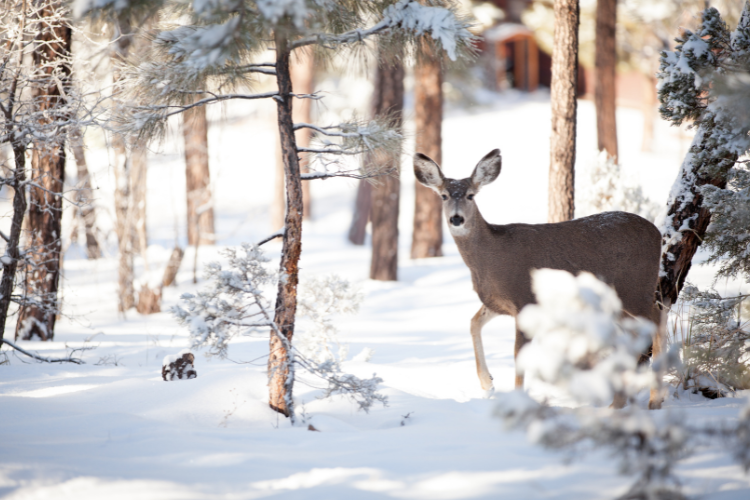
Dominant deer monopolize feeding areas, forcing weaker animals away. Fawns and older individuals lose access to both natural forage and supplemental food. This uneven access increases mortality among those least able to compete during prolonged cold periods of winter months.
Social stress also elevates aggression, causing injuries rarely seen in dispersed winter groups. Bite wounds and broken antlers drain energy reserves. What looks like abundance actually sharpens inequality, reshaping herd dynamics in ways that echo through future breeding seasons ahead.
7. Human dependency forms and survival skills erode.
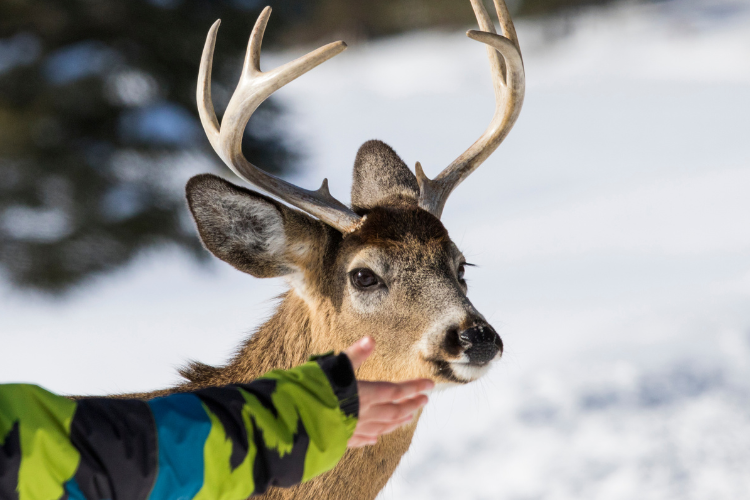
Repeated feeding conditions deer to associate people with food. Animals linger near houses, roads, and schools instead of foraging naturally. When feeding stops abruptly, these deer lack experience locating winter browse, increasing starvation risk late in the season each year.
Dependency also fuels bold behavior. Deer approach porches, vehicles, and pedestrians, erasing natural wariness. This raises risks of injury, property damage, and lethal management actions when habituated animals are deemed dangerous by authorities responding to complaints from local winter incidents.
8. Malnutrition increases despite full stomach appearances during winter.
High calorie feeds lack fiber and micronutrients deer need. Stomachs appear full while bodies starve internally. This hidden malnutrition weakens immune systems and muscles, leaving deer unable to escape predators or withstand prolonged cold and snow through late winter months.
Observers often mistake feeding success until collapse occurs. By the time weakness shows, recovery is unlikely. Wildlife rehabilitators report higher fatality rates among deer rescued from feeding areas compared with those following natural winter diets in surrounding regions each year.
9. Feeding undermines long term population resilience overall.
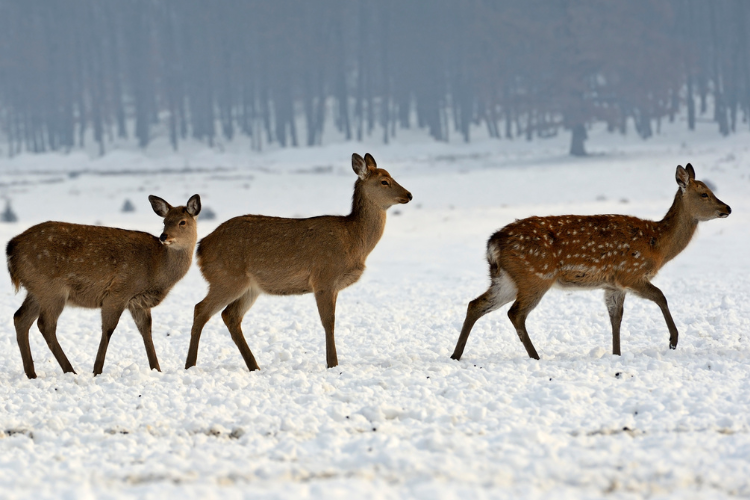
Short term survival gains mask broader losses. Artificial feeding skews age structure, increases disease, and reduces natural selection pressures. Over time, herds become less adaptable to harsh winters, drought, and habitat change across many North American regions today widely documented.
Population crashes often follow years of heavy feeding. Managers then face difficult decisions including culling or relocation. What begins as kindness can ultimately reduce the very deer numbers communities hoped to protect over generations in shared winter landscapes nationwide today.
10. Well meaning actions create lasting legal consequences.
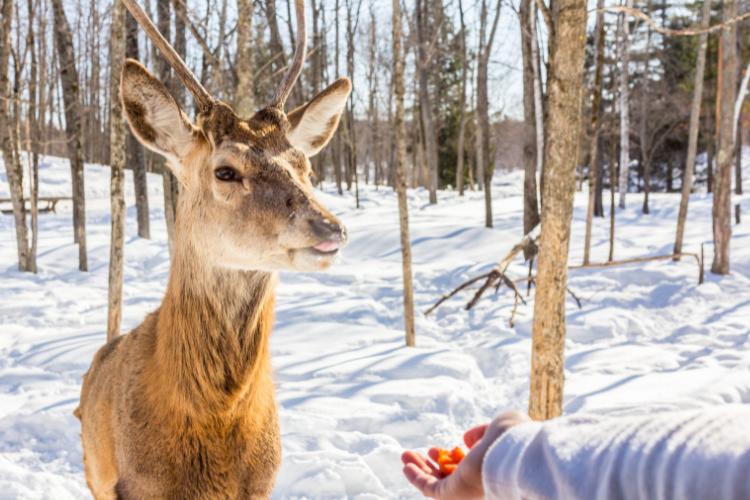
Many states prohibit feeding wildlife due to documented harms. Fines and citations increase each winter as enforcement responds to complaints, collisions, and disease risks. Homeowners are often surprised to learn that feeding deer violates local regulations in numerous counties nationwide.
Legal trouble rarely ends the problem alone. Removing feed after citations can worsen dependency and stress. Prevention through education remains the most effective path, protecting deer health while keeping communities aligned with science based wildlife management goals long term outcomes.