
Cultural certainty is fracturing across institutions once considered settled.

Across the United States, beliefs that once felt immovable now encounter friction in everyday systems. Shifts appear in hiring practices, school policies, elections, and consumer behavior. What once advanced quickly now stalls, rewinds, or fragments under scrutiny. Older Americans often interpret these changes as overdue corrections rather than cultural regression. The stakes are high because these beliefs shaped policy, norms, and power structures. Whether this moment represents permanent reversal or temporary recalibration remains unclear, but the confidence that once surrounded these ideas has visibly weakened.
1. DEI programs no longer enjoy automatic acceptance.

For years, workplace diversity initiatives expanded with little resistance. Recently, internal skepticism has grown, often expressed through declining participation and private complaints. Employees question fairness, transparency, and impact. Managers report difficulty measuring outcomes without inflaming tensions. Executives worry about morale, legal exposure, and public backlash. What once felt mandatory now feels politically risky.
Many companies respond by softening language or pausing expansion. Older workers often argue professionalism and performance should outweigh ideology. Younger employees remain split between support and fatigue. The shift is not abolition but retreat from certainty. Diversity initiatives still exist, but their authority is increasingly contested rather than assumed.
2. Mandatory equity trainings face growing internal resistance.

Equity trainings were introduced rapidly during periods of social upheaval. Over time, many employees describe them as stressful rather than educational. Fear of saying the wrong thing replaces open dialogue. Attendance becomes performative. The training environment itself can feel adversarial, especially when disagreement is framed as moral failure.
Organizations now struggle to balance inclusion goals with workplace cohesion. Older employees often resent being evaluated on belief rather than conduct. Some companies reduce frequency or rebrand sessions as optional. The underlying idea remains, but enforcement weakens. The loss of momentum reflects discomfort with compelled participation rather than rejection of fairness itself.
3. Race focused school curricula face intensified parental scrutiny.

Classroom instruction once trusted to educators now triggers public confrontation. Parents demand transparency over lesson plans, materials, and framing. School board meetings grow tense. Districts face lawsuits, protests, and political pressure. What happens in classrooms now feels like a proxy for broader cultural battles.
Critics argue some frameworks emphasize grievance over shared civic identity. Supporters insist omission causes harm. Older voters often side with parental oversight, viewing it as reclaiming authority from institutions. Schools respond by revising language or narrowing scope. The result is fragmentation, not consensus, and earlier momentum slows under sustained scrutiny.
4. Cancel culture loses legitimacy outside activist circles.

Public accountability through social pressure once carried moral clarity. Increasingly, it feels unpredictable and excessive to many observers. Careers collapse over isolated moments. Context disappears. Fear replaces correction. Even supporters admit uncertainty about boundaries and proportionality.
Boomers often emphasize rehabilitation over punishment. Broad discomfort grows across ideological lines. While consequences still exist, their moral authority weakens when outcomes feel permanent or uneven. The practice persists but no longer commands universal approval. Its power relies more on enforcement than persuasion, which limits its cultural reach.
5. Pronoun enforcement generates widening generational backlash.
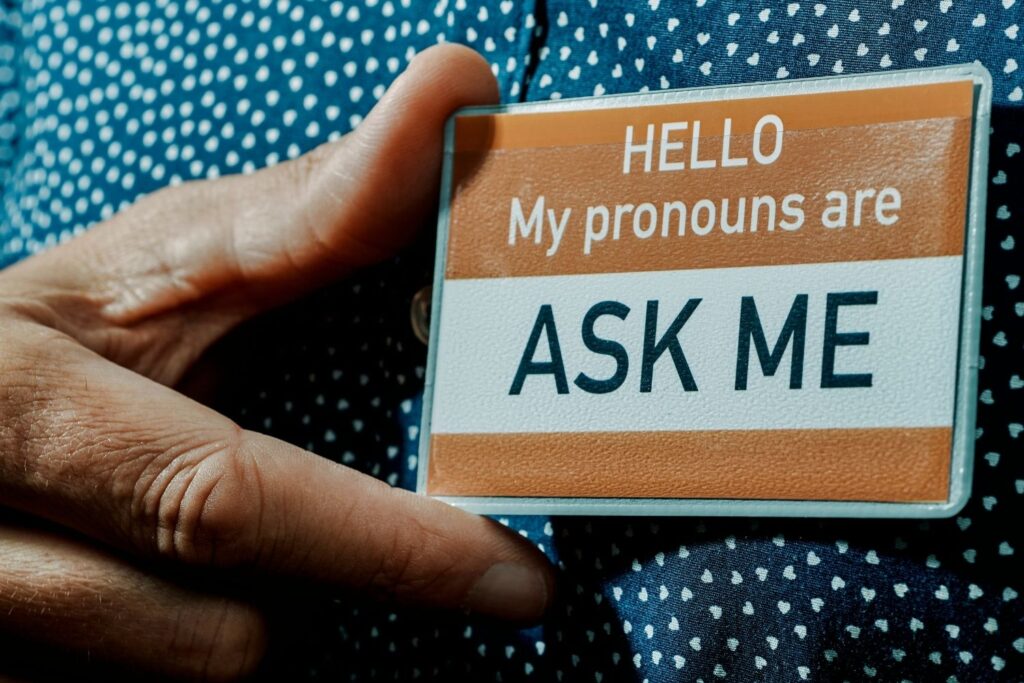
Language norms around gender identity changed rapidly in institutions. What began as courtesy sometimes became obligation. Confusion followed, especially when mistakes carried social or professional consequences. For many, enforcement felt abrupt rather than organic.
Older Americans often frame this as compelled speech rather than respect. Debate shifts toward authority and limits. Some organizations soften policies or prioritize intent over precision. The belief itself remains present, but enforcement loses momentum as institutions recognize growing resistance beyond younger demographics.
6. Identity driven political messaging shows diminishing returns.

Political campaigns once relied heavily on identity based appeals. Recent elections suggest declining effectiveness when economic pressure dominates voter concern. Inflation, housing, healthcare, and security eclipse symbolic language for many voters.
Boomers consistently prioritize stability and material outcomes. Campaigns recalibrate accordingly. Identity politics does not vanish, but its ability to anchor broad coalitions weakens. The shift reflects voter fatigue with cultural abstraction when daily life feels uncertain, reducing momentum once taken for granted.
7. Reparations proposals struggle to gain durable public backing.

Calls for reparations gained visibility through academic debate and local pilot programs. Yet outside activist circles, enthusiasm fades quickly. Many voters express confusion about scope, eligibility, and cost. Lawmakers sense the uncertainty and hesitate. Even symbolic proposals stall once implementation questions arise. Momentum slows as discussions move from moral framing to practical governance.
Older Americans often favor policies that look forward rather than backward. They worry reparations risk deepening social division without clear resolution. Younger supporters remain vocal, but internal disagreements over structure weaken cohesion. The belief persists as an idea, but lacks the unified support needed to translate into sustained policy action.
8. Corporate social activism retreats after visible consumer backlash.

Brands once embraced political messaging as a loyalty signal. In recent years, some campaigns triggered boycotts or declining sales. Executives notice the risk. What was once framed as values driven marketing now feels commercially volatile. Shareholders demand caution. Public relations teams reassess exposure.
Many companies shift emphasis back to products and service. Older consumers often welcome the change, preferring neutrality over messaging. Activism does not disappear but moves inward, expressed through internal policy rather than advertising. The retreat signals recognition that cultural alignment no longer guarantees broad consumer approval.
9. Campus activism shows signs of sustained participation decline.
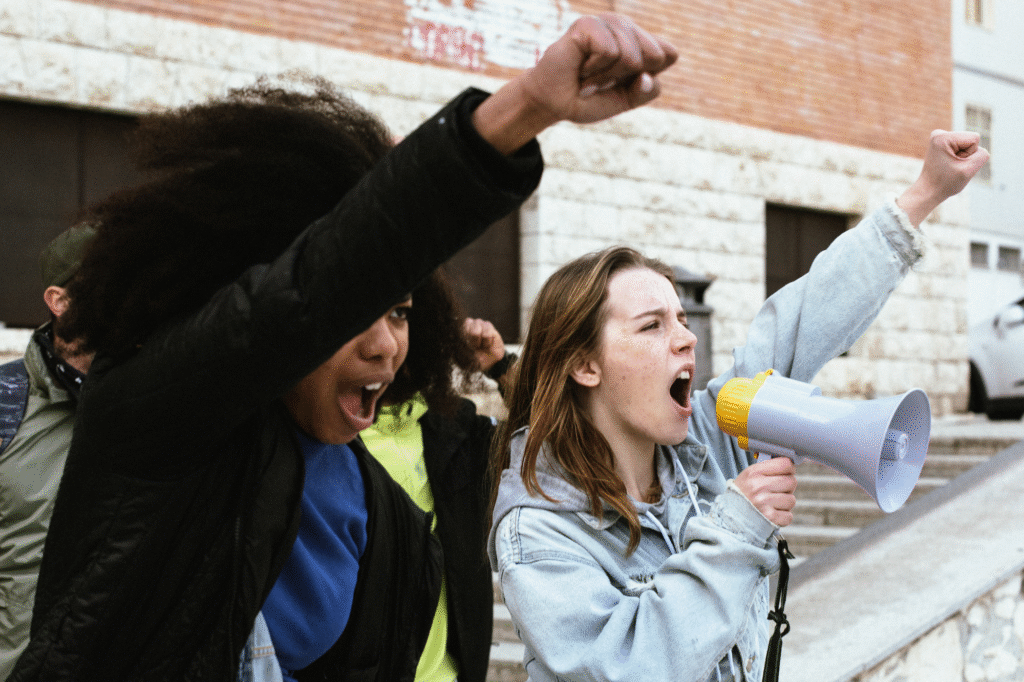
University activism surged during moments of national crisis. Recent semesters show smaller crowds and shorter movements. Students juggle academic pressure, financial stress, and career uncertainty. Sustained mobilization becomes harder to maintain. Symbolic protest gives way to personal prioritization.
Older generations interpret the decline as normalization after intensity. Activism still exists, but no longer dominates campus identity. Administrators quietly adjust expectations. The belief that campuses serve as permanent engines of cultural change weakens as student engagement becomes episodic rather than continuous.
10. Speech regulation efforts raise alarms beyond conservatives.

Policies governing language expanded rapidly in workplaces and schools. Over time, concerns spread about chilling honest discussion. Employees self censor. Students hesitate to debate. Even supporters question unintended consequences. The atmosphere feels constrained rather than inclusive.
Boomers frame the issue around liberty and inquiry. Organizations revisit rules to avoid legal and cultural fallout. Debate shifts toward balancing harm prevention with open exchange. As enforcement softens, the belief that speech must be tightly regulated loses unquestioned authority.
11. Cultural backlash reorganizes generational political coalitions.

Opposition to progressive norms increasingly motivates older voters. Issues once labeled cultural now drive turnout in local elections. School boards, zoning meetings, and workplace policy debates become political flashpoints. Cultural restraint transforms into a mobilizing force rather than passive discontent.
At the same time, younger generations fracture. Some double down on activism, others disengage entirely. This divergence reshapes coalition politics. As backlash gains structure, it converts sentiment into policy influence. The result is not a return to the past, but a recalibration of generational power.