
A few words may speak volumes to your dog.

In recent pet-bond research, dogs may be telling us more than we thought about how they feel. It’s not just the treats or the belly rubs—it’s the words we use. Researchers found that dogs respond not only to tone but to familiar language cues tied to comfort, attention, and reward. These findings suggest that particular words—spoken consistently and kindly—help strengthen the human-dog bond. Here are eight words or short phrases that emerging evidence says resonate deeply with dogs, and how each one helps your four-legged friend feel genuinely cherished.
1. Saying your dog’s name builds recognition and closeness.
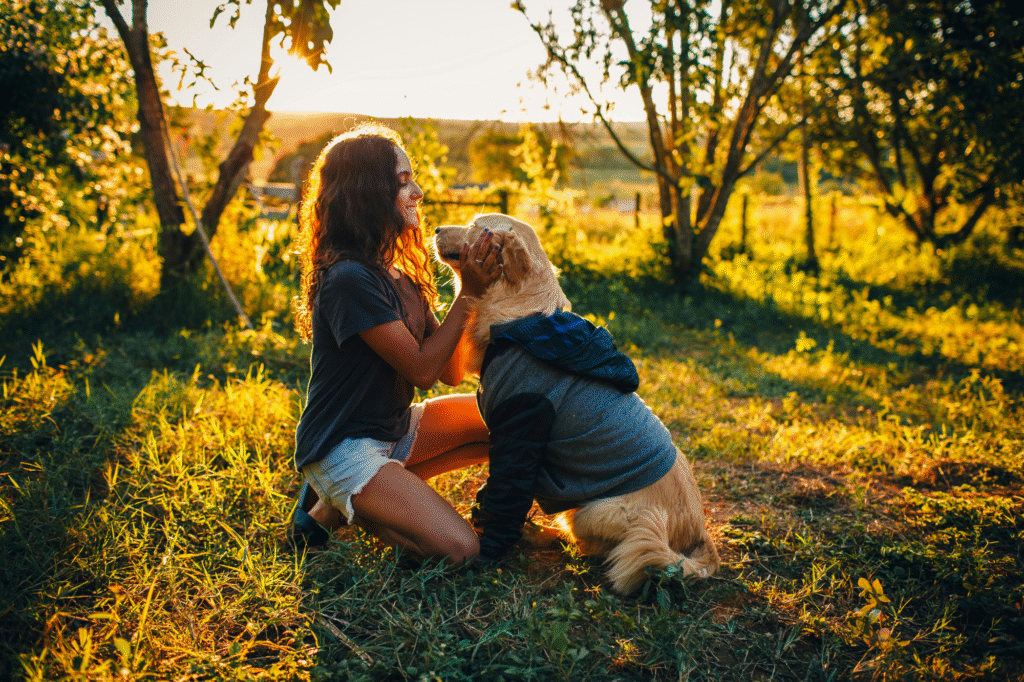
Using your dog’s name in a calm, positive way helps it understand you’re speaking directly to them. A 2020 study by the University of Sussex found that dogs recognize familiar words and even different speakers, proving they process language more deeply than once thought, as reported by National Geographic. When you call your dog by name softly and clearly, it creates a sense of personal connection that reinforces trust and attention.
Over time that recognition becomes emotionally charged—your voice becomes the sound of safety. The simple act of saying their name regularly and kindly strengthens that quiet thread of familiarity that dogs depend on.
2. Telling your dog “good boy” or “good girl” reinforces trust significantly.

Dogs show measurable physiological responses to verbal praise, including elevated oxytocin levels and tail-wagging patterns that mirror positive emotional states. These findings emerged from research using brain-imaging data on canine responses to human words, according to ScienceDaily. The phrase “good boy” isn’t just human habit—it’s a signal tied to reassurance and reward.
When your dog hears it paired with warmth and eye contact, their brain interprets the sound as social bonding. It’s less about syntax and more about emotion—the words are familiar shorthand for belonging and approval, ending the sentence with comfort.
3. Using “walkies” or another play cue triggers excitement instantly.

As stated by BBC News, researchers at Eötvös Loránd University in Hungary discovered that dogs’ brains react distinctly to praise and familiar activity words such as “walk,” “treat,” or “ball.” When they hear those cues, parts of their auditory cortex light up, showing real word comprehension beyond tone alone. That explains why even whispering “walkies” across a room can set off tail-wagging chaos.
Consistent use of fun cue words builds anticipation and strengthens emotional bonding. Every time you say the same phrase before a joyful activity, your dog learns that human language can predict happiness—and in that predictability lies love.
4. The word “treat” builds a link between language and reward.

When “treat” is used consistently, your dog learns to anticipate something positive. It’s not just about snacks—it’s about reliability. Each time you pair that word with generosity, it strengthens trust. Your dog understands that your voice carries good outcomes, making them more receptive to listening and following you in other situations.
That connection is what deepens their affection: you’re not just the giver of food, you’re the giver of good things. And that reliability speaks louder than words ever could.
5. Saying “walk” creates shared anticipation and teamwork.
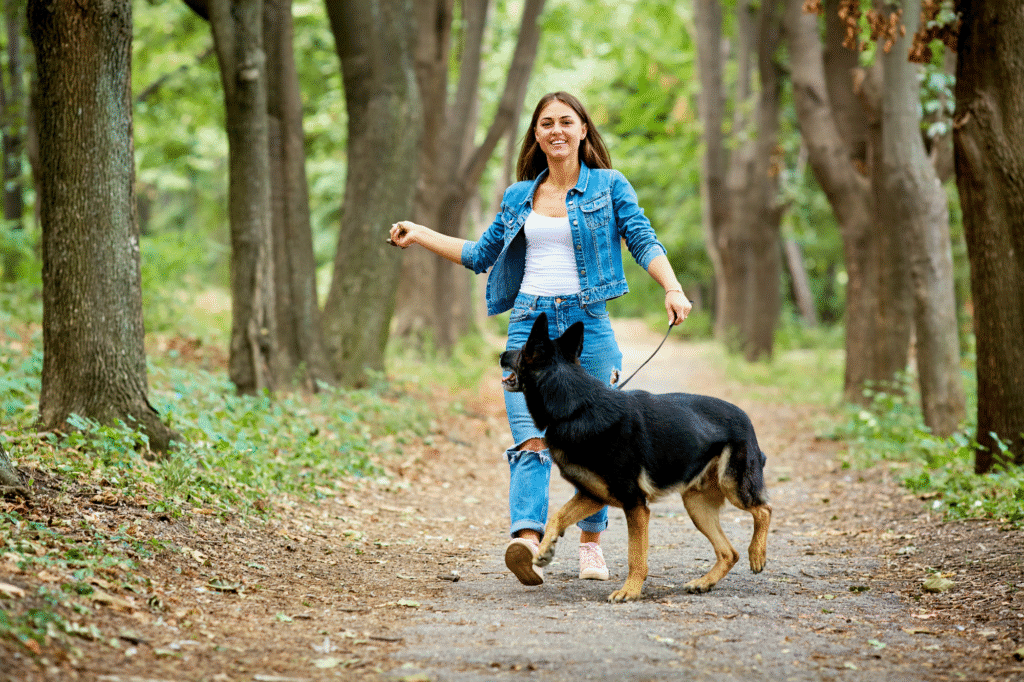
This small word often marks one of the happiest moments of a dog’s day. But what makes it special isn’t the activity—it’s the partnership. By keeping the cue clear and consistent, you tell your dog, “We’re doing this together.” That sense of inclusion builds mutual enthusiasm and cooperation, shaping walks into rituals of bonding rather than routine exercise.
When dogs recognize your “walk” cue, they’re not just excited about fresh air—they’re responding to the feeling of togetherness that the word now represents.
6. The phrase “good dog” calms more than it commands.
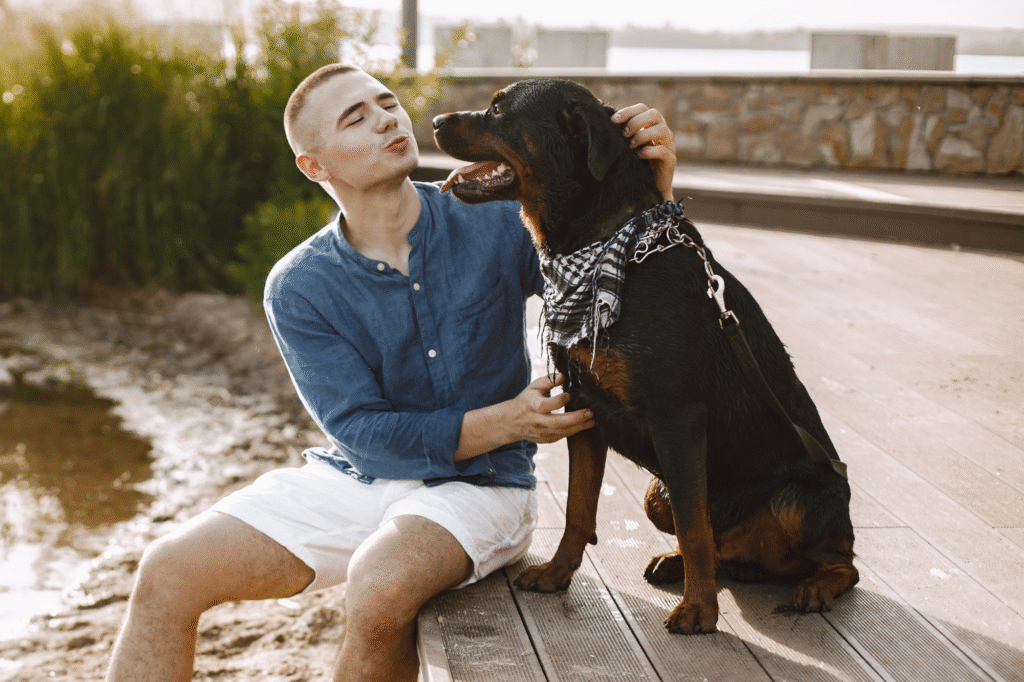
When spoken softly after calm or appropriate behavior, “good dog” does more than reward—it resets tension. Dogs read tone instantly, and those two simple words signal that all is well. Used consistently, they act like a verbal touch on the shoulder, letting your dog know they’ve met your expectations and can relax.
That moment of calm understanding reinforces trust. Over time, it teaches your dog that communication with you is safe and predictable—exactly what social animals crave most.
7. Using “sit” patiently helps build emotional cooperation.
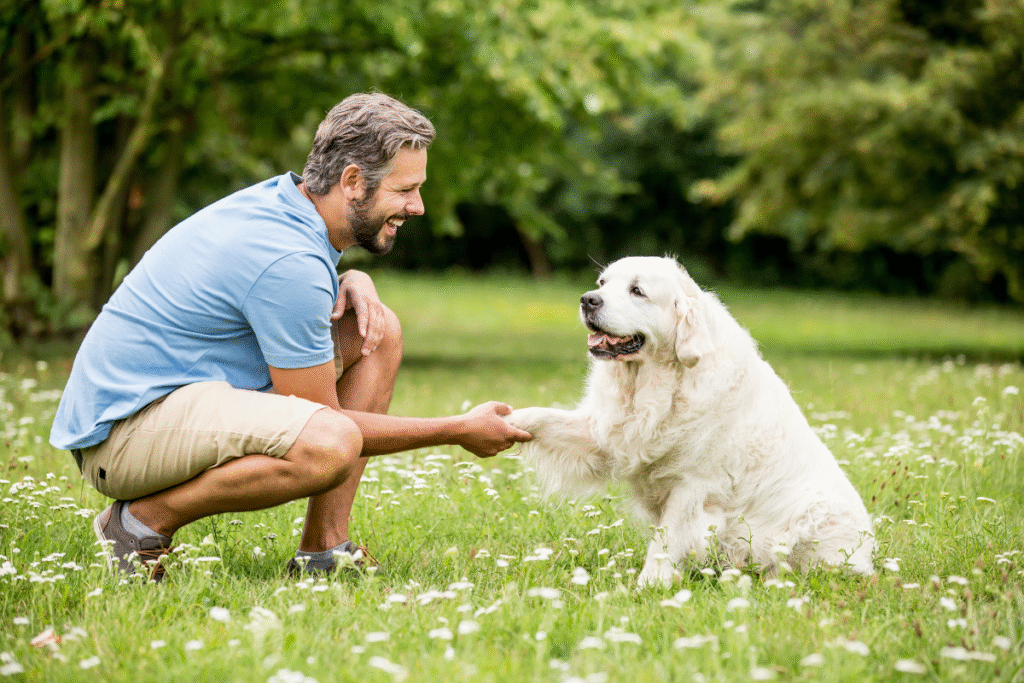
Simple commands like “sit” gain emotional value when paired with consistency and reward. It’s less about control and more about shared understanding. When “sit” is said calmly and rewarded gently, your dog connects the word to success, not stress. That link keeps training positive and the relationship balanced.
Through repetition, this cue becomes one of mutual confidence. The word “sit” may seem basic, but it’s also one of the first moments a dog learns that listening to your voice can lead to good things.
8. Saying “stay” gently reinforces respect and safety.

A soft “stay” said with patience can communicate security better than any shout. When used to help a dog pause before crossing a street or greeting someone new, it becomes a cue of care rather than restriction. The tone you use shapes how they hear it—steady, calm, and protective.
As that word earns meaning, it transforms into a quiet signal that you’re guiding, not controlling. To a dog that trusts you, “stay” doesn’t mean stop—it means “I’ve got you.” And that, in their language, is love made audible.