
A single day is shaking the food story.
World Farm Animals Day arrives each year on October 2, but lately it feels less like a calendar note and more like a public audit. In 2025, as food prices, climate anxiety, and animal welfare headlines collide, the day is pushing uncomfortable questions into ordinary places like lunch lines and grocery aisles. What do we owe the animals that feed us. What do we owe the people who raise them. And what happens when the old system stops looking inevitable.
1. October 2 is turning into a pressure point.
World Farm Animals Day lands on October 2, and that date now functions like a spotlight that refuses to stay polite. It pulls attention toward farmed animals, but it also drags in everything people usually keep separate, climate, antibiotics, worker safety, and the quiet reality of confinement systems. Once the day shows up on feeds, it becomes harder to pretend food is just food.
The most striking part is how intentional the date is, tying animal welfare to a broader moral conversation about nonviolence and empathy, as reported by World Animal Protection. That framing changes the vibe from donate if you want to consider what you are participating in. For many people, it is the first time they connect dinner to a system that has design choices, not destiny.
2. The origin story makes today’s debate sharper.
This observance did not appear because farming suddenly got complicated. It began as a direct challenge to treating animals as invisible units in a supply chain. That matters now because today’s arguments are not only about taste or tradition, they are about how quickly industrial scale became normal, and how little most consumers were told along the way.
The day is commonly described as a memorial for animals killed for food, which sounds dramatic until you realize how rarely society mourns anything it eats. That emotional edge is part of the point, and it explains why discussions flare up every year and do not fully die down afterward. The purpose is explicit, to expose suffering and push reforms, according to Britannica Saving Earth. Once you know the intent, the day stops feeling symbolic and starts feeling political.
3. Policy headlines are feeding the sense of urgency.
In late 2025, major policy signals kept landing around animal welfare and farming practices, giving the day extra traction. When a government announces plans to phase out certain confinement systems, the conversation stops being hypothetical. It becomes about timelines, enforcement, costs, and whether the market can change without collapsing smaller producers.
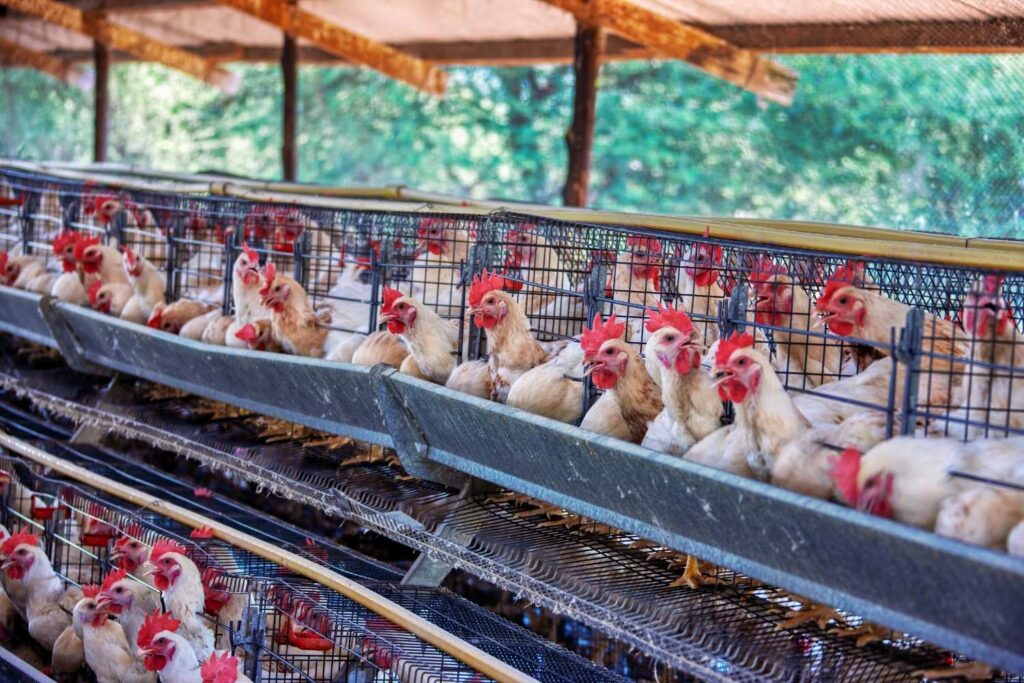
One reason World Farm Animals Day feels louder is that reforms are no longer just advocacy posters. They are consultations, proposed bans, and real legislative fights that ripple into trade and labeling. That creates a new kind of tension, because people can support better welfare while worrying about prices and supply. A recent example is the United Kingdom announcing steps toward banning hen cages and pig farrowing crates in England, as reported by The Guardian. That kind of headline turns a single day into a referendum.
4. Grocery shelves are quietly becoming a moral map.
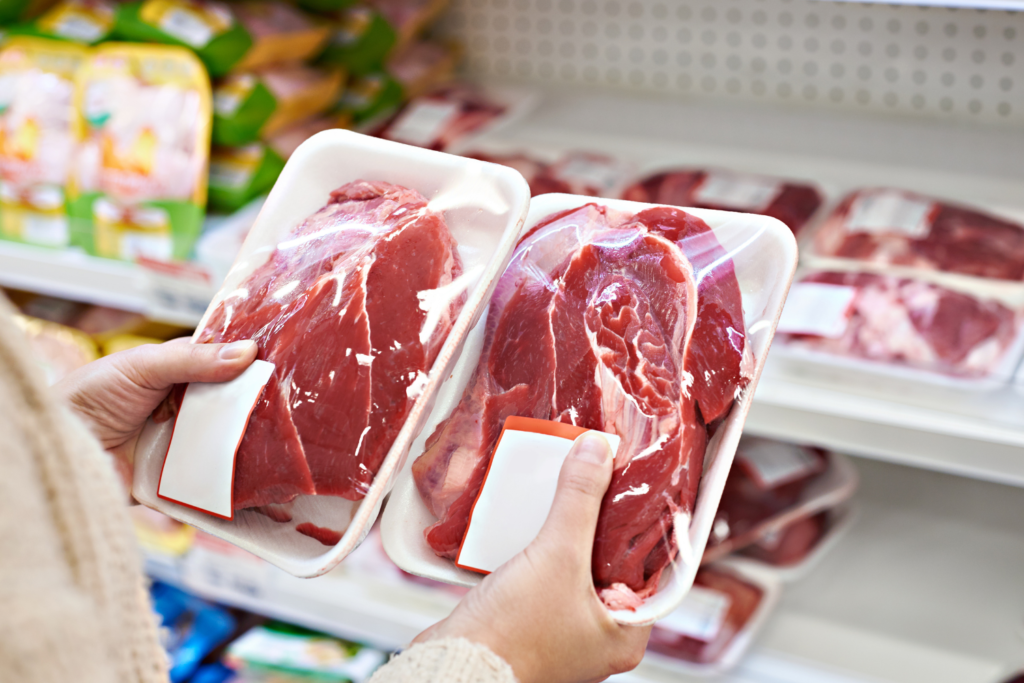
Walk into a supermarket and you can feel the split without anyone saying it out loud. One aisle sells bargain meat in family packs. Another sells pasture raised labels, plant based options, and eggs marketed like a conscience purchase. World Farm Animals Day tends to make that contrast feel less like personal preference and more like a societal fork in the road.
People start asking what the labels mean, whether cage free is truly different, whether organic promises anything about welfare, and why some products disclose so much while others say almost nothing. That scrutiny spreads fast because it is relatable. A person may not read a policy report, but they will notice that two cartons of eggs can differ by several dollars. The day turns that price gap into a question, not just a number, and it lingers long after October 2 passes.
5. Farmers get stuck in the middle of the outrage.
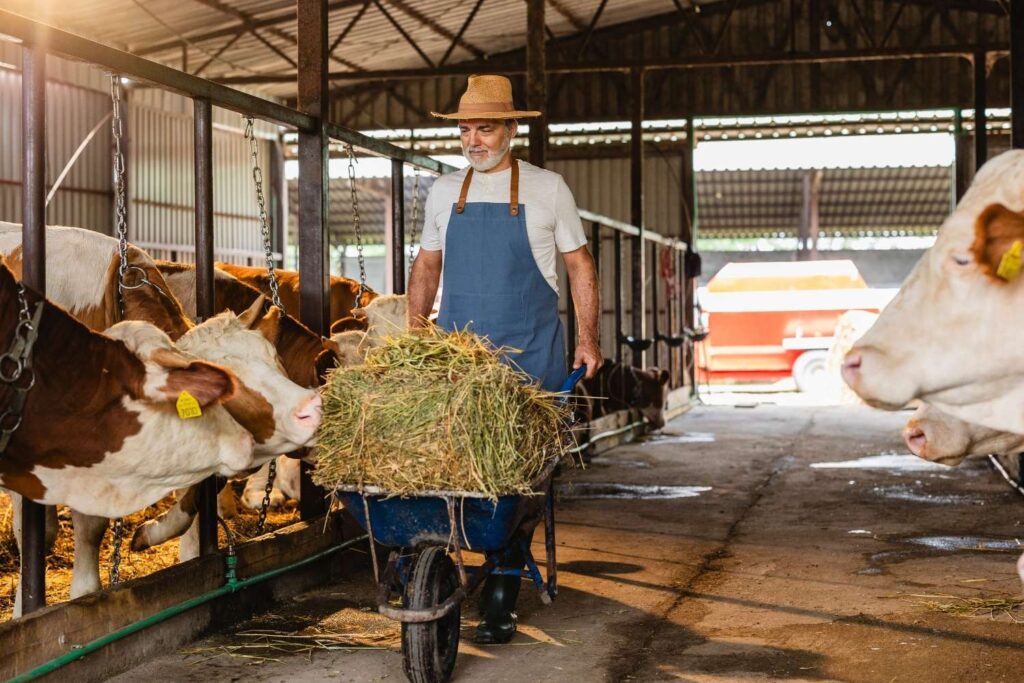
The easiest villain is a faceless corporation, but the reality has boots on the ground. Many farmers operate under contracts, strict specifications, and volatile commodity markets that leave little room for experimentation. World Farm Animals Day can feel unfair to them because public anger often skips over who holds power in the chain.
At the same time, farmers also live with the consequences of the system, debt, mental health strain, injury risk, and pressure to scale up. The reckoning becomes complicated because it is possible to care about animal welfare while also caring about farmer survival. In places like Iowa hog country, the Central Valley dairy corridor, or poultry regions across the Southeast, the choices are not abstract. They are tied to loans, land, and local economies that can be destabilized by fast shifts.
6. Disease outbreaks keep rewriting the ethics argument.
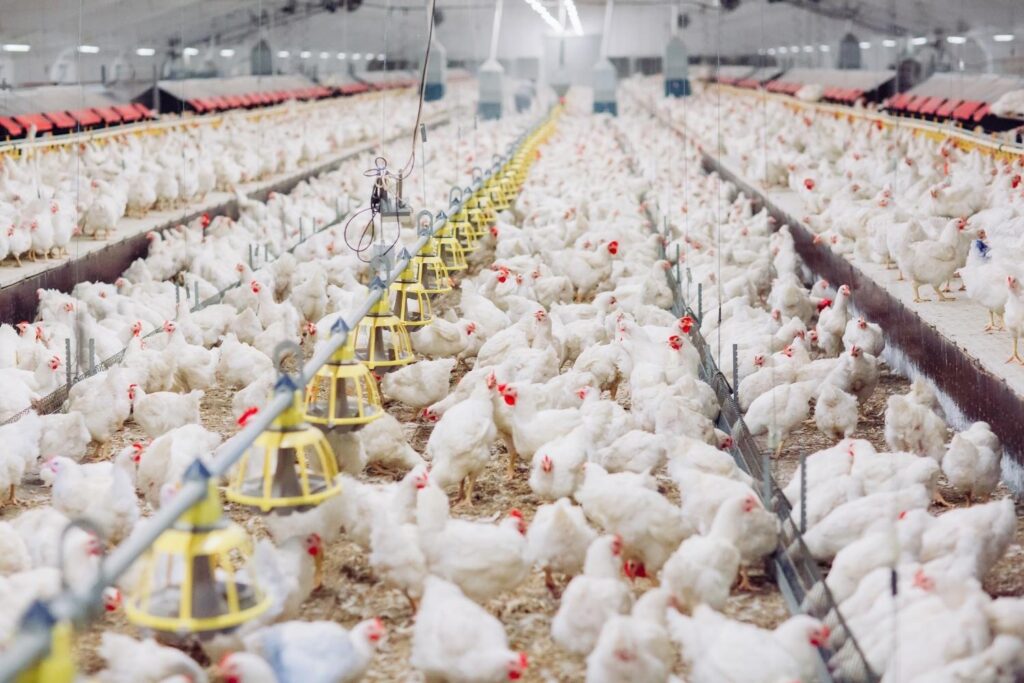
Animal welfare debates used to be framed as cruelty versus tradition. Now biosecurity keeps crashing the conversation. When dense animal housing meets a contagious pathogen, the ethical question suddenly includes public health, worker exposure, and the blunt tool of mass culling. That is not a theoretical risk, it has shown up repeatedly in recent years.
Avian influenza has been one of the clearest examples, hitting poultry flocks across multiple countries and fueling fear about fragility in the food system. The day amplifies those concerns because it highlights how welfare conditions, stress, and crowding can interact with disease dynamics. Even people who avoid moral arguments often respond to vulnerability. If one outbreak can disrupt egg prices nationwide, the system stops looking stable, and stability used to be its main justification.
7. Climate math makes animal agriculture impossible to ignore.
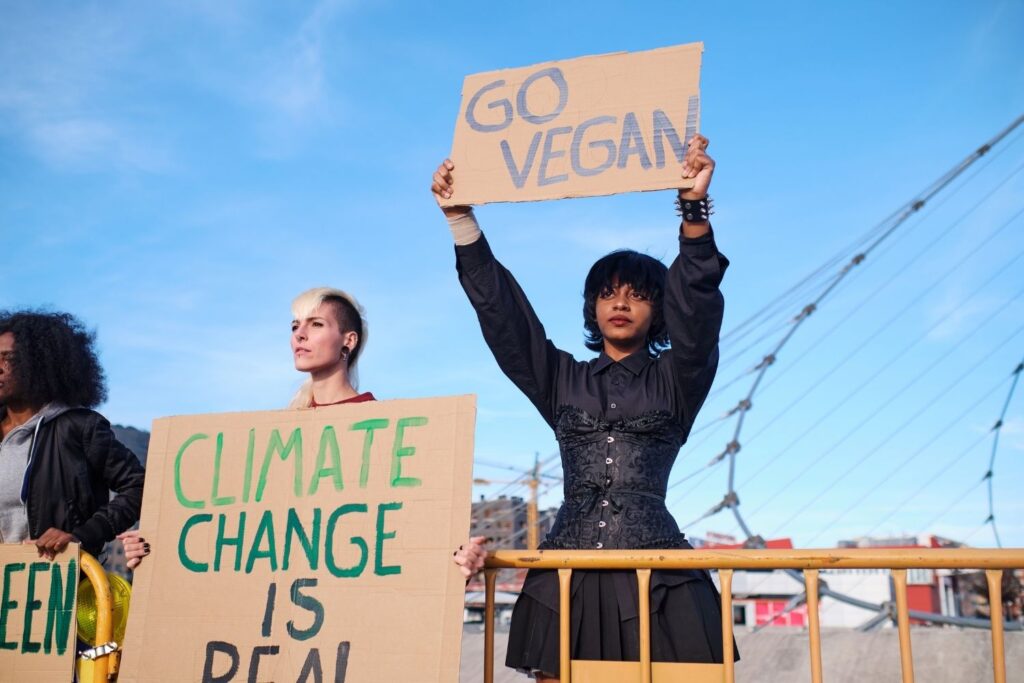
World Farm Animals Day increasingly overlaps with climate conversations, because livestock is tied to methane, manure management, land use, and feed production. Even if someone does not care about animal rights, they may care about heat, drought, or water scarcity. The day acts like a bridge between those audiences, which is part of why it is gaining cultural weight.
The tension is that climate solutions can sound like personal sacrifice, and people resist that instinctively. Yet many climate strategies now include some shift in diets, production methods, or waste reduction. In places already stressed, such as drought prone regions in the American West or flood vulnerable farming zones in parts of Europe, the idea of endless expansion feels less believable. The reckoning is not only ethical, it is physical, and the weather keeps making that point.
8. Antibiotics and resistance keep haunting the discussion.
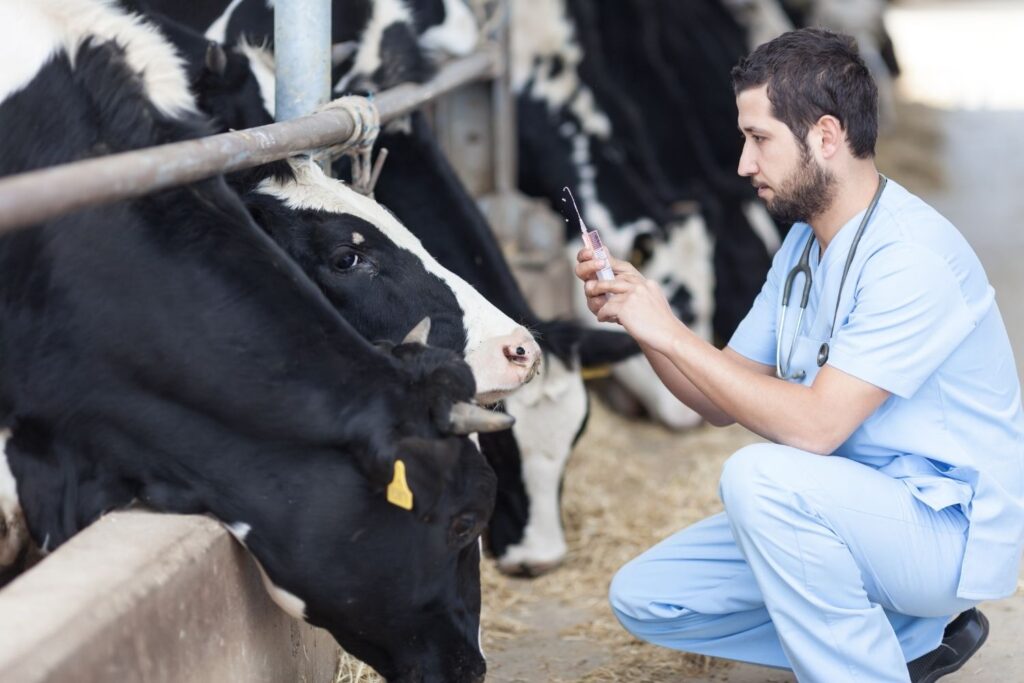
Antibiotic resistance is one of those slow moving threats that feels distant until it is not. World Farm Animals Day pulls it into view because farmed animals have historically been part of the antibiotic story, whether through treatment, prevention, or older practices that encouraged growth. Rules have tightened in many countries, but the public remains uneasy, partly because the details are hard to track.
The uneasy feeling grows when people learn that the same drugs used in human medicine can be connected to agricultural systems. They start asking whether cheap meat has hidden costs that show up later as tougher infections. That question does not require a conspiracy to feel alarming. It only requires awareness that bacteria evolve and that overuse anywhere can affect outcomes everywhere. The day gives people a reason to connect personal health to farming practices in a way that sticks.
9. Technology is offering fixes and raising new worries.
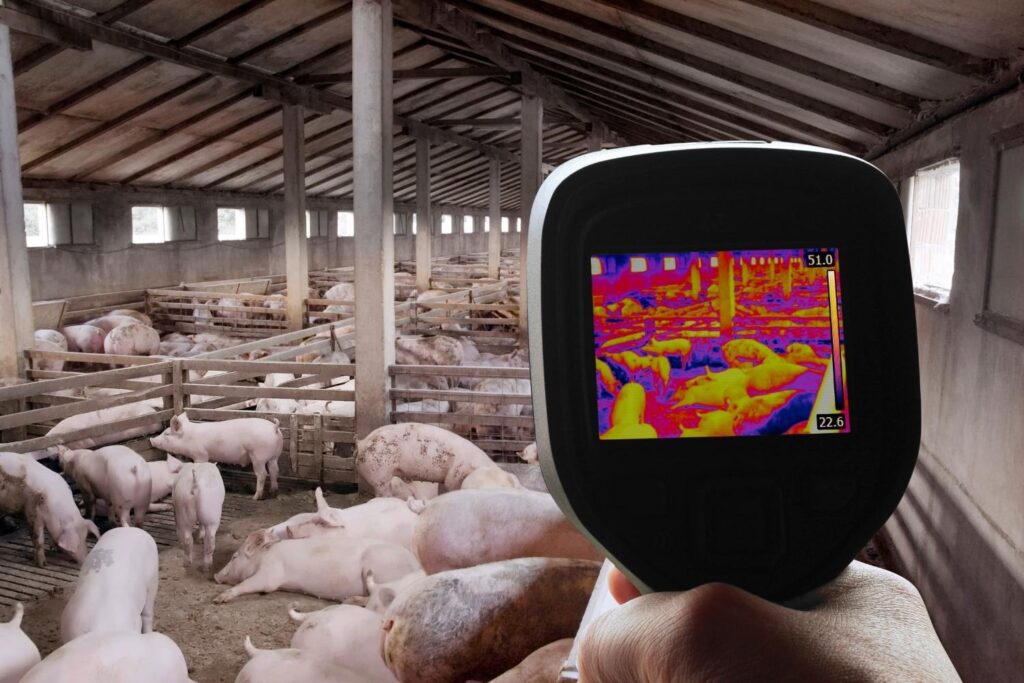
On the hopeful side, farming technology is changing fast. Sensors can track animal behavior, ventilation, temperature, and health signals earlier than a human eye can. Some farms use precision feeding to reduce waste, and some are experimenting with manure management systems that cut emissions. These are real developments, and they can improve welfare when deployed with the right incentives.
The darker side is that technology can also become a cosmetic layer, a way to optimize confinement rather than replace it. A barn can be perfectly monitored and still fundamentally restrictive. World Farm Animals Day tends to make people suspicious of solutions that sound sleek but avoid the core ethical issue. If the goal is to reduce suffering, the question becomes what the animal experiences, not how efficiently the farm operates. That is where the debate is headed, toward lived conditions, not just output.
10. The next battle is over transparency itself.
The loudest fights are increasingly about information. People want clearer labels, clearer auditing, and clearer standards that are not just marketing language. They want to know what terms like humane, free range, pasture raised, or regenerative actually mean in practice, and who verifies them. That demand is growing because trust is eroding, and once trust slips, every claim feels slippery.
World Farm Animals Day accelerates this shift by turning private curiosity into public pressure. It is no longer only activists asking for change. It is parents asking schools about sourcing, shoppers scanning QR codes, and investors asking companies to disclose welfare metrics. The reckoning may not end in a single consumer choice. It may end in a new expectation that food systems explain themselves, in plain language, before people accept them as normal again.