
Signals once debated are now appearing simultaneously.

For years, climate tipping points were treated as abstract thresholds that might matter someday. That distance is shrinking fast. Multiple Earth systems are now showing stress at the same time, measured not in models but in real world loss. Ice is thinning, oceans are warming, and ecosystems are losing their ability to recover between shocks. Scientists tracking these signals warn the danger lies in overlap. When several systems weaken together, consequences accelerate beyond human timelines. The uncertainty now is not if limits exist, but how close we are to crossing them.
1. Ice sheets are losing structural stability faster.

Satellite measurements reveal polar ice behaving less like a stable mass and more like a system under strain. Seasonal melt is no longer the main concern. Deep thinning and retreat are accelerating beneath the surface, especially where ice meets warmer ocean water. Scientists warn that once certain thresholds are crossed, regrowth becomes effectively impossible within centuries.
A 2025 state of the climate assessment documents record low ice mass in Greenland and Antarctica, according to the World Meteorological Organization. The report concludes portions of both ice sheets may already be crossing tipping points, committing the planet to long term sea level rise regardless of near term emissions trends.
2. Coral reefs appear closest to a global threshold.
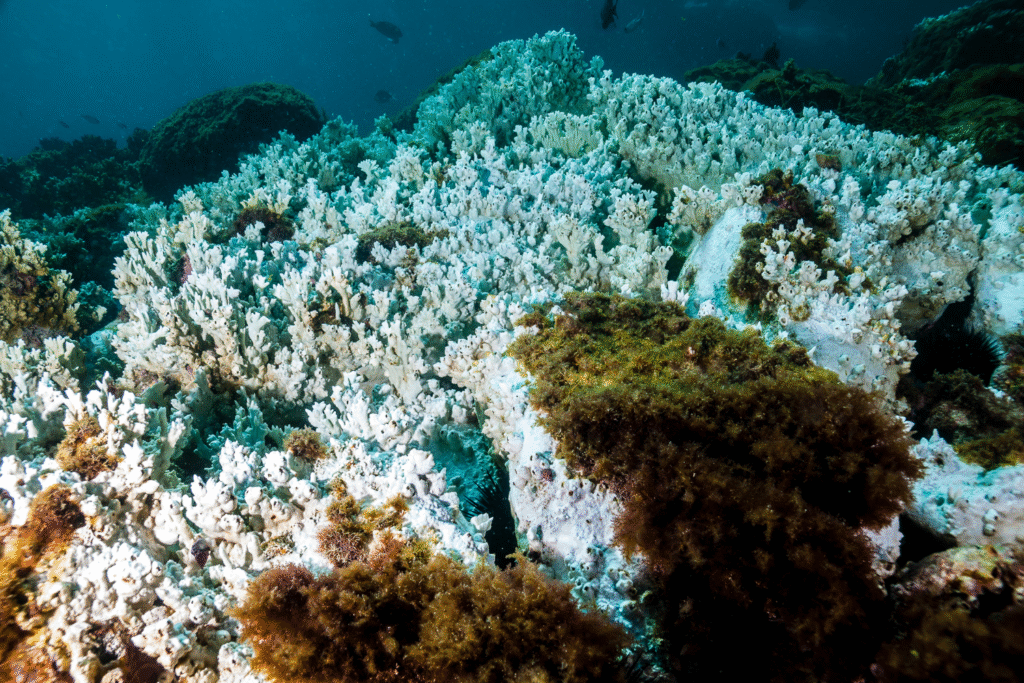
Coral reefs support fisheries, coastlines, and entire marine food webs, yet their tolerance range is narrow. Repeated heat stress events are now arriving faster than reefs can recover. Bleaching is no longer an anomaly but an expected condition during warm years. Each event weakens resilience for the next.
Global tipping point analyses identify widespread coral reef collapse as the earliest major Earth system threshold likely to be crossed, as reported by Nature Climate Change. Scientists warn this loss would ripple quickly through food security and coastal protection long before slower climate impacts become visible on land.
3. Permafrost thaw threatens runaway carbon release.
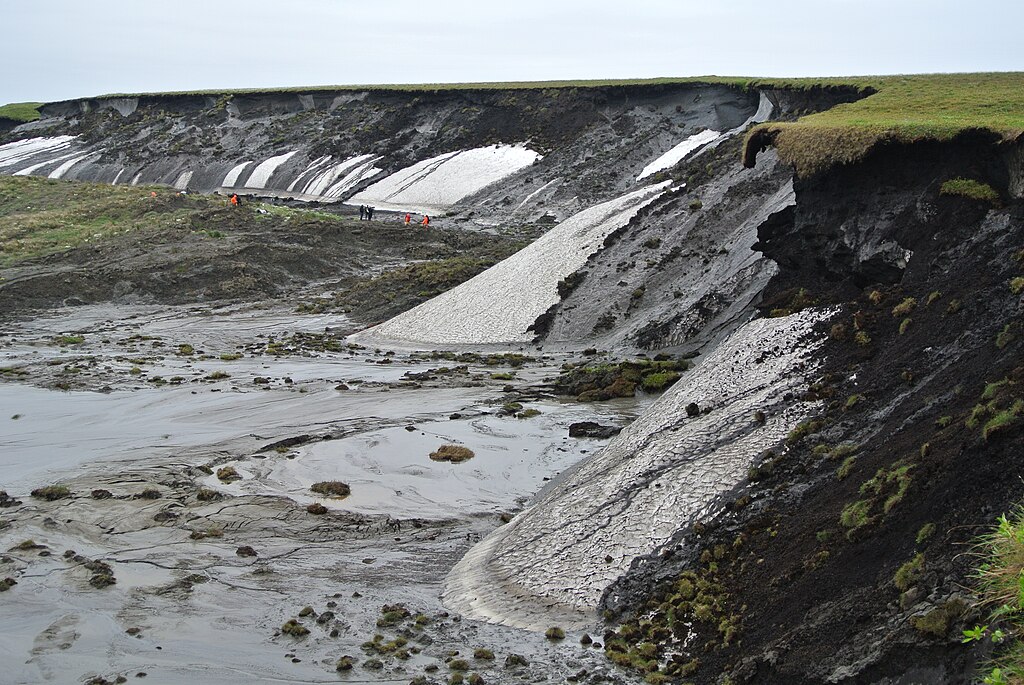
Frozen soils across the Arctic store enormous quantities of carbon accumulated over millennia. As warming penetrates deeper layers, microbes awaken and release greenhouse gases that amplify heating. This feedback loop alarms researchers because it reduces human control over future climate outcomes.
Climate risk assessments increasingly highlight permafrost regions as potential tipping elements, as stated by the Intergovernmental Panel on Climate Change. The danger lies not in sudden collapse, but in sustained emissions that lock in additional warming long after fossil fuel use declines.
4. Ocean circulation systems are showing early weakening.

Major ocean currents distribute heat and regulate weather patterns across continents. Even modest slowdowns can alter rainfall, storm tracks, and temperature extremes far from their source. Monitoring data now suggests subtle but persistent changes underway.
Scientists caution that shifts in circulation could destabilize climate systems relied upon by agriculture and water supplies. These changes may unfold gradually, but once thresholds are crossed, restoring former patterns may be impossible within human planning horizons.
5. Forest ecosystems are losing recovery capacity.
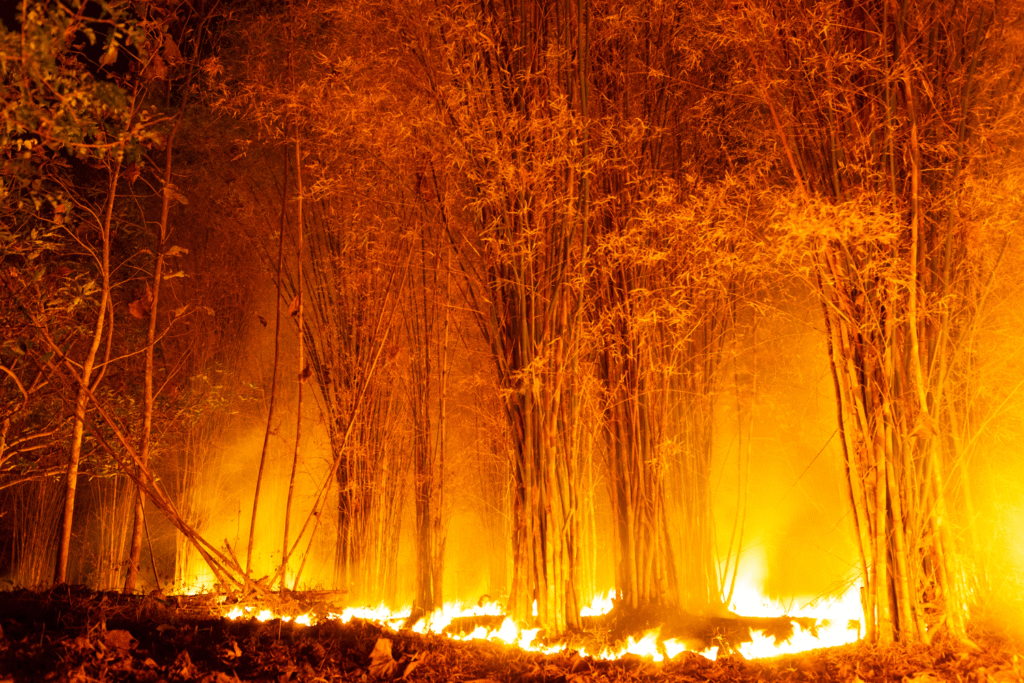
Forests once buffered climate change by absorbing carbon and stabilizing local climates. Increasing heat, drought, pests, and fires are now striking faster than forests can regenerate. Disturbances are stacking, leaving less time for recovery between shocks.
Researchers warn that major forest regions risk transitioning from carbon sinks to carbon sources. Such a shift would amplify warming globally, increasing the likelihood that other climate tipping points are triggered in rapid succession.
6. Mountain glaciers are entering irreversible decline phases.
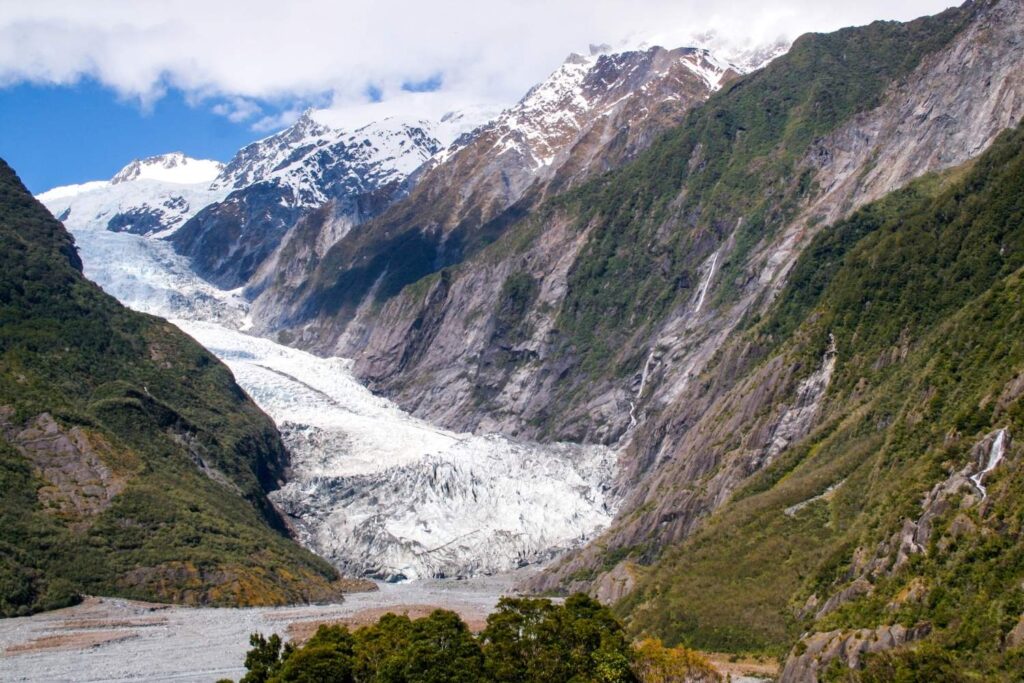
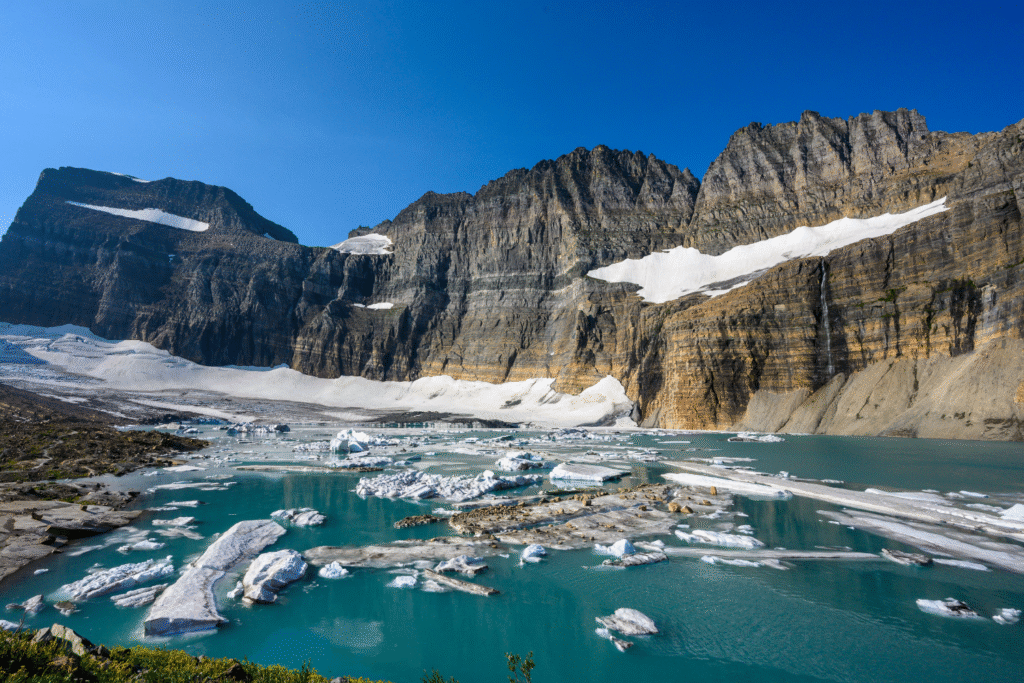
Glaciers respond slowly, which makes their collapse easy to underestimate. What looks like steady melt often hides a threshold beyond which ice loss accelerates and recovery becomes impossible. Many glaciers have already passed the point where winter snowfall can replace summer loss. Communities downstream are beginning to notice instability long before the ice disappears entirely.
As glaciers thin, rivers surge briefly, then decline as long term storage vanishes. This shift threatens water supplies for agriculture, cities, and hydropower across Asia, South America, and Europe. Once glacier mass drops below critical limits, cooling temperatures would not restore them, locking in permanent hydrological change.
7. Heat extremes are testing human adaptation thresholds.
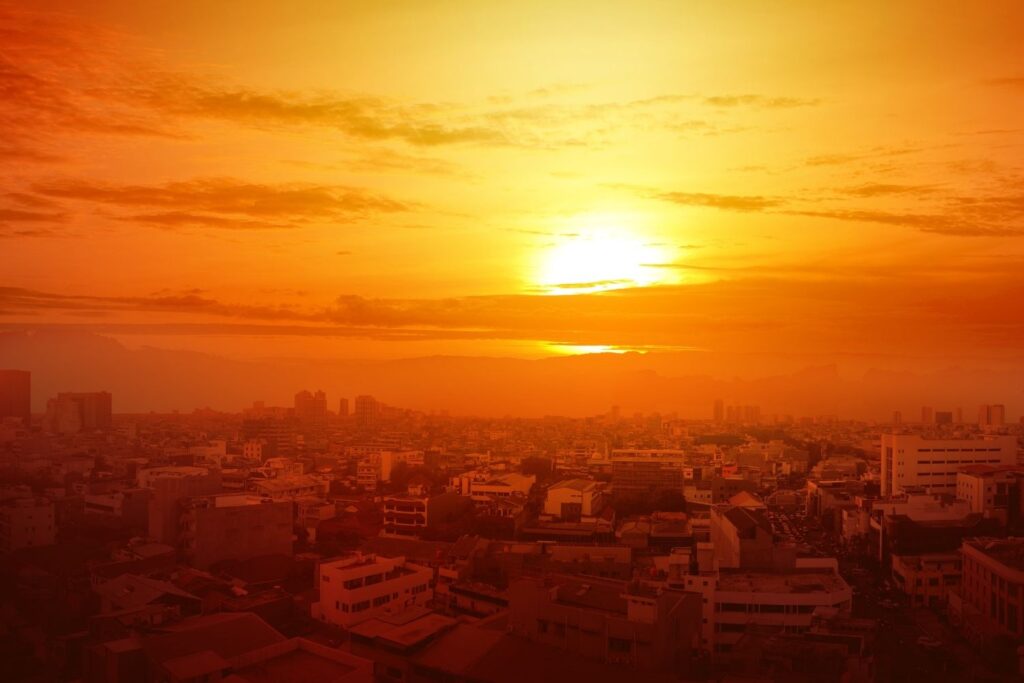
Climate tipping points do not stop at ecosystems. Human systems also have limits, and extreme heat is exposing them. Infrastructure, labor patterns, and public health systems were designed for past climates. As heat waves intensify and lengthen, those assumptions are failing in real time.
Rising temperatures reduce worker productivity, strain electrical grids, and increase heat related illness. Adaptation measures help temporarily, but repeated extremes erode resilience. When heat exceeds physiological or infrastructural limits, societies face cascading failures that mirror ecological tipping behavior.
8. Sea level rise forces permanent coastal transformation.
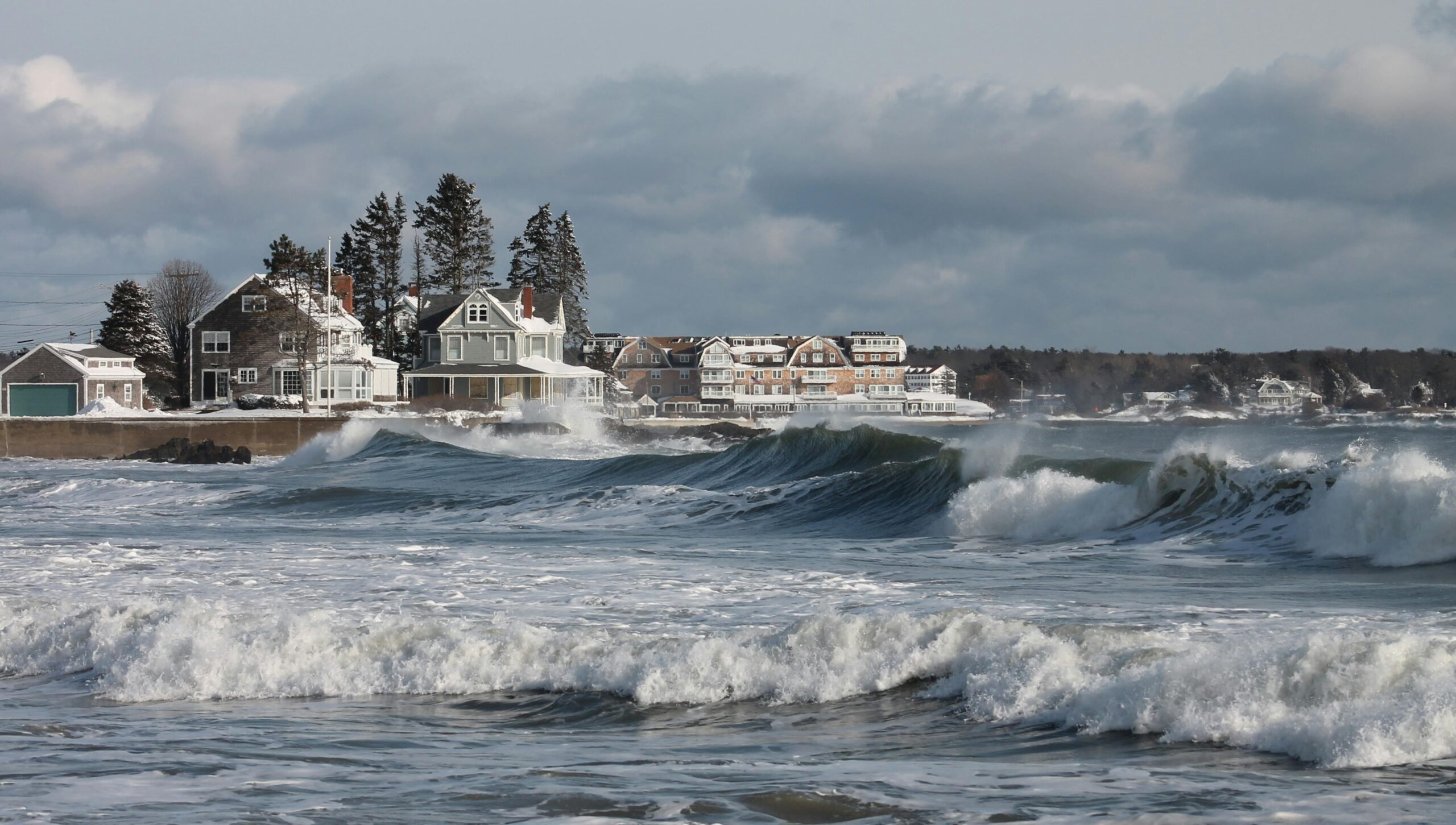
Sea level rise often appears incremental, but its impacts are not. Once saltwater infiltrates soils and aquifers, recovery becomes unlikely even if seas stabilize. Protective barriers delay damage but cannot reverse chemical and ecological change beneath the surface.
Coastal regions are approaching thresholds where habitation becomes economically or physically untenable. As flooding frequency increases, communities face choices between repeated rebuilding and managed retreat. Each delay narrows options, turning future projections into present day consequences.
9. Climate systems are interacting more unpredictably.
Individual tipping points rarely operate alone. Ice loss alters ocean circulation, which shifts rainfall, which stresses forests and agriculture. These interactions magnify uncertainty and accelerate change beyond linear expectations. Scientists worry that combined effects are harder to detect until momentum builds.
As systems destabilize together, surprises become more likely. Models struggle to capture compound interactions, meaning real world changes may outpace forecasts. This interconnectedness raises the risk that crossing one threshold increases pressure on several others simultaneously.
10. Emission timelines no longer match climate responses.
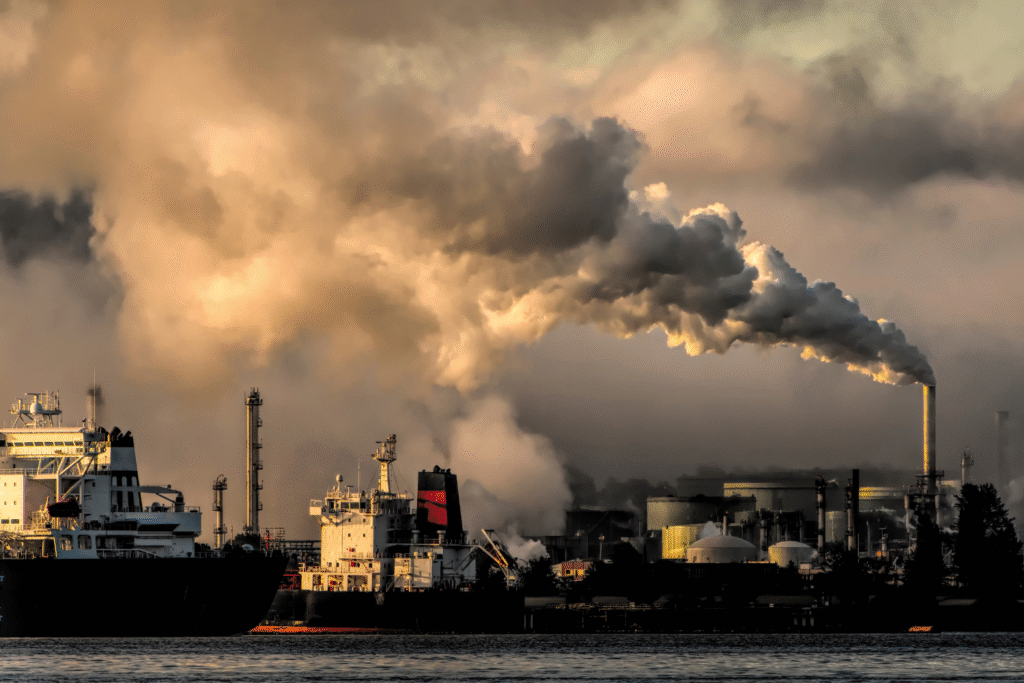
Greenhouse gases persist in the atmosphere long after release, creating delays between action and outcome. Many impacts unfolding now reflect emissions from decades past. This lag fosters complacency, masking how close systems are to irreversible change.
Scientists warn that reducing emissions later cannot undo thresholds crossed earlier. Decisions made this decade shape climate behavior for generations, compressing the window where prevention remains possible rather than purely adaptive.
11. Cascading tipping points are becoming the central risk.

The most dangerous aspect of tipping points is not collapse itself, but loss of control. Once feedback loops dominate, human intervention loses effectiveness. That shift transforms climate change from a managed problem into a self sustaining process.
Researchers increasingly frame climate risk as a race to prevent chain reactions. Avoiding the first domino may determine whether multiple systems destabilize together. As signals accumulate across Earth systems, the margin for error continues to shrink.