
Experience matters more than affection alone.

First time dog ownership often begins with good intentions and a friendly face. What many people discover later is that some breeds demand far more structure, time, and emotional steadiness than beginners expect. Veterinarians and trainers across the United States see the same pattern repeat in clinics and shelters. Dogs are surrendered not for bad behavior, but for mismatched expectations. These breeds are not bad dogs. They are simply demanding in ways that surprise new owners quickly.
1. Siberian Huskies overwhelm homes without strict routines.

Siberian Huskies were bred to run long distances in harsh Arctic conditions. That history shows up daily in suburban homes. They need intense exercise, mental challenges, and firm boundaries. Without structure, they become destructive, vocal, and escape driven.
Veterinary behavior assessments consistently link Huskies to high surrender rates among novice owners, according to the American Kennel Club. First time owners often underestimate their independence and stamina, leading to frustration when basic obedience does not come easily.
2. Belgian Malinois require advanced training commitment.
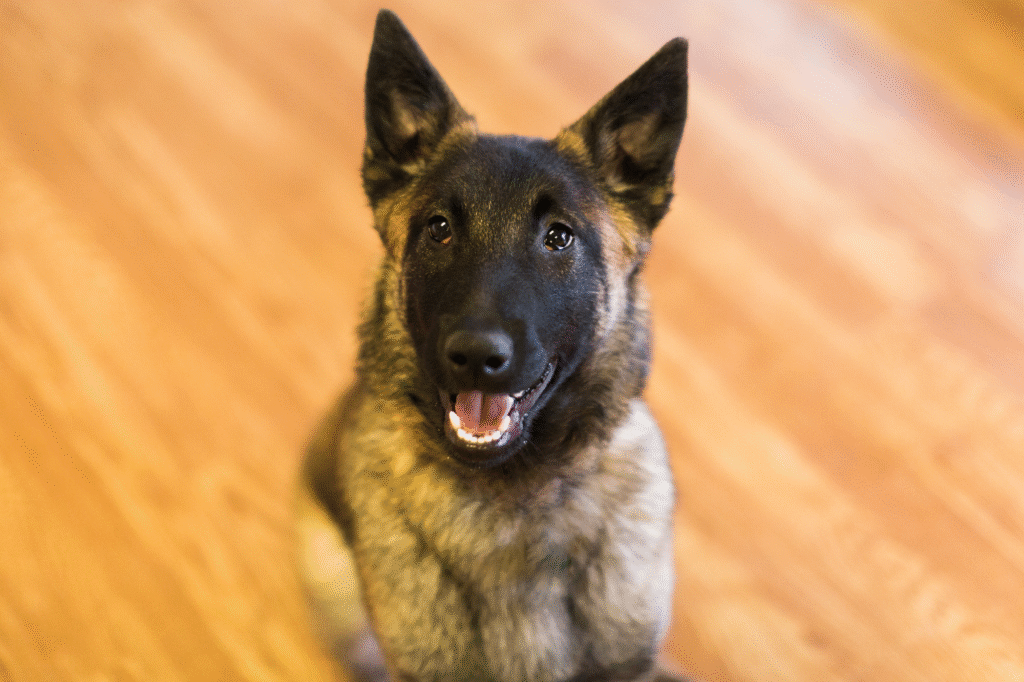
Belgian Malinois are elite working dogs used by police and military units. Their intelligence and drive are unmatched, but that intensity overwhelms beginners. They need daily training, purposeful work, and precise handling to stay balanced.
Behavioral studies show Malinois display stress related behaviors when under stimulated, as reported by the Journal of Veterinary Behavior. First time owners often confuse intelligence with ease. In reality, this breed magnifies mistakes quickly, creating anxiety and reactivity in inexperienced homes.
3. Akitas challenge leadership and social understanding.
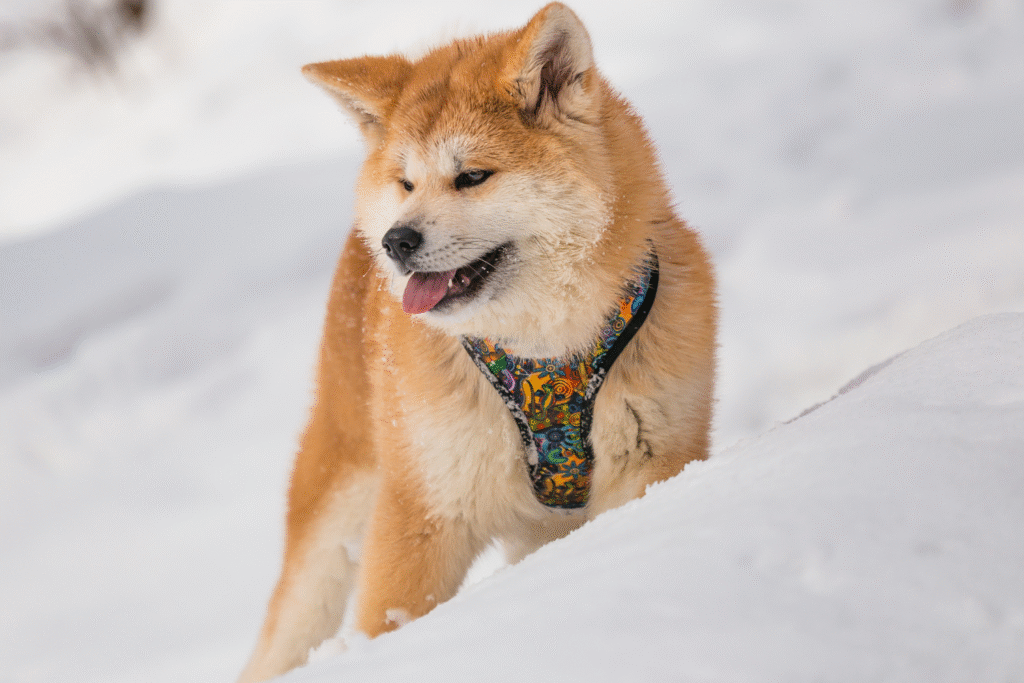
Akitas are powerful, confident, and deeply loyal to their families. They are also naturally reserved with strangers and other dogs. This requires calm, consistent leadership from day one.
Veterinary temperament evaluations show Akitas thrive under experienced handlers who understand canine boundaries, according to the American Veterinary Society of Animal Behavior. New owners may misread early warning signals. Without proper guidance, small misunderstandings can escalate into serious behavioral issues over time.
4. Chow Chows demand early social confidence.

Chow Chows appear calm and plush, but they are naturally aloof and self directed. They do not seek constant approval and may resist training if trust is not established early.
First time owners often expect eagerness to please. Instead, they encounter stubbornness and sensitivity. Without early social exposure and confident handling, Chows can become withdrawn or defensive, making everyday interactions with visitors or veterinarians more stressful than expected.
5. Border Collies suffer without mental outlets.

Border Collies are brilliant problem solvers bred for nonstop decision making. In homes without structured work, that intelligence turns inward. They invent jobs, often involving herding children, cars, or shadows.
New owners frequently provide physical exercise but miss mental stimulation. Over time, anxiety, compulsive behaviors, and frustration appear. This breed thrives with experienced handlers who enjoy constant engagement and training challenges rather than casual companionship alone.
6. Cane Corsos require firm and knowledgeable guidance.
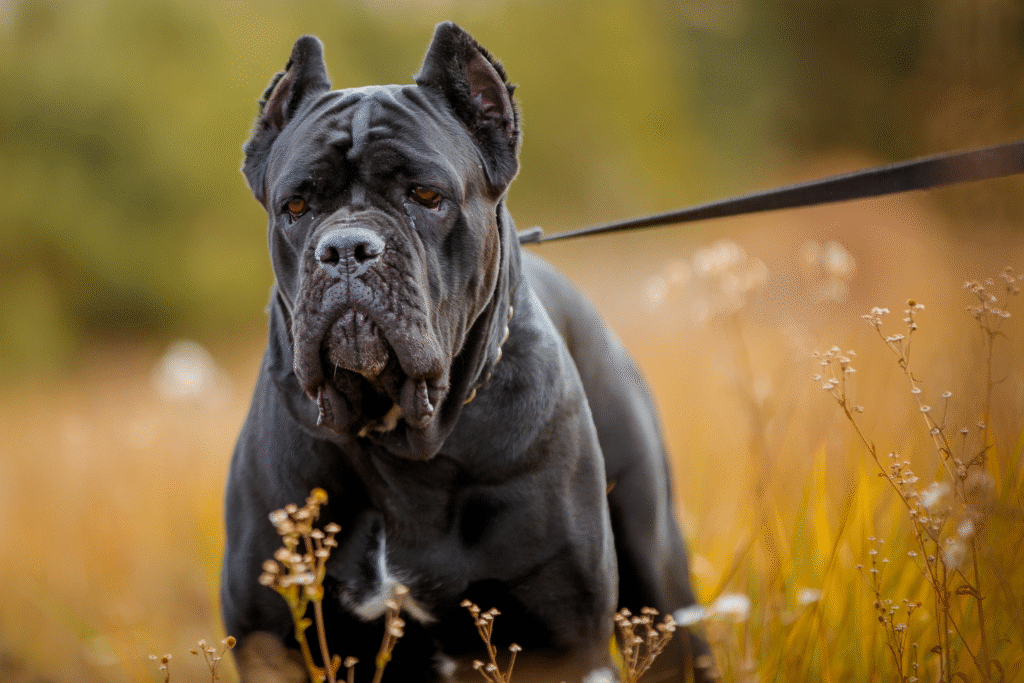
Cane Corsos are large guardian breeds with strong protective instincts. They mature into powerful dogs who need confident leadership and clear rules.
First time owners may unintentionally reinforce guarding behaviors through inconsistent handling. Without proper socialization and structure, these dogs can become overly suspicious. Managing a one hundred pound dog with unclear boundaries becomes overwhelming fast, especially for owners still learning basic canine communication.
7. Jack Russell Terriers exhaust inexperienced households.

Jack Russell Terriers pack enormous energy into a small frame. They are bold, fast, and relentless explorers. Without constant engagement, they become noisy and destructive.
First time owners often choose them for size alone. What surprises them is the breed’s intensity and independence. Training requires patience and creativity. Without it, frustration builds on both sides, often ending with rehoming despite good intentions.
8. Weimaraners struggle with separation and structure.
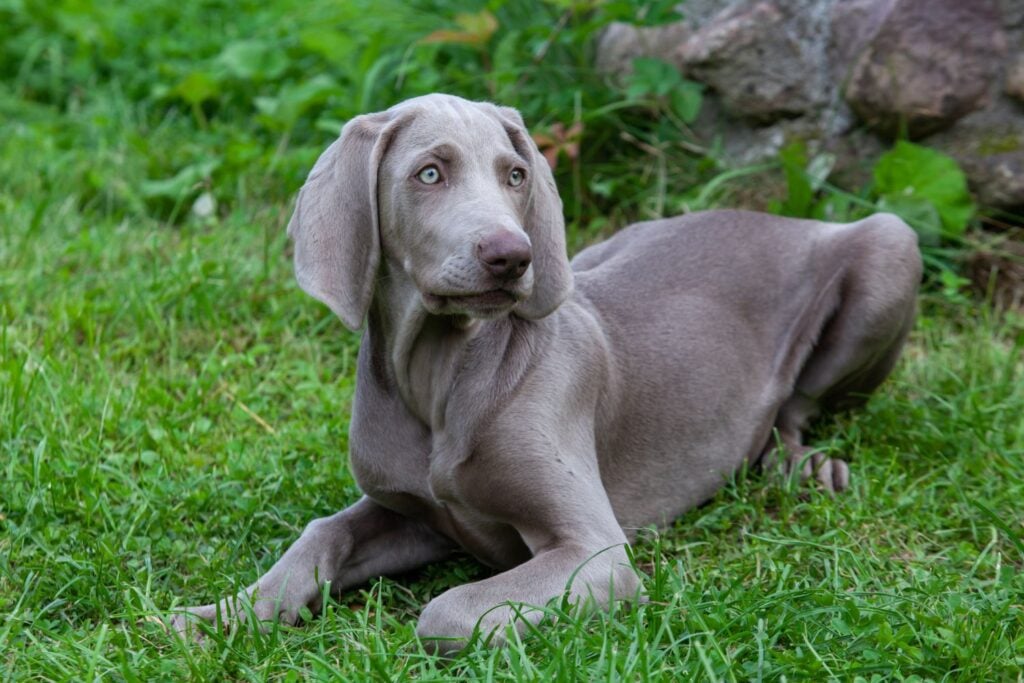
Weimaraners form strong attachments to their people and do poorly when left alone. They need consistent routines and calm departures to avoid anxiety.
New owners may not anticipate how emotionally dependent this breed can be. When structure breaks down, destructive behavior and vocal distress follow. Managing separation anxiety requires experience and planning, making this breed challenging for households still learning canine emotional needs.
9. Dalmatians need experienced behavioral management.

Dalmatians are athletic, sensitive, and easily overstimulated. They require early socialization and steady training to avoid nervous behaviors.
First time owners sometimes misinterpret sensitivity as stubbornness. Inconsistent handling can lead to fear responses or reactivity. Their energy level also demands regular outlets. Without experienced guidance, behavioral challenges often emerge before owners realize what is happening.
10. Shiba Inus resist traditional obedience approaches.

Shiba Inus are intelligent and independent thinkers. They do not respond well to force or repetition. Training requires subtlety and patience.
New owners expecting compliance often become frustrated. This mismatch leads to strained relationships. Without understanding breed specific motivation, recall and leash manners remain unreliable. The result is a dog that feels unmanageable despite being healthy and intelligent.
11. Great Danes outgrow novice expectations quickly.

Great Danes grow rapidly into massive dogs with gentle temperaments. Their size alone creates management challenges that beginners often underestimate.
Early training is essential because correcting behaviors later becomes physically difficult. First time owners may struggle with leash control, space needs, and medical costs. Mistakes made early are amplified once the dog reaches full size.
12. Australian Shepherds demand constant engagement.

Australian Shepherds are energetic, observant, and emotionally attuned to their owners. They notice everything and react quickly to change.
Without consistent activity and mental stimulation, they develop anxiety and attention seeking behaviors. First time owners often underestimate the commitment required. This breed thrives with experienced handlers who enjoy training, structure, and daily involvement rather than a relaxed companion role.