
A hidden force beneath the park keeps rising.
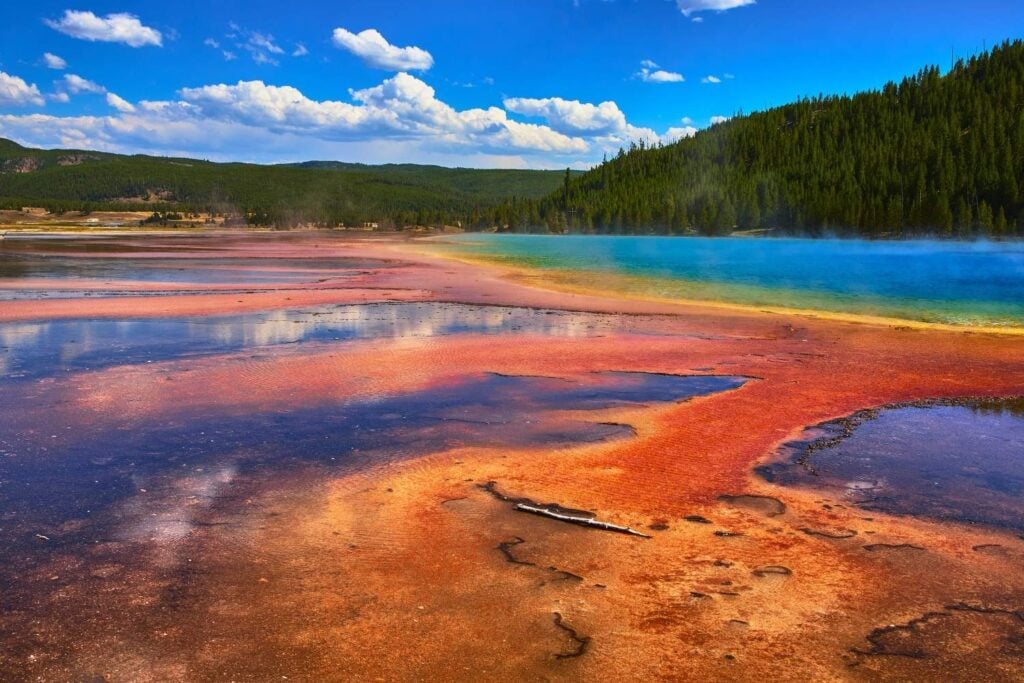
Yellowstone’s landscape looks calm, but instruments beneath its forests tell a different story. Over recent years, parts of the park have been rising steadily, bending roads, shifting geyser basins, and alarming scientists watching from afar. The movement is slow, measured in inches, yet the scale is enormous, covering an area comparable to a major American city. Researchers know the ground is lifting, but what exactly is pushing upward remains uncertain. The stakes are high, because Yellowstone’s past proves that small changes underground can precede dramatic surface consequences.
1. Scientists detected broad uplift across Yellowstone’s central basin.
Sensitive GPS stations scattered across the park began recording upward motion that could not be dismissed as seasonal change. Measurements showed several inches of uplift over a wide area, not a localized bump. The size and persistence raised immediate concern among geologists tracking volcanic systems.
The uplift spans tens of miles beneath Yellowstone’s central caldera, according to the United States Geological Survey. Scientists emphasize that uplift alone does not signal an eruption, but it does indicate pressure changes below. Understanding what drives this motion matters because similar swelling preceded unrest episodes in the past.
2. Satellite data revealed movement on an unusually large scale.
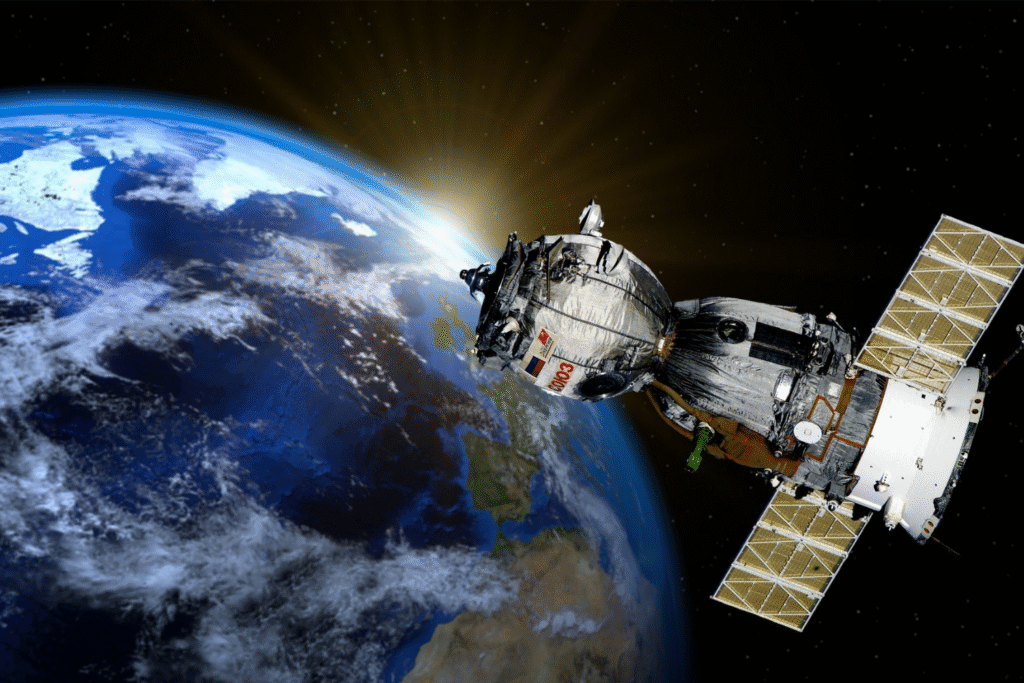
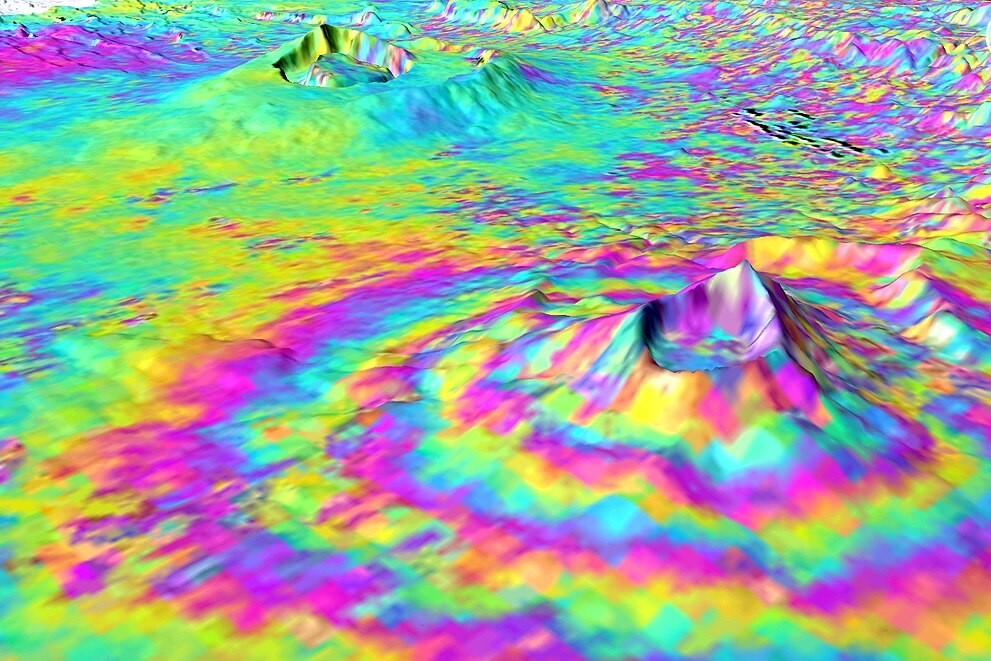
Ground instruments alone could not capture the full picture. Satellite radar imagery showed deformation stretching across an area roughly the size of Chicago, far larger than earlier episodes. The sheer footprint suggested a deep and powerful source.
These satellite observations were confirmed through interferometric analysis, as reported by NASA Earth Observatory. Researchers note that such broad uplift points toward magma or pressurized fluids accumulating at depth. While the movement is gradual, its extent distinguishes it from smaller, routine geothermal fluctuations.
3. Magma intrusion remains a leading explanation for uplift.
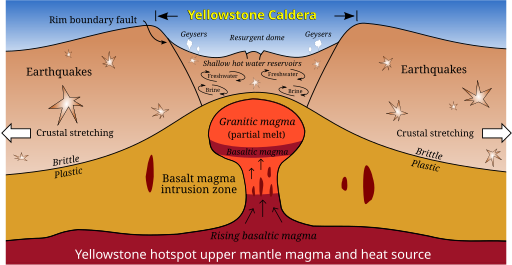
Yellowstone sits atop one of the world’s largest volcanic systems, making magma movement an obvious suspect. Rising molten rock can push overlying crust upward long before any eruption occurs. The challenge lies in proving magma is involved rather than hot water.
Geophysical modeling suggests magma is intruding several miles below the surface, as stated by the Yellowstone Volcano Observatory. Scientists caution that magma movement does not guarantee eruption. Still, its presence would explain the scale and persistence of the uplift better than shallow hydrothermal processes alone.
4. Pressurized fluids could also be forcing the ground upward.
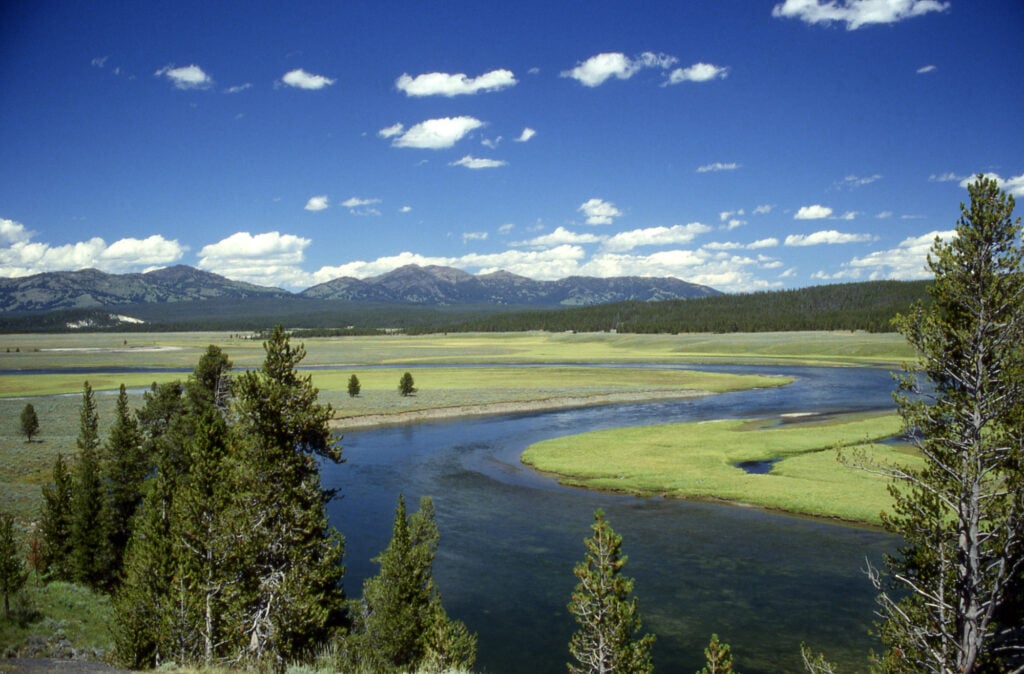
Yellowstone’s underground plumbing is saturated with superheated water and steam. When these fluids become trapped, pressure can build rapidly. That pressure has enough force to lift the ground without molten rock moving closer to the surface.
Hydrothermal fluids can migrate through fractures and collect beneath impermeable layers. Over time, this creates a slow upward push. Scientists remain uncertain how much of the current uplift comes from fluids versus magma, complicating hazard assessments across the park.
5. The uplift is not occurring evenly across Yellowstone.

Some regions are rising faster than others, creating subtle tilts across the landscape. Roads, boardwalks, and geyser basins shift almost imperceptibly year to year. These uneven movements hint at complex underground structures.
Variable uplift suggests multiple pressure sources interacting beneath the surface. Magma pockets, fluid reservoirs, and fractured rock layers all respond differently. Mapping these variations helps scientists narrow down where stress is accumulating and how it might evolve over time.
6. Past uplift episodes did not lead to eruptions.
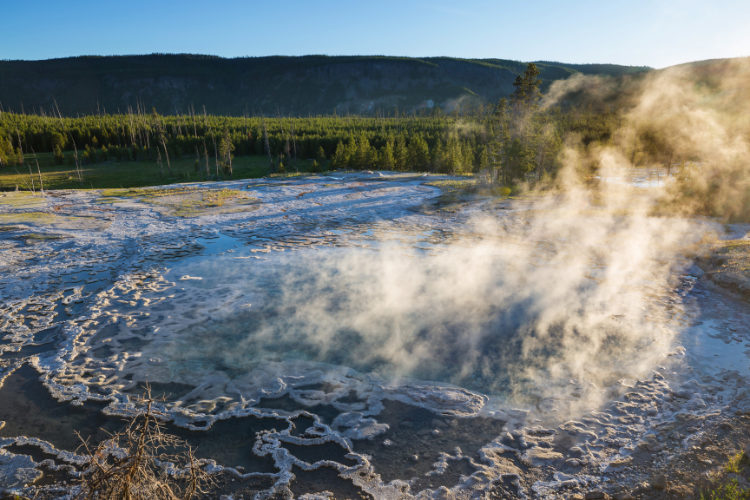
Yellowstone has experienced cycles of uplift and subsidence for decades. In some periods, the ground rose several inches, only to sink again later. None of those episodes resulted in volcanic explosions.
This history tempers public fear but does not eliminate scientific concern. Each uplift event has unique characteristics. Comparing current patterns to past behavior helps researchers assess risk, but it cannot fully predict future outcomes in such a complex volcanic system.
7. Earthquake swarms often accompany the rising ground.

As pressure builds underground, rock fractures adjust, producing clusters of small earthquakes. These swarms are common at Yellowstone and often coincide with uplift phases. Most are too small to be felt.
The quakes provide valuable clues about stress redistribution below the surface. Their depth, frequency, and location help scientists track fluid and magma movement. While unsettling, these swarms are part of the park’s ongoing geological unrest.
8. Heat flow measurements suggest energy is increasing below.
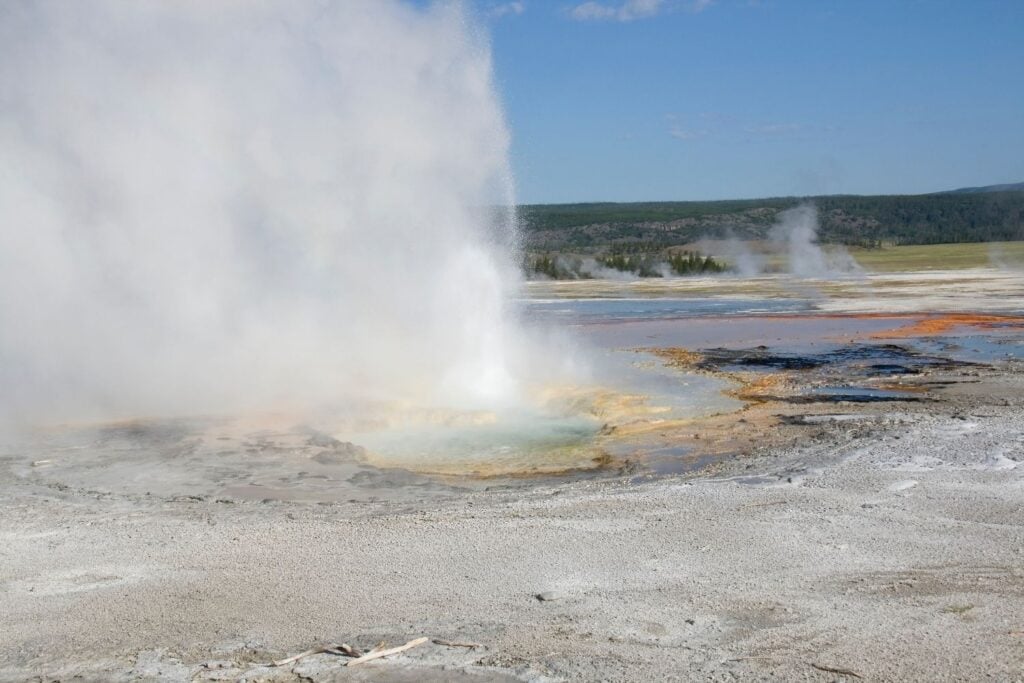
In areas experiencing uplift, scientists often observe changes in heat flow. Hotter ground temperatures can indicate rising magma or shifting hydrothermal circulation. Yellowstone’s thermal features respond quickly to these changes.
Monitoring heat output helps distinguish between fluid driven and magma driven uplift. Subtle temperature shifts across geyser basins and fumaroles may reveal where pressure is concentrating. These signals develop slowly, demanding long term observation.
9. The uplift affects ecosystems and infrastructure alike.
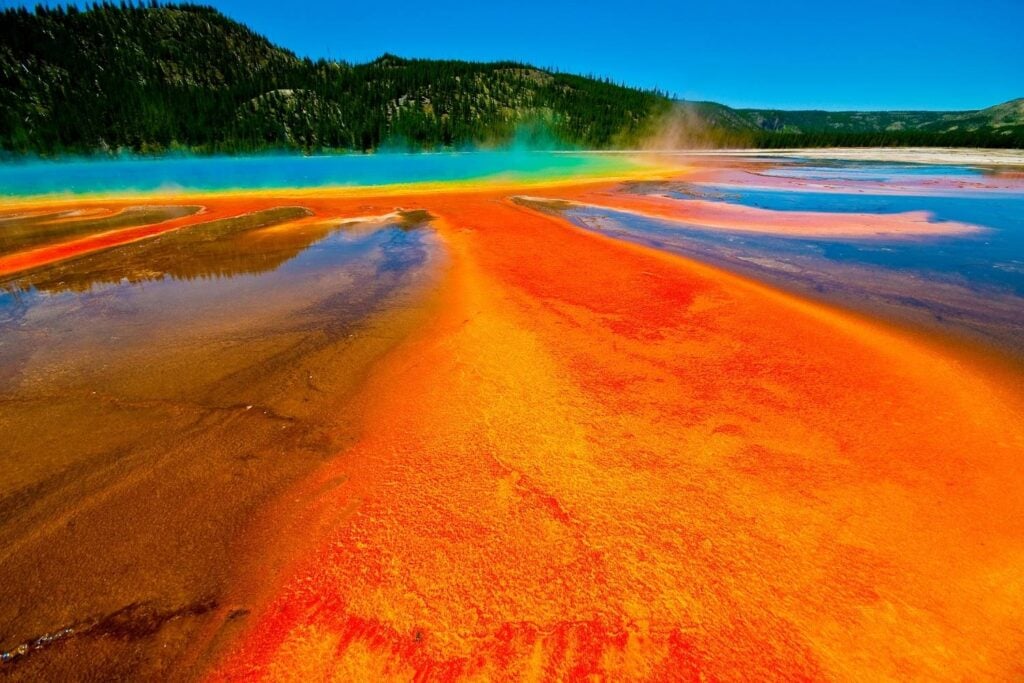
Even small vertical changes can alter drainage patterns, soil moisture, and plant communities. Wetlands may dry out while new pools form elsewhere. Wildlife responds to these shifting conditions.
Human infrastructure is also impacted. Roads crack, boardwalks warp, and maintenance costs rise. While not immediately dangerous, these changes demonstrate how deeply Yellowstone’s geology influences life at the surface.
10. Scientists stress monitoring rather than alarm.
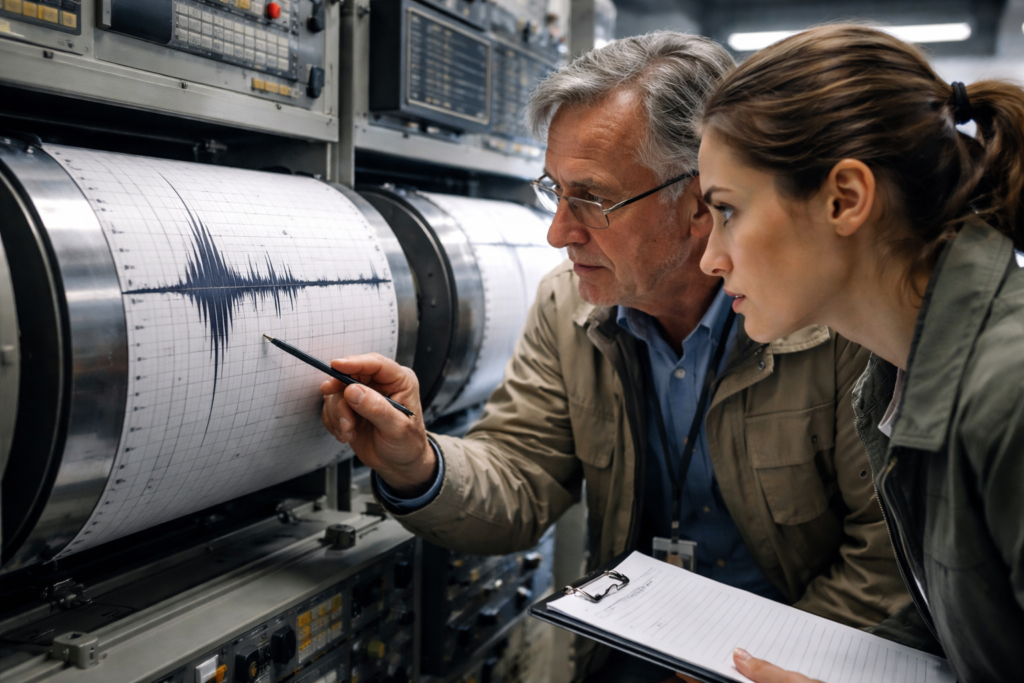
Despite dramatic imagery, researchers emphasize that uplift does not mean eruption is imminent. Yellowstone’s system releases pressure in many ways, often without catastrophic outcomes. Careful monitoring remains the priority.
Continuous GPS, seismic networks, gas measurements, and satellite data feed into real time analysis. Scientists watch for acceleration or new patterns rather than isolated signals. The slow rise beneath Yellowstone is significant, but understanding it requires patience, precision, and restraint.