
New seismic signals unsettle experts monitoring the park.
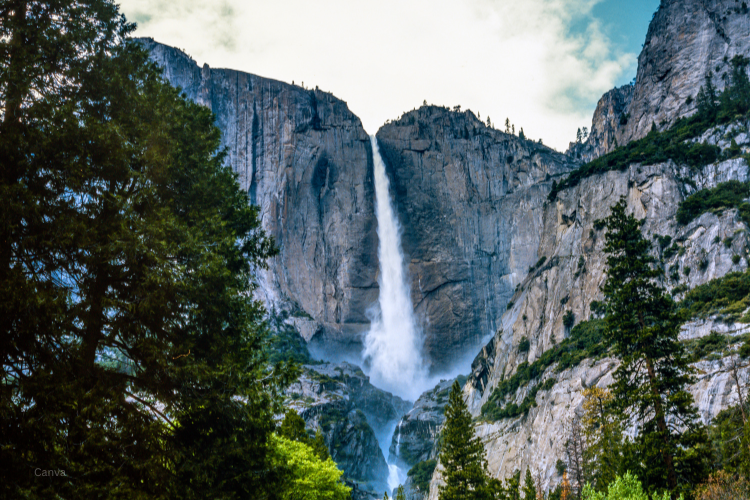
For several days, Yosemite officials have been watching a pattern unfold beneath the granite that feels different from the usual winter movement. Instruments scattered across Yosemite Valley and the high country detected subtle but persistent shifts, the kind that do not trigger major alerts but refuse to settle down. Rangers quickly coordinated with federal geologists to determine whether the rumbling pointed to deep volcanic unrest or a temporary fluctuation. The uncertainty alone was enough to prompt new safety warnings.
1. Sensors detected a burst of microquakes beneath Yosemite Valley.

Monitoring stations near El Capitan and the Merced River corridor picked up clusters of small quakes that struck in rapid waves. The quakes registered too faint for visitors to feel, but their pacing caught scientists’ attention. According to the United States Geological Survey, the swarm resembled patterns often seen when fluid pressure changes occur deep underground. The timing pushed officials to increase real time data reviews and elevate internal watch levels.
Field teams checked structural sensors around popular areas to confirm no surface instability had developed. The microquakes did not align with known rockfall cycles, which usually intensify during freeze thaw periods. Instead, they appeared concentrated several miles below the granite surface. That depth suggested a source unrelated to seasonal temperature swings. The difference raised concern among geologists who track long term changes near the ancient magma systems beneath the park.
2. Anomalous ground uplift appeared in the southern high country.

Remote GPS units near the Yosemite South Entrance recorded slight upward movement across several square miles. The uplift measured only a few millimeters, yet the rate exceeded typical background motion. As stated by the California Volcano Observatory in recent activity summaries, uplift clusters can signal changing pressure within residual magma chambers. The readings prompted analysts to review historic data for similar episodes.
The pattern did not match typical tectonic adjustments that occur along the nearby Sierra Nevada fault blocks. Instead, it resembled the early stages of volcanic unrest seen in other regions. Though the change remained subtle, the unusual rate convinced officials to maintain heightened surveillance. Multiple agencies coordinated to expand monitoring coverage across the uplift zone.
3. Heat anomalies near geothermal vents raised concern.

Thermal cameras positioned near natural steam vents detected temperature spikes above seasonal norms. The increases appeared in short bursts over several nights. Park officials consulted researchers studying regional volcanic systems, as discovered by National Park Service reports that track geothermal conditions. The brief but repeated increases suggested additional heat moving upward from deeper layers.
Rangers temporarily restricted access to some hot spring areas to ensure visitor safety. The heat changes did not produce visible steam increases, yet the thermal sensors indicated shifting subsurface conditions. These anomalies, when combined with uplift and microquakes, created a pattern that required close scrutiny. Scientists continued analyzing heat flow trends to check for consistency across the region.
4. Officials feared the signals hinted at deeper magma movement.

Even though Yosemite has not erupted in hundreds of thousands of years, the region sits atop ancient volcanic structures connected to larger systems. Subtle pressure changes can travel through these dormant chambers. The recent combination of uplift, heat shifts and seismic clusters raised questions about long term activity. While experts stressed no eruption was imminent, the unusual convergence of signals demanded attention.
Geologists emphasized that old volcanic systems can still generate slow moving pressure changes without producing visible surface effects. These buried processes sometimes trigger brief periods of unrest that fade quickly. Officials balanced caution with reassurance, acknowledging the need for transparency as new data emerged.
5. Rangers implemented precautionary trail restrictions near unstable zones.

After reviewing seismic and thermal data, rangers closed certain high elevation trails where rock stability remained uncertain. Though visitors rarely venture into these regions during colder months, officials wanted to prevent accidental encounters with shifting slopes. These closures were temporary but reflected genuine concern over underlying movement.
Crews posted updated maps at visitor centers and trailheads to guide hikers away from sensitive areas. The restrictions allowed scientists time to complete surveys without interference. They also ensured that any sudden surface changes would not catch travelers off guard. Safety remained the primary driver behind each decision.
6. Scientists increased aerial surveys to track ground deformation.
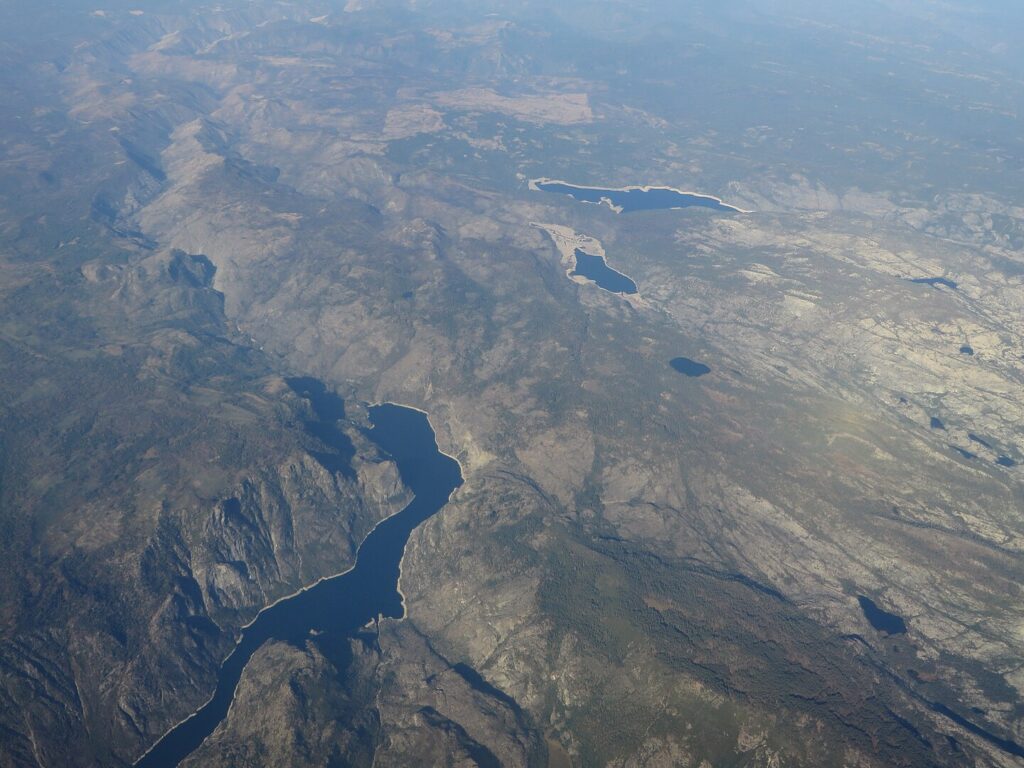
Helicopter crews fitted with lidar and infrared instruments began flying over Yosemite’s high country to collect deformation data. Their measurements helped identify expanding or contracting areas invisible from the ground. The added detail allowed researchers to compare surface changes with seismic activity logged throughout the week.
These aerial passes revealed subtle shifts along ridge lines near remote basins. Though minor, the deformation lined up with deeper movement already flagged by GPS units. The overlap suggested a wider area of interest than initially expected. Continued flights aimed to refine what processes might be driving the change.
7. Officials coordinated response plans with local counties.
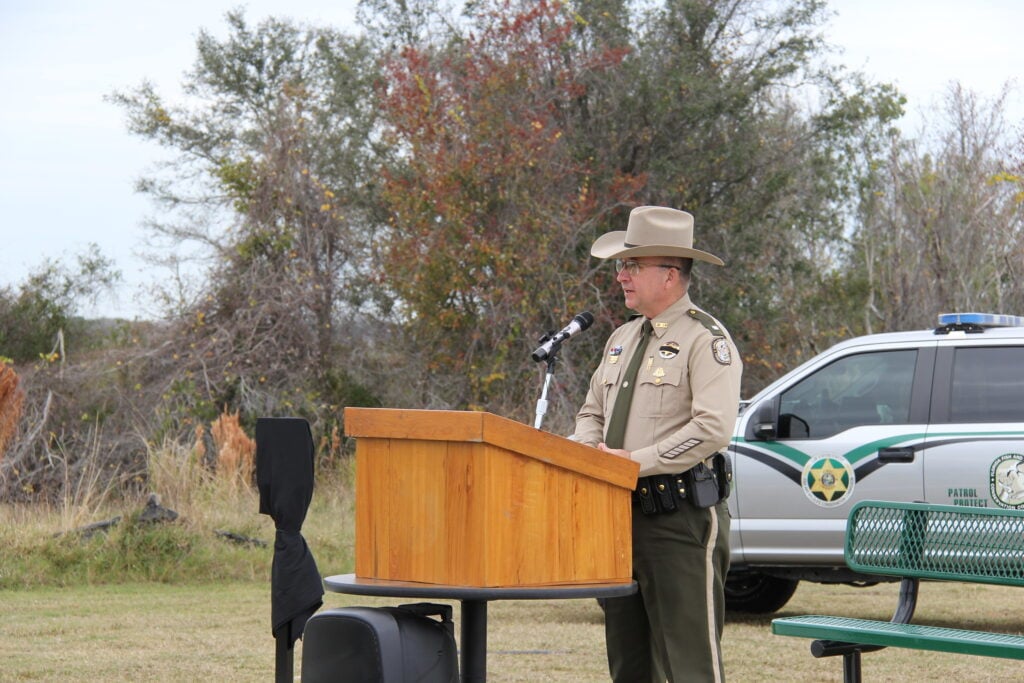
As information circulated among federal agencies, park leaders connected with county emergency managers in Mariposa and Tuolumne. They reviewed communication protocols in case the activity escalated. These discussions remained precautionary but emphasized the need for coordination in a region with limited evacuation routes.
Local communities expressed concern about how quickly conditions could shift during tourist season. Officials reassured residents that the signals did not indicate imminent danger. The meetings focused on readiness rather than alarm, underscoring the importance of unified planning during geological uncertainty.
8. Researchers examined historical unrest patterns for clues.

Past episodes of clustered seismic activity provided context for the current signals. Scientists compared datasets from the 1980s, 1990s and early 2000s to determine whether similar patterns had appeared. Some historic swarms showed parallels, though the uplift component remained unusual. This comparison helped refine expectations for how long the current activity might persist.
The review also highlighted how variable Yosemite’s subsurface environment can be. Old magma reservoirs behave differently from more active volcanic systems. That complexity makes forecasting difficult. Researchers continued sorting through decades of records to determine whether the new signals fit a recognizable cycle.
9. Visitors reported faint rumbling near popular overlooks.
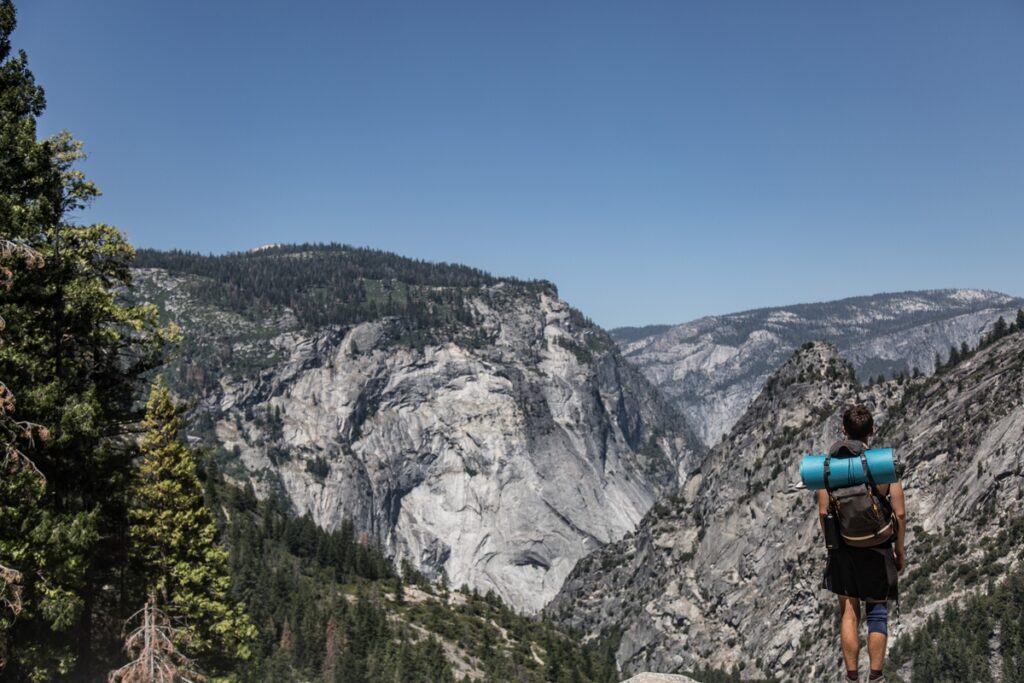
A few hikers told rangers they felt short vibrations near Glacier Point and Taft Point. These sensations matched low level quakes logged by sensors, confirming the localized nature of the activity. Though brief, the reports added weight to the underground patterns scientists were tracking.
Officials encouraged visitors to stay aware of their surroundings and report anything unusual. Most days remained calm, but the possibility of rockfall increased when seismic energy pulsed through steep cliffs. Rangers emphasized caution while reinforcing that the park remained open and stable in most areas.
10. The ongoing activity pushed experts to maintain heightened vigilance.
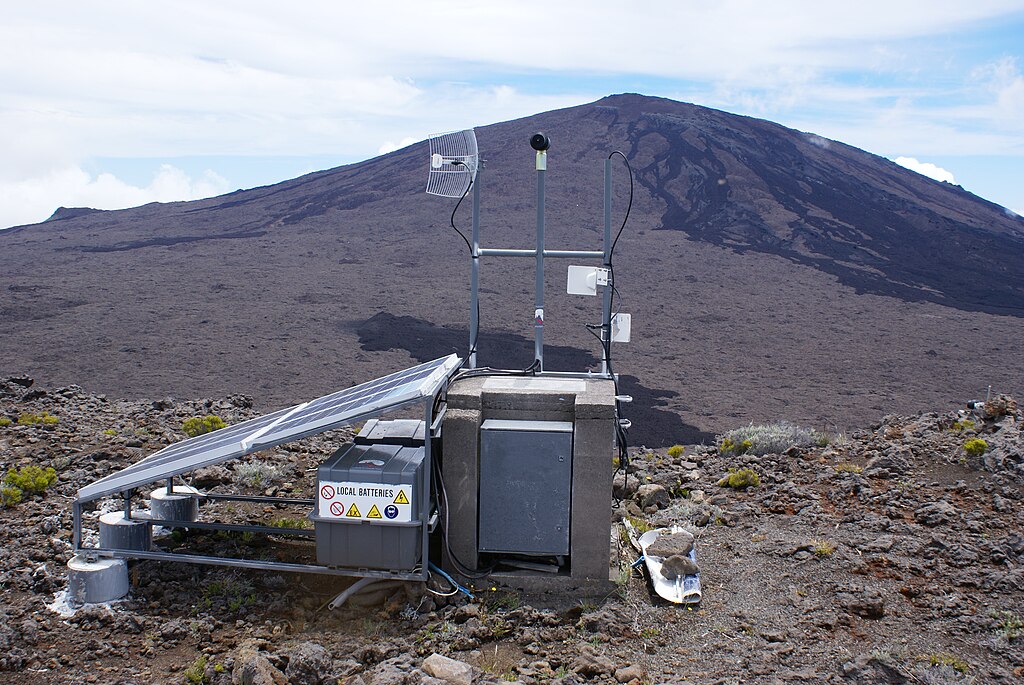
Despite no immediate threat to public safety, the unusual alignment of seismic, thermal and deformation signals placed Yosemite under closer watch. Scientists reiterated that these episodes often pass without major consequences. Still, the park represents a complex geological puzzle where even small shifts merit attention.
Officials planned to maintain enhanced monitoring for several weeks to determine whether the trend continued. The situation underscored the unpredictable nature of regions shaped by ancient volcanic forces. Each signal added a fragment to a larger story unfolding quietly beneath the iconic landscape.