
Patterns that disrupt vision and behavior.
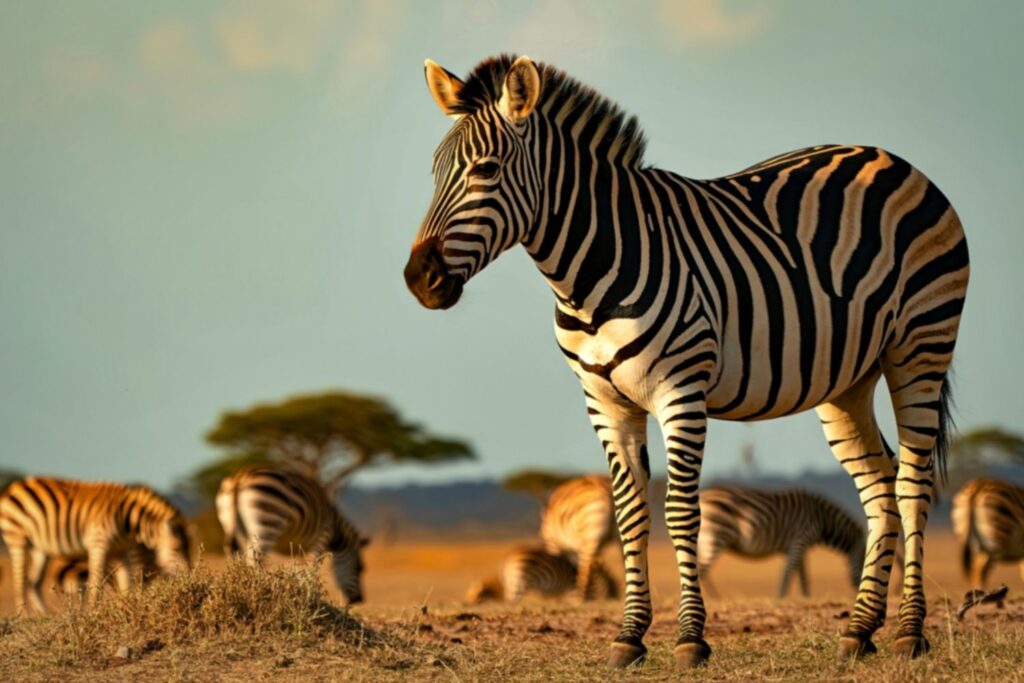
For generations, naturalists argued about why zebras wear stripes that seem to shout their presence across the savanna. Yet the closer scientists look, the more the pattern reveals a complex visual trap that confuses both predators and biting insects. The stripes distort movement, scramble depth perception and disrupt the landing behavior of pests that rely on contrast. What once seemed decorative now appears engineered by evolution to overwhelm the eyes of anything trying to get too close.
1. Stripes distort a predator’s depth perception during movement.
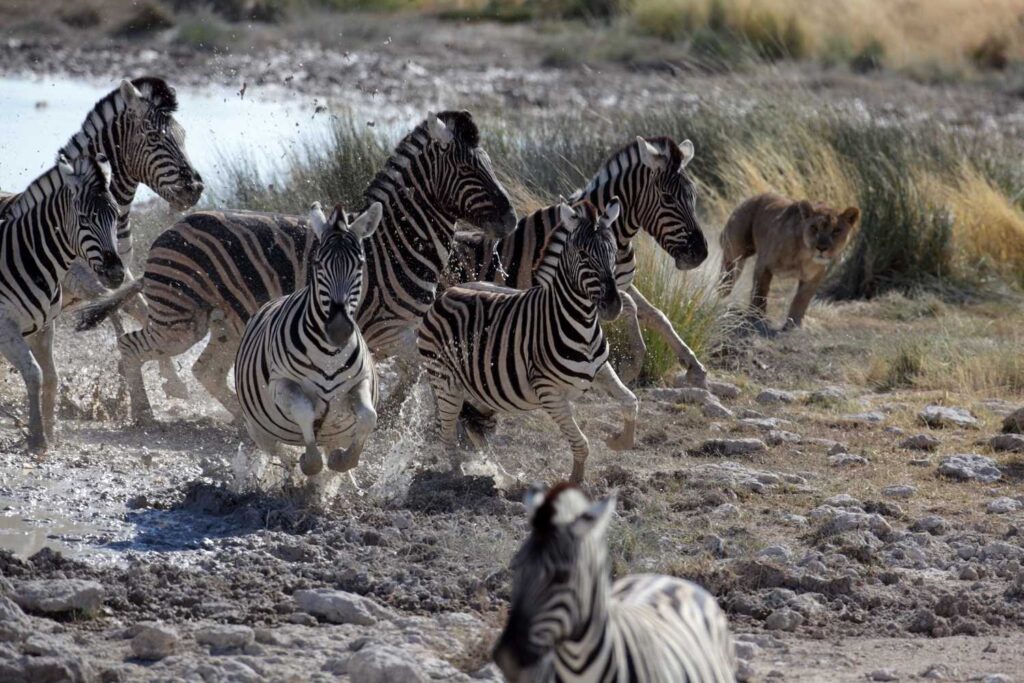
Researchers studying lion hunting behavior noticed that zebras moving in a herd create a shifting visual field that makes it harder for big cats to estimate exact distance, according to National Geographic. Lions rely on timing and depth accuracy during the final sprint, so even a slight miscalculation can cause a miss. The stripes essentially smear visual boundaries and create hesitation in the predator’s approach.
That hesitation gives zebras a precious advantage. When lions lose even a half second in their calculations, zebras gain enough time to pivot or bolt, turning a close pursuit into a failed attempt.
2. Stripes interfere with the landing behavior of biting flies.

A study testing horseflies and tsetse flies found they landed far less often on striped surfaces, as stated by the journal PLOS ONE. These insects rely on light polarization and contrast to choose landing targets, and stripes disrupt both. The alternating pattern confuses their approach, causing them to veer away at the last moment. For zebras living in regions with intense fly pressure, this visual interference matters enormously.
The fewer flies that land, the fewer bites, infections and irritations the animals endure. This small visual trick dramatically improves their comfort and reduces disease exposure.
3. Stripes scramble motion signals predators use for targeting.
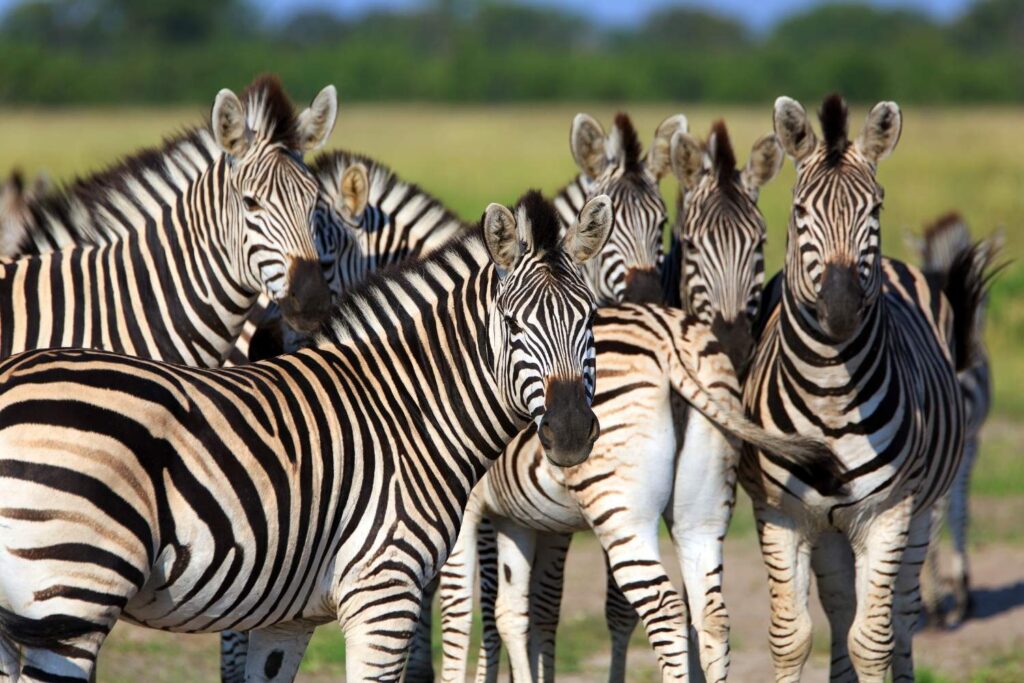
Scientists analyzing high speed footage discovered that zebra stripes distort the way motion is perceived by pursuing animals, as reported by BBC News. Predators track prey by monitoring the direction and speed of movement, but stripes create shifting edges that blur these signals. The moving pattern tricks the eye into misjudging velocity, making it harder for predators to predict a zebra’s next step.
That confusion compounds quickly during a chase. As the pattern twists and reforms with each stride, predators lose the clean silhouette they depend on, turning a clear target into a flickering puzzle.
4. Stripes create a visual wall when zebras group tightly.

When a herd bunches together, the stripes merge into a dense field of black and white that hides individual bodies. Predators struggle to isolate a single animal, which matters enormously when lions or hyenas try to identify a weak or young target. The shifting “wall” of stripes removes the outlines that would normally reveal vulnerability.
That merging effect protects the herd as a whole. By vanishing into each other’s patterns, zebras turn a group into a shield that confuses any attacker scanning for an opportunity.
5. Stripes may help zebras recognize each other quickly.

Each zebra’s pattern is unique, giving individuals a visual signature that stands out to other zebras even at a distance. This helps mothers locate their foals and allows the herd to maintain cohesion while moving across varied terrain. The pattern becomes a practical tool for identity and coordination during chaotic or dangerous moments.
That recognition strengthens social bonds. A zebra can spot familiar patterns in a shifting crowd, reducing panic and helping the group respond collectively when threatened.
6. Stripes reflect heat differently across the body surface.

Some researchers propose that alternating black and white stripes influence heat flow across the skin. Black stripes absorb more warmth, while white stripes reflect sunlight. This contrast may create tiny convection currents that cool the body more efficiently in scorching climates. The temperature variation could offer a survival advantage during long days on exposed plains.
This cooling effect would also help zebras sustain energy. With less heat stress, they maintain endurance during long migrations and escape attempts.
7. Stripes make herds harder to visually track from afar.

From a distance, stripes can merge with tall grass, creating optical interference that blurs the animals’ outlines. Predators scanning the horizon may overlook zebras entirely, especially when light conditions distort contrast. This gives zebras the benefit of partial camouflage, even though close range visibility remains high.
That early concealment buys precious time. A hidden herd can move undisturbed, reposition or flee before predators come within striking distance.
8. Stripes may disrupt parasites that look for specific color cues.

Many pests choose hosts based on reflected light wavelengths, yet zebra stripes bounce light unevenly across the surface. This breaks the visual cues parasites use to identify ideal landing spots, reducing the number of pests that can locate them in the first place. Even a small reduction in parasite load significantly benefits health.
With fewer parasites, zebras experience less stress, fewer skin infections and stronger overall resilience in harsh environments.
9. Stripes create dazzling motion during escape runs.
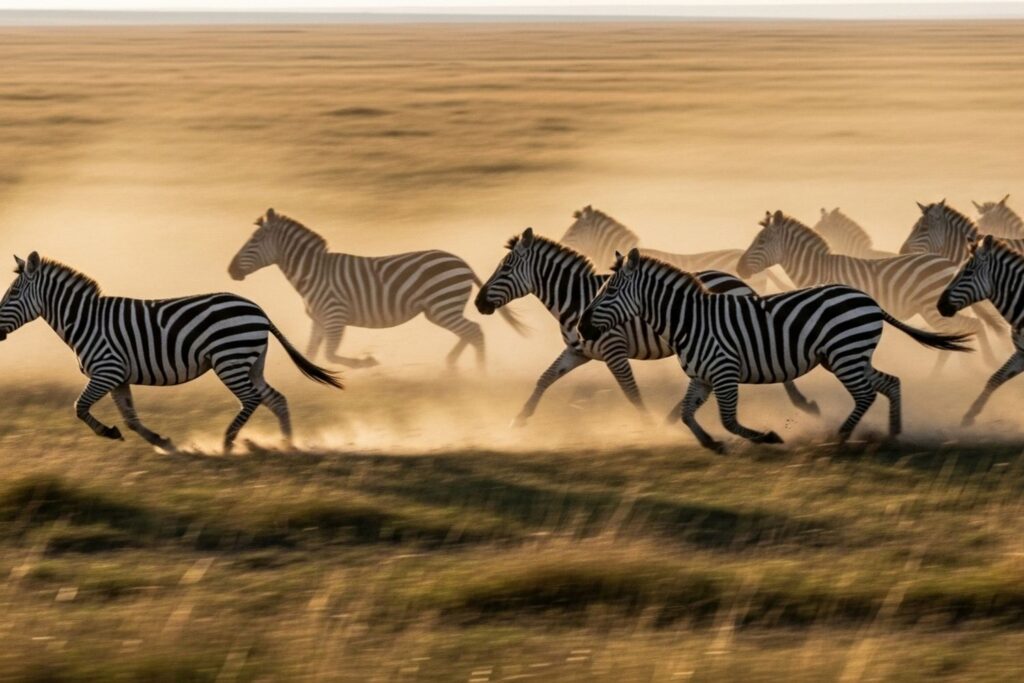
When zebras break into a sprint, the pattern causes a flickering effect that makes their outlines jitter and warp. Predators relying on steady silhouettes find their target suddenly unstable. This visual distortion becomes even more dramatic in dust or shifting shadows, turning the chase into a sensory challenge.
That disorientation can decide the outcome. A predator that cannot track the body cleanly often missteps, slows or loses momentum entirely.
10. Stripes highlight startle movements that warn the herd.

A zebra flicking its head or kicking its hind legs sends sharp flashes of black and white that other zebras catch instantly. This acts as a visual alarm system, allowing the herd to react to a threat in unison. Fast, high contrast signals spread awareness faster than sound can.
This rapid communication improves survival. When one zebra detects danger, the entire group accelerates in near perfect sync, overwhelming any predator hoping to catch one off guard.