
This tiny habit reveals something bigger about survival.
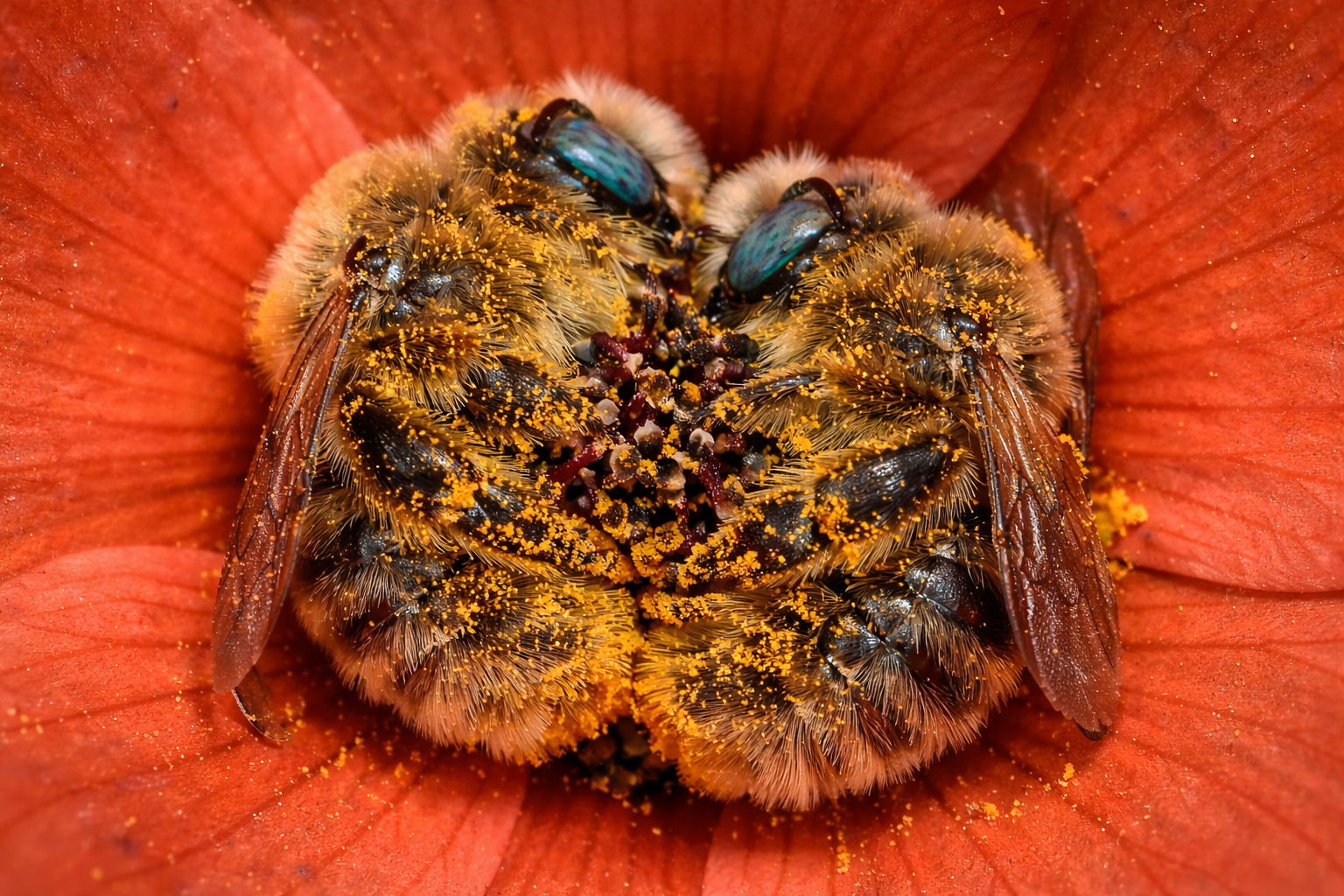
For something so small, bees have a way of slipping past our attention, even when they’re right in front of us. For decades, researchers focused on how they fly, forage, and communicate, building an image of constant motion and tireless work. But a quieter part of their lives went almost completely unnoticed. Now, as more people start looking closely at what happens after sunset, a different pattern is emerging. It’s simple, easy to miss, and surprisingly widespread. And once you see it, it changes how you think about where these insects actually spend their nights.
1. Male bees sleep outside because they literally have nowhere else to go.
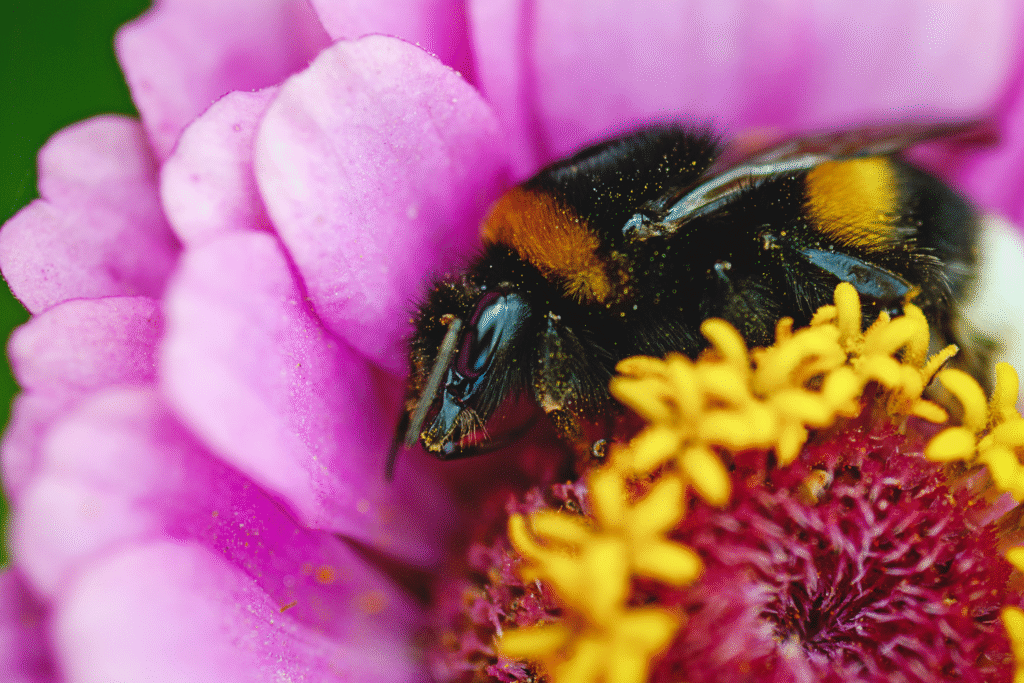
Unlike their female counterparts who retreat to established nests and hives, male bees face a rather harsh reality once they emerge as adults. Social species like honeybees and bumblebees essentially kick the males out once mating season ends, leaving them to fend for themselves in the wild. According to Oregon State University Extension Service, male bees have to rough it, sheltering at night and in the rain or cold wherever they can find cover, often right in the flowers that provide them with food.
Solitary male bees have it even tougher since they never had a communal home to begin with. Their entire adult existence revolves around one primary goal: finding a mate. This means they spend their days hanging around flowers where females come to forage, and when evening arrives, they simply stay put. It’s remarkably practical when you think about it, turning feeding grounds into sleeping quarters with nothing more than a good grip on some petals.
2. Flowers provide the perfect combination of shelter, safety, and room service.
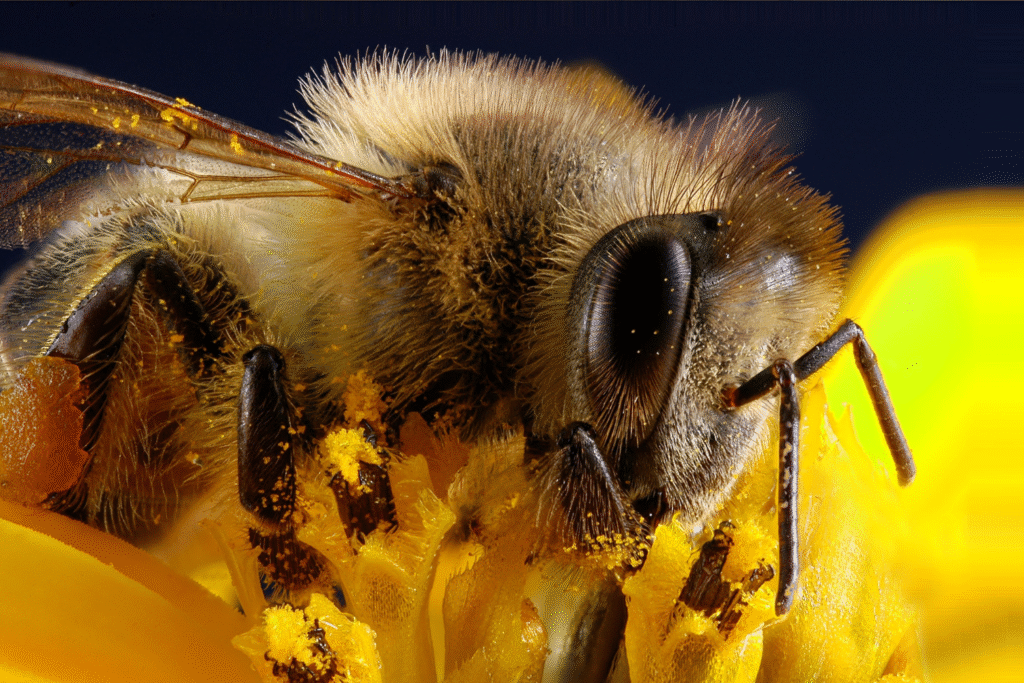
These tiny accommodations offer everything a tired bee could want in overnight lodging. The curved petals create natural windbreaks and protection from predators, while the flower’s structure shields sleeping bees from dew and light rain. Most flowers close or partially close at night, creating even more secure little sleeping pods. The arrangement becomes even sweeter when morning arrives, as reported by Biology Insights, because bees wake up with breakfast literally surrounding them.
Temperature regulation plays a crucial role in this arrangement too. Flowers retain warmth from the day’s sunshine, providing a cozy microclimate that helps bees maintain their body temperature during cooler nights. The sheltered environment also protects them from wind, which could easily blow a lightweight bee off its perch. It’s nature’s version of a luxury hotel, complete with climate control and room service.
3. Scientists observe three distinct sleeping positions that look absolutely precious.

Researchers have identified several adorable sleeping positions that bees adopt when settling in for the night. Some hang head-down from flower petals, using their mandibles like tiny hooks to secure themselves against gentle swaying in the breeze. Others tuck themselves deep into flower centers, with only their fuzzy bottoms visible from above. The third common position involves wrapping their bodies around flower stems, creating what looks like the world’s tiniest bear hug, as discovered by Beekeeper Corner research.
Each position serves a specific purpose beyond just looking endearing. Head-down hanging allows bees to make quick escapes if threatened, while tucking into flower centers provides maximum warmth and protection. The stem-hugging position offers the most stable attachment point for particularly windy nights. Photographers and early-morning gardeners have captured countless images of these sleeping arrangements, turning bee bedtime into a beloved internet phenomenon.
4. Different flower species offer varying levels of bee hospitality.
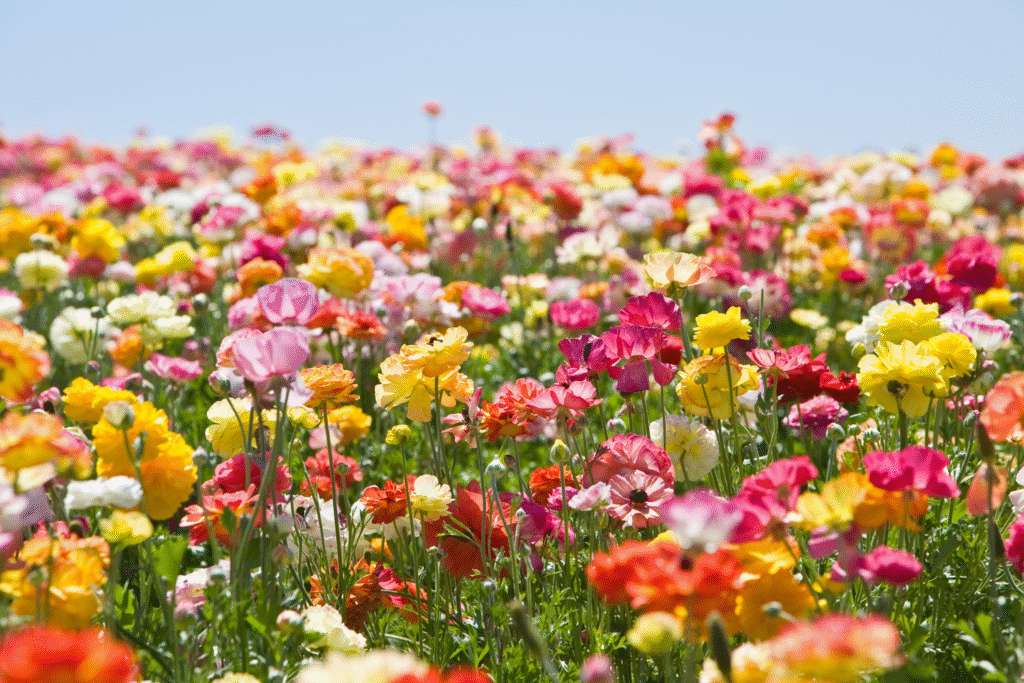
Not all flowers make equally suitable accommodations for sleepy bees. Research shows that certain varieties like lavender, coneflowers, and cosmos provide excellent sleeping spots due to their sturdy petals and accommodating architecture. Flowers with dense, hairy petals or overly fragrant blooms tend to discourage overnight guests, while shallow or unstable flowers simply can’t support a bee’s weight through the night.
The best bee hotels share several characteristics: sturdy construction, adequate depth for shelter, and petals that won’t collapse under a bee’s minimal weight. Tubular flowers like morning glories and squash blossoms create particularly cozy sleeping chambers, while flat, open flowers like sunflowers offer more communal sleeping arrangements. Some ambitious male bees have been observed testing multiple flowers before selecting their preferred accommodation for the evening.
5. Sleeping in flowers helps bees conserve precious energy for essential activities.
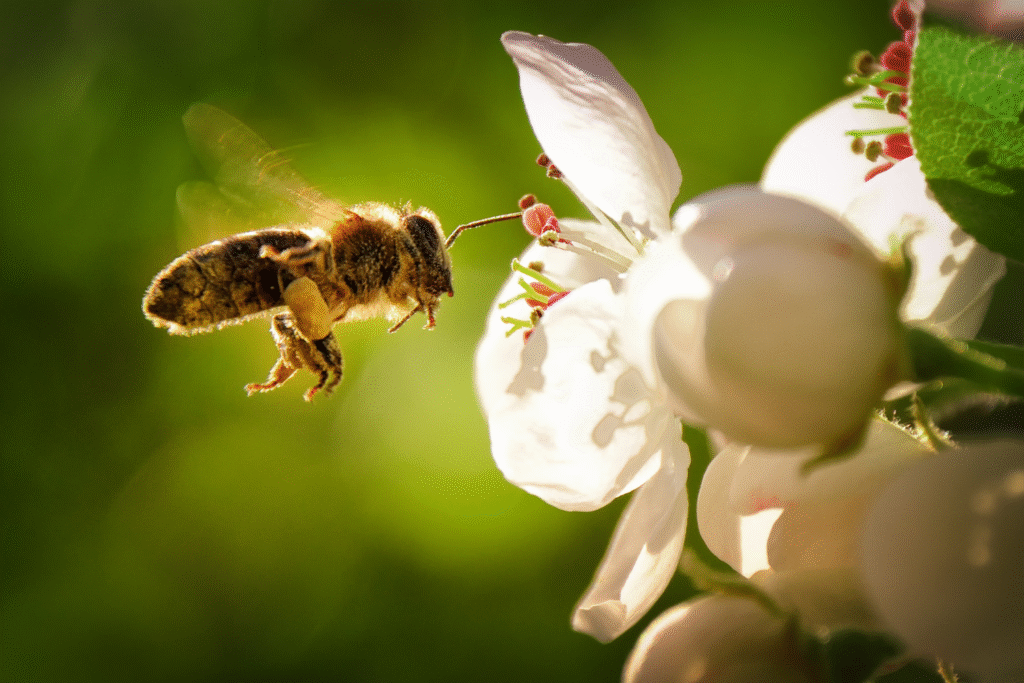
This behavior represents a brilliant energy conservation strategy that extends far beyond simple convenience. Flying requires enormous amounts of energy for creatures as small as bees, and every calorie saved during rest periods can be redirected toward essential activities like foraging, territorial defense, and mate-seeking. By sleeping right at their food source, bees eliminate the energy expenditure of traveling between feeding and resting locations.
The metabolic benefits extend beyond just saved flight energy. During sleep, bees experience decreased heart rates and lowered metabolic processes, allowing their bodies to recover from the physical demands of constant activity. Choosing flowers as sleeping spots also means they can immediately begin foraging upon waking, maximizing their productive hours. For male bees whose entire adult lifespan may span only a few weeks, this efficiency could mean the difference between successful reproduction and missed opportunities.
6. Bee sleep cycles follow natural circadian rhythms just like larger animals.
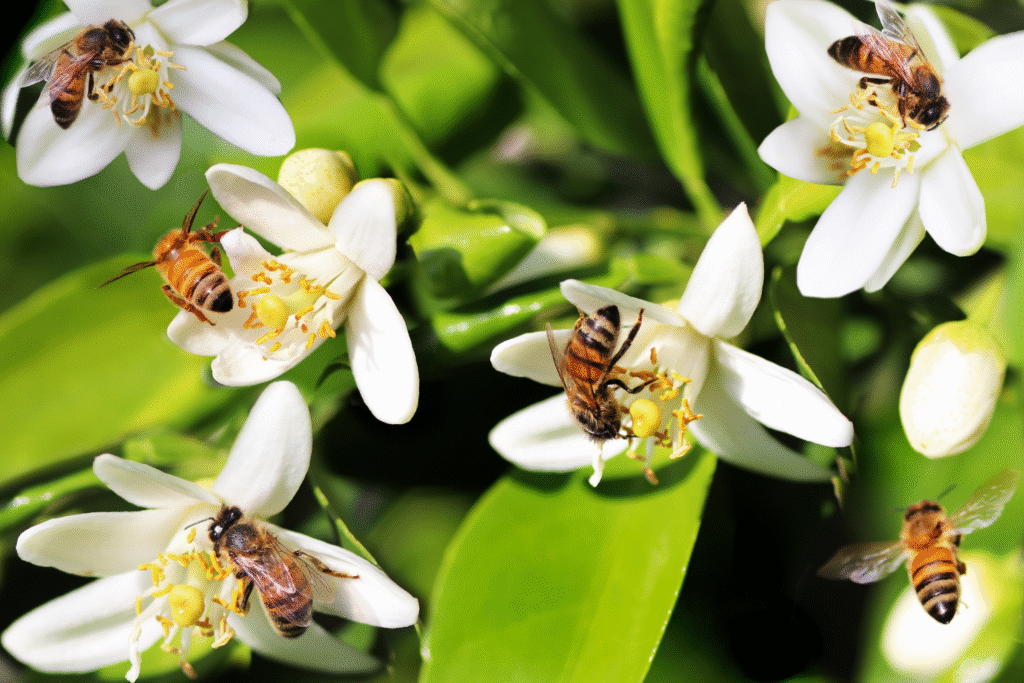
Recent research has revealed that bee rest patterns are far more sophisticated than previously understood. Bees exhibit sleep-like behaviors influenced by internal biological clocks that align with day-night cycles, suggesting their flower-sleeping isn’t random but rather part of regulated biological processes. Honeybees can sleep 5 to 8 hours daily, often in short intervals, with sleep quality directly impacting their cognitive functions and communication abilities.
Light pollution from artificial sources disrupts these natural rhythms, affecting bees’ ability to perform essential behaviors like the famous waggle dance that communicates food source locations to other colony members. This makes their choice of sleeping locations even more critical, as flowers often provide darker, more natural environments than areas near human development. The timing of their sleep also helps them avoid peak predator activity periods while ensuring they’re active during optimal foraging hours.
7. Weather conditions dramatically influence flower-sleeping behavior patterns.
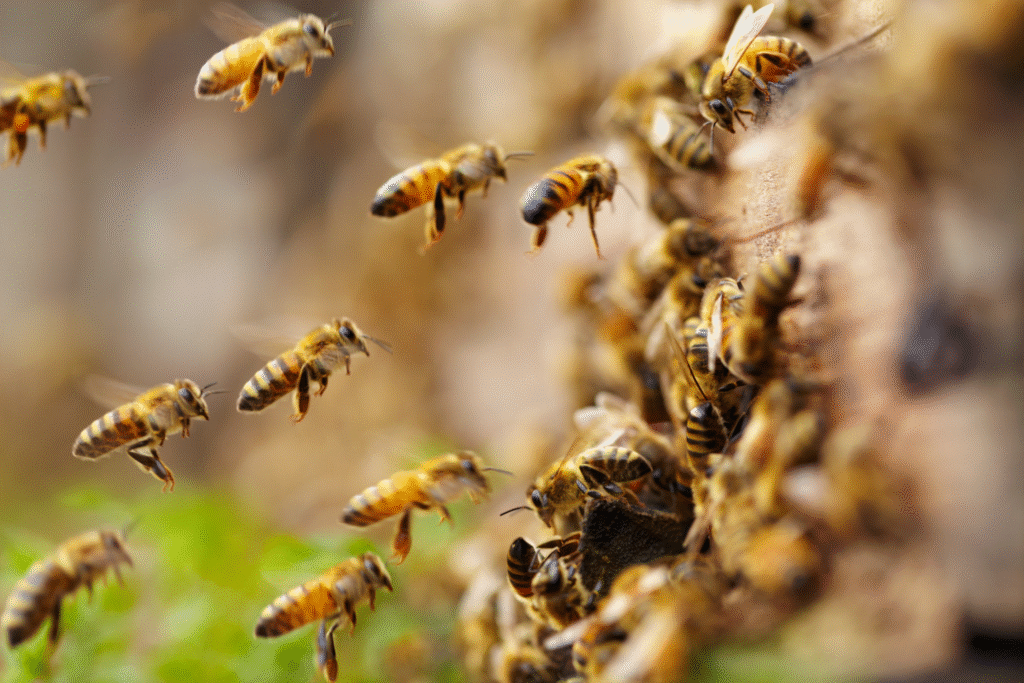
Environmental factors play a major role in determining when and where bees choose to spend the night. During warm, stable weather, bees may sleep more casually in exposed flower heads, but cooler temperatures or threatening weather drives them to seek deeper, more protective floral accommodations. Rainy conditions can trap bees in flowers for extended periods, creating temporary refugee situations that test the limits of their chosen accommodations.
Wind presents particular challenges for flower-sleeping bees, requiring them to grip their chosen petals more securely or seek more sheltered blooms altogether. Some species have adapted specialized gripping techniques, using their mandibles and legs in coordination to maintain stable positions even during breezy nights. Morning dew creates additional considerations, as bees must warm up and dry off before they can resume normal activity levels.
8. This behavior provides crucial research insights into bee conservation efforts.
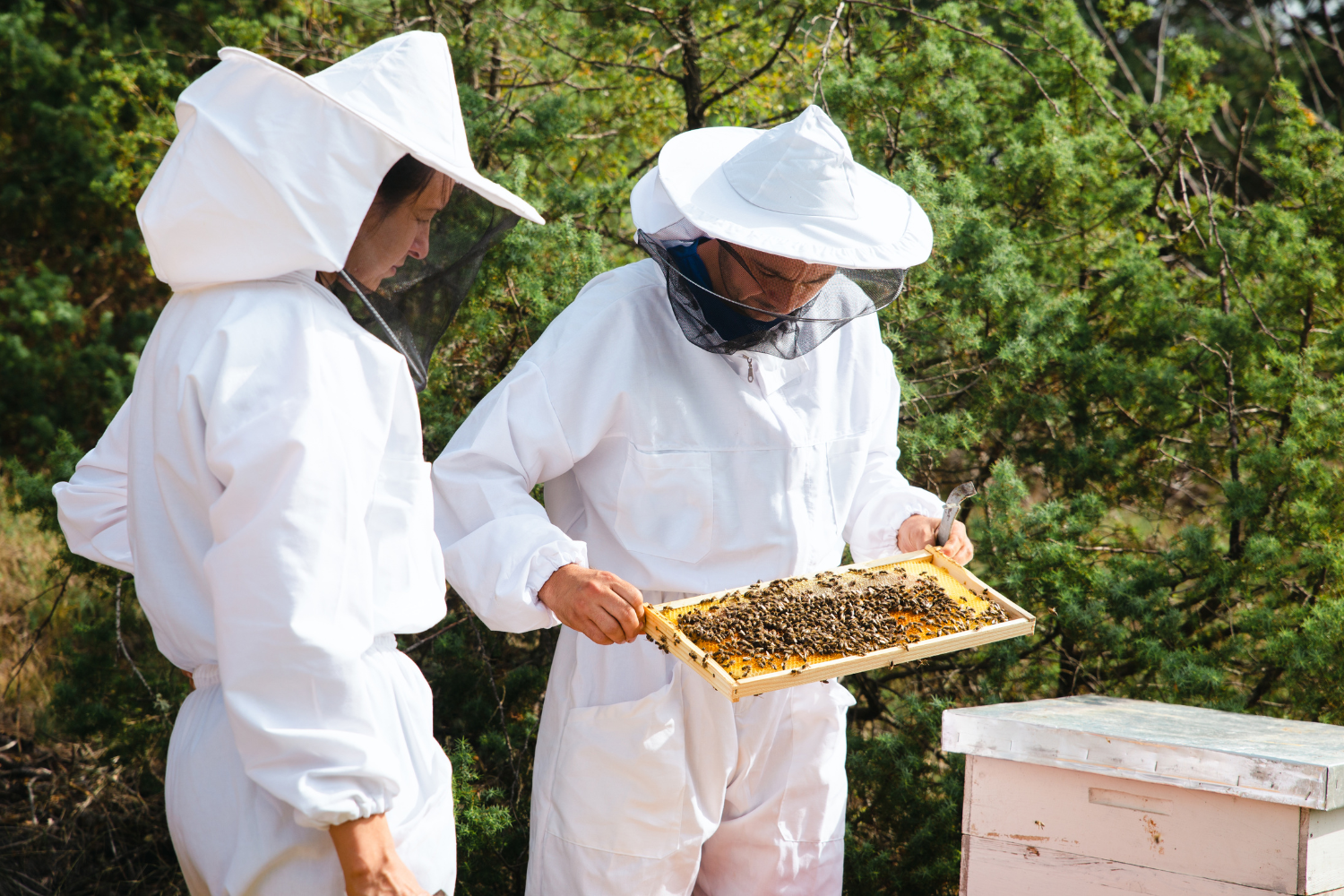
Understanding where and how bees rest has opened new avenues for conservation strategies that extend beyond just providing food sources. Garden designers and landscapers now consider overnight accommodations when selecting plants, recognizing that supportive sleeping arrangements can be just as important as nectar and pollen availability. This knowledge helps create more comprehensive pollinator-friendly environments that support bees throughout their entire daily cycles.
The research also reveals how human activities inadvertently impact bee rest patterns. Pesticide applications, landscape lighting, and garden maintenance timing can all disrupt crucial sleeping behaviors. Conservation efforts now incorporate recommendations for maintaining diverse flower types that bloom at different times, ensuring consistent availability of both food and lodging options throughout the growing season. This holistic approach to bee habitat creation represents a significant evolution in pollinator support strategies.
9. Photography has transformed flower-sleeping bees into internet sensations.
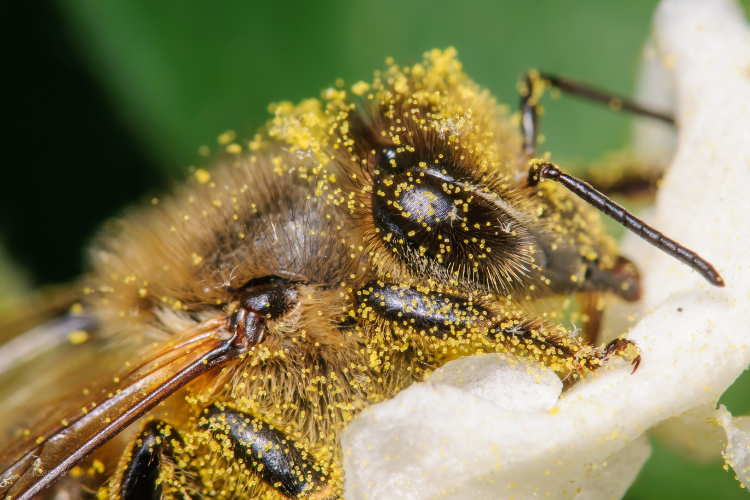
Social media has played an unexpected role in advancing bee research by encouraging gardeners and photographers to document sleeping bees in their natural settings. These images have not only raised public awareness about bee behavior but have also provided researchers with valuable observational data from locations worldwide. The hashtag phenomena surrounding sleepy bees has created an informal network of citizen scientists contributing to our understanding of these behaviors.
The viral nature of sleeping bee photos has also changed public perceptions about bees, shifting focus from fear-based reactions to appreciation for their vulnerability and charm. This emotional connection has translated into increased support for bee conservation initiatives and pollinator-friendly gardening practices. Professional photographers now specifically seek out sleeping bees, creating stunning artwork that celebrates these tiny creatures while documenting their remarkable adaptations.
10. Climate change threatens traditional flower-sleeping arrangements across ecosystems.
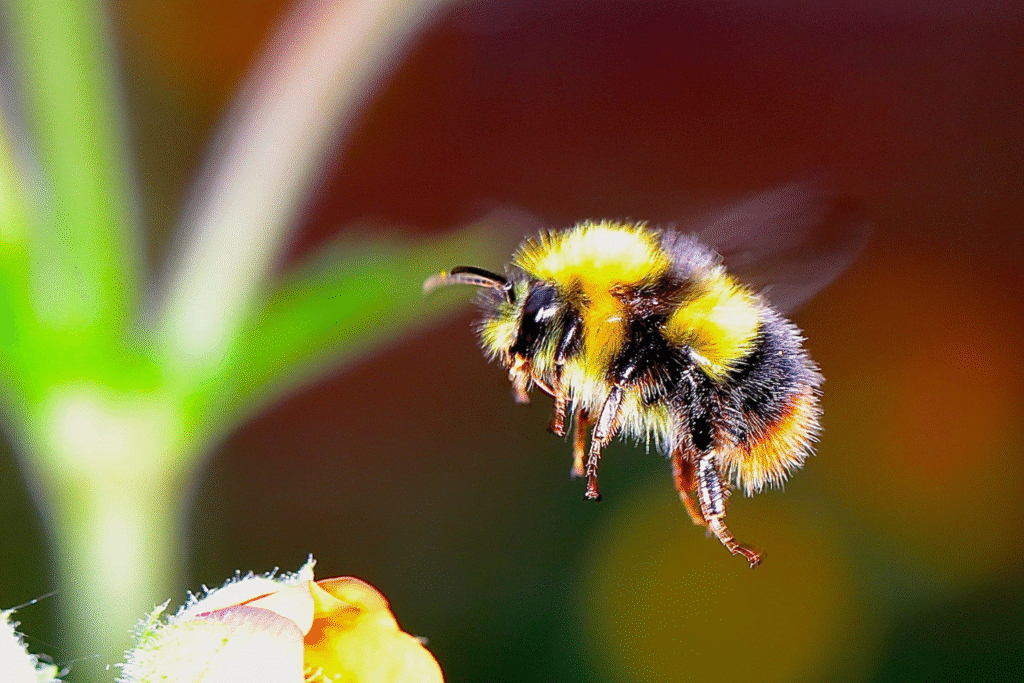
Rising temperatures and shifting bloom periods are disrupting the delicate timing relationships between bees and their preferred sleeping flowers. As climate patterns change, flowers may bloom earlier or later than optimal bee activity periods, potentially leaving male bees without suitable overnight accommodations during critical parts of their life cycles. Extreme weather events also destroy the stable flower populations that bees depend on for consistent sleeping arrangements.
Habitat fragmentation compounds these challenges by reducing the overall availability of diverse flower types that provide different sleeping options throughout the season. Conservation efforts must now consider not just flower diversity for feeding purposes, but also the continuity of sleeping accommodations across changing environmental conditions. This adds new complexity to pollinator habitat restoration projects, requiring long-term planning that accounts for both current bee needs and projected climate impacts on flowering plant communities.