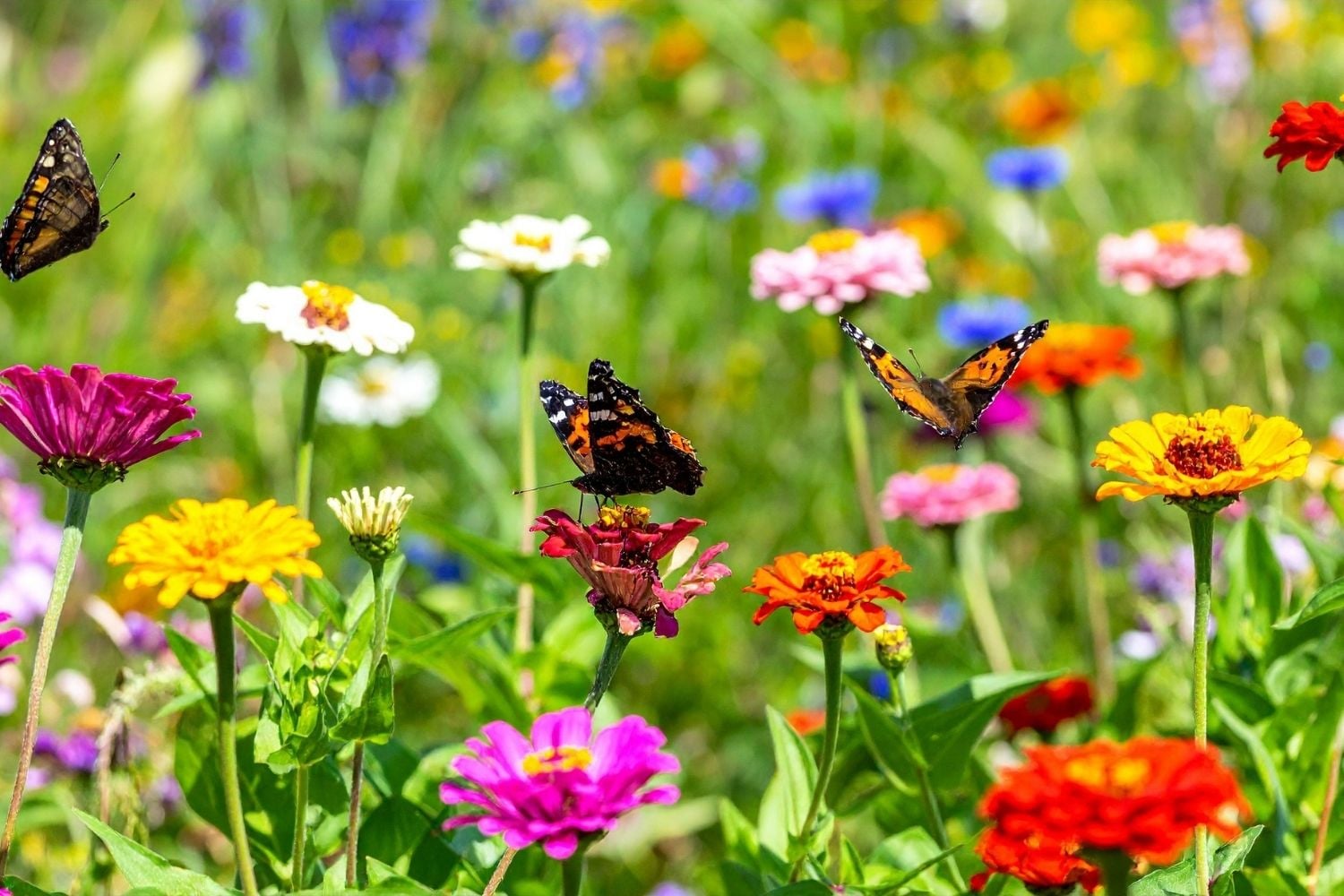
Plants That Turn Your Yard Into a Butterfly Magnet

The secret to a butterfly filled garden starts here.

©Image license via Canva

At first, it feels like it should be simple, plant a few bright flowers, wait, and watch butterflies arrive. But then nothing happens, or only the occasional visitor drifts through before disappearing again. That’s where things start to feel off. The colors are there, the space is there, yet something is missing that most people never think to question. Butterflies are far more selective than they seem, and once you understand what they’re actually responding to, the difference becomes hard to ignore. What changes next can turn a quiet yard into something far more alive.
Read more

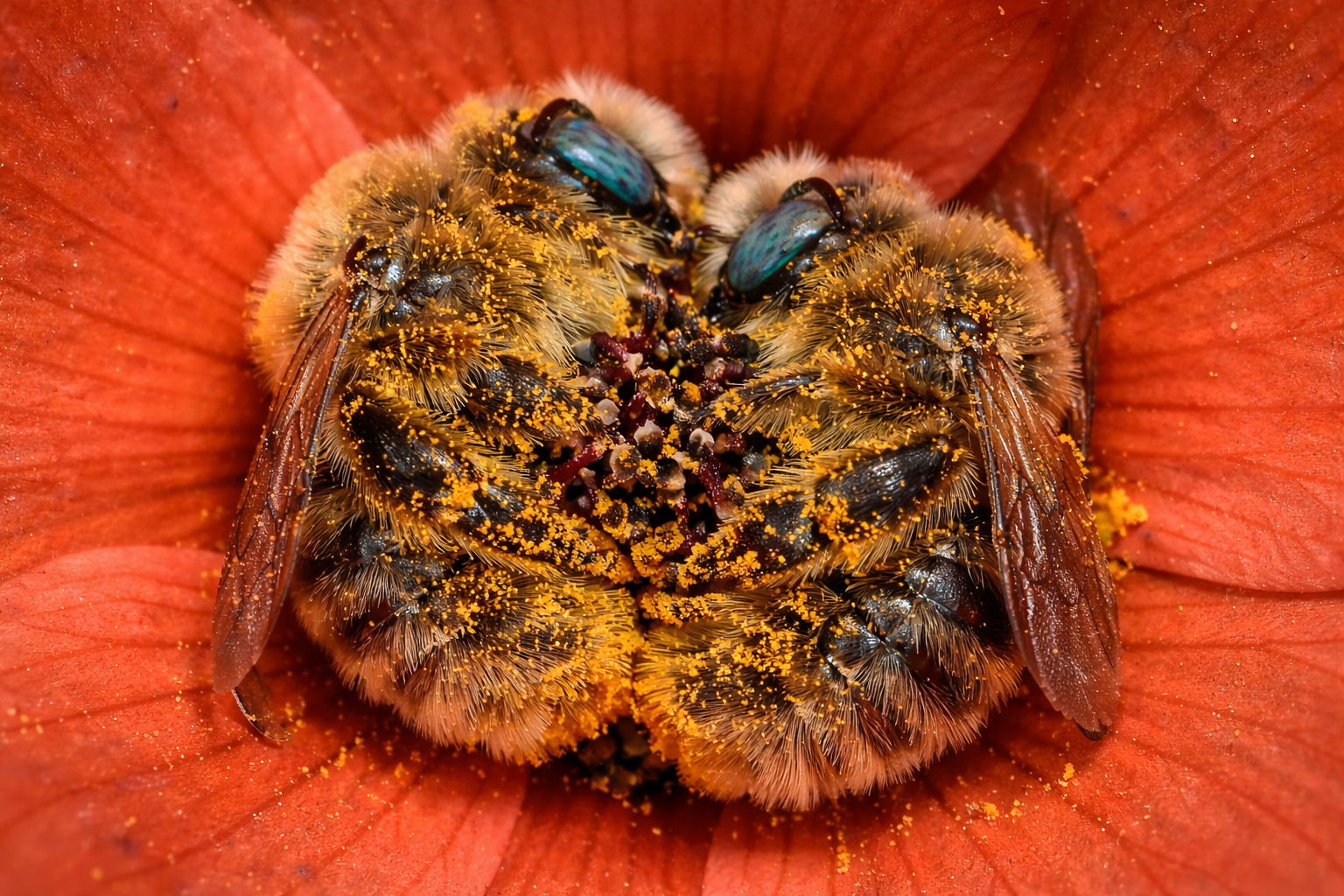
Why Bees Are Disappearing Into Flowers Overnight

This tiny habit reveals something bigger about survival.

©Image PetsnPals/AI generated image

For something so small, bees have a way of slipping past our attention, even when they’re right in front of us. For decades, researchers focused on how they fly, forage, and communicate, building an image of constant motion and tireless work. But a quieter part of their lives went almost completely unnoticed. Now, as more people start looking closely at what happens after sunset, a different pattern is emerging. It’s simple, easy to miss, and surprisingly widespread. And once you see it, it changes how you think about where these insects actually spend their nights.

Read more

Insects Are Vanishing Even in Areas Once Thought Untouched

New data suggests no ecosystem is truly insulated.

©Image license via Canva

For years, we told ourselves there were still places untouched enough to stay safe. High mountain meadows. Remote Pacific islands. Vast national parks where nature could operate beyond our reach. But something is slipping through those boundaries. The warning signs are not dramatic at first glance. The landscapes still look intact. The trees stand. The flowers bloom. Yet beneath that surface, a quiet collapse is unfolding. Insects, the small architects holding ecosystems together, are disappearing even where roads, farms, and cities never reached. If wilderness can no longer protect them, the meaning of refuge itself may need rewriting.

Read more

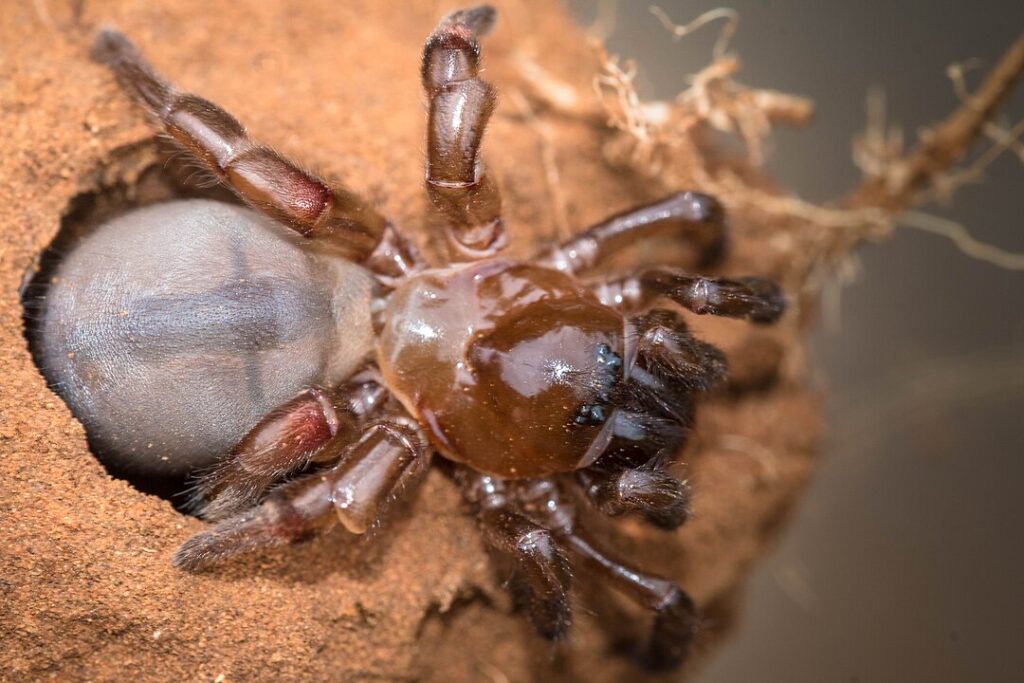
Spiders in the Sand? Scientists Find a Hidden Species Under California Beaches

A newly identified spider dwelling in sand dunes.

©Image license via Wikimedia Commons/RudiSteenkamp

Researchers exploring the sandy coastal dune systems of California have uncovered a previously unknown species of trapdoor spider living beneath beach dunes, and the discovery highlights how much biodiversity can still remain hidden even in familiar places. The new species, Aptostichus Ramirezae, found by the team from University of California, Davis, appears almost identical in appearance to a known species yet genetically distinct, which shows the limits of surface-level identification. With its habitat threatened by erosion, development and sea-level rise the find is a call to action for dune preservation and deeper exploration of under-appreciated ecosystems.

Read more

If Bees Vanish, Hundreds of Foods Would Follow: Starting With These 15

Our diets depend on pollinators more than we realize.

©Image license via Canva

Bees are the quiet architects of our food supply, responsible for pollinating about one-third of everything humans eat. Without them, many fruits, nuts, and vegetables would struggle to reproduce, leading to widespread shortages and soaring prices. Their role isn’t just about honey or flowers—it’s about the invisible work that sustains global agriculture. According to the Food and Agriculture Organization (FAO), over 75 percent of the world’s crops rely on animal pollinators, most of them bees. If they disappeared, the ripple effect would be catastrophic, reshaping diets and economies around the world.

Read more