
New evidence shows praise can backfire unexpectedly.

Owners often assume that pouring on affection makes training smoother, but new behavioral data suggests the story is more complicated. Dogs track patterns far more carefully than people think, and constant praise can distort those patterns until commands lose their meaning. Trainers are now seeing dogs hesitate, stall or challenge cues they once followed confidently. The surprising part is how quickly the shift happens once praise becomes noise instead of information, leaving families unsure why obedience suddenly feels weaker.
1. Too much praise can reduce a dog’s focus quickly.
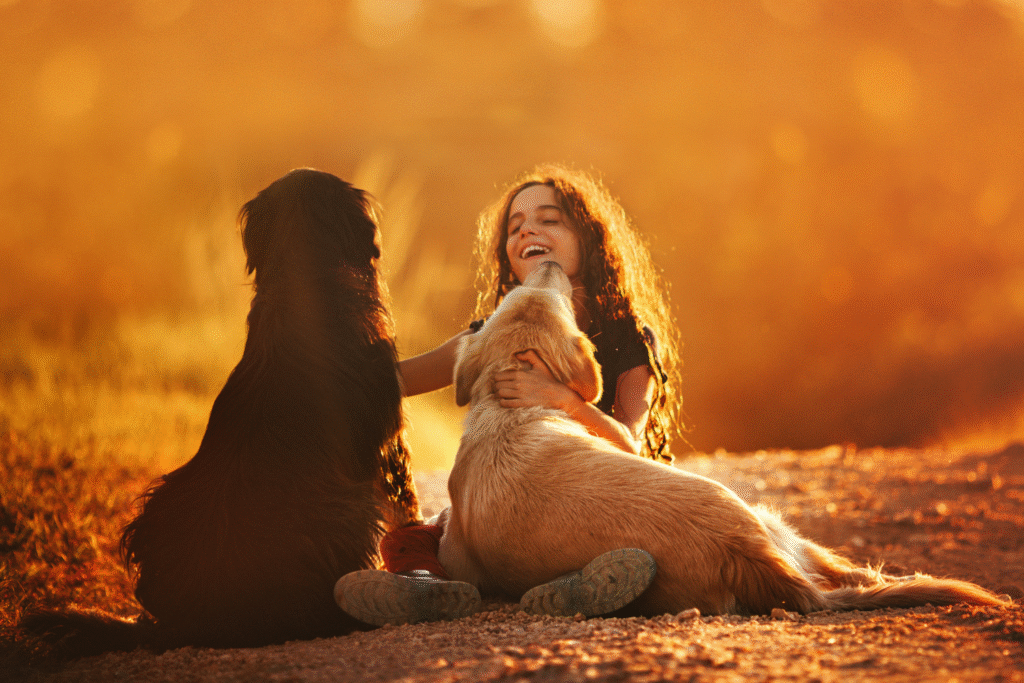
Dogs thrive on clarity during training, and overwhelming praise blurs the boundary between reward and routine. When every action earns enthusiasm, the dog no longer distinguishes meaningful cues from background attention. Researchers studying canine learning have noted this effect during reward timing experiments, as stated by the American Kennel Club in their training guidance. The moment praise becomes predictable, obedience begins to drift.
Over time, the dog shifts attention toward the owner’s voice rather than the command itself. That creates a lag in response, especially during distractions. Families often misread these pauses as stubbornness when the dog is simply sorting through mixed signals. Reducing praise during routine moments helps restore contrast. Once that contrast returns, commands regain their weight and reactions become sharper.
2. Constant enthusiasm can inflate a dog’s reward expectations dramatically.
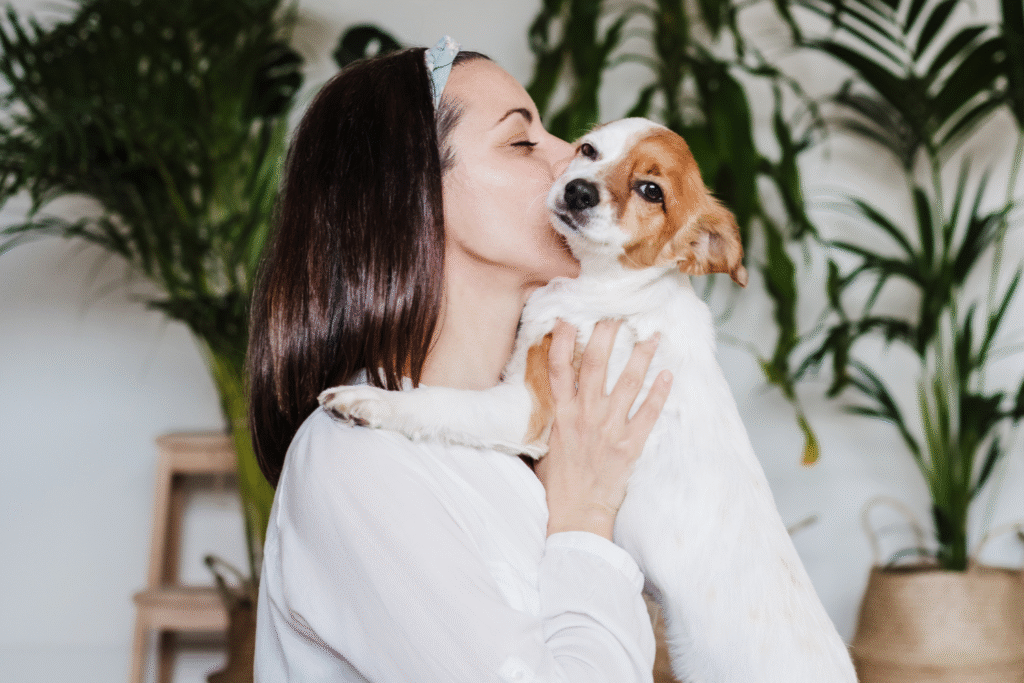
Some dogs begin expecting intense praise every time they perform even a simple cue. When the owner cannot match that level of excitement, the dog hesitates or ignores the command. This shifting expectation has been documented in multiple behavioral studies, as reported by the University of California Davis during analyses of reward reliance. Dogs essentially begin judging whether the reward is “worth it,” even for commands they know well.
As the expectation grows, the dog becomes more selective about responding. Families notice the pattern most clearly during outdoor training or busy environments. Instead of responding immediately, the dog may scan for alternative stimuli that feel more rewarding. Adjusting praise to match the task rather than overwhelm it helps restore balance. That small change often leads to more reliable responses.
3. Excessive praise can overshadow food and toy rewards.

Dogs learn most effectively when rewards have a clear hierarchy, but nonstop verbal excitement flattens that hierarchy. When praise comes at the same intensity as high value rewards, the dog starts seeing them as equal. Trainers have identified this pattern during structured obedience sessions, as discovered by the Merck Veterinary Manual in their section on reinforcement schedules. Once rewards blend together, the dog loses motivation to work for stronger incentives.
Owners sometimes notice a decline in interest toward treats they once loved. The dog becomes more fixated on the owner’s tone than the reward itself, disrupting the training rhythm. Reestablishing a reward structure restores the dog’s internal ranking system. With that structure back in place, behaviors strengthen and training progresses smoothly.
4. Dogs may interpret constant praise as permission to ignore commands.
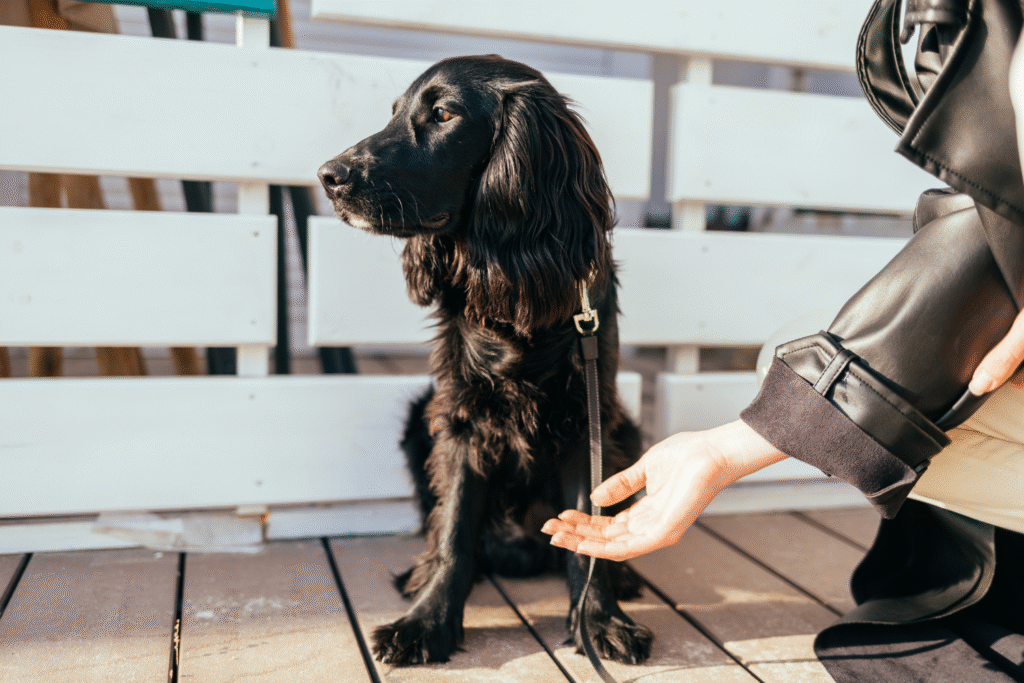
When praise flows freely, some dogs read it as feedback that everything they are doing is acceptable. This broad interpretation weakens the authority of individual cues. Instead of focusing on the specific command, the dog relies on general encouragement. During critical moments, such as calling the dog away from danger, that split second of confusion can matter.
Families often describe a drifting obedience pattern where the dog checks in visually instead of acting. That hesitation creates inconsistency during daily routines. Reducing background praise allows command based praise to stand out more clearly. As soon as this shift takes hold, dogs begin responding faster and more confidently.
5. Overpraising can reward hesitation rather than action.

Dogs analyze the sequence of events closely, and if praise arrives when the dog pauses, that pause becomes reinforced. Owners may not notice they are rewarding uncertainty. The dog then repeats the hesitation during future commands because it believes that is the behavior earning approval.
This pattern becomes especially noticeable during recall or sit stay exercises. The dog slows down or introduces unnecessary steps. Correcting the timing of praise helps reshape the behavior without diminishing the dog’s enthusiasm. Once owners refine that timing, dogs regain the smooth, immediate responses they once had.
6. Dogs can become praise dependent and lose internal motivation.

Some dogs rely so heavily on vocal approval that they stop performing behaviors independently. They wait for encouragement before moving, creating a cycle where the owner must constantly prompt them. As this dependence grows, the dog becomes less adaptable to new environments or unexpected situations.
Owners often notice their dog stalling during tasks that once felt automatic. The reduced independence makes training more labor intensive. Gradually shifting praise toward earned outcomes rebuilds internal motivation. Once that internal drive returns, the dog becomes more confident and responsive in varied settings.
7. High energy praise can increase arousal and reduce self control.
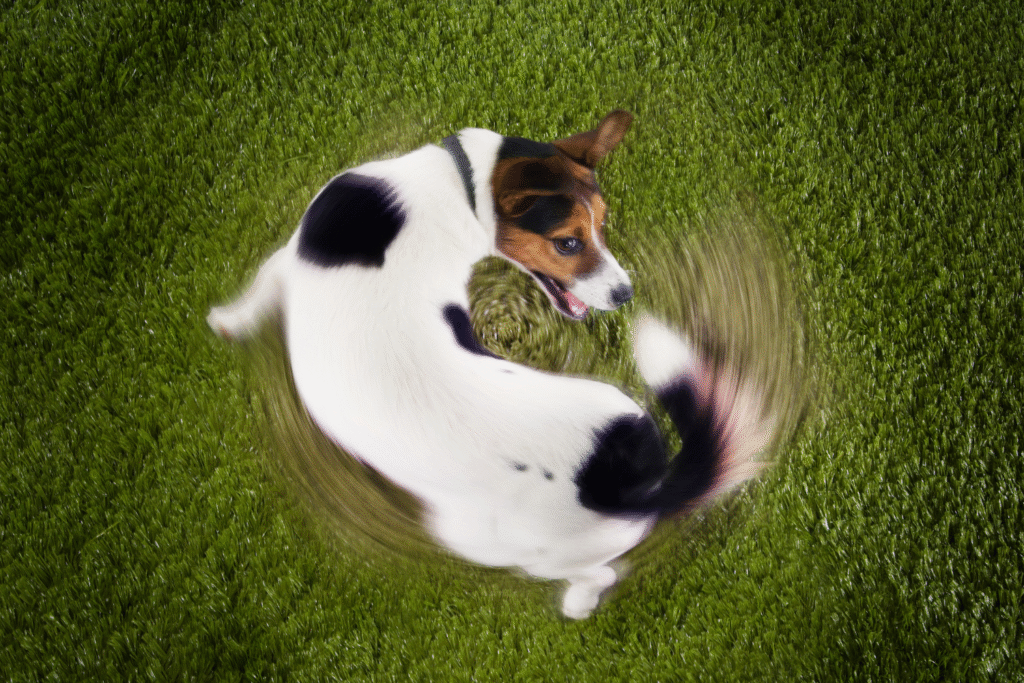
Intense vocal praise elevates excitement, which can make it harder for dogs to process commands. High arousal interferes with impulse control, especially in young or energetic breeds. Commands like stay or leave it become more difficult because the dog’s nervous system is already overstimulated.
Owners may see their dog bouncing, spinning or vocalizing instead of executing the cue. Reducing praise intensity during calm commands helps regulate arousal. When arousal drops, decision making improves. Dogs that once struggled with self control begin responding in a steadier, more thoughtful way.
8. Praise at the wrong time can reinforce unwanted behaviors.
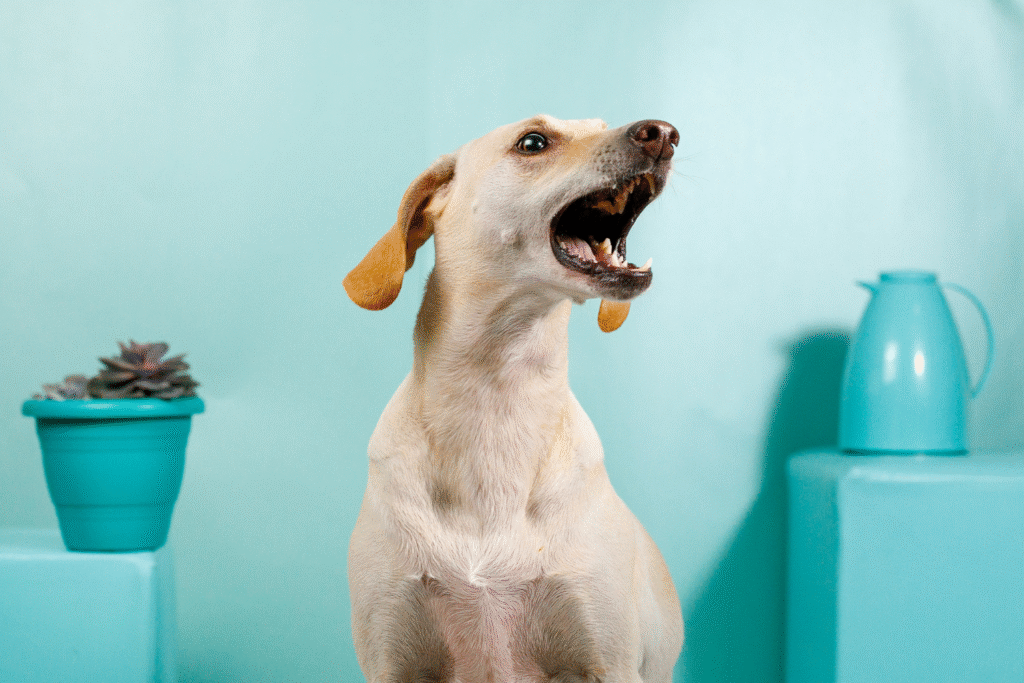
Well meaning owners sometimes praise dogs during moments of mild misbehavior simply because they want to stay positive. Dogs, however, interpret timing literally. If the dog barks, jumps or pulls and then receives praise seconds later, it links the reward to the wrong action.
This confusion can build long term habits that are harder to correct. Once owners refine their timing, the dog quickly adjusts its behavior. Clearer patterns emerge, and the unwanted responses fade. The key is ensuring that praise always follows the behavior you actually want repeated.
9. Dogs can tune out praise when it becomes repetitive.

Repetition causes praise fatigue. Dogs begin filtering out the owner’s voice because it stops signaling anything meaningful. Commands become blended with chatter, and the dog responds inconsistently. This selective attention becomes more obvious during distractions.
Creating contrast between normal affection and training praise revitalizes the dog’s engagement. Dogs respond better when praise is tied to effort and clarity. Once the distinction returns, obedience strengthens and communication feels smoother.