
New technology is pulling voices out of antiquity.
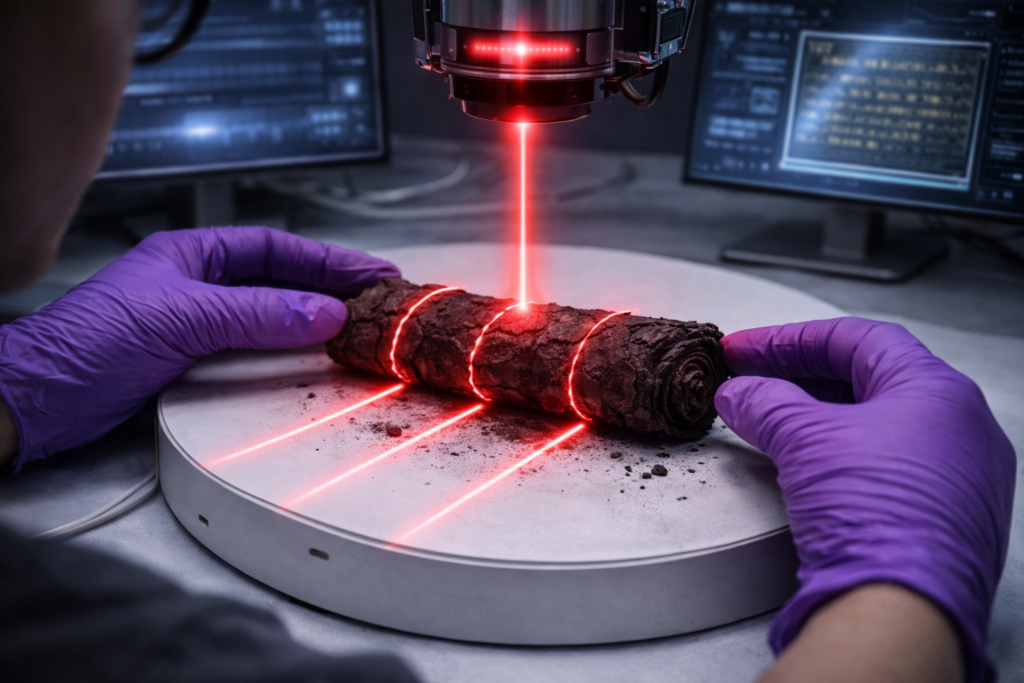
For centuries, they sat untouched, fragile, and effectively unreadable, reduced to charred relics by a disaster no one could reverse. Inside each blackened scroll was the possibility of a voice, intact but unreachable, waiting in silence that felt permanent. Now, that silence is beginning to fracture. Using artificial intelligence, researchers have found a way to move through layers that could never be opened by hand, tracing meaning where none could be seen. What is emerging is not just text, but presence, as if someone who vanished two thousand years ago has started speaking again, line by line, from within the ash.
1. AI revealed unseen ink inside the carbonized scroll.

Researchers at the University of Kentucky used high energy X ray tomography to scan a scroll from the Villa of the Papyri. The data formed microscopic 3D maps that traced subtle differences in carbon density. According to Nature, machine learning algorithms detected patterns of ancient ink invisible to the human eye. These signals formed the first readable Greek characters pulled from the sealed layers in centuries.
The process marked a turning point for Herculaneum research. For two millennia, these scrolls were considered unreachable. Traditional unrolling destroyed them instantly, leaving only fragments. With AI, the interior text surfaced without requiring physical contact. Each newly resolved line proved that the scroll still held entire passages intact, waiting for the right technology to bring them forward.
2. The decoded lines confirmed Philodemus as the author.
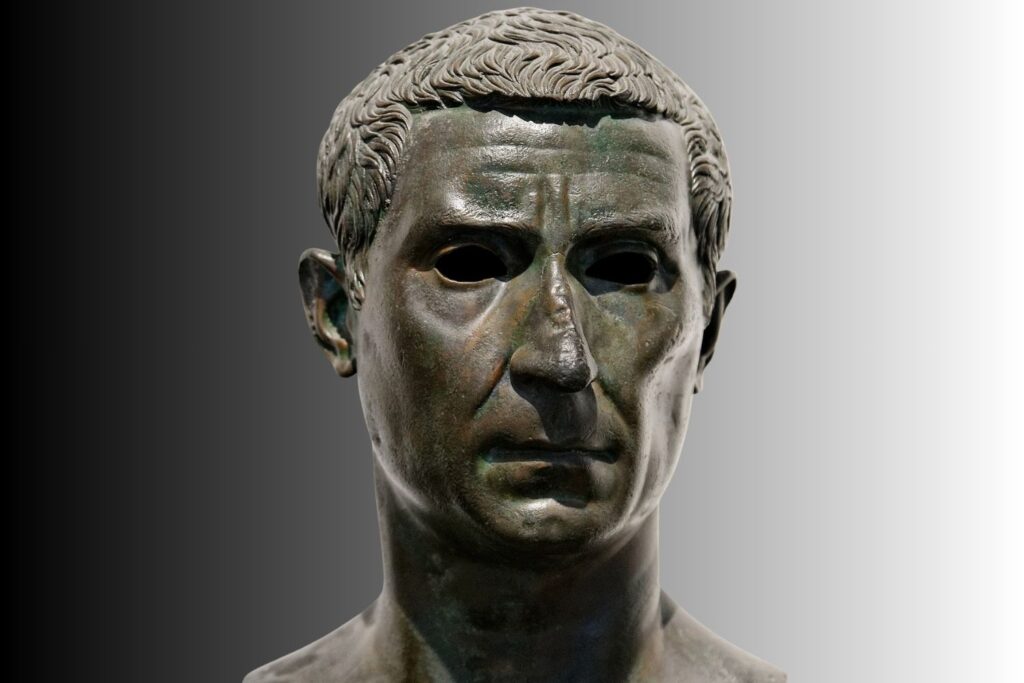
The emerging text referenced themes central to Philodemus, an Epicurean philosopher whose works shaped Roman intellectual life. Scholars compared vocabulary and phrasing to surviving fragments already attributed to him. As stated by The New York Times in coverage of the project, the match left little doubt that the scroll belonged to Philodemus’ extensive library.
The confirmation thrilled researchers studying the Villa of the Papyri, long believed to contain the personal collection of Lucius Calpurnius Piso, Julius Caesar’s father in law and a patron of Philodemus. The discovery strengthened the connection between the villa and the philosopher, suggesting more scrolls in the collection could belong to his corpus. It opened the possibility of reconstructing entire works long thought lost.
3. Ancient arguments about pleasure appeared with new clarity.
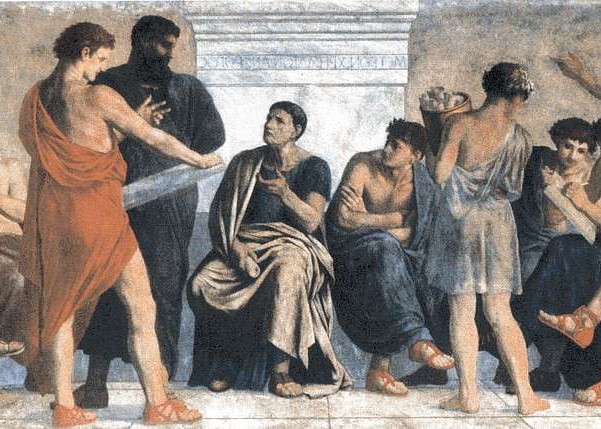
The first deciphered paragraphs described nuanced debates about the nature of pleasure and desire. These discussions fit squarely within Philodemus’ Epicurean teachings, which emphasized measured enjoyment and freedom from unnecessary pain. Passages highlighted how individuals misjudge pleasure by seeking excess instead of balance. These connections were highlighted, as discovered by BBC News, when researchers shared the earliest translated lines.
Seeing these themes appear so clearly inside the scroll validated centuries of speculation about Philodemus’ missing works. Many scholars believed the lost texts might contain more direct statements of his philosophy than previously available. The new lines showed a confident, analytical voice offering guidance on human behavior, revealing a far more detailed picture of Epicurean thought.
4. The scroll unveiled debates that shaped Roman intellectual life.
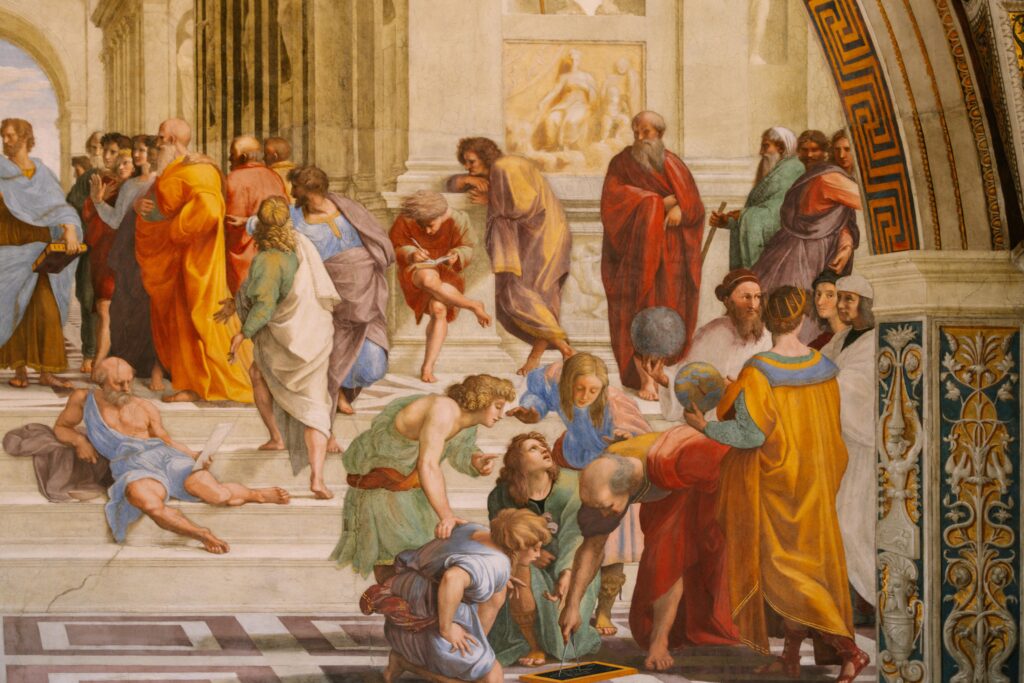
As more passages surfaced, researchers noticed that Philodemus responded directly to rival philosophical schools. He challenged Stoic ideas about virtue and rejected Academic skepticism. These references helped historians place the text within a broader cultural context. Rome’s elite relied on philosophers like Philodemus to guide character, politics and household life.
The scroll’s contents suggested that these debates unfolded in vivid detail among Piso’s guests. The villa may have been a center for lively philosophical discussion where contrasting ideas shaped Roman thought. Each restored paragraph offered new insight into how Romans approached questions of pleasure, duty and human nature.
5. AI revealed handwriting variations that showed multiple writing phases.

As the machine learning model reconstructed glyphs, researchers noticed slight shifts in lettering styles. Some sections displayed careful script while others appeared rushed or corrected. These changes suggested the scroll may have been copied from an earlier manuscript by multiple scribes or in different stages.
This variation helped scholars understand how Philodemus’ works circulated. Professional scribes often produced multiple copies for wealthy households. The Villa of the Papyri might have stored master versions meant for teaching. The differences in script hinted at how carefully Romans preserved philosophical texts, even while debates evolved over time.
6. Hidden layers revealed marginal notes made by ancient readers.

Advanced analysis exposed faint secondary markings distinct from the main text. These marginal notes appeared to comment on sections about moderation and false desires. Their presence confirmed that ancient readers engaged actively with the material, responding to Philodemus’ ideas with their own reflections.
The annotations revealed a dynamic reading culture within the villa. Guests and students may have gathered to discuss the scrolls aloud, leaving marks as they debated. The discovery suggested that Philodemus’ works were not merely stored but studied intensely, influencing generations of readers.
7. The scroll preserved rare discussions of household ethics.
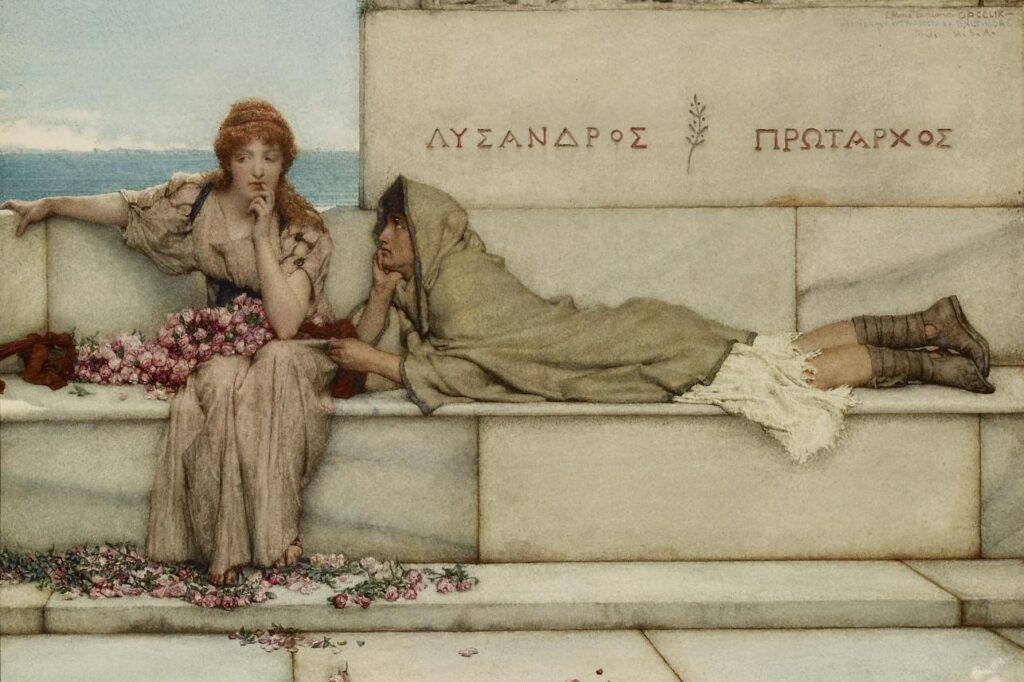
One section focused on daily conduct, describing how individuals should navigate irritation, ambition and envy within domestic life. Philodemus argued that calm decisions arise from steady self reflection rather than reactive emotion. These themes deepened the sense that his philosophy extended far beyond abstract theory.
The content mirrored concerns of elite Roman households, where managing relationships was essential to status and stability. The restored lines offered rare insight into how ancient families balanced personal desires with social expectations. The scroll preserved practical wisdom that once shaped the rhythm of life inside Roman villas.
8. New passages offered glimpses of Philodemus’ personal voice.
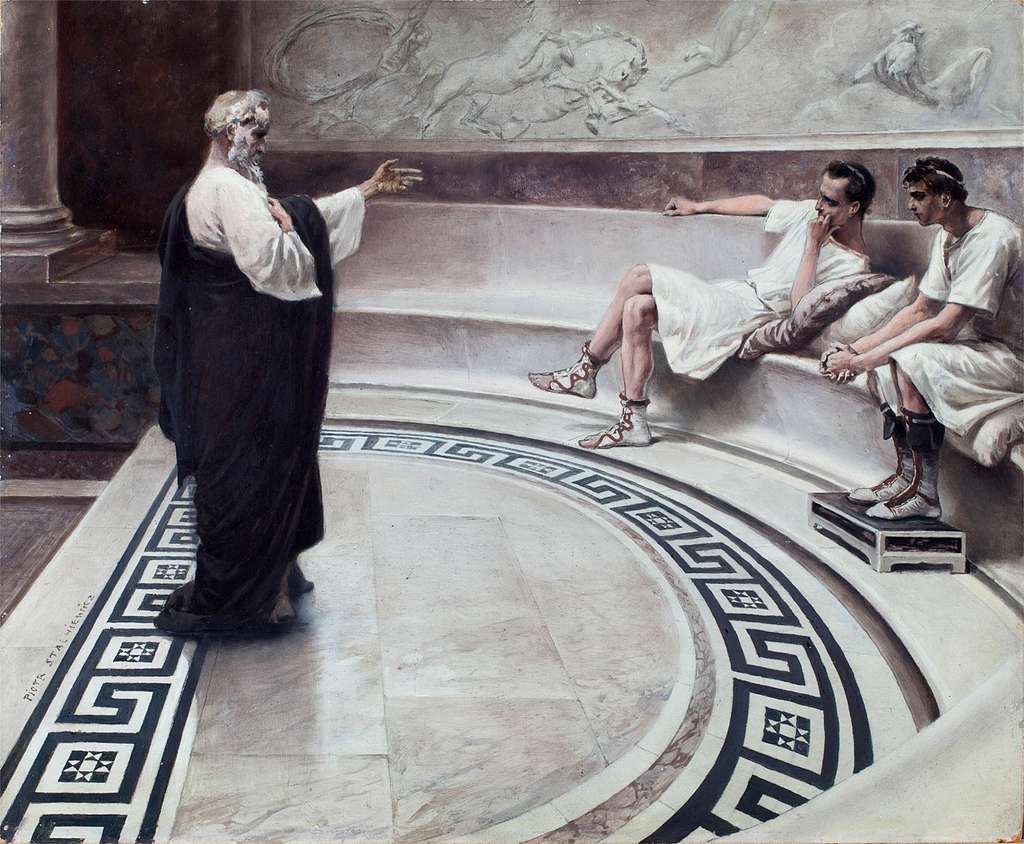
Some lines shifted from scholarly argument to moments of subtle humor or introspection. Philodemus acknowledged human flaws with unexpected gentleness, suggesting a temperament both patient and perceptive. These tonal changes made the recovered text feel surprisingly intimate.
The blend of personal observation and philosophical rigor strengthened the sense that the scroll carried the philosopher’s authentic voice. Scholars described feeling as though Philodemus stepped forward from the first century, speaking plainly after two thousand years of silence. The emotional immediacy made the discovery even more striking.
9. The discovery revived hopes of unlocking hundreds more scrolls.

The Villa of the Papyri holds roughly eight hundred carbonized texts, many still sealed. The success of AI reconstruction proved that these scrolls are not just archaeological artifacts but intact works waiting to emerge. Researchers prepared to expand scanning efforts to additional scrolls once considered impossible to read.
The breakthrough suggested that entire libraries destroyed in the eruption could be digitally restored. The potential impact on classical studies is immense. New poems, arguments and historical accounts may be hidden in the remaining papyri, waiting for algorithms to bring them to light.
10. The restored text deepened our understanding of ancient philosophy.
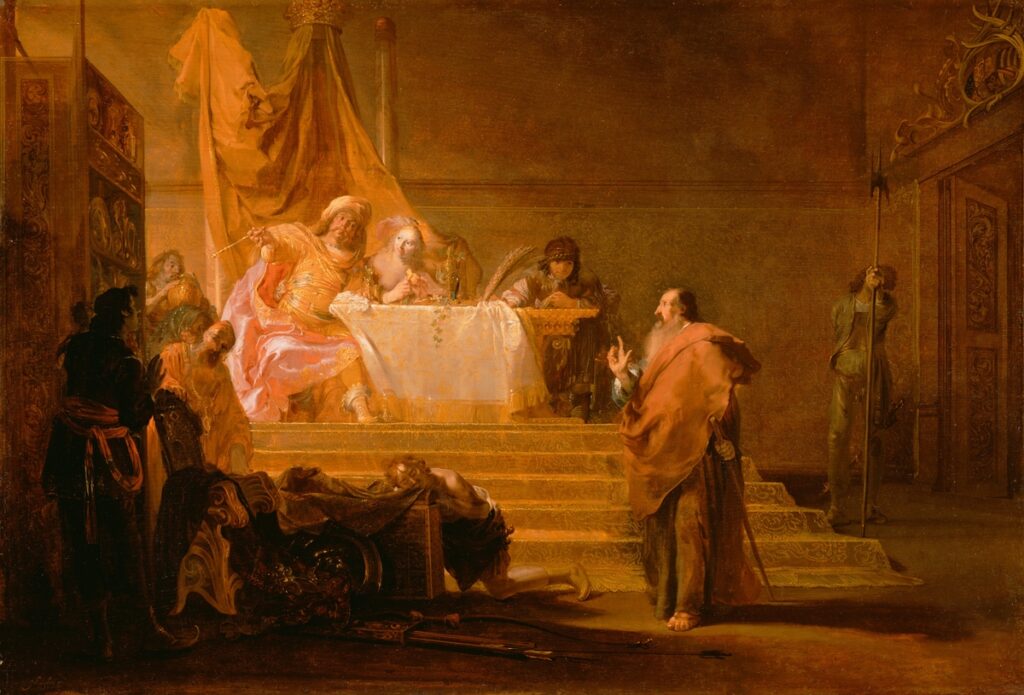
As more translated lines accumulate, scholars gain a clearer picture of Epicurean thought during the late Roman Republic. Philodemus’ writing reveals a philosophy grounded in self discipline, emotional clarity and ethical living, far more nuanced than fragments once suggested.
The scroll demonstrated that ancient intellectual life was vibrant, rigorous and deeply personal. Its recovery marked a milestone in combining technology with classical scholarship. For the first time in centuries, a voice buried by disaster speaks again, offering guidance to a world that still asks many of the same questions.