
Subtle clues that many owners rarely recognize.
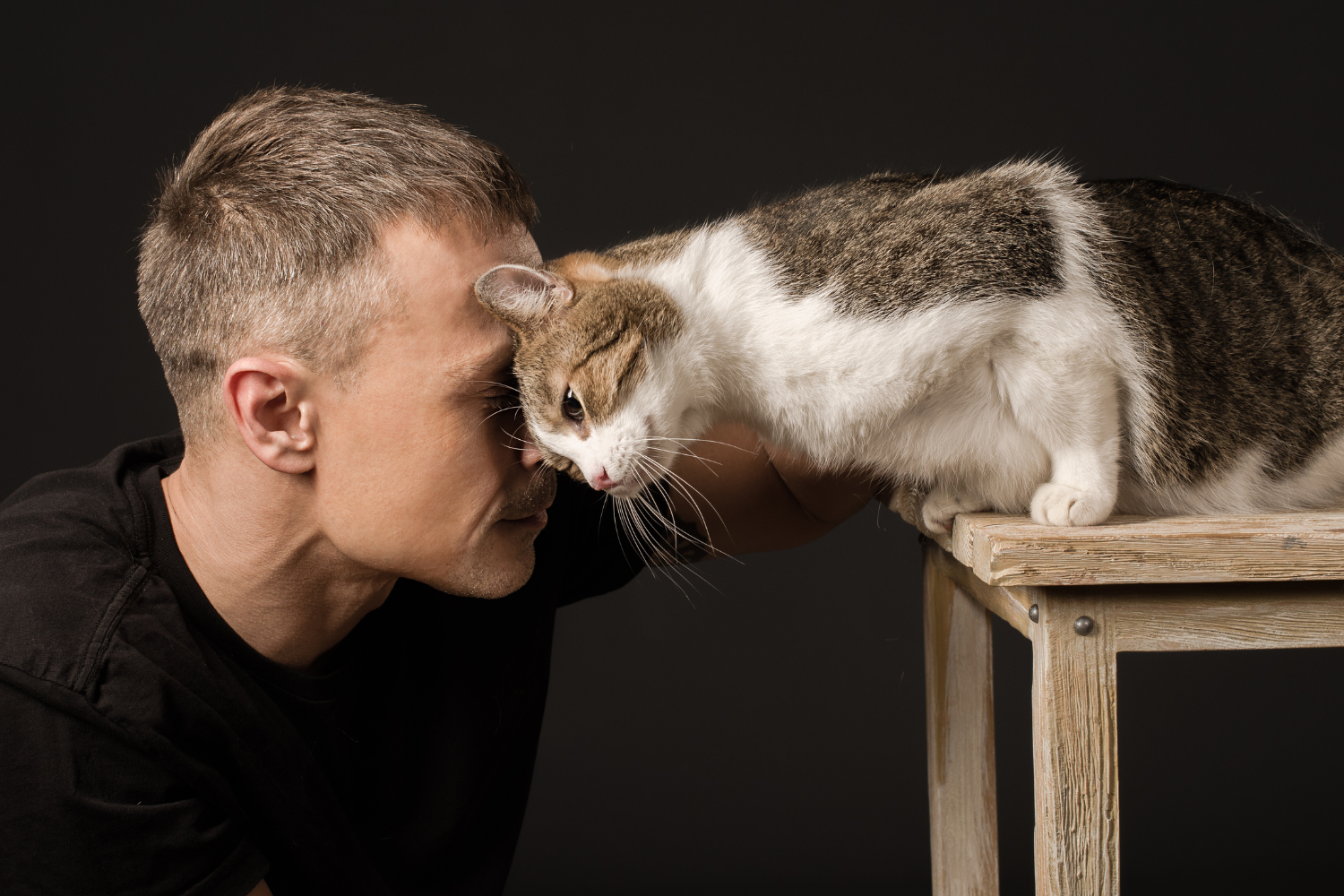
Heart disease in cats often hides behind routines that look normal until something feels slightly off. Vets in specialty clinics describe seeing cats who masked symptoms for months, sometimes years, before their bodies could no longer keep up. Because felines are experts at conserving energy and concealing discomfort, the earliest warnings usually appear quiet and scattered. Yet each small signal can sketch the outline of a problem that grows clearer when you know what to watch for.
1. Changes in breathing rhythm can appear unexpectedly.
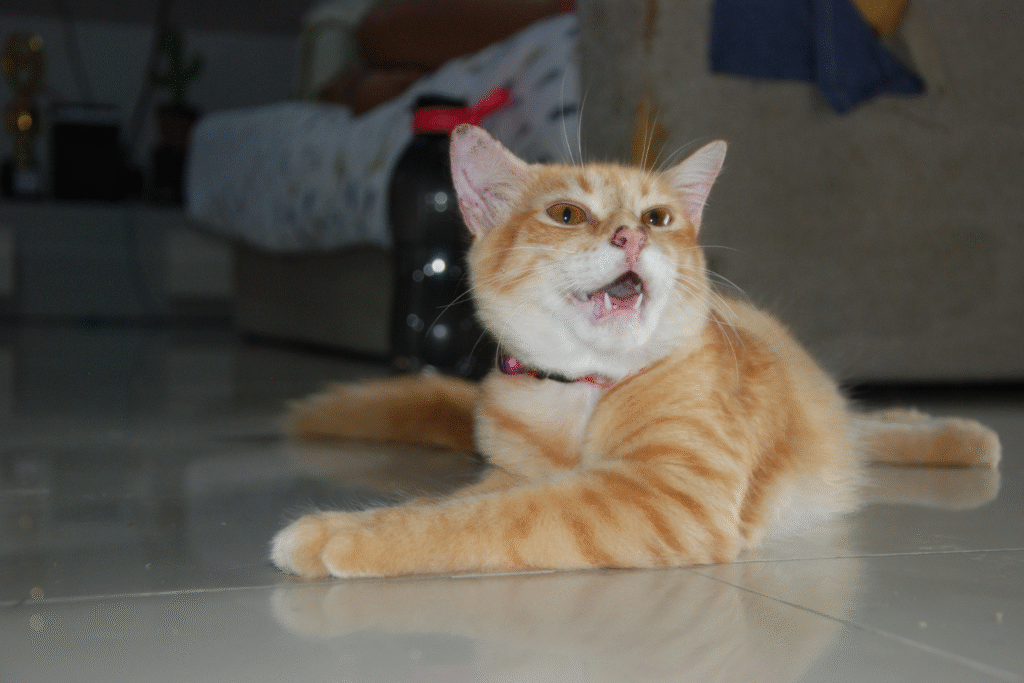
Cats developing heart issues sometimes begin breathing with a shallow, faster pattern that owners notice only during quiet moments. This shift has been highlighted in clinical reviews of feline cardiomyopathy as reported by the American College of Veterinary Internal Medicine. The pattern often surfaces while the cat rests, when the chest lifts just a little too quickly for comfort.
As the heart struggles to manage circulating fluid, the respiratory muscles work harder. Many owners interpret this as mild stress or warm room fatigue when it is actually early cardiovascular strain. Once the change becomes consistent, the body has already begun adapting to an underlying problem.
2. Reduced activity levels can slowly take hold.

Cats who once explored the house or chased toys may begin withdrawing into longer naps and quieter routines. A large survey of feline cardiac cases noted this early decline in daily energy according to the Cornell Feline Health Center. Owners often chalk it up to aging, even in relatively young cats who should still have steady stamina.
Because the decline develops gradually, it rarely triggers alarm at first. Yet the heart’s decreasing efficiency reduces oxygen delivery, making small efforts feel strenuous. Over time, the cat subtly reorganizes its day around conserving energy.
3. Subtle appetite loss sometimes signals growing strain.
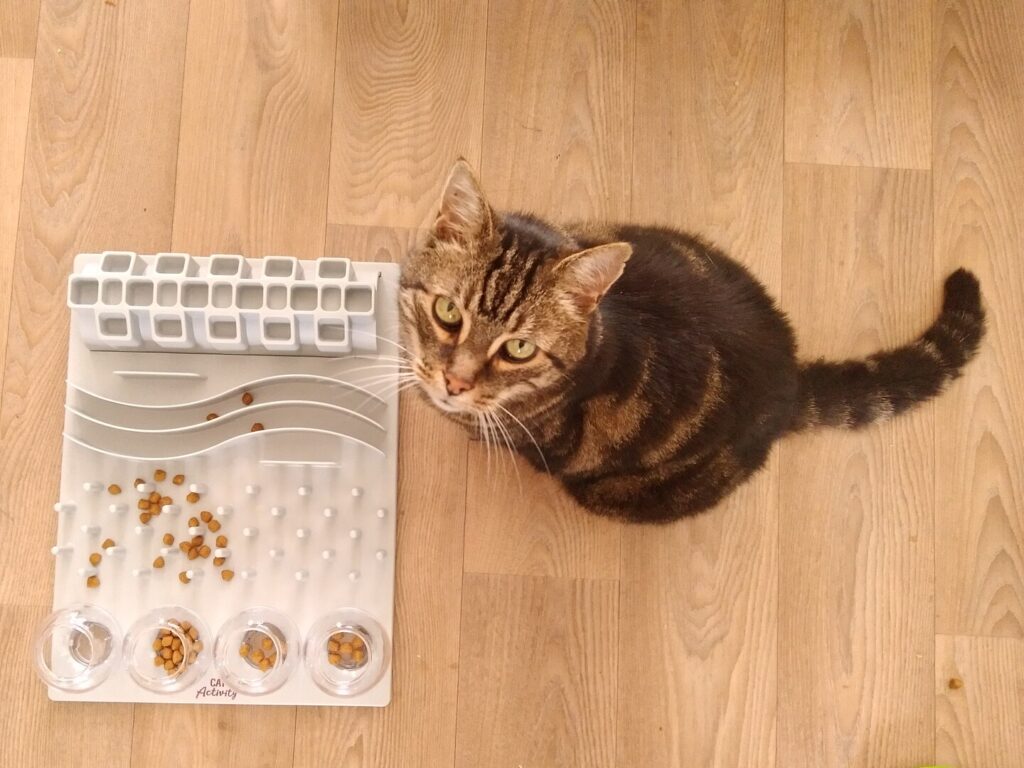
Early cardiac stress can reduce appetite as the body shifts its internal priorities. Clinicians have observed this in cases of early hypertrophic cardiomyopathy, as stated by the Journal of Feline Medicine and Surgery. Meals that were once devoured slowly become half finished, then ignored without much fuss.
This behavioral change can confuse owners, since many cats fluctuate in interest depending on mood. But when reduced appetite pairs with fatigue or altered breathing, the pattern gains meaning. The shift reflects how the body diverts resources away from digestion to support cardiovascular demand.
4. Mild coughing may appear during quiet moments.
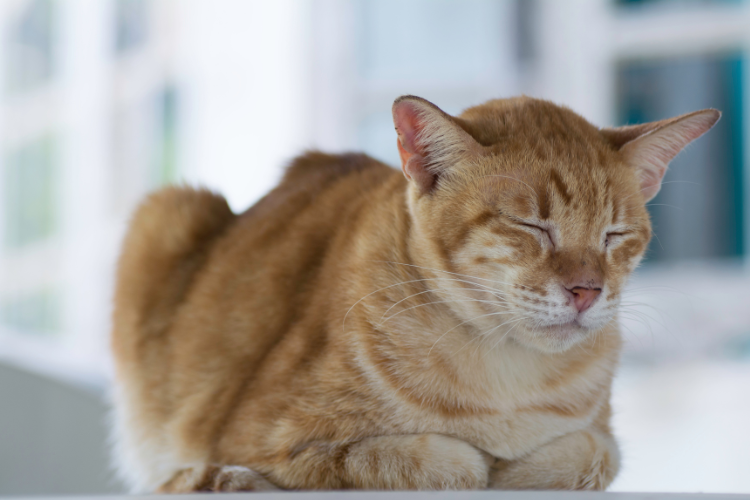
Cats rarely cough compared to dogs, which makes even intermittent episodes significant. Some owners notice a soft, brief sound that resembles clearing the throat. Because it occurs unpredictably, the behavior can be overlooked until it repeats in a familiar rhythm.
This cough often results from subtle fluid accumulation or airway compression caused by an enlarged heart. When it surfaces more consistently, the cardiovascular system is already under measurable pressure. Early medical evaluation can identify changes before they accelerate.
5. Sudden restlessness during sleep can become more frequent.
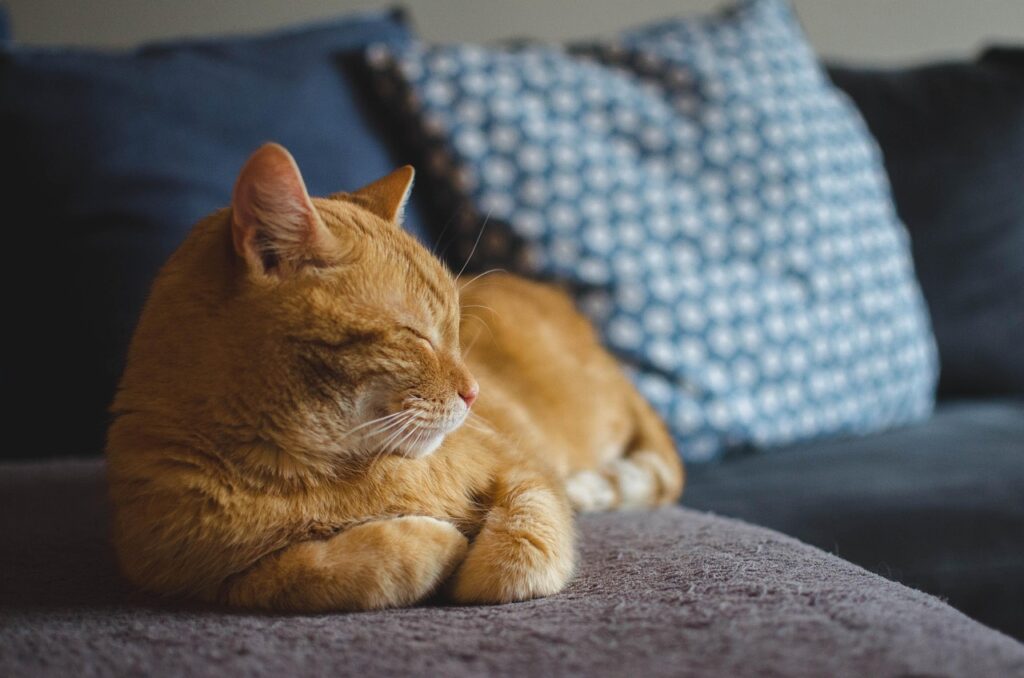
Cats with early heart strain sometimes shift positions throughout the night, unable to settle comfortably. The constant readjustment reflects internal discomfort rather than anxiety. Owners often describe it as fidgeting or pacing between preferred resting spots.
The body attempts to find a posture that reduces respiratory effort. Over weeks, these small movements stack into a recognizable pattern. Once the cat finally rests, its sleep tends to stay light, showing how the cardiovascular system influences even quiet moments.
6. Hesitation when jumping appears without clear cause.
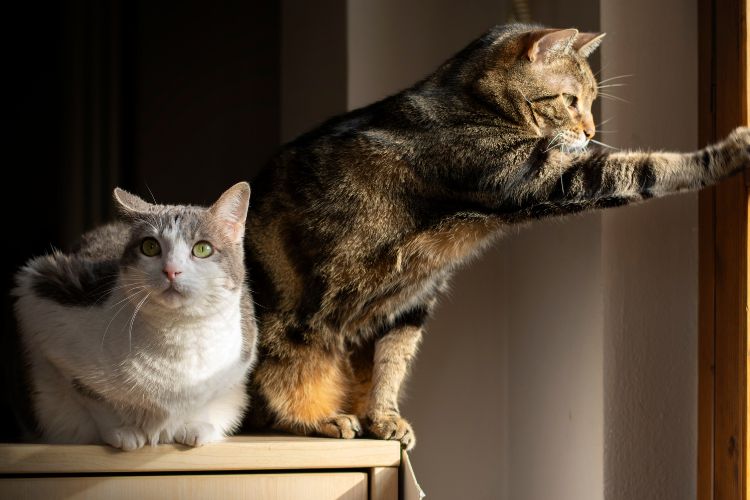
Cats that once leapt effortlessly onto counters or beds may suddenly judge the distance more carefully. They might try a shorter jump first or walk away entirely. Because the change seems minor, owners often attribute it to mood rather than physical strain.
When the heart struggles, muscles receive less oxygen during exertion. Even brief jumps require coordinated strength and confidence. This hesitation becomes the body’s quiet way of rationing effort before fatigue sets in.
7. Brief moments of open mouth breathing may emerge.
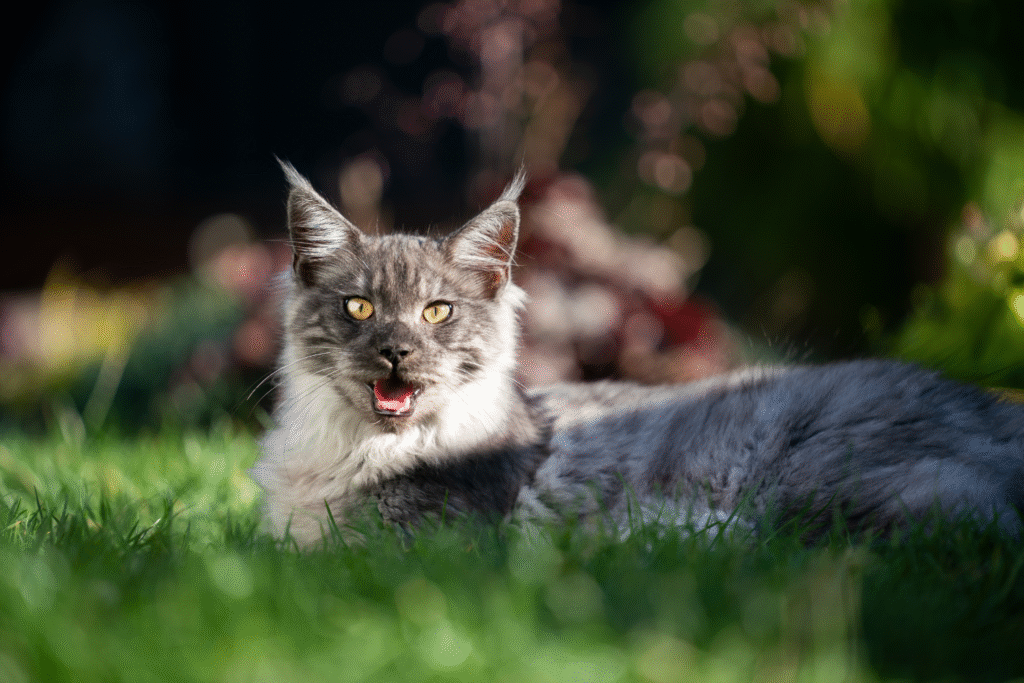
Unlike dogs, cats rarely breathe with an open mouth unless they are distressed or overheating. When it happens during normal household routines, it signals a meaningful shift. The cat may stand still, chest moving quickly as it tries to reclaim equilibrium.
These episodes reflect an internal system pushing against its limits. Even if they last only seconds, they reveal how breathing becomes the body’s emergency support when the heart falters.
8. Cool paws or ears can indicate poor circulation.

Some owners notice that their cat’s extremities feel cooler than usual during routine handling. This physical change reflects the body’s attempt to prioritize vital organs when circulation becomes less efficient.
While many factors influence temperature, a consistent chill in the paws or ears often pairs with other subtle symptoms. These small signals create a broader picture of early cardiovascular stress before more dramatic signs take hold.
9. A softer, strained meow can develop over time.

Cats with developing heart disease sometimes vocalize with less power, as if their voice lost its usual resonance. This change is not dramatic, but the tone shifts just enough to feel unfamiliar. Owners may notice the sound emerging during greetings or requests for attention.
The altered vocal quality reflects overall fatigue in the body. When energy becomes scarce, the voice is one of the first expressions to lose strength. Over time, the pattern becomes part of the broader decline.
10. Brief collapses may occur after strenuous moments.
Some cats experience sudden instability after exertion, such as running, jumping or reacting to a loud noise. These events can last seconds and resolve quickly, leaving the cat seemingly normal afterward. Because the recovery appears complete, owners sometimes dismiss the event as clumsiness.
These collapses reveal that the heart momentarily fails to support adequate circulation during stress. Even a single episode warrants attention, because it reflects cardiovascular strain reaching a threshold the body cannot mask anymore.