The Hidden Reason Certain Cats Refuse To Drink From A Bowl

Hydration habits reveal instincts cats never lost.
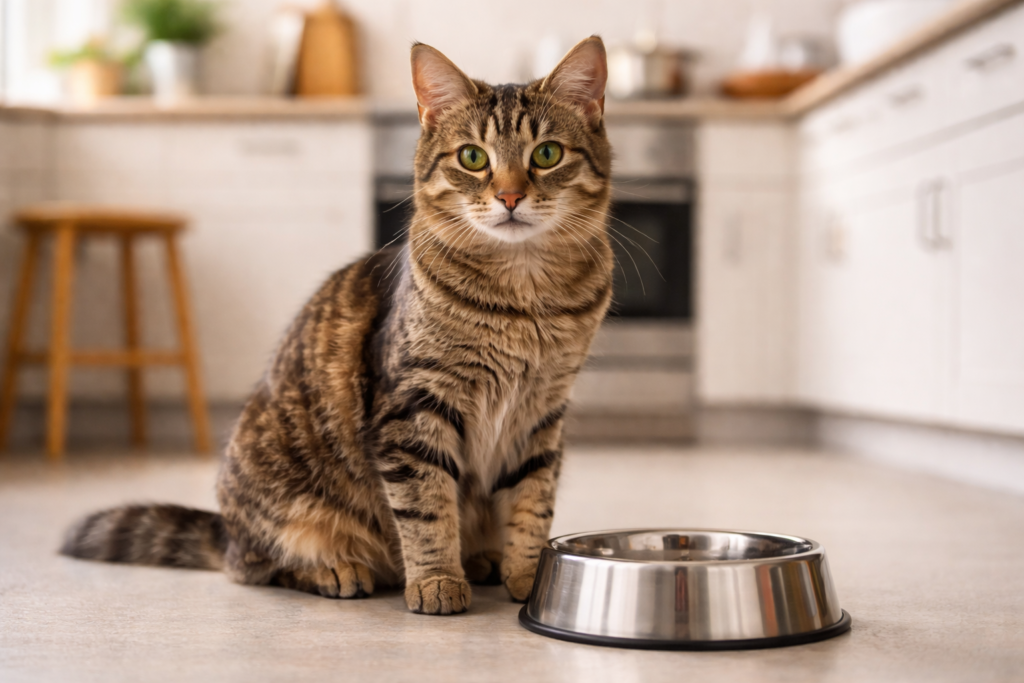
©Image PetsnPals/ChatGPT, tabby cat sitting by his water bowl

Across homes in North America, many cats ignore fresh water placed carefully in bowls yet seek out sinks, bathtubs, or dripping faucets. This behavior often confuses owners because it appears illogical or picky. In reality, it reflects ancient survival instincts layered with modern sensory challenges. Cats evolved in environments where water safety mattered, and their brains still evaluate hydration sources using cues humans rarely notice. Vision, smell, whisker input, and perceived vulnerability all influence whether a cat trusts a bowl enough to drink from it.
Read more

Scientists Discover a 4,000-Year-Old Horse Breed That Still Exists Today

Ancient bloodlines survived history without breaking.

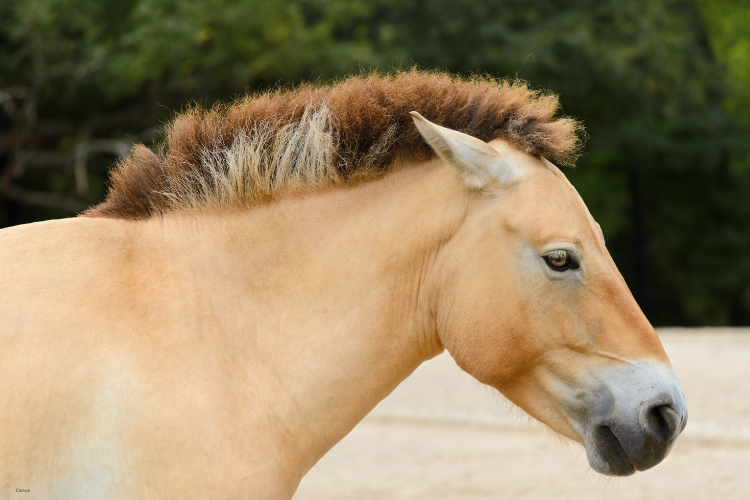
©Image license via Canva

In recent years, genetic research has begun rewriting what we thought we knew about domesticated animals. One discovery stands out for its clarity and shock value. A horse lineage believed to be lost to time has been traced directly from ancient remains to living animals today. The finding connects modern herds to horses ridden, traded, and relied upon thousands of years ago. This was not a symbolic resemblance or folklore claim. It was confirmed through DNA, archaeology, and historical records that finally aligned.

Read more

14 Dogs That Become Destructive When Slightly Bored

Idle minds push working instincts into overdrive.

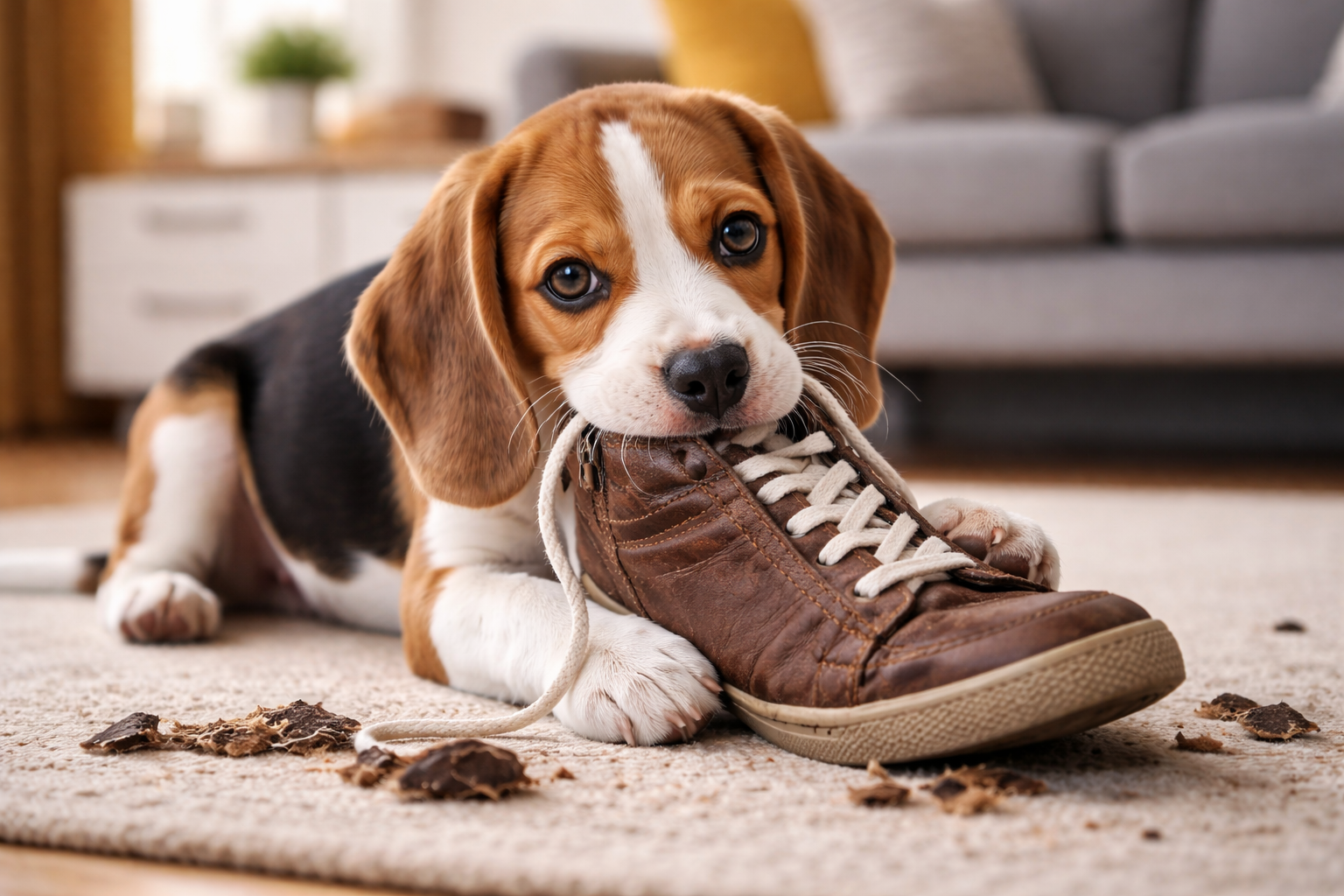
©Image PetsnPals/ChatGPT, Beagle puppy with chewed sneaker

Destructive behavior rarely comes from bad dogs. It comes from unmet mental and physical needs colliding with long hours of inactivity. Across homes in the United States, veterinarians and trainers see the same pattern repeat. Certain breeds unravel quickly when stimulation drops even briefly. Chewing, digging, shredding, and escaping are not acts of rebellion. They are problem solving behaviors misdirected by boredom. These dogs were designed to work, think, and move. When that outlet disappears, energy turns inward and then outward, often at your furniture’s expense.

Read more

12 Dog Breeds That Can Turn Aggressive Without Proper Socialization

Early experience determines whether instincts stay balanced.

©Image license via iStock

Aggression in dogs is rarely random or sudden. It develops when natural instincts meet unclear social rules. Some breeds were shaped to guard, control space, or make independent decisions, which means their behavior depends heavily on early exposure. When puppies miss consistent, positive interactions with people, dogs, and environments, uncertainty fills the gap. That uncertainty can harden into fear based or defensive aggression over time. These dogs are not dangerous by default. They are unfinished socially, carrying powerful instincts without the context needed to regulate them safely.

Read more

The Fatal Virus in Outdoor Cats That Can Spread to Your Home

What begins outdoors often follows cats inside.

©Image license via iStock

Across North America, veterinarians continue to see a deadly pattern repeat itself in both feral colonies and family homes. Outdoor cats encounter a virus that is fast, durable, and devastating, then unknowingly carry it back indoors on fur, paws, or shared spaces. The danger is not limited to roaming cats. Indoor cats can be exposed without ever stepping outside. Understanding how this virus moves, survives, and infects helps explain why outbreaks still occur in clean homes and why prevention depends on more than keeping doors closed.

Read more