Why Wild Horses Are Disappearing Faster Than Anyone Expected

Vanishing herds reveal pressures hiding in plain sight.
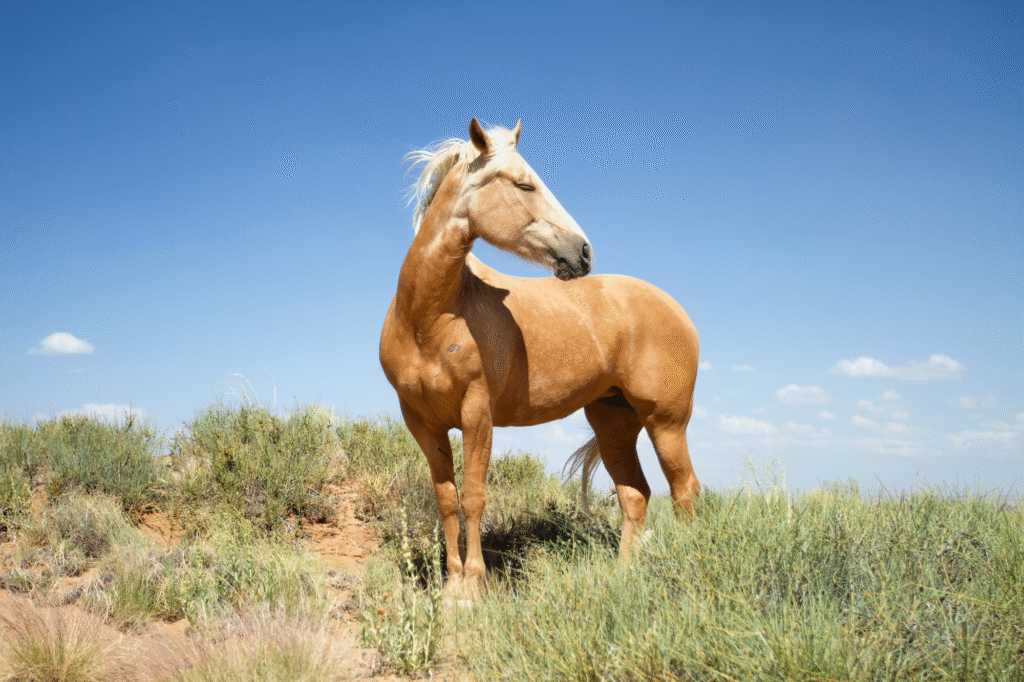
©Image license via Canva

Across the American West, wild horses still appear rooted in open landscapes, moving across valleys that seem unchanged. Yet field surveys, removal records, and climate data suggest something quieter and more urgent. Entire bands disappear between seasons. Foals fail to return. Water sources go unused. The losses rarely happen in one dramatic moment. They build slowly through overlapping pressures. By the time absence becomes obvious to casual observers, the forces driving decline have already reshaped the range for years.
Read more

10 Predators That Are Moving Closer to People Than Ever Before

Human expansion redraws ancient predator boundaries worldwide.

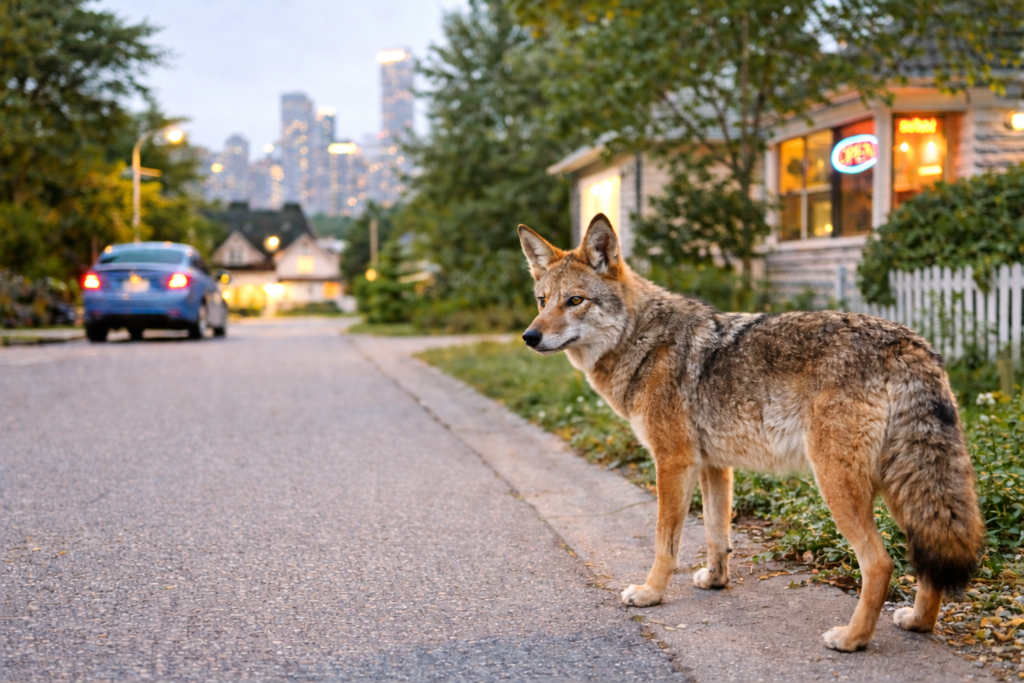
©Image PetsnPals/ChatGPT, Coyote at twilight in suburban street

Across continents, large predators are appearing closer to towns, suburbs, and cities with increasing regularity. This shift is not random. Expanding development, fragmented habitats, climate stress, and stable food sources pull animals toward human dominated spaces. Researchers tracking movement patterns from North America to South Asia report the same trend. Predators are not invading out of aggression. They are adapting. Understanding which species are moving closer, and why, reveals how tightly human behavior now shapes the world’s remaining wild margins.

Read more

Deer Proof Your Yard With These Plants They Can’t Stand

Strategic planting shifts deer behavior without fences.

©Image PetsnPals/ChatGPT, Deer in suburban garden at dusk

As white tailed deer expand deeper into suburbs across North America, browsing pressure has become a year round problem rather than a seasonal nuisance. Homeowners from Pennsylvania to Oregon report similar patterns. Deer follow predictable routes, remember food sources, and return nightly once a yard proves rewarding. What interrupts that cycle most effectively is not force but chemistry. Certain plants trigger avoidance through smell, texture, or taste that deer instinctively trust. When landscapes are built around those signals, deer pressure often drops within weeks.

Read more

When a Cat Seems Fine but Isn’t

Hidden illness often wears a mask of normalcy.

©Image via Canva

Cats evolved to hide weakness, so illness often stays invisible until late. A cat can eat, groom, and nap while internal systems quietly strain. Veterinarians see this pattern daily in clinics, shelters, and homes, where subtle changes precede serious disease by weeks or months. Recognizing these early signals depends less on dramatic symptoms and more on noticing small shifts in routine, posture, and interaction that suggest the body is compensating rather than truly healthy long before collapse becomes visible externally.

Read more

Why Neighborhood Wildlife Alters How Dogs Patrol Their Territory

Backyard ecosystems quietly reshape canine surveillance habits.

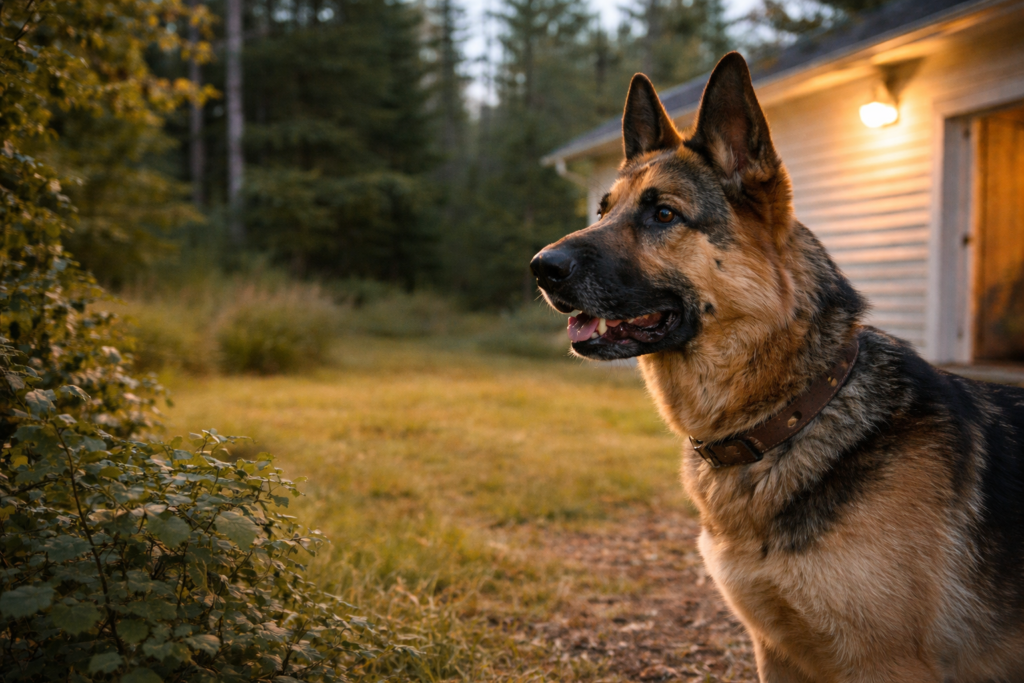
©Image license via PetsnPals/ChatGPT, Alert german shepherd in backyard twilight

Dogs do not guard space in a vacuum. Their patrol patterns evolve alongside animals moving through nearby yards, alleys, drainage corridors, and greenbelts. Coyotes, raccoons, deer, feral cats, and rodents leave constant scent and sound cues that dogs track unconsciously. What looks like random barking or pacing is often careful environmental monitoring. As wildlife increasingly overlaps with suburban and urban neighborhoods, dogs adapt their territorial behavior in precise ways that reflect ancient instincts operating inside modern landscapes.

Read more