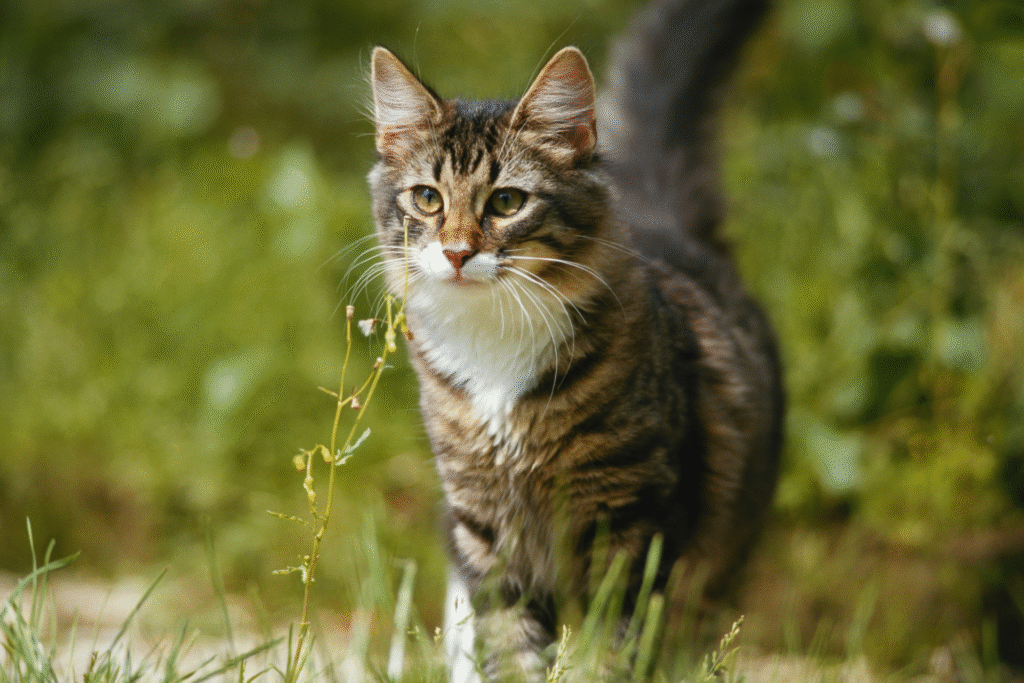
Why Some Cats Suddenly Reject Food They Loved For Years

Appetite shifts often signal deeper changes unfolding quietly.
©Image license via PetsnPals/ChatGPT

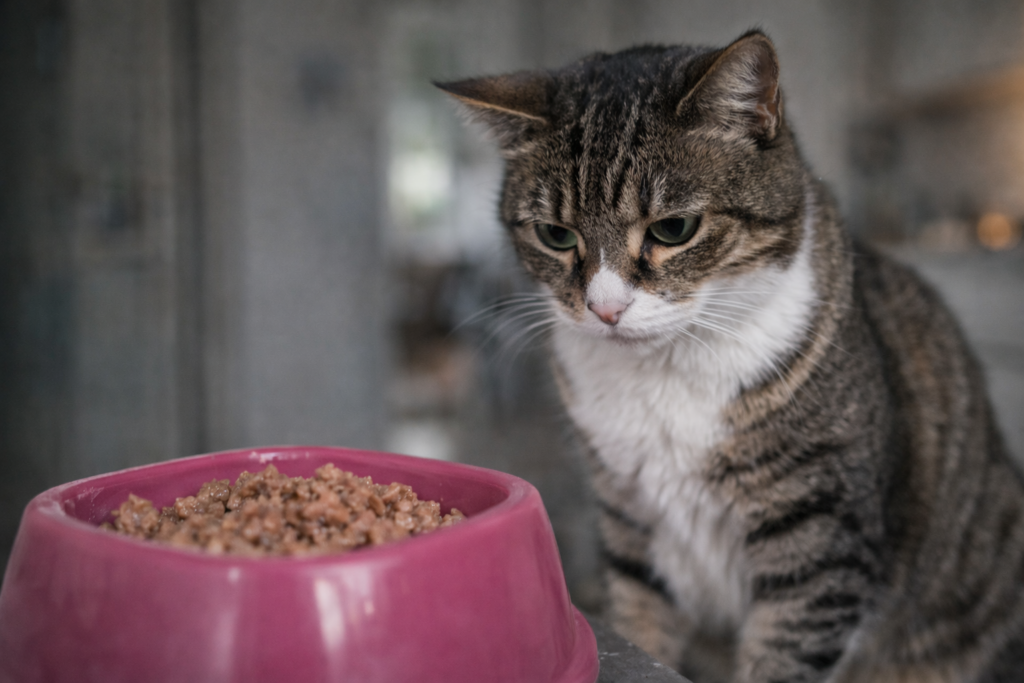
Cats are famously consistent eaters, so when a longtime favorite food is suddenly ignored, it can feel unsettling. This behavior rarely appears without cause. Veterinarians see these shifts as early signals tied to health, sensory change, or environment rather than whim. A cat’s relationship with food is shaped by memory, smell, comfort, and physiology all at once. When one of those layers changes, appetite can unravel quickly, sometimes long before more obvious symptoms surface.


Read more

Something About How Horses Hear Humans Is Now Being Reconsidered

New research reframes an ancient human horse bond.

©Image license via PetsnPals/ChatGPT, Horse and rider communicating

For centuries, people assumed horses responded mainly to reins, legs, and posture, with voice acting as background noise. That assumption is now unraveling. Behavioral scientists studying equine perception are finding that horses process human sound with far more nuance than once believed. Tone, rhythm, and emotional content appear to shape how horses interpret human intent, sometimes more powerfully than physical cues. This shift is changing how trainers, veterinarians, and riders understand communication between species.

Read more

Why Some Dog Populations Are Becoming Alarmingly Fragile

Breeding traditions now collide with modern biology.

©Image license via Canva

Purebred dogs once reflected regional pride, working skill, and careful selection. Over decades, closed registries and intense popularity narrowed gene pools faster than anyone expected. Veterinary geneticists now see warning signs once reserved for endangered wildlife. Fertility issues, immune disorders, and inherited disease clusters are rising together. The concern is not theoretical or distant. It is unfolding inside clinics, breeding programs, and research labs right now, forcing scientists to rethink how survival is defined for beloved breeds.

Read more

How A Cat’s Whiskers Reveal Chronic Stress Over Time

Tiny sensory threads quietly recording emotional history.

©Image license via Canva

Stress in cats often hides beneath calm appearances. Long before behavior changes, the body records strain in subtle ways. Whiskers, deeply connected to nerves and blood supply, quietly capture these signals. As they grow, they absorb hormones linked to emotional and physical stress. Over weeks and months, whiskers preserve a timeline of what a cat experiences. Scientists now study these fibers to understand chronic stress patterns that once went unnoticed. The result is a biological record that reveals tension long before outward signs emerge.

Read more

10 Subtle Ways Dogs Detect Human Stress Before They Do

Canine senses register tension long before awareness.

©Image license via Canva

Stress rarely arrives with a clear signal. It seeps into breathing, posture, chemistry, and daily rhythm before the mind catches up. Dogs live close enough to notice every shift. Their perception is rooted in biology shaped by thousands of years alongside humans. While people normalize discomfort or stay distracted, dogs respond to the earliest cues. They track scent, sound, and movement continuously, building a real time picture of emotional state. What feels like intuition is actually precise observation unfolding quietly inside familiar spaces.

Read more