12 Dog Breeds That Love to Cuddle the Most

A closer look at the dogs that crave closeness.

©Image license via iStock

Dogs have evolved to seek warmth, safety and steady human contact, which is why some breeds lean into affection with an intensity that feels almost scientific. Their histories, instincts and bonding styles help explain why certain dogs curl into their humans every chance they get. Here are twelve breeds that consistently show an instinctive pull toward closeness and physical comfort, shaped by centuries of companionship and selective breeding.

Read more

10 Early Signs of Heart Disease in Cats That Often Go Unnoticed

Subtle clues that many owners rarely recognize.

©Image license via Canva

Heart disease in cats often hides behind routines that look normal until something feels slightly off. Vets in specialty clinics describe seeing cats who masked symptoms for months, sometimes years, before their bodies could no longer keep up. Because felines are experts at conserving energy and concealing discomfort, the earliest warnings usually appear quiet and scattered. Yet each small signal can sketch the outline of a problem that grows clearer when you know what to watch for.

Read more

The 12 Dog Breeds Most Likely to Bite Their Owners

A closer look at canine aggression indicators.

©Image via Canva

Some dogs respond to stress with behavior that surprises even experienced owners, and researchers continue examining why these reactions emerge. Genetics, early socialization and daily household dynamics shape each response in unpredictable ways. When veterinary behaviorists analyze bite related data across clinics and homes, certain breeds appear more frequently. The patterns do not condemn these dogs but reveal where communication breaks down, showing how pressure, fear and human misunderstanding collide in ways that can be prevented with clearer insight.

Read more

How Your Cat’s Tail Movements Reveal Exactly What It’s Thinking

Small signals that carry surprising meaning.

©Image via Canva

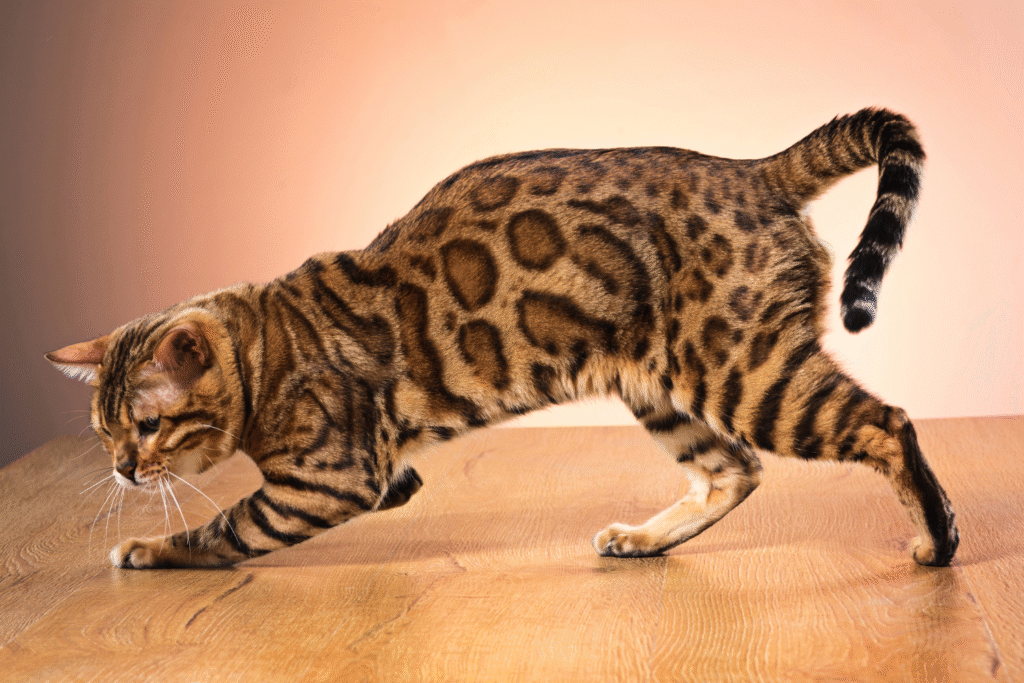
A cat’s tail is a communication system shaped by evolution, tension and survival. It telegraphs emotional shifts long before a sound is made, and its movements can be read with surprising accuracy once you know what to watch for. Across living rooms, backyards and crowded apartments, cats use precise tail positions to negotiate comfort, stress, curiosity and social intent. The subtle changes rarely happen by accident, which is what makes this form of communication so revealing.

Read more

10 Biggest Domestic Cat Breeds and How Much They Weigh

Large cats shaped by evolution and selective breeding.

©Image via Canva

Domestic cats reach impressive sizes when genetics, climate and breeding history all push their bodies in the same direction. Some gained mass through cold survival, others through hybrid ancestry, and a few simply grew heavier as their popularity spread across Europe and North America. Their size becomes undeniable when they settle into a sunny spot or stretch across a couch, revealing proportions far beyond the average house cat. These are the ten heaviest breeds people commonly live with.

Read more