New Evidence Reveals a Forgotten City Larger Than London Once Thrived Near the Mississippi River

The lost metropolis that reshaped North America’s past.
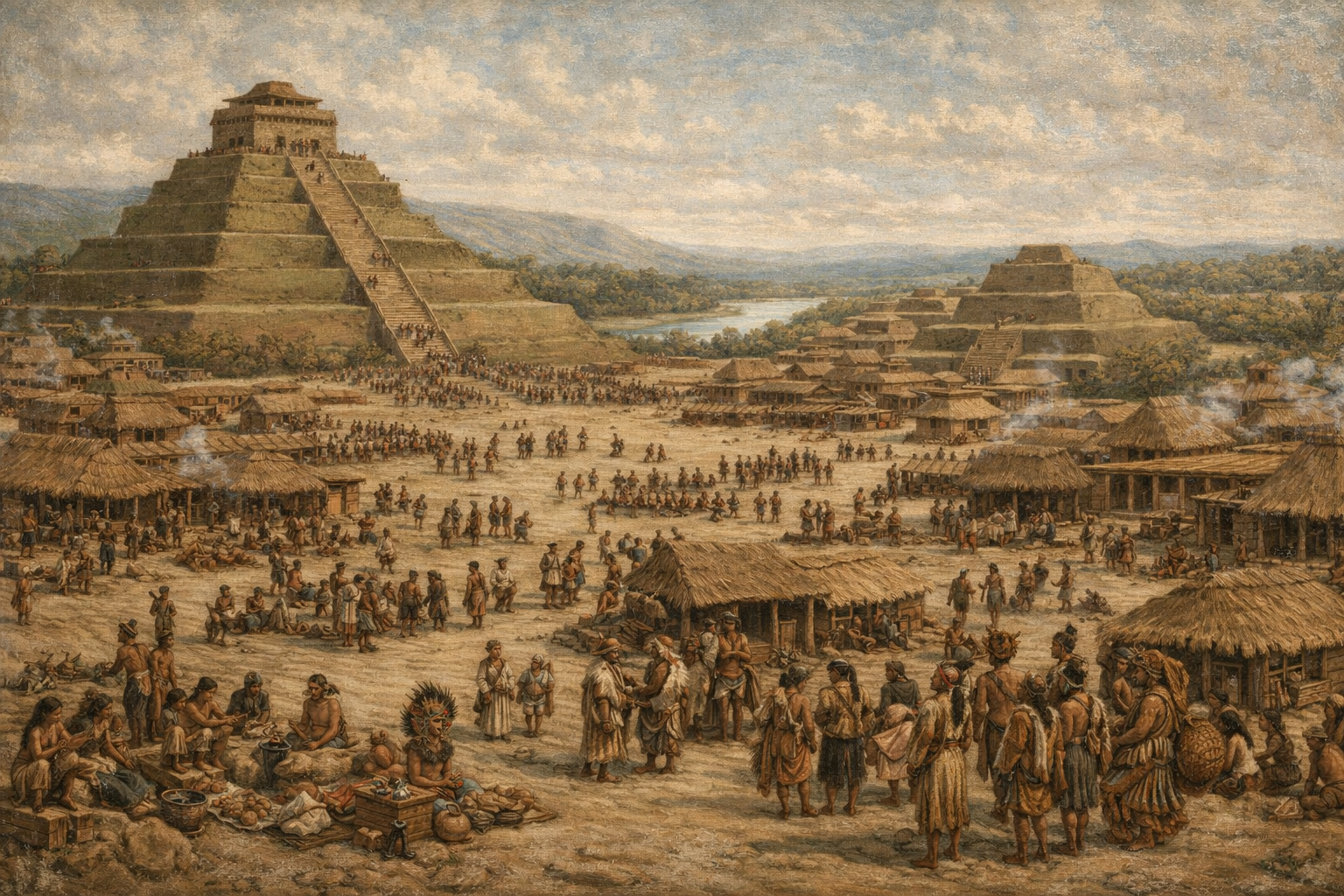
©Image license via PetsnPals/ChatGPT, representation of Cahokia

For centuries, fields across the American Bottom hid a metropolis. Near today’s Collinsville, Illinois, earthen mounds once anchored Cahokia, the largest city north of Mesoamerica. At its height around 1050 CE, tens of thousands lived along the Mississippi’s floodplain, trading copper, shell, and ideas. New analyses sharpen dates, scale, and organization, revealing a planned urban center that rivaled medieval capitals while leaving no written record behind. Archaeology now reconstructs daily life, governance, and environmental pressures with surprising clarity today still.

Read more

Why Some Dogs Recognize Illness in Humans Before Symptoms Appear

Their senses register biological shifts long before pain.

©Image license via PetsnPals/ChatGPT

Some dogs behave differently before illness becomes obvious. They hover, watch closely, or refuse to leave one person alone. These changes can appear days or even weeks before symptoms. The reason is not instinct or emotional projection. Dogs track scent, motion, breathing, and routine with precision humans cannot match. When internal chemistry shifts, dogs notice immediately. Medicine usually detects illness once disruption becomes measurable. Dogs sense it while the change is still quiet, unfolding beneath awareness.

Read more

A Long Lost Temple of Apollo Emerges From the Ruins of Ancient Crete

Excavation clues finally align into a forgotten sanctuary.

©Image license via Wikimedia Commons/George E. Koronaios

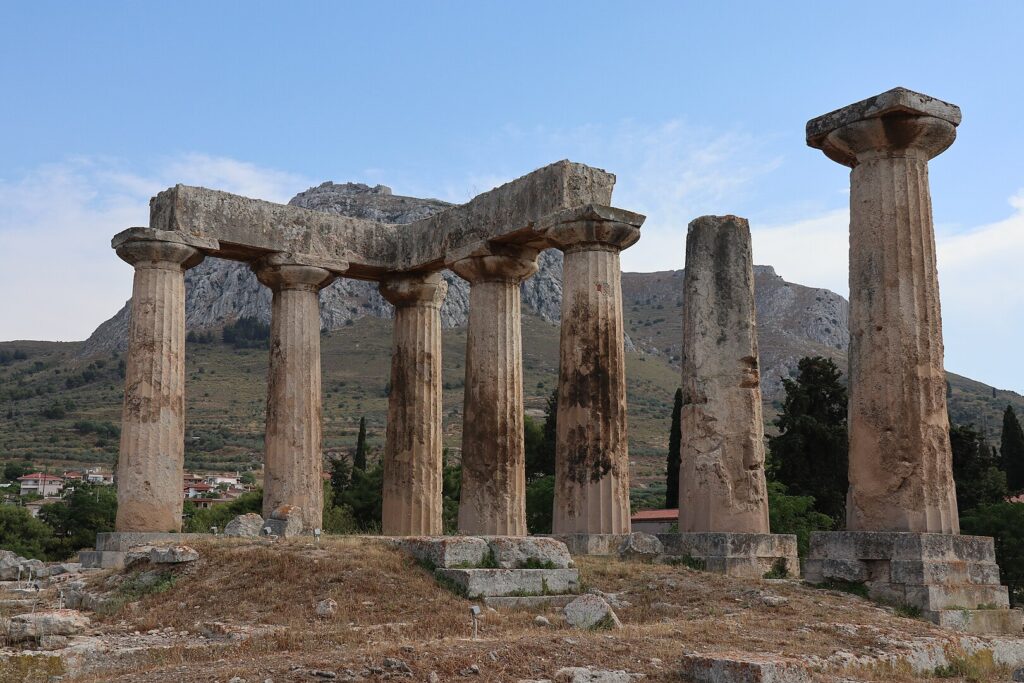
For decades, scholars suspected that something significant lay buried beneath the rocky hills of western Crete, but evidence remained scattered and inconclusive. Recent excavations near the ancient city of Aptera changed that abruptly. Stone alignments, inscriptions, and ritual debris began forming a coherent pattern tied to Apollo, one of the most influential gods in the Greek world. The discovery does not just reveal a building. It restores a missing chapter of Cretan religious life during the Hellenistic and Roman eras, when faith, politics, and geography were tightly bound.

Read more

Researchers Find Evidence of a Third State That Exists Between Life and Death

Biology may not end where we thought.

©Image via Canva

For centuries, life and death were treated as a clean boundary. A heartbeat stopped, cells failed, and biology ended. Recent research is unsettling that certainty. Across medical labs, trauma units, and cellular studies, scientists are observing organized biological activity continuing well after death should have occurred. Cells communicate, repair, and reorganize in ways that do not fit traditional definitions. The evidence suggests a liminal biological condition, not alive in the classic sense, yet not fully gone either.

Read more

Ancient Clays at Wildcat Ridge Suggest Mars Stayed Wet Far Longer

The rocks tell a slower story than expected.

©Image license via Canva

For decades, Mars was described as a planet that lost its water abruptly. Rivers carved channels, lakes briefly filled basins, and then the climate collapsed. That narrative assumed speed. Evidence emerging from Wildcat Ridge forces a reassessment. Clay rich layers preserved there indicate chemical interactions that unfold slowly, under stable conditions. These minerals suggest Mars did not simply flash from wet to dry. Instead, water lingered, interacted, and reshaped surface environments for far longer than earlier models allowed.

Read more